DeepSeek Harness Plugins · Client
Plugins that extend DeepSeek Harness (DSH) with vision, workflows, memory, web tools and more.
A DSH desktop whale-girl pet displaying real-time balance, usage, and context occupancy with bounce physics, easter-egg bubbles, and eco mode—zero extra processes.
A governed cross-session memory plugin with auto-distillation, memory-to-skill formalization, an open memory bus, and Git-based cross-device sync.
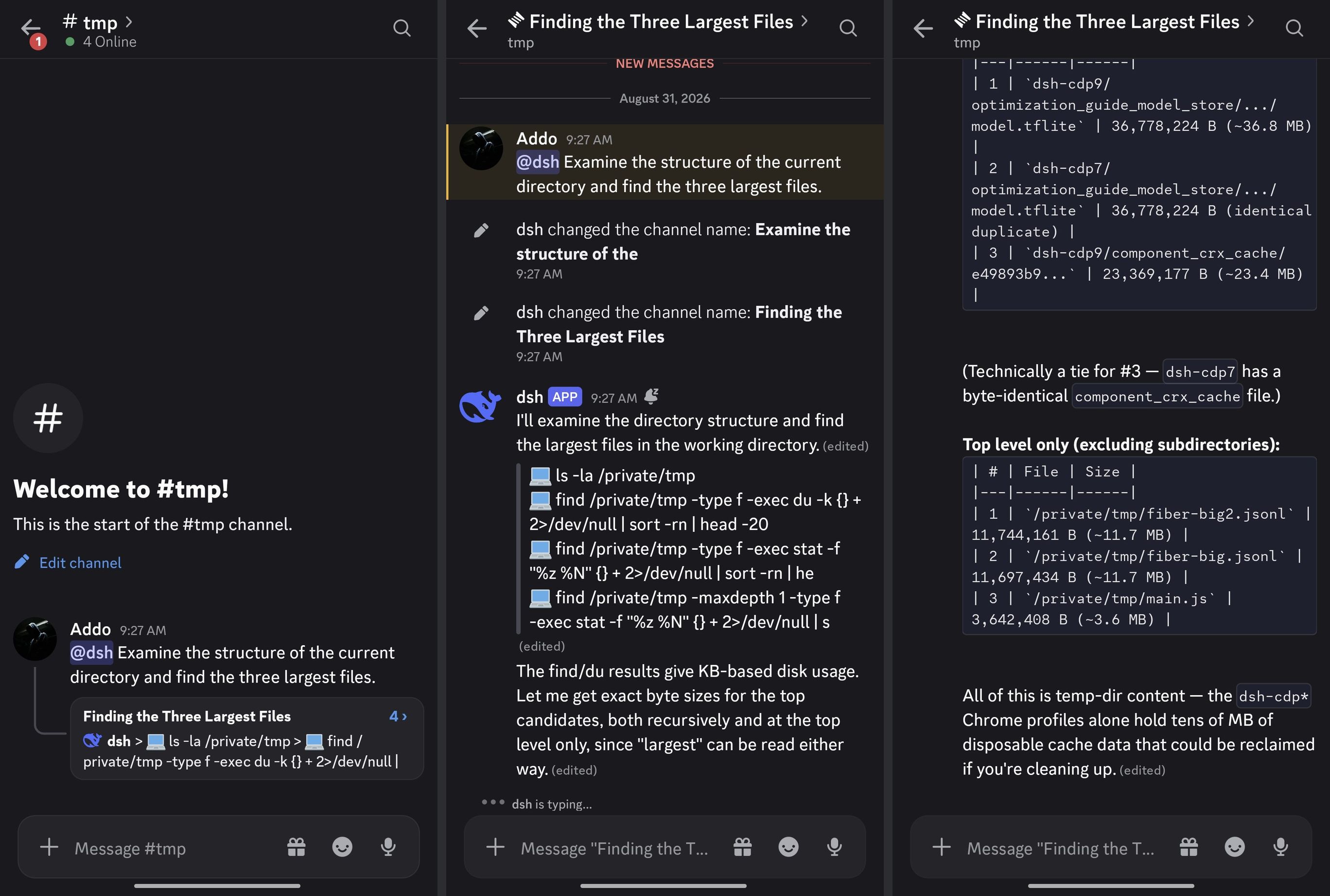
A Discord-native adapter for DeepSeek Harness: mention the bot to open a thread, stream answers in real time, and handle approvals via buttons — no extra process required.
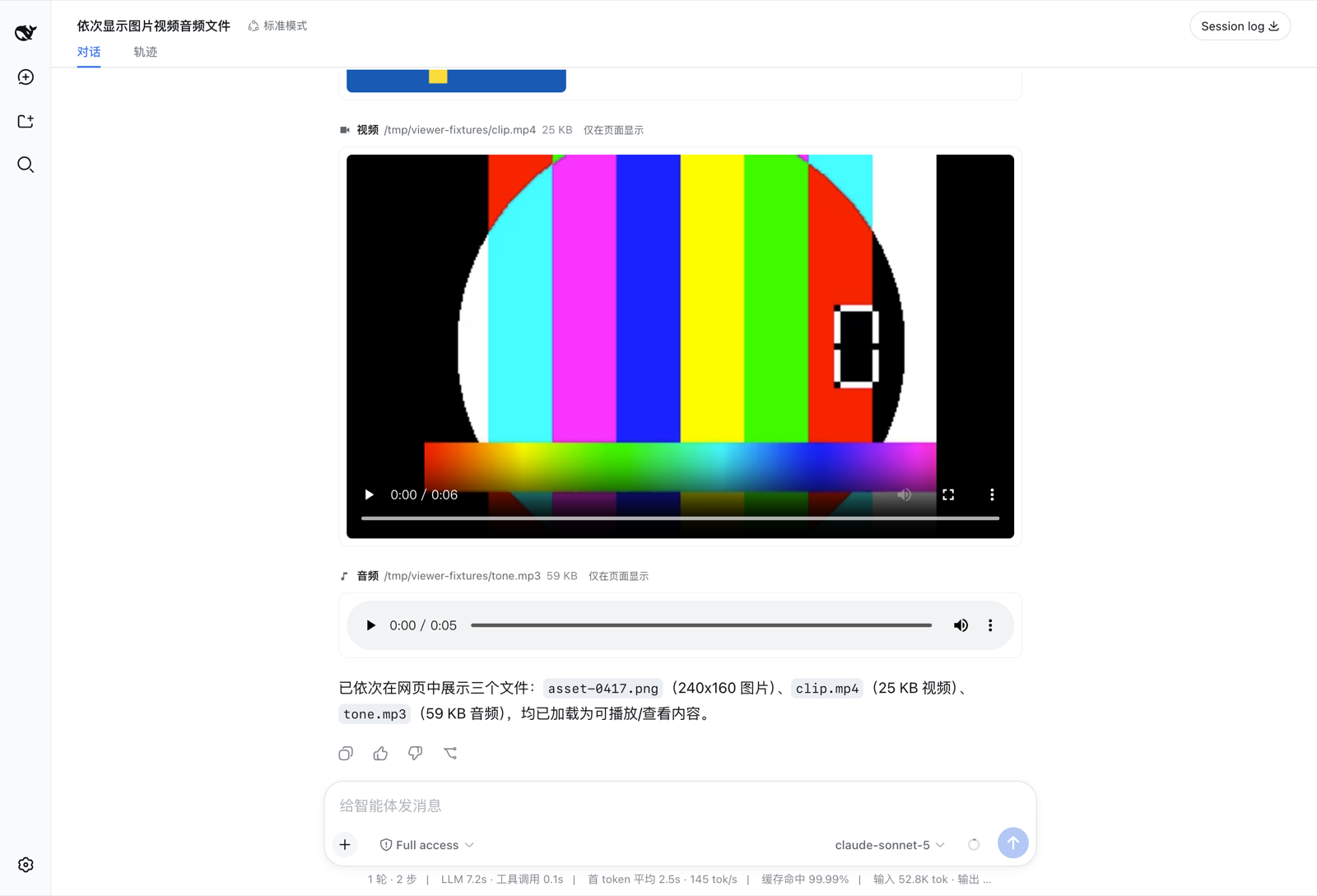
Renders images, video, audio, PDF, Office documents, and local web pages inline in the DeepSeek Harness web UI with real players across 36 file extensions.

A Codex-style message navigator for DeepSeek Harness Web UI, with hover previews, keyboard navigation, and one-click jump to any user message.
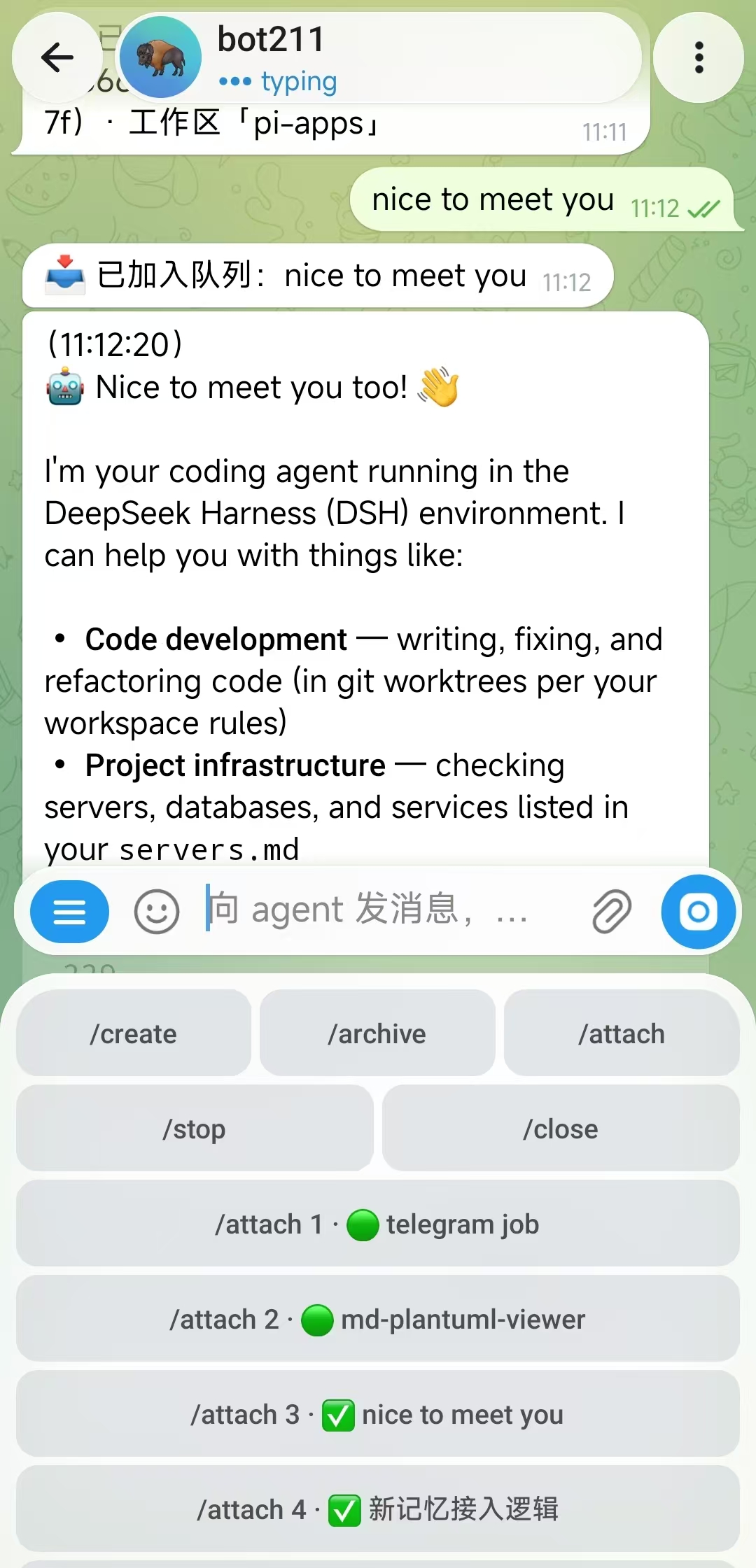
Remote-control DeepSeek Harness sessions via Telegram with live streaming, one-tap interactions, and whitelist-gated security.
A DSH JSON Schema validation tool plugin with a pure function validation kernel, supporting data validation, failure path listing, constraint explanation, and safe default application, with zero network and dynamic code execution.
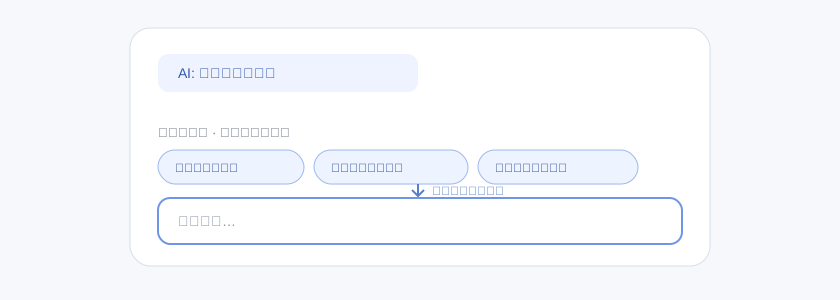
dsh-suggested-replies is a DSH Web plugin that generates predictive reply suggestions after AI responses, displayed above the chat input box. Clicking a suggestion fills the draft without sending.
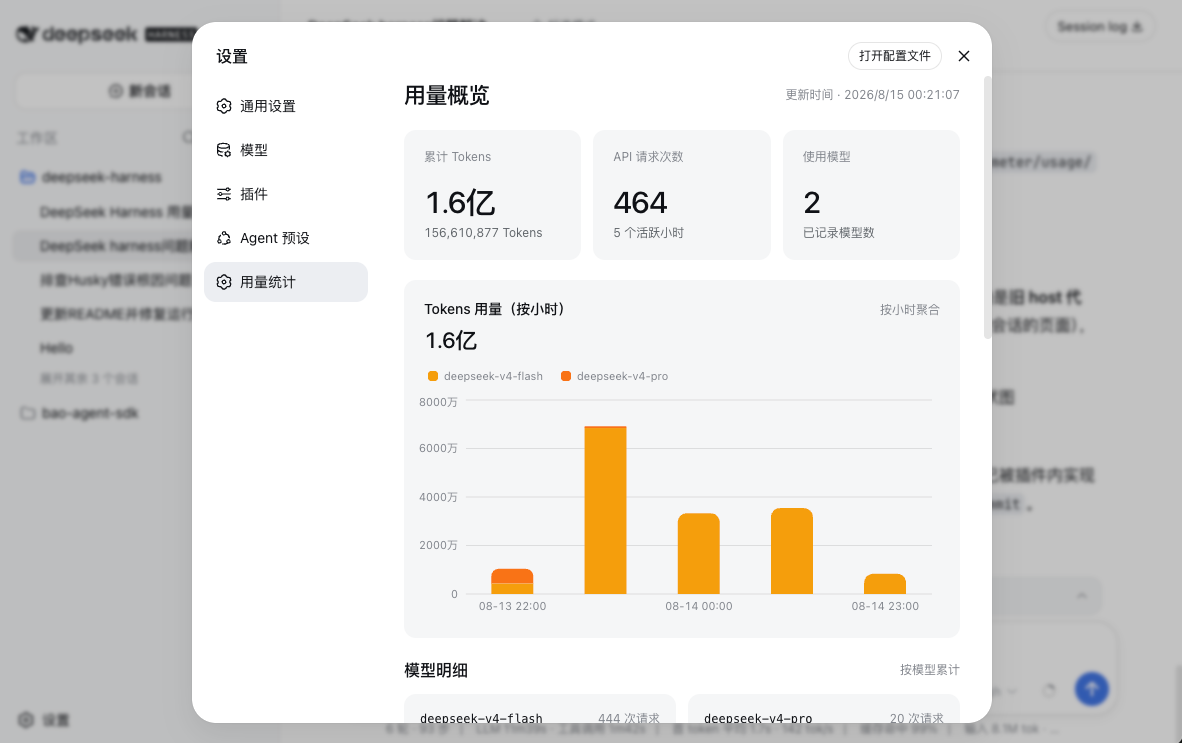
dsh-usage-meter is a DeepSeek Harness plugin that automatically records token usage for model calls, aggregates it by model and hour, and displays it as stacked bar charts in the Web GUI.
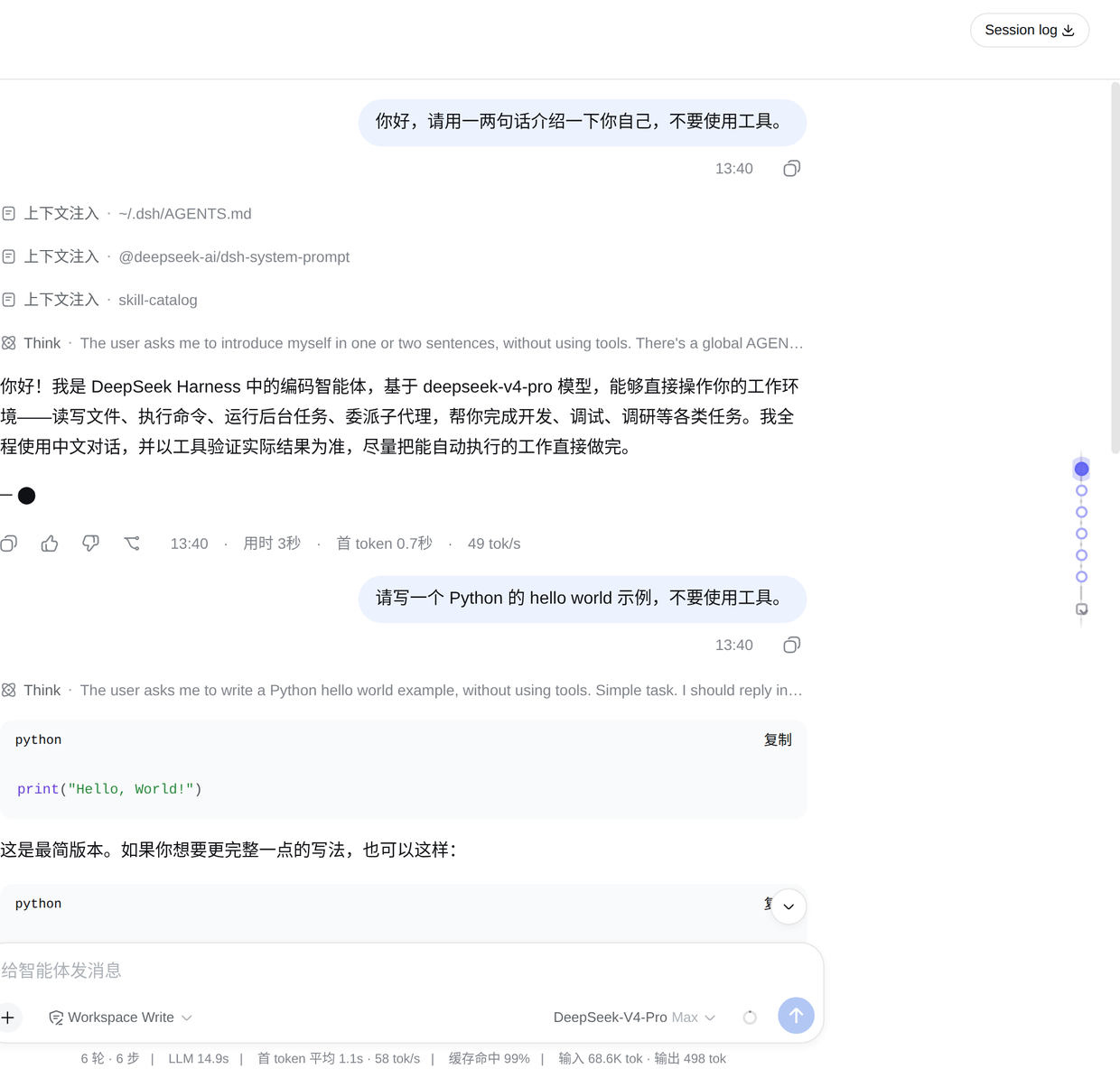
DSH client plugin that displays a message node rail on the right side of the chat area for navigation, preview, jump-to-message, and input history.
OMDSH Hub is a community extension catalog and profile generation manager for DeepSeek Harness, featuring transactional installation, recovery, and catalog browsing.
A negative-knowledge ledger for coding agents that records only disproven paths (failed commands, missing files, etc.) and automatically invalidates conclusions when evidence changes.