DeepSeek Harness Plugins · Client
Plugins that extend DeepSeek Harness (DSH) with vision, workflows, memory, web tools and more.
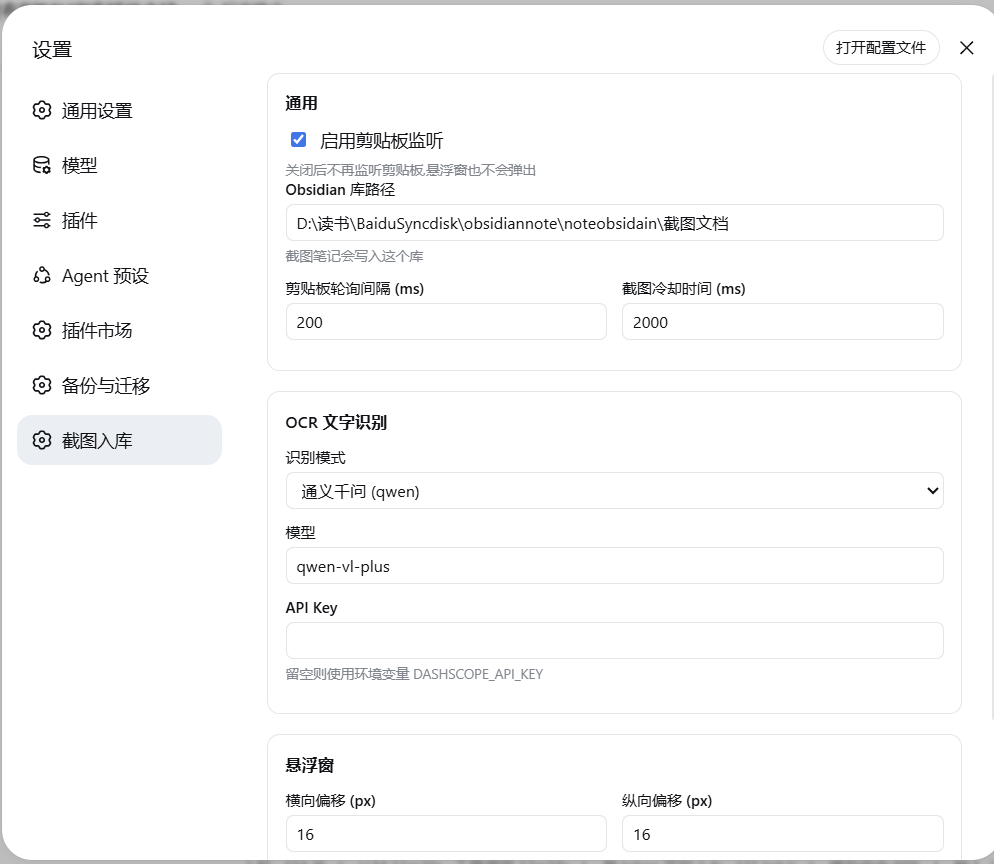
Catches clipboard screenshots, shows a floating window for notes and key-point tags, runs instant OCR via Tongyi Qianwen, writes into per-day Obsidian notes, and organizes via evening AI pass.
Add an undo button and side ruler to DSH conversations, letting you rewind to any earlier prompt and re-edit it via a fork while leaving the original session intact.
Touch-device comfort fixes for the DeepSeek Harness web client, addressing ghost tooltips, double-tap zoom, small touch targets, and narrow-screen layout collapse.
Embeds a live DeepSeek API balance readout and a graceful one-click shutdown button in the DSH sidebar footer, persisting all sessions before exiting.
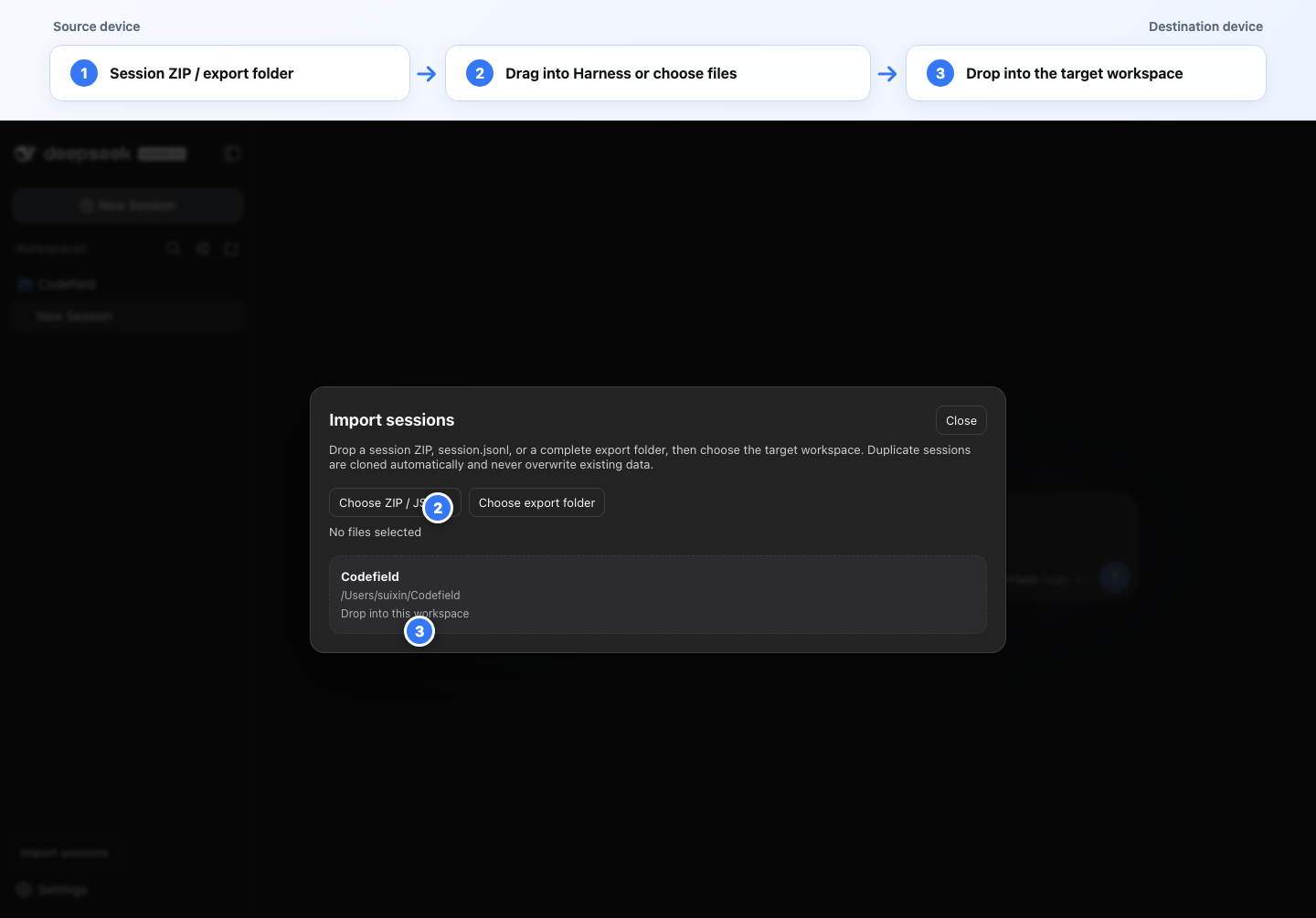
A visual cross-device session migration plugin for DeepSeek Harness that imports session ZIP, JSONL, or folder exports, remaps workspaces, restores full session trees, and migrates image attachments.
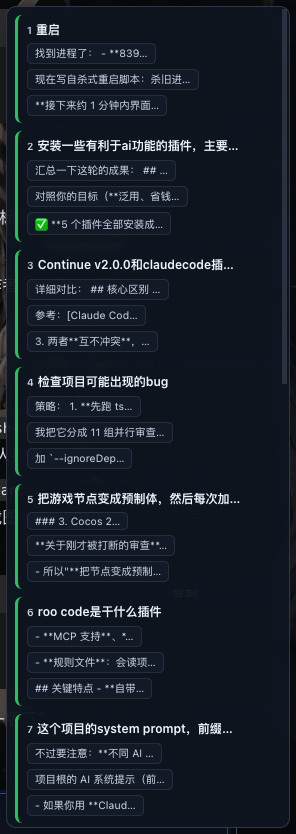
A minimal right-side chat rail for DSH that shows colored status nodes per turn, expands on hover, and enables quick jumping to questions or answer segments.

Adds a workspace file explorer to the DSH Web UI side panel, enabling file tree browsing, filtering, and in-browser text file previews.
A minimal terminal rescue TUI for when the WebUI is down, with session resume, permission inheritance, terminal approval, and model routing, zero core changes, plug and play.
Bridges DSH to Unity or Tuanjie Editor for scene building, C# scripting, compile debugging, Play Mode control, screenshots, and input simulation in a live debug loop.
DSH host plugin that raises Windows Toast notifications for task completion, user input, and approval requests, persisting in Notification Center. Windows-only.
Renders Markdown files as rich previews in the dsh-better-sidebar panel with syntax highlighting, TOC navigation, tables, and secure React-based rendering.
Adds an xterm-based browser terminal panel to the DeepSeek Harness Web UI with bounded scrollback and a provider registry; requires a compatible execution backend plugin.