DeepSeek Harness Plugins · Model Inference
Plugins that extend DeepSeek Harness (DSH) with vision, workflows, memory, web tools and more.
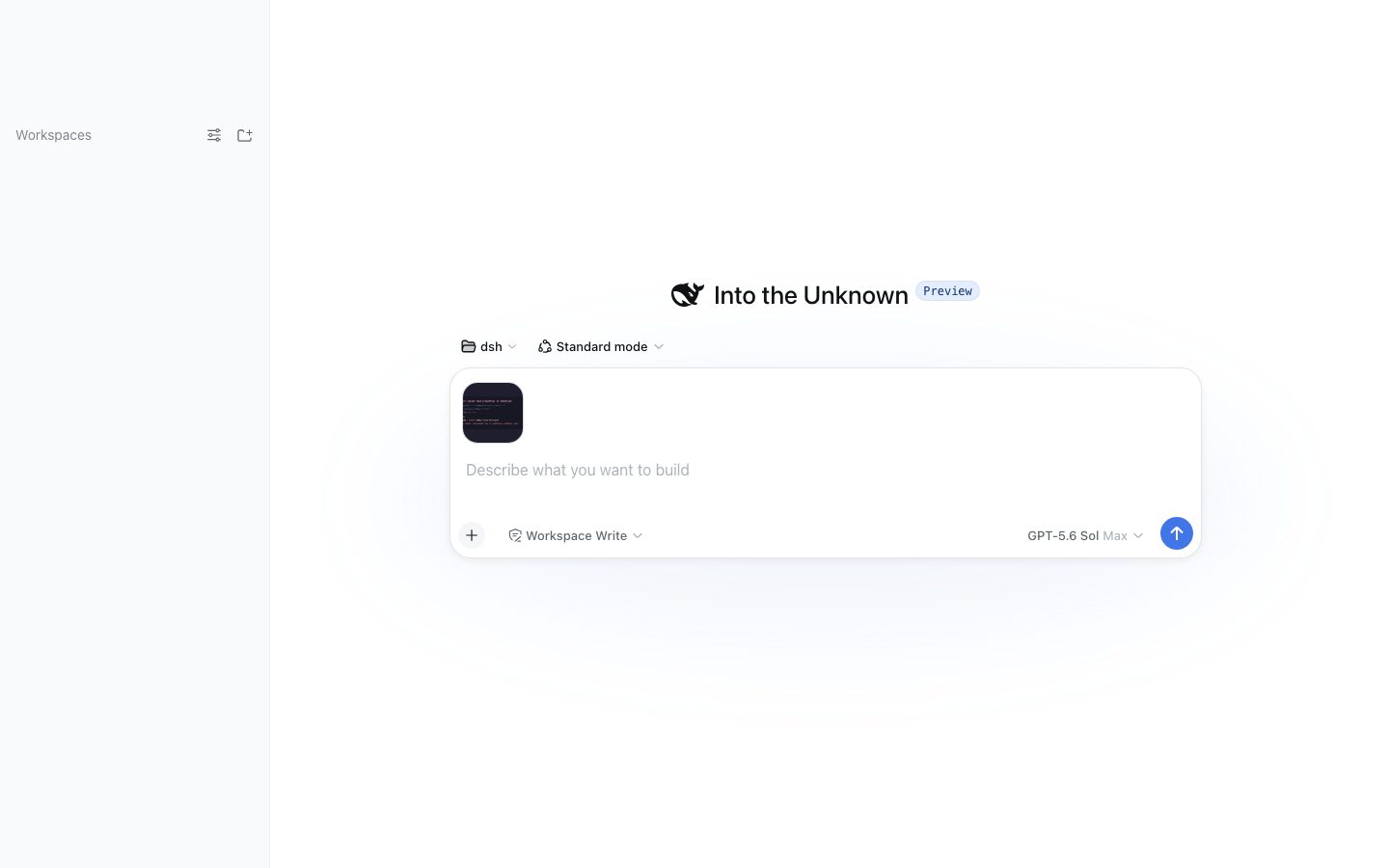
Delegates image reading to a one-shot subagent on a separate vision route, keeping large image context isolated from the main session while returning only text answers.
Windows-native subprocess runtime and two optimized Agent presets for DeepSeek Harness, eliminating process leaks and terminal stalls on Windows.
A deterministic, privacy-aware repository context-pack builder for DS that performs bounded read-only scans and injects results via agent.inject() for the next model step.
A natural-language conversation compaction plugin for DeepSeek Harness that lets you instruct the agent in plain language to compress or trim a session, built for 1M-token window models.
Parses Chinese natural-language relative time phrases (e.g. tomorrow 9am, 2 hours later) into ISO 8601 timestamps. Zero-dependency, pure ESM, fail-fast by design.
Install DSH plugins by pasting a GitHub link in the Web GUI, and manage installed plugins with one-click update, removal, toggle, and background auto-update.
Generate and edit images via the local Codex CLI with zero dependencies and no extra API key, supporting both text-to-image and image-editing modes.
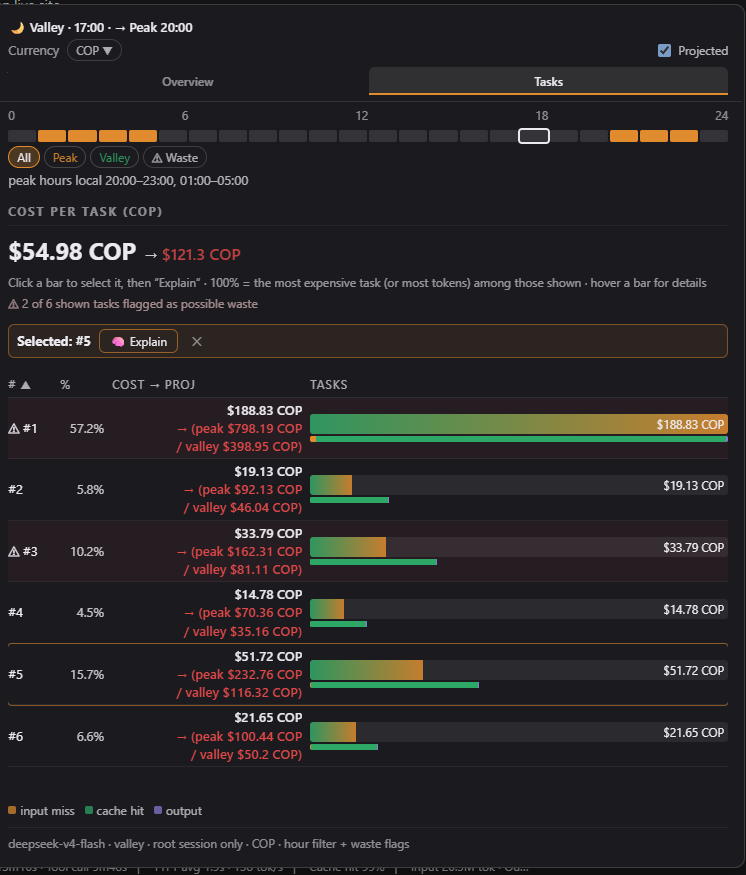
Real-time cost tracker that breaks down per-task token usage and spend, with peak/valley pricing, multi-currency support, and one-click explain.
Automatic provider failover for DSH: when rate-limit or quota errors occur, switch to the next provider with per-provider model mapping, cooldown, and a permanent fallback.
Progressive capability selection for DeepSeek Harness that dynamically exposes tools and skills based on mode and permissions, without a separate routing model.
Real-time token usage monitor for any LLM API with per-model and per-session breakdown, plus optional history log scanning; all data stays in memory only.
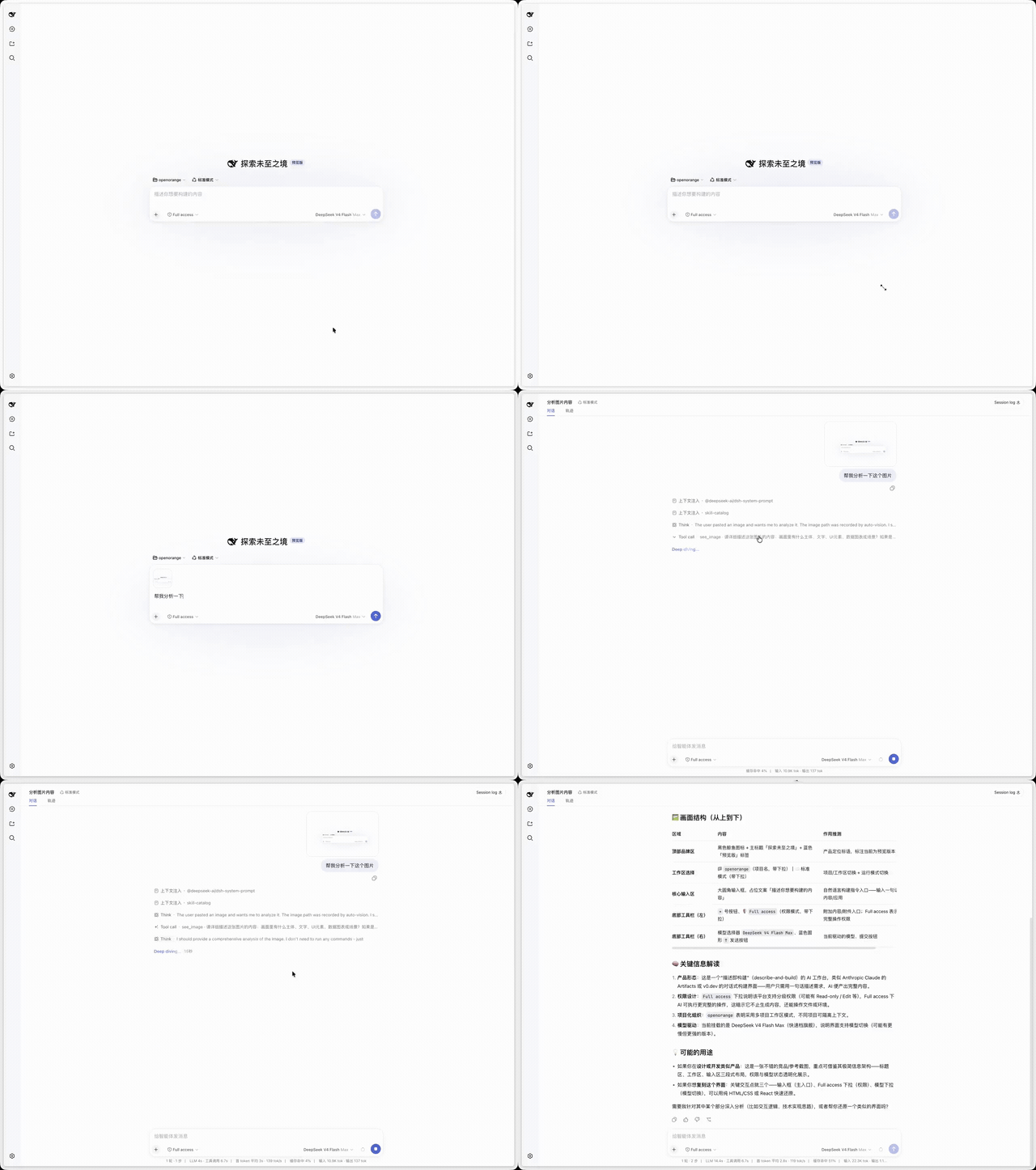
Paste images into chat without errors; the model auto-detects when visual reading is needed and calls a free vision model on Zhipu, ModelScope, or any OpenAI-compatible endpoint.