dsh-llm-failover
Run the following command in DeepSeek Harness:
dsh plugin install HB00/dsh-llm-failover
Paste the following prompt into your AI chat to install this plugin:
Run dsh plugin install HB00/dsh-llm-failover in your terminal to install; source code is available at https://github.com/HB00/dsh-llm-failover
About this plugin
Running multiple LLM providers in parallel brings a silent pain point: a sporadic 429 is tolerable, but a quota-exhausted backend that keeps dying makes your request pipeline stall, and you are left guessing which provider is still alive. dsh-llm-failover turns that into a transparent background action. When a provider hits the configurable threshold of consecutive rate-limit or quota errors, the plugin cools it down, promotes the next provider in your list, and drops a brief auto-dismissing notice above the input field so you never have to hunt through logs.
Three capabilities do the heavy lifting. First, per-provider model mapping lets each fallback speak a different model, so your primary path can use deepseek-chat while the backup quietly talks deepseek-reasoner. Second, a cooldown window (cooldownMs) keeps a freshly-failed provider out of rotation until it recovers, preventing a tight retry loop against an already-saturated endpoint. Third, the last entry in the provider list is a permanent catch-all that is never switched away from, guaranteeing the system always converges and never spin-loops.
If you are already juggling two or three API keys or relay services inside DeepSeek Harness and want rate-limit and quota hiccups to stop breaking your flow, this plugin wires the failover logic into the official agent waterfall with zero extra moving parts. Configure it once in the settings card, then keep coding while the machinery handles the rest.
Use Cases
- Multiple API keys in rotation and one runs out of quota mid-session
- A relay service keeps returning 429 and needs a cooldown window before retry
- Primary and backup paths use different models, and failover must switch to the mapped model
Best For
- DeepSeek Harness users who configure two or more LLM providers
- Developers relying on relay services that frequently hit rate limits
- Heavy AI-assisted coding users who want zero-downtime workflows without manual backend triage
Related Plugins
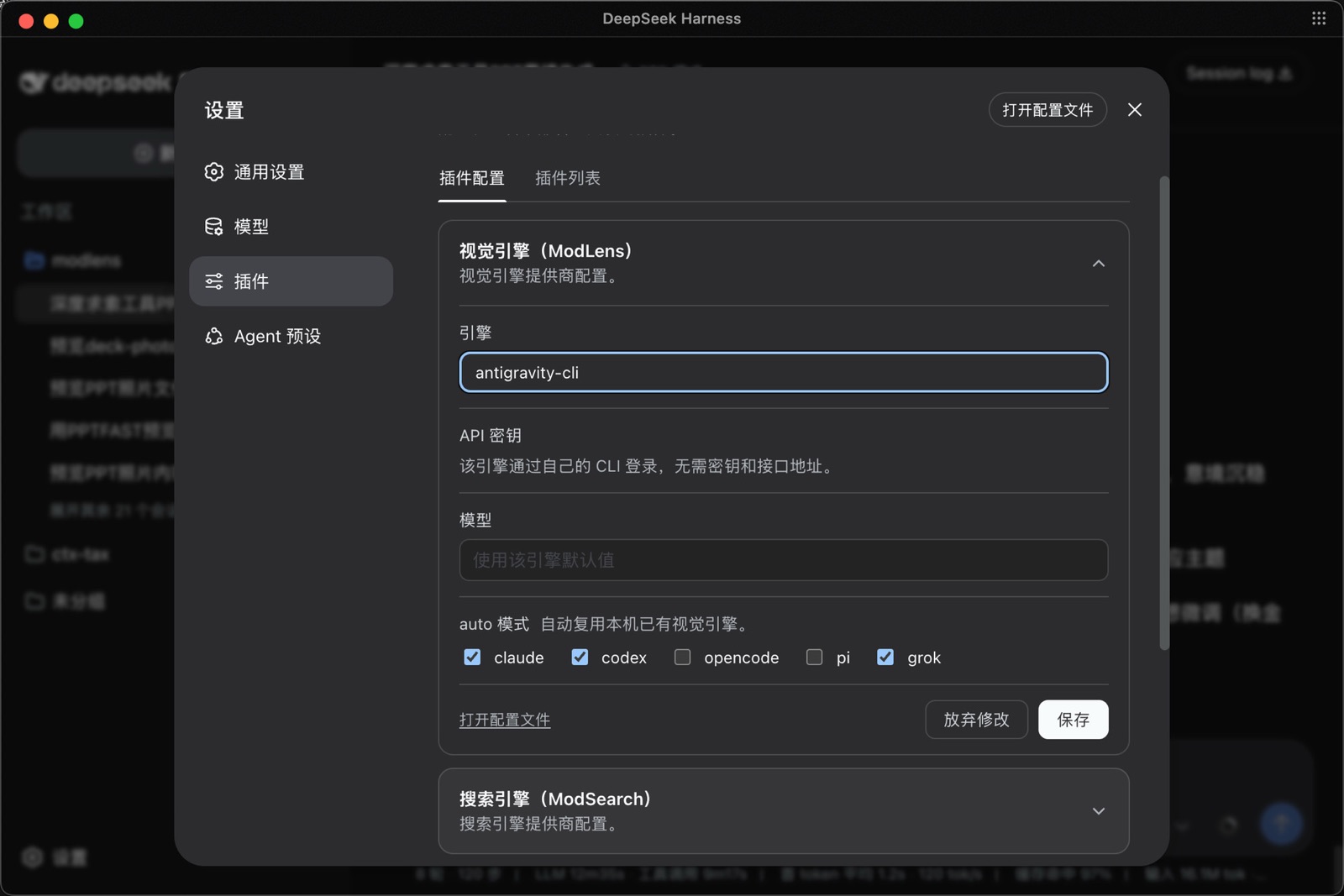
ModLens is a vision plugin for DeepSeek Harness that gives text-only models sight by reading images pasted directly into chat, with zero-config setup and multiple vision engines.
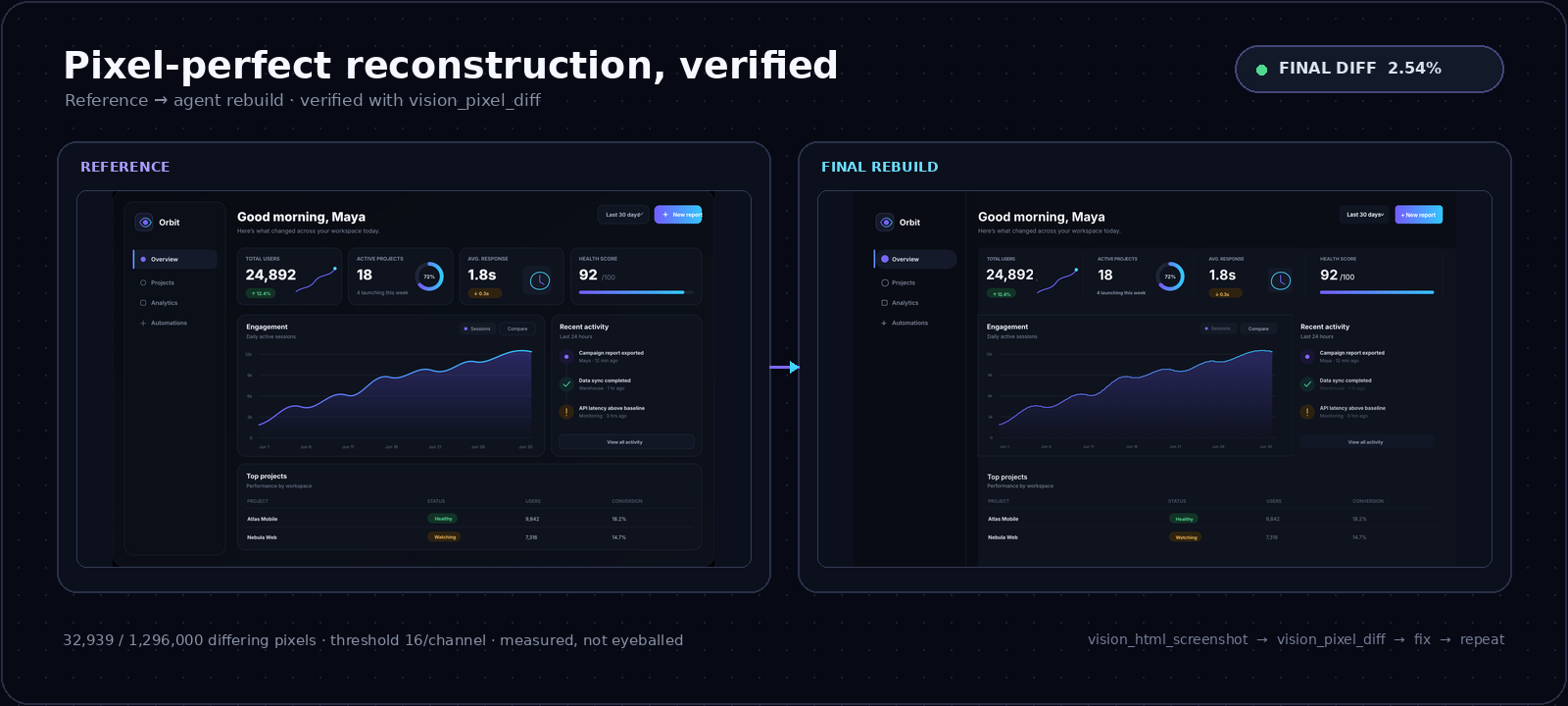
On-demand vision for text-only DeepSeek Harness agents: built-in free keyless vision chain and 14 vision tools, routing image turns as tool calls to vision models with pixel fidelity, no Python needed, one-command install.
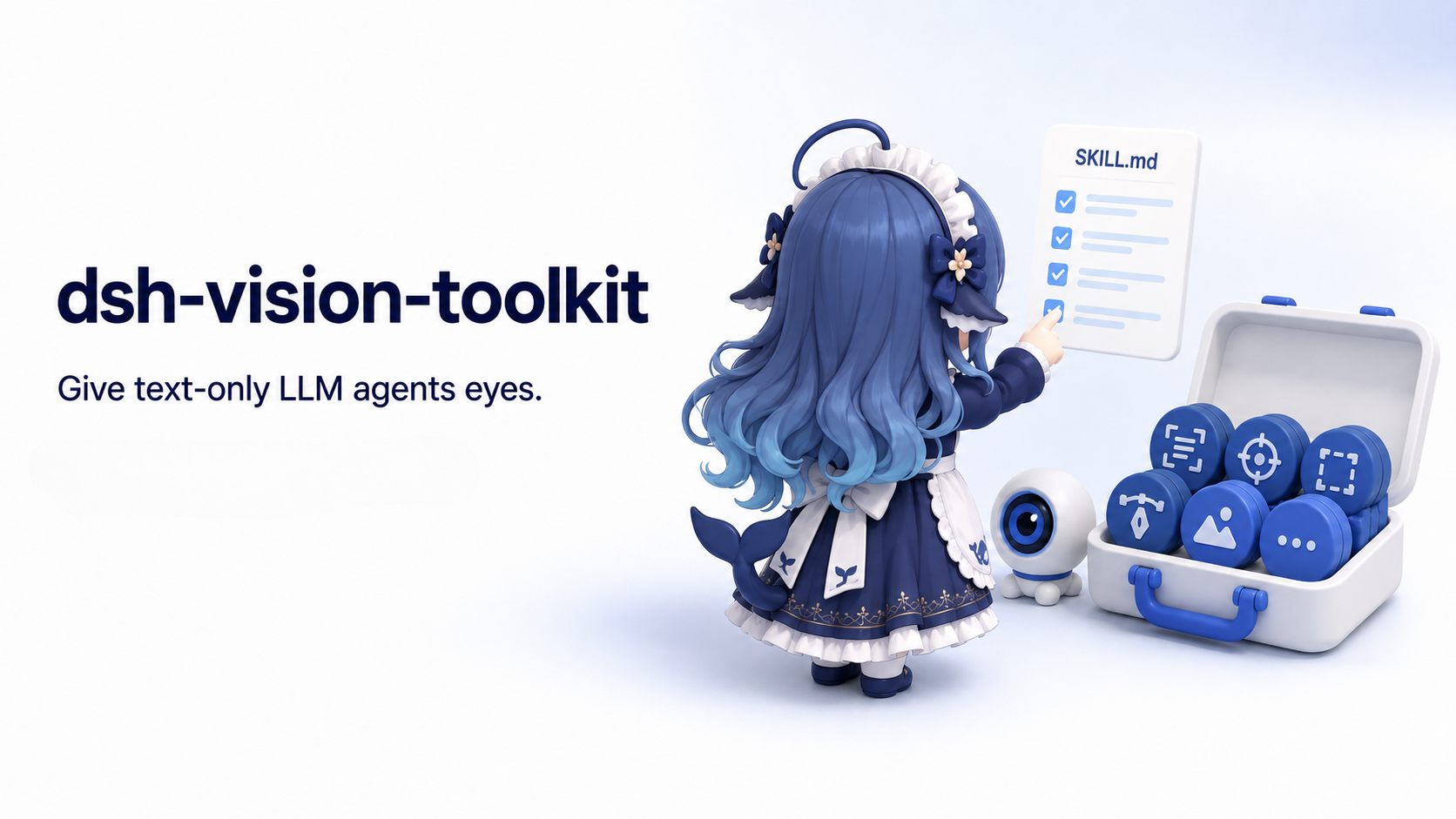
Give text-only models in DeepSeek Harness eyes, enabling image Q&A, long-screenshot OCR, UI restoration, and GUI visual tasks.
An armor-breaking plugin for DeepSeek: rewrites instruction priority, expands refusal-blocked phrases, persists across sessions, and shows a green active indicator.