dsh-iris
Run the following command in DeepSeek Harness:
dsh plugin install RangeKing/dsh-iris
Paste the following prompt into your AI chat to install this plugin:
Run dsh plugin install RangeKing/dsh-iris inside DeepSeek Harness to install the plugin; the source repository is available at https://github.com/RangeKing/dsh-iris
About this plugin
Tools, Skills, and MCP servers pile up inside DeepSeek Harness, and a model staring at a wall of capability cards tends to lose its way. The usual fixes add a routing model for secondary dispatch or preload every Provider at the metadata stage, both of which inflate permissions and cold-start cost. dsh-iris turns capability exposure into a progressive gate: the current model reads short descriptions, picks one capability, and then follows native loading and execution in DSH. No extra routing model, no GPT-6 API dependency.
Small catalogs surface capabilities as budgeted cards directly; larger ones keep an iris_search long-tail search available. Native tools, already-mounted Skills, and MCP servers continue on their own routes without redundant activation through Iris. Metadata reads never import Providers, load Skill bodies, or connect MCP servers, and description text carries no permissions. Four modes-Minimal, Standard, Code, and Cordis-each respect their own boundary while preserving the native persona and the host approval chain.
Built for developers who have wired multiple tool families or MCP servers into DeepSeek Harness and want the model to select the right capability on demand, without adding a routing layer or a second Skill/MCP runtime. Iris does not install community plugins and does not proxy business calls; it does one thing: put the right capability in front of the model at the right moment.
Use Cases
- Managing a large MCP server inventory in Harness with on-demand selection instead of eager loading
- Coexisting Skills and local Providers requiring unified card budget and search fallback
- Code/PTC mode where a running SDK program expects newly activated capabilities to wait for the next host step
Best For
- Developers wiring multiple tool families and MCP servers into DeepSeek Harness
- Teams that want to avoid extra routing models or a second Skill/MCP runtime
- Agent architects focused on least-privilege design and zero side effects at the metadata stage
Related Plugins
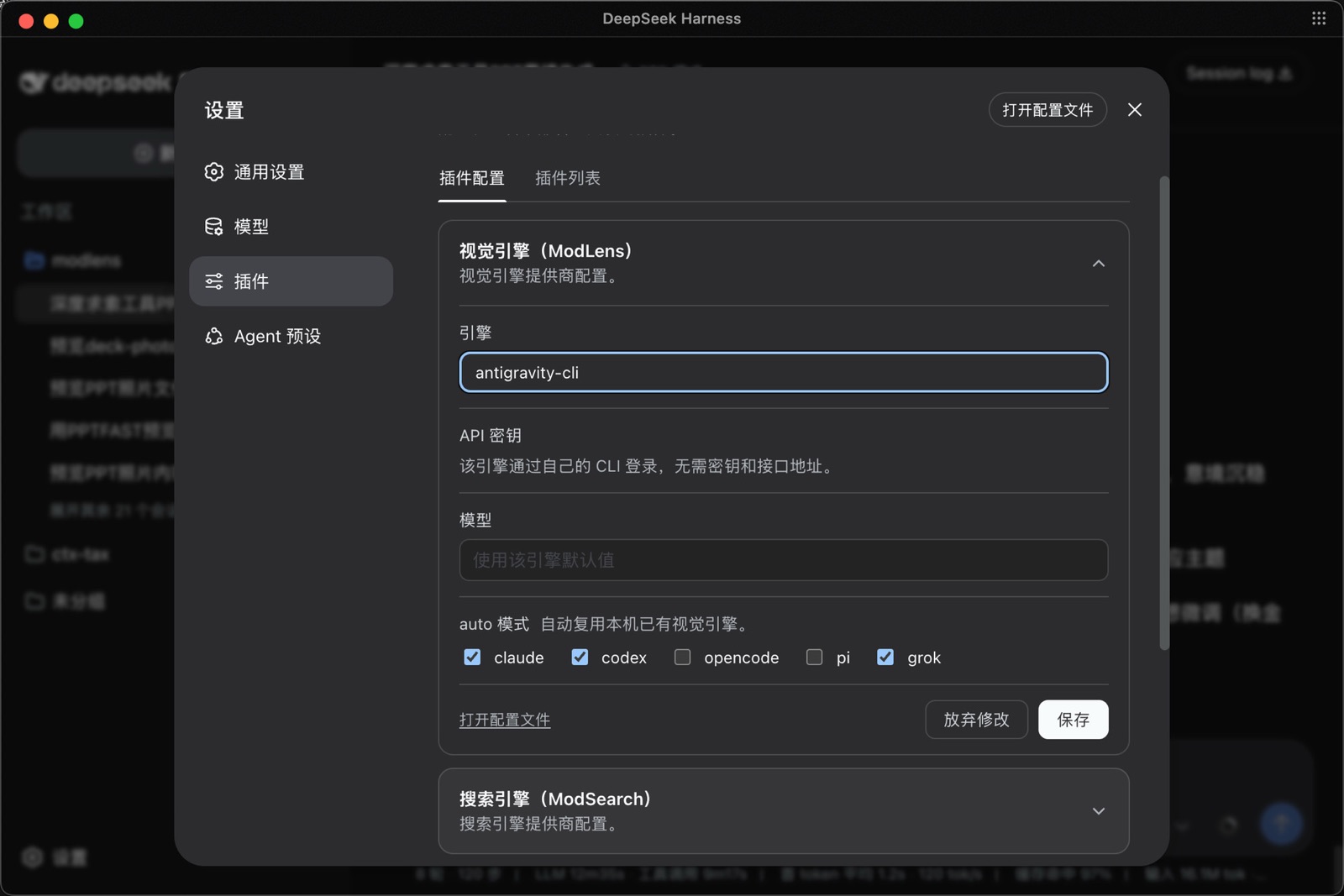
ModLens is a vision plugin for DeepSeek Harness that gives text-only models sight by reading images pasted directly into chat, with zero-config setup and multiple vision engines.
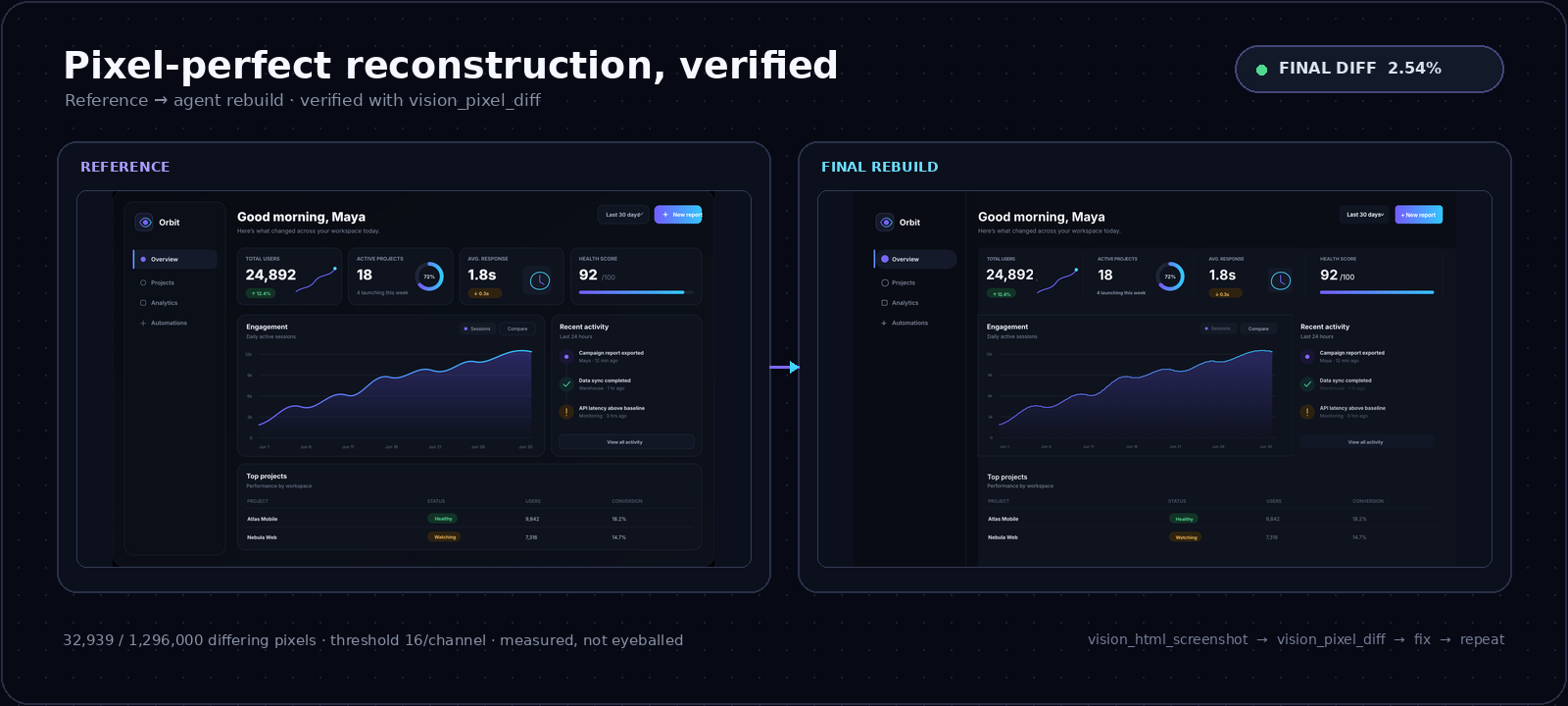
On-demand vision for text-only DeepSeek Harness agents: built-in free keyless vision chain and 14 vision tools, routing image turns as tool calls to vision models with pixel fidelity, no Python needed, one-command install.
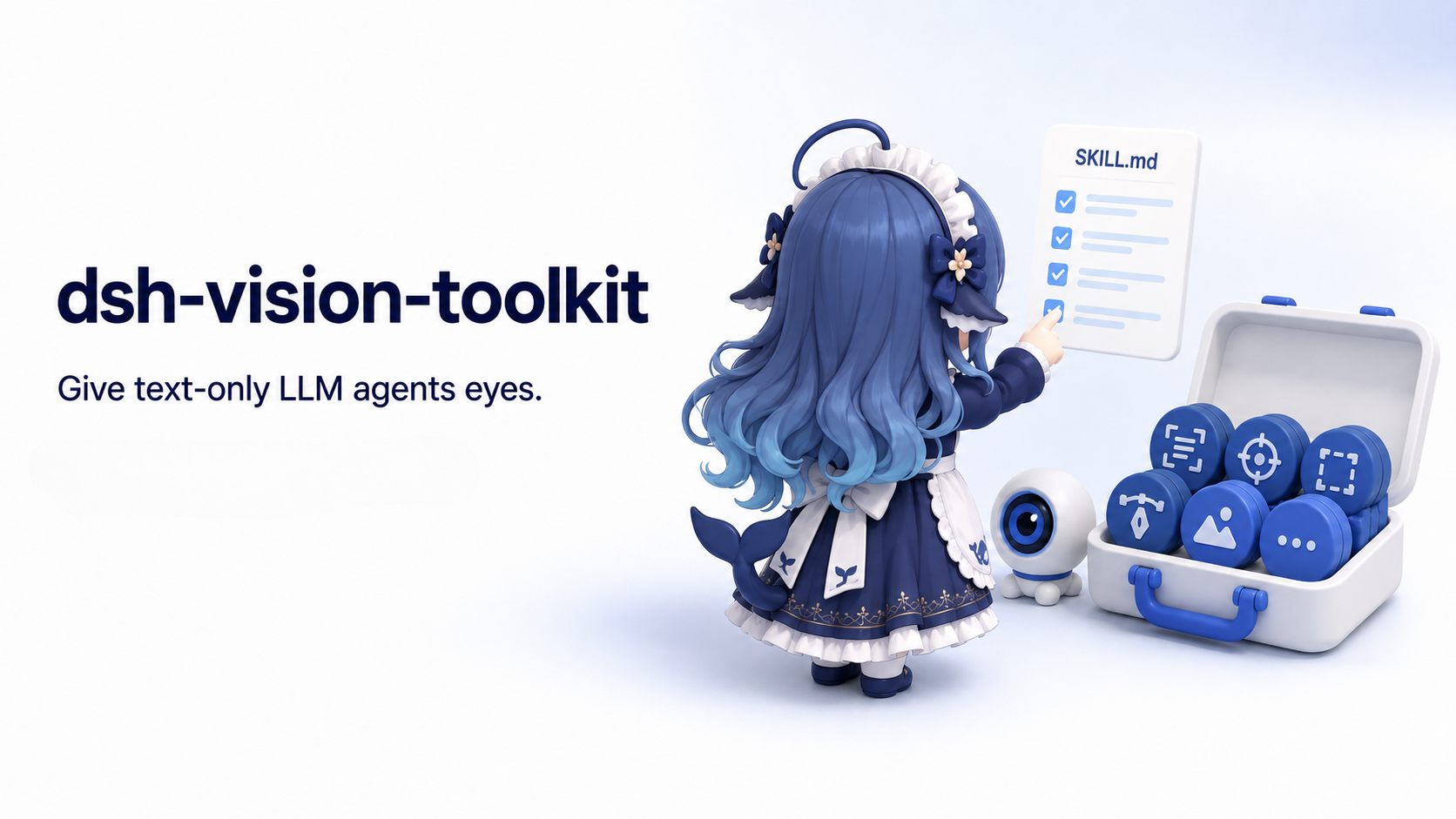
Give text-only models in DeepSeek Harness eyes, enabling image Q&A, long-screenshot OCR, UI restoration, and GUI visual tasks.
An armor-breaking plugin for DeepSeek: rewrites instruction priority, expands refusal-blocked phrases, persists across sessions, and shows a green active indicator.