DeepSeek Harness Plugins · Model Inference
Plugins that extend DeepSeek Harness (DSH) with vision, workflows, memory, web tools and more.
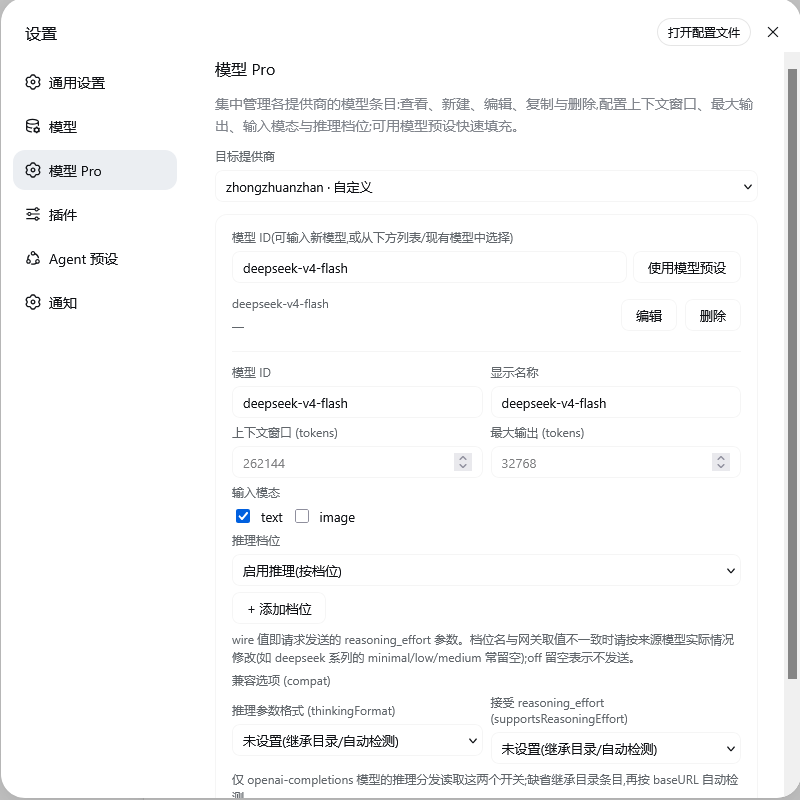
Centrally view, create, edit, duplicate, and delete provider model entries on the Model Pro page, configuring context window, max output, modalities, reasoning levels, and compatibility switches.
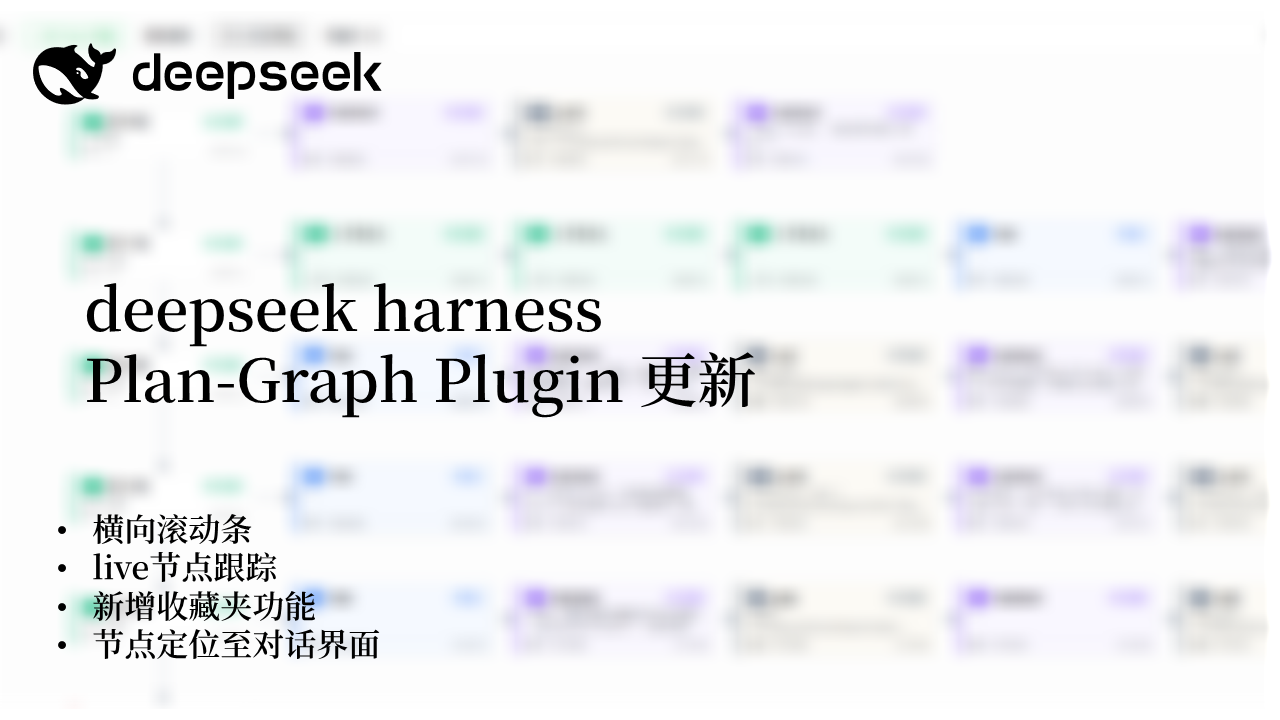
Adds an interactive flow graph of session tool calls and messages, with node favorites, context menus, and locate-in-conversation.

Automatically translates image attachments for plain-text DeepSeek routes so conversations still use DeepSeek, with local or OpenAI-compatible vision model support.
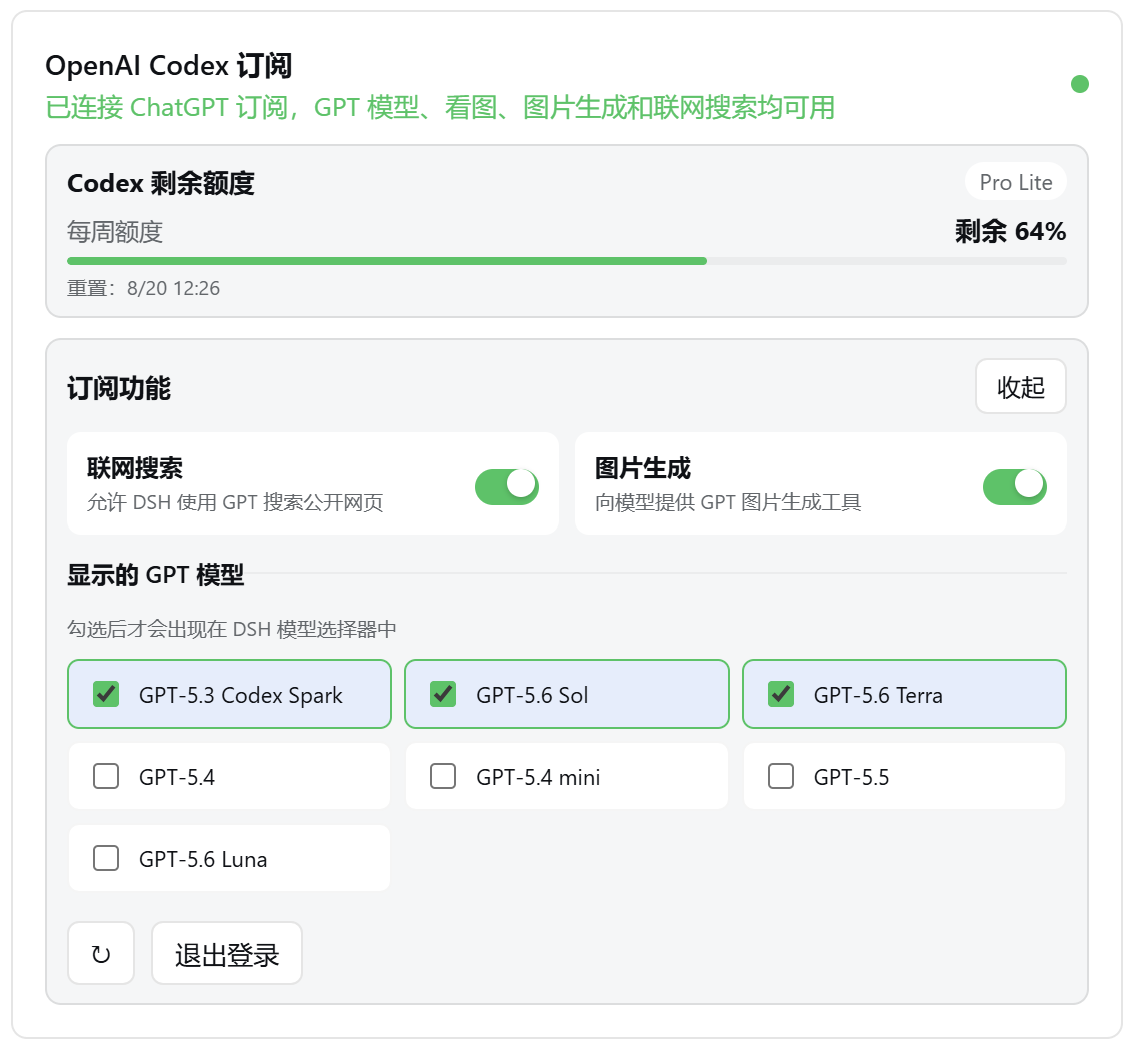
Sign in with your ChatGPT or Codex subscription to use GPT models, image generation, and web search in DeepSeek Harness, with quota reporting.
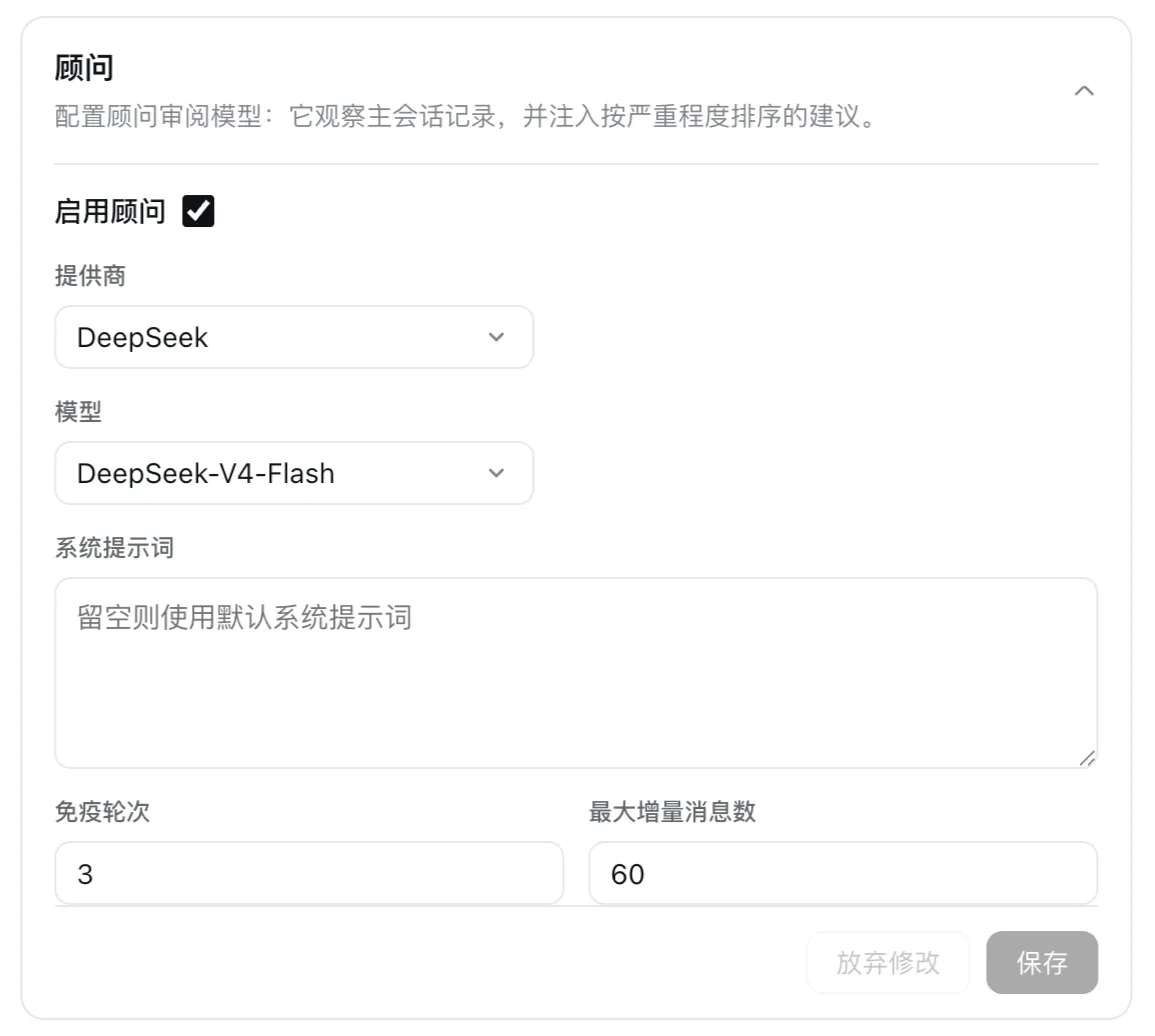
A standalone DSH plugin that gives each session an independent reviewer model to observe the primary transcript and inject severity-ranked advisory feedback without interfering with the primary loop.
Injects a mandatory Simplified Chinese reasoning directive so the model always thinks in Chinese while replying in the user's language and keeping code unchanged.
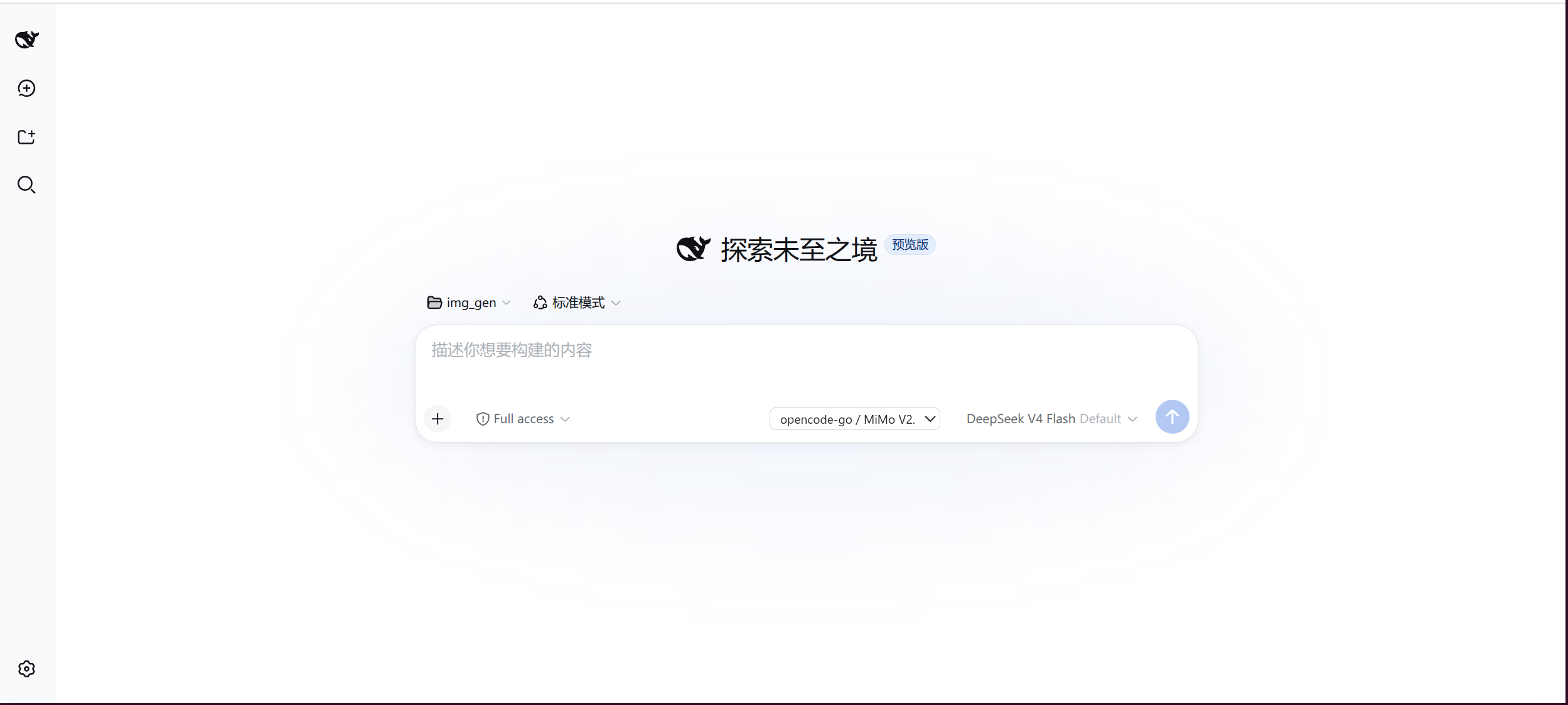
Add a configurable vision model to text-only main models, converting chat images to text for replies and supporting OCR, charts, and screenshots.

Offline local document intelligence for PDFs, Office files, and scanned images, converting them to Markdown, plain text, or JSON without Docker or API keys.

oh-my-dsh is a curated DeepSeek Harness distribution that provides an opinionated coding environment with LSP navigation, lazy MCP activation, and approval-gated skills.
A DeepSeek Harness bundle plugin that upgrades built-in search and fetch with fused multi-engine search, X search, focused fetching, deep research, and parallel research.
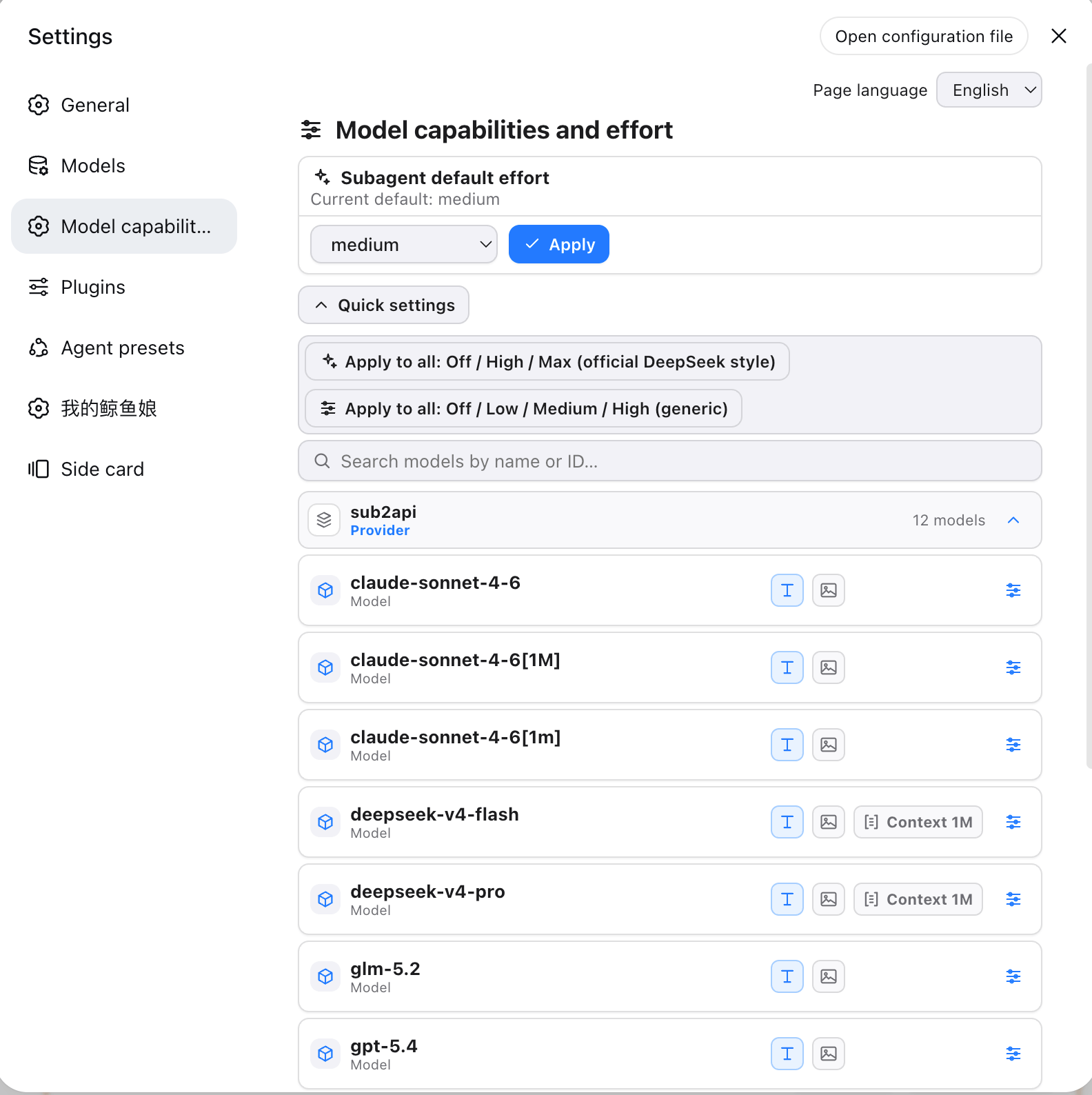
Adds configurable reasoning effort levels to hand-declared llm-pi-ai models and sets a default reasoning effort for subagents.
Layered token optimization pipeline for DSH: text-to-image summarization, tool output compression, file diff folding, lazy tool loading, and session compaction to reduce token cost beyond built-in capabilities.