DeepSeek Harness Plugins
Plugins that extend DeepSeek Harness (DSH) with vision, workflows, memory, web tools and more.
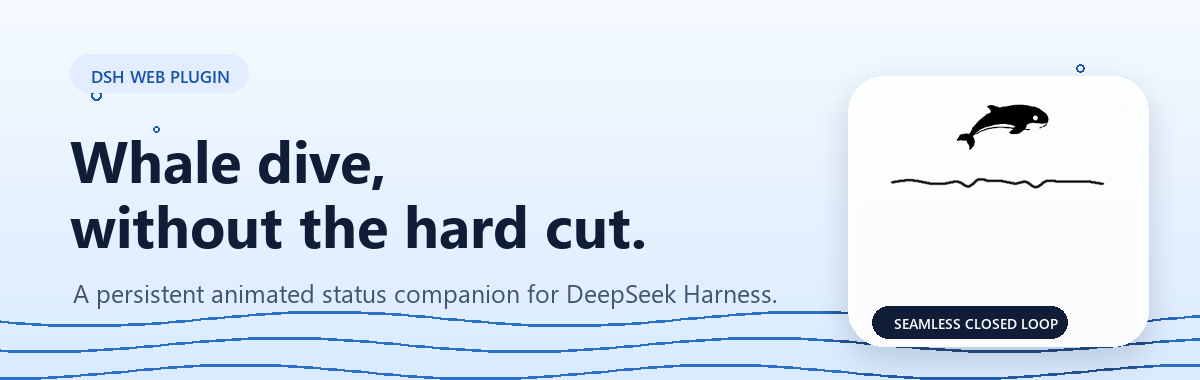
Provides six original whale animation states for the DeepSeek Harness Web turn status, supporting timed rotation and keyword overrides.
A DeepSeek Harness plugin that makes the model an author before writing by reading theories and thinking, generating natural human-like text.
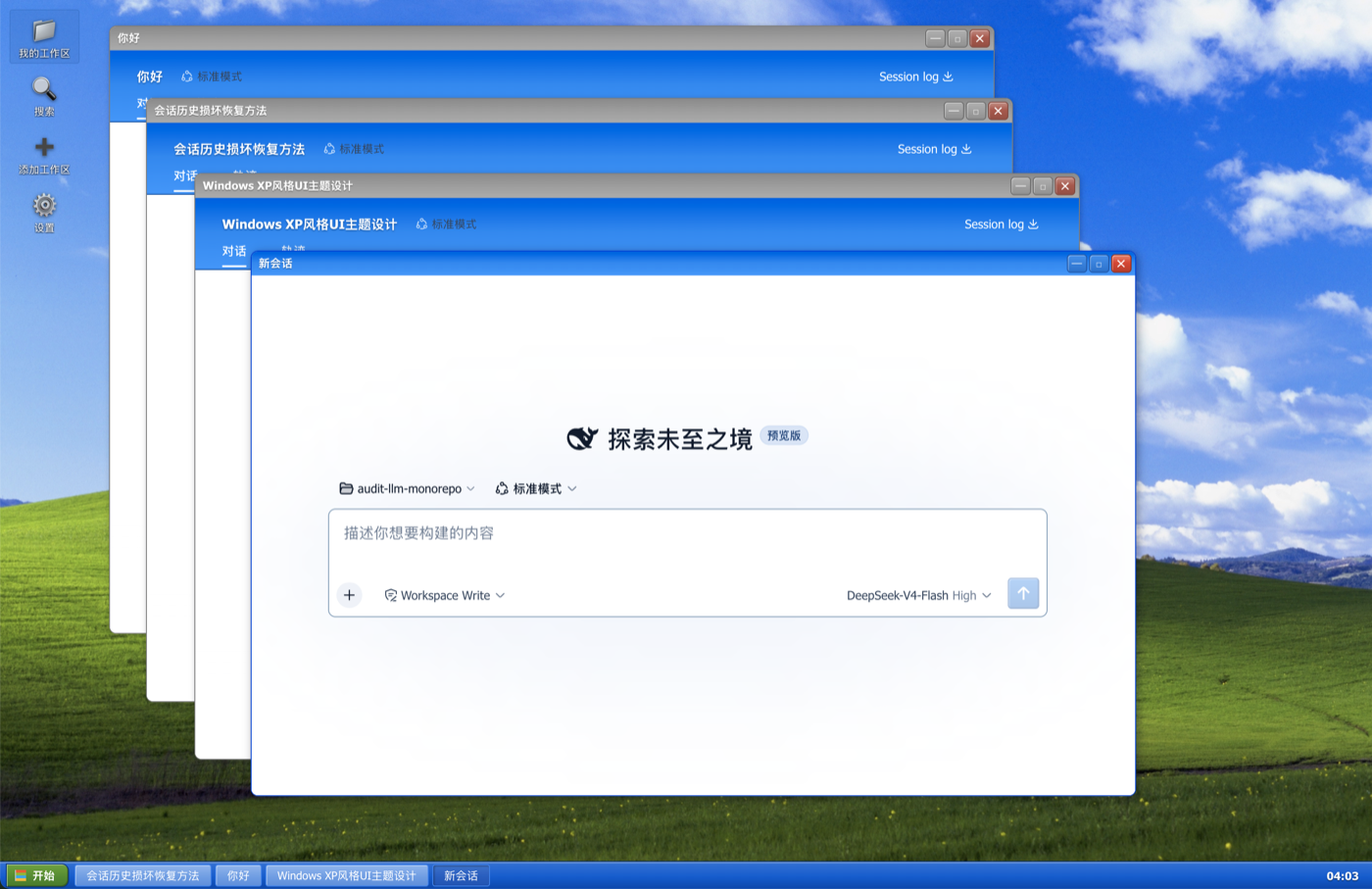
This plugin transforms DeepSeek Harness Web GUI into a Windows XP (Luna) desktop environment with classic elements like Bliss wallpaper, floating windows, and a taskbar.
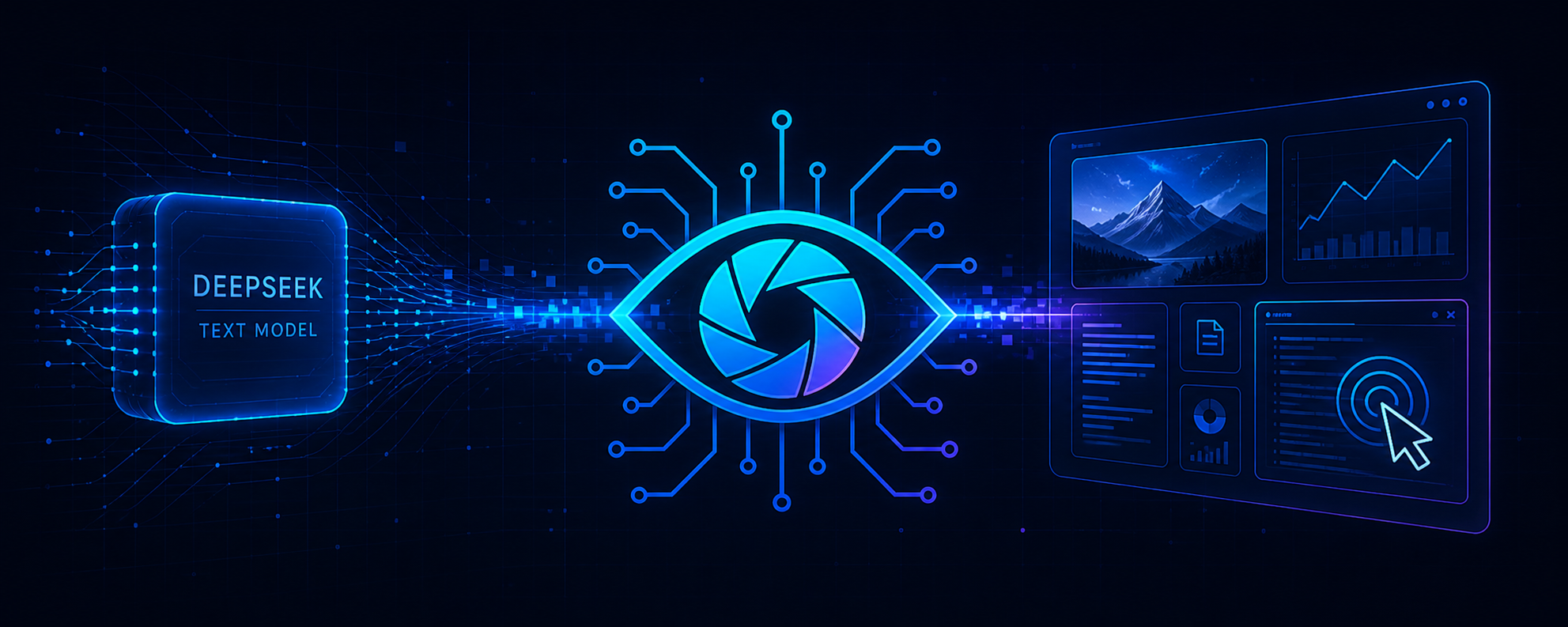
DeepSeekEyes is an auditable vision, MCP, and cross-platform Computer Use runtime for DeepSeek Harness, enabling DeepSeek to process images and control applications directly within conversations.
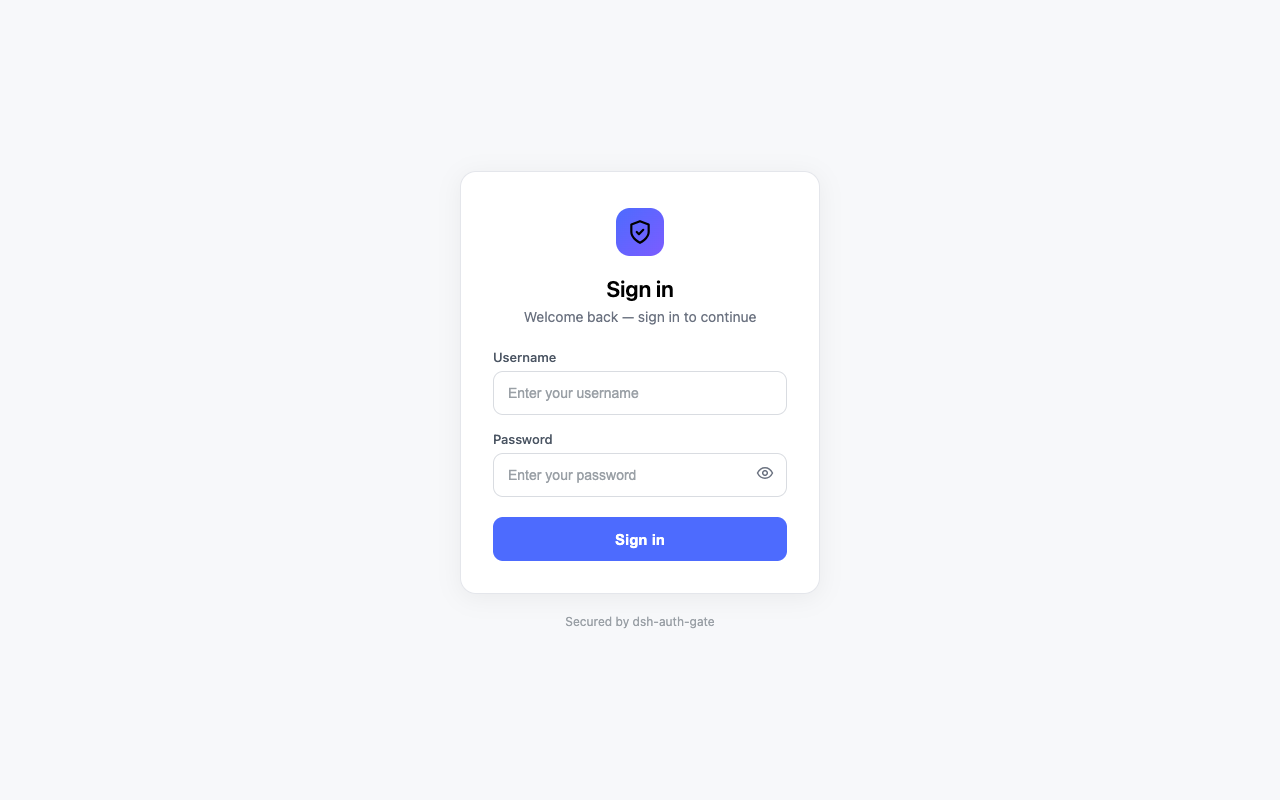
A login gateway for DeepSeek Harness web instances, securing all access with password or token authentication to protect agents, sessions, and credentials.
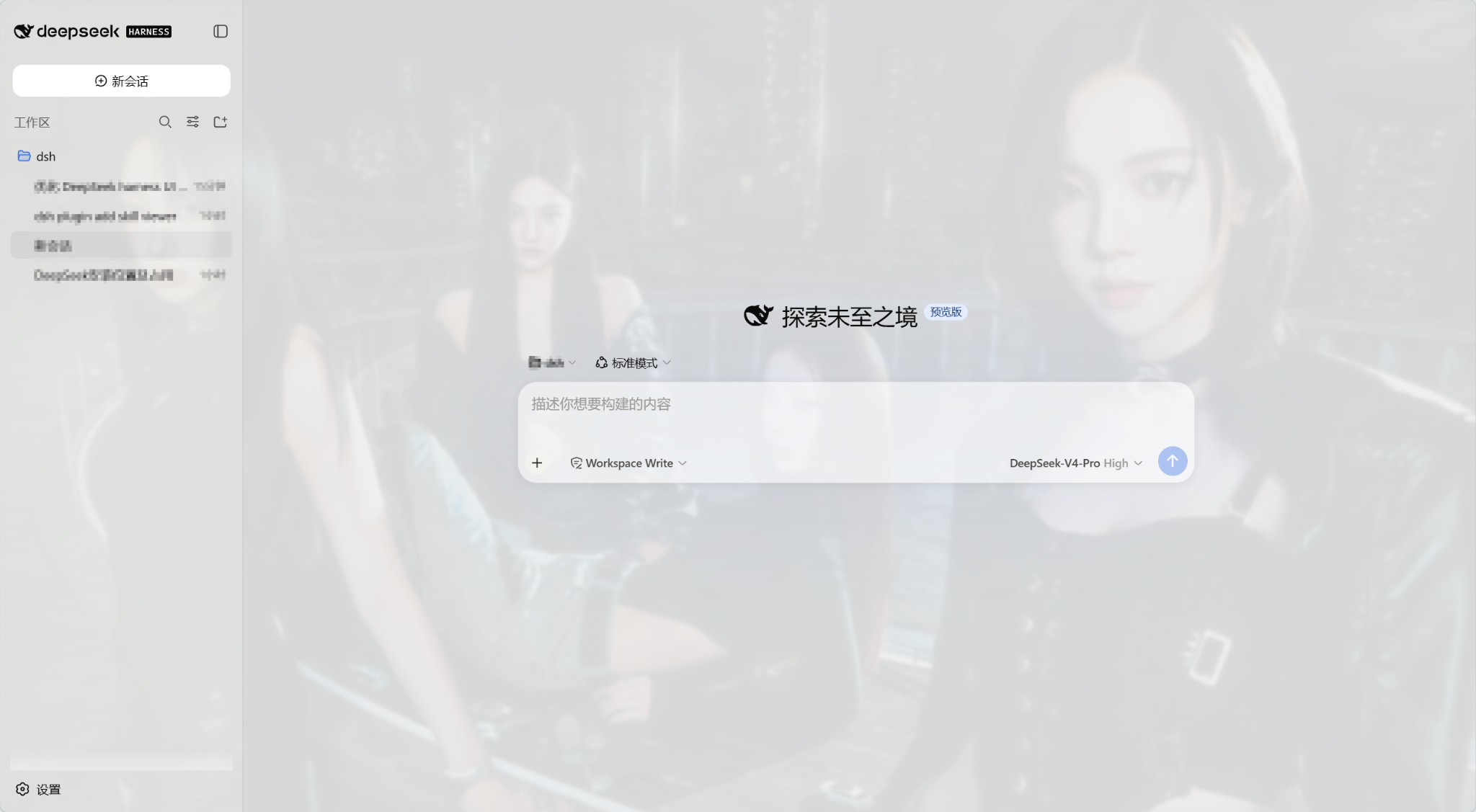
A third-party interface enhancement plugin for DeepSeek Harness WebUI, offering UI customization, prompt presets, token/context viewing, and manual compact.
Archived sessions manager plugin for DeepSeek Harness Web, enabling viewing, releasing, and deleting archived sessions with batch operations and safety confirmations.
The dsh-client-masquerade plugin enables custom models in DeepSeek Harness to masquerade as Claude Code or Codex clients, bypassing gateway identity checks.
A workflow plugin that enables DeepSeek Harness to access isolated, persistent Linux environments (Sprites) via the hosted MCP server for automated builds, tests, experiments, and long-running services.
dsh-tier-router provides tiered model routing for DeepSeek Harness, automatically routing planning and review tasks to a strong model and implementation tasks to a cheap model, with failure auto-escalation.

dsh-speak provides voice announcements for AI coding harnesses, alerting you when long tasks are done with natural voice support and automatic reply announcements.
A DeepSeek Harness plugin that lets text-only models process attached images by locally OCR-ing them with the Windows engine and only sending the recognized text to the API, with privacy by default.