DeepSeek Harness Plugins · Memory
Plugins that extend DeepSeek Harness (DSH) with vision, workflows, memory, web tools and more.
A cross-session memory plugin for DeepSeek Harness that gives AI agents persistent memory, automatic extraction, recall, and global Soul identity with context explosion prevention.
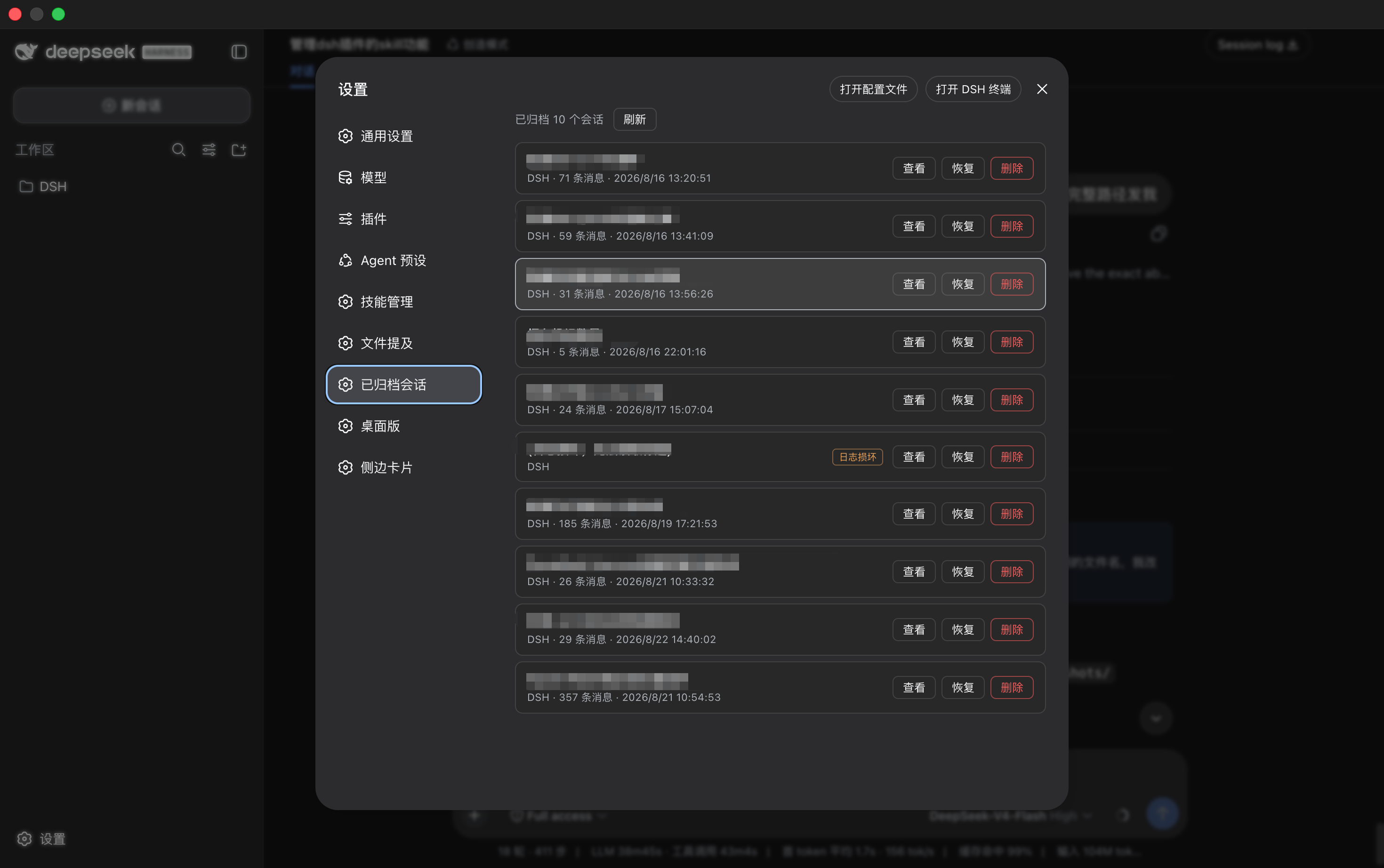
View, restore, and delete archived sessions in DSH; manage the archive list in settings, read full conversations, and restore sessions to the active sidebar with one click.
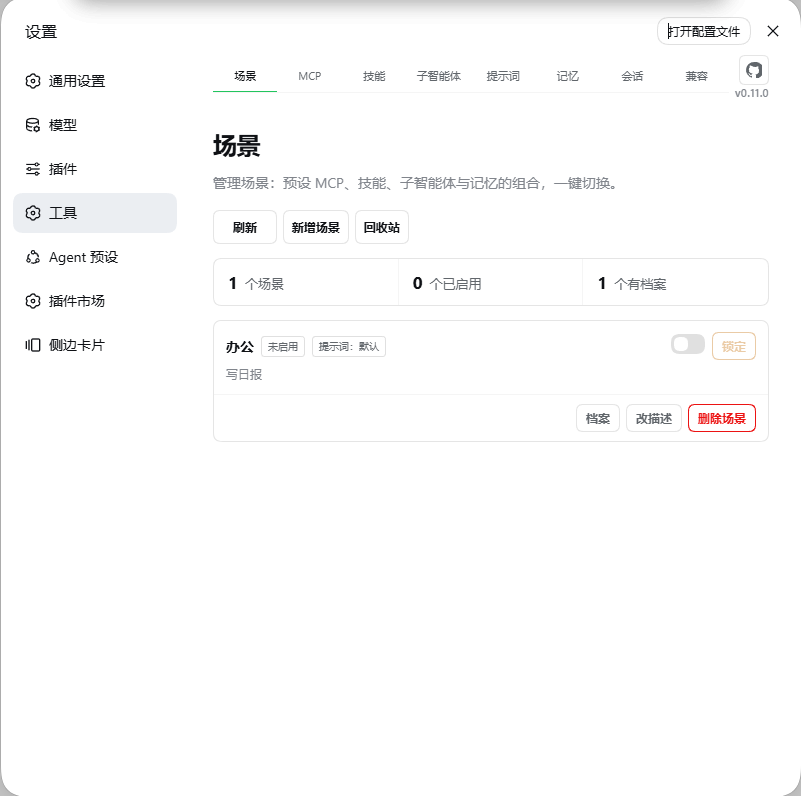
An all-in-one management plugin for DeepSeek Harness covering MCP servers, skills, scenes, memory, subagents, prompts, and archived sessions with one-click scene switching and auto context injection.
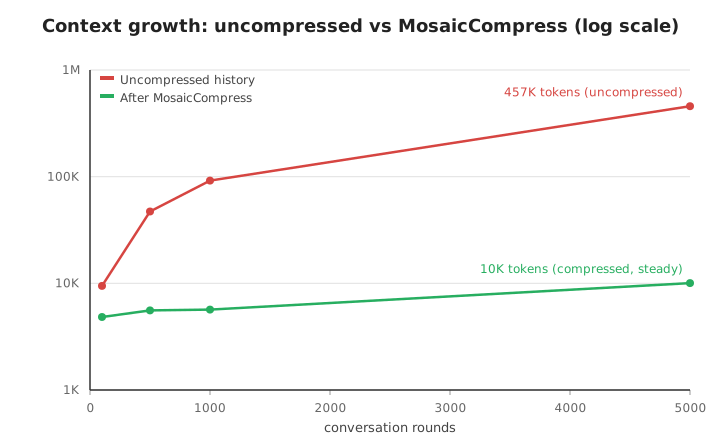
A stateless, LLM-agnostic dialogue compression plugin that mimics biological forgetting to keep message count bounded, preserving recent turns verbatim while graduating early loss, with a ready-made DSH adapter.
Local offline retrieval and line-numbered citation for Arknights and Endfield lore, wiki, and Terra timeline, with optional PRTS.cloud hybrid search.
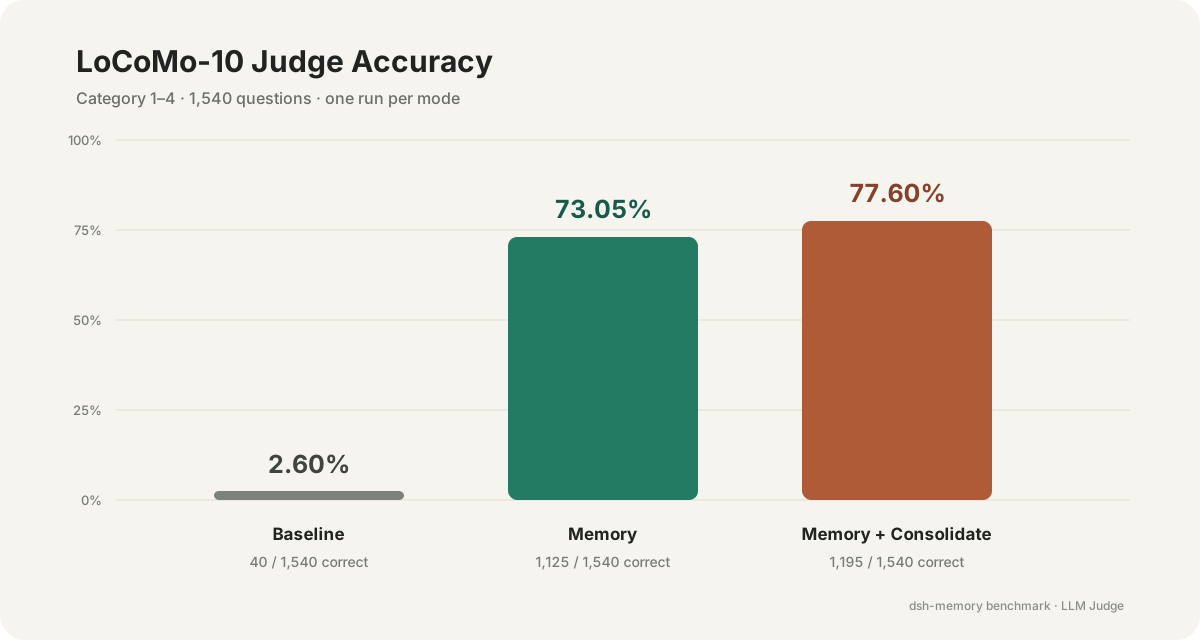
Long-term memory for DeepSeek Harness backed by local Markdown files, featuring progressive disclosure, Global/Workspace isolation, and Session consolidation.
ListForm is a versatile intelligent ledger that supports structured data recording like expense bills and shipment logs, with image/document attachments, automatic classification, periodic reports, and timed reminders.
Chat2Skill automatically learns reusable skills and project memory from assistant conversations to enhance future sessions.
KnowLP-RAG provides dual-graph retrieval with decay-based forgetting for Markdown notes, offering ranked results and reading paths.
interest-memory is a lightweight long-term memory backend for AI agents that automatically extracts, merges, and stores interest points from session transcripts into a local knowledge base, using only a single binary and SQLite database.
dsh-memory is a cross-session memory plugin for DeepSeek Harness with semantic search and smart injection for optimized memory management.
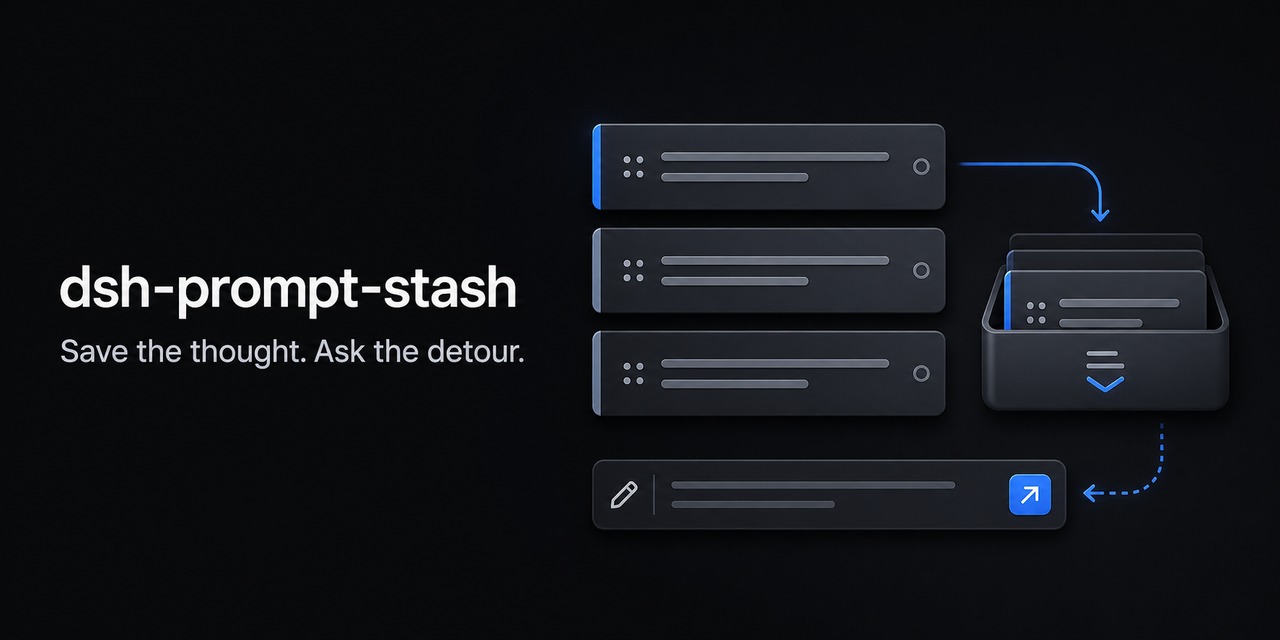
A local input stashing plugin for DeepSeek Harness Web that stashes plain text inputs temporarily to handle other queries first and then safely restore the original content.