DeepSeek Harness Plugins · Client
Plugins that extend DeepSeek Harness (DSH) with vision, workflows, memory, web tools and more.
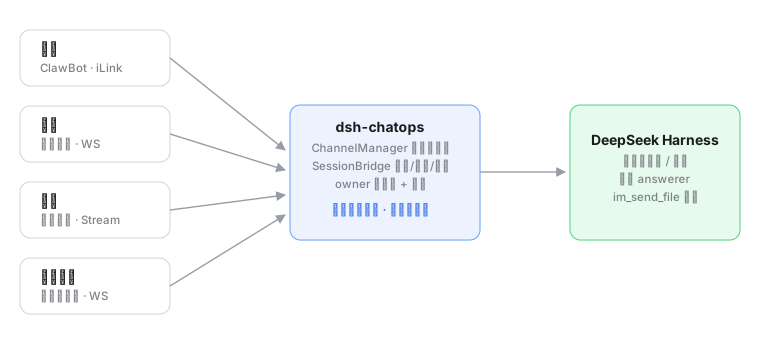
IM bridge plugin that drives DeepSeek Harness via WeChat, Feishu, DingTalk, or WeCom with completion push, file delivery, and remote approval.
Git branch and worktree management for the DeepSeek Harness Web Client, with safe switching, creation, and deletion that preserves uncommitted changes.
LaTeX compile checking and BibTeX lint, fill, and citation-audit tools for DeepSeek Harness and any agent, with structured JSON reporting.
Multi-transport messenger bridge (Telegram, Discord, Slack) for DeepSeek Harness with voice, vision, session management, agent personas, and optional TTS replies.
A mission-level percent-progress scoreboard for DeepSeek Harness with evidence-bound percents, git-captured checkpoints, competitive-research fan-out, and operator whip-actions delivered to the agent's next step.
An isolated electrical and electronics calculation plugin supporting complex-number circuit, signal, and device math with exact unit handling, and one-click export of results as Markdown or LaTeX technical articles.
Offline, deterministic verification that a supplied access-review campaign covers every declared entitlement, satisfies risk-based review stages, and closes each keep/revoke decision into a fresh post-review inventory.
Real-time progress tracker for DSH background tasks, rendering status cards and a persistent task bar with duration, progress, ETA, and one-click stop for any tool.
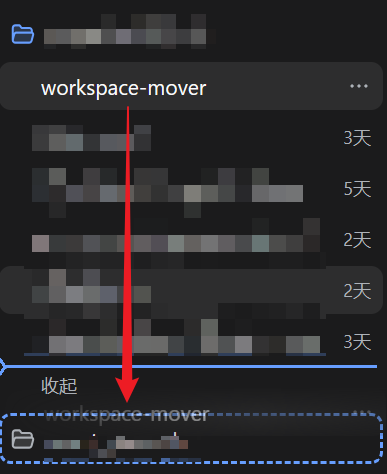
Drag-and-drop sessions across workspaces with true archive migration (zero token cost), batch moves, workspace relocation wizard, orphan rescue, and full backup/rollback protection.
Parses DSH session logs to attribute AI-authored files, overlays c8 coverage data, and reports AI vs. human code coverage comparison, untested risk lists, and a trust score.
A reversible browser-side pin and unread-marker plugin for DSH Web sessions, with state persisted locally and zero impact on host data.
Renders DSH session history into an S-shaped energy timeline, connecting turn cards with gradient bezier curves and distilling process insights from tool calls to make AI problem-solving visible at a glance.