DeepSeek Harness Plugins · admin-security
Plugins that extend DeepSeek Harness (DSH) with vision, workflows, memory, web tools and more.
Records privacy-minimal receipts for instruction files actually injected into a Harness session, without reading or storing instruction text.
A billing layer for dsh that caches official OpenCode Go pricing, computes global or per-session bills, and shows a resident cost line with default-model analysis in the web UI.
A privacy-focused DeepSeek Harness plugin that injects durable CI run metadata from a fixed allowlist of non-secret variables, supporting GitHub Actions and GitLab CI.
A DSH plugin toggle and deletion manager with one-click enable or disable, session-level undo for deletions, version detection, and bundle group management.
Safety net for DSH free-run mode: directory deletions are redirected to trash, symlinks are never followed, with zero approvals and a seamless agent experience.
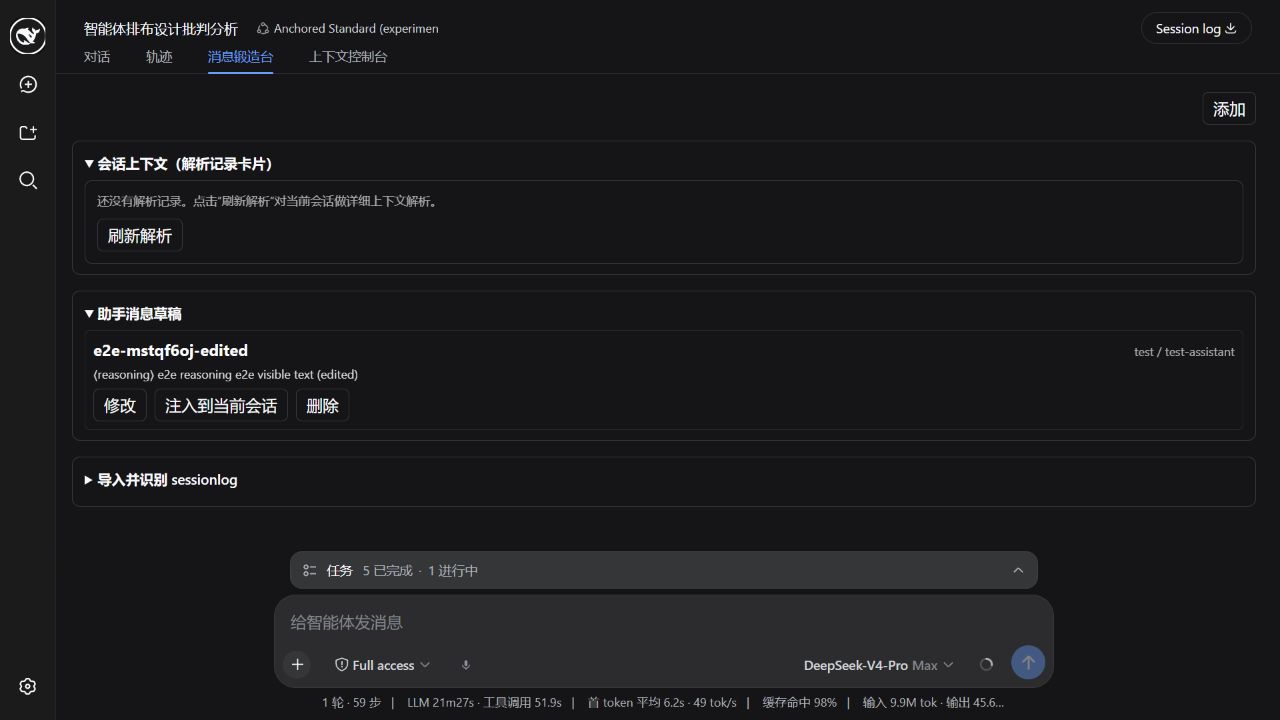
A Host+Client DSH plugin adding a Message Forge tab for context parsing, card-based editing, surface replace, draft management, and sessionlog import/repair.
Pre-execution guard for DSH that intercepts dangerous commands and secret leaks via regex matching, with configurable rules, exemptions, and self-check tools.
Provides Default, No Edit, and Auto access modes for DSH sessions, unifying tool approval policies and sandbox boundaries.
A runtime security gate in the tool-execution pipeline that enforces an egress allowlist, redacts secrets from results, and logs every decision; ships in non-blocking monitor mode.
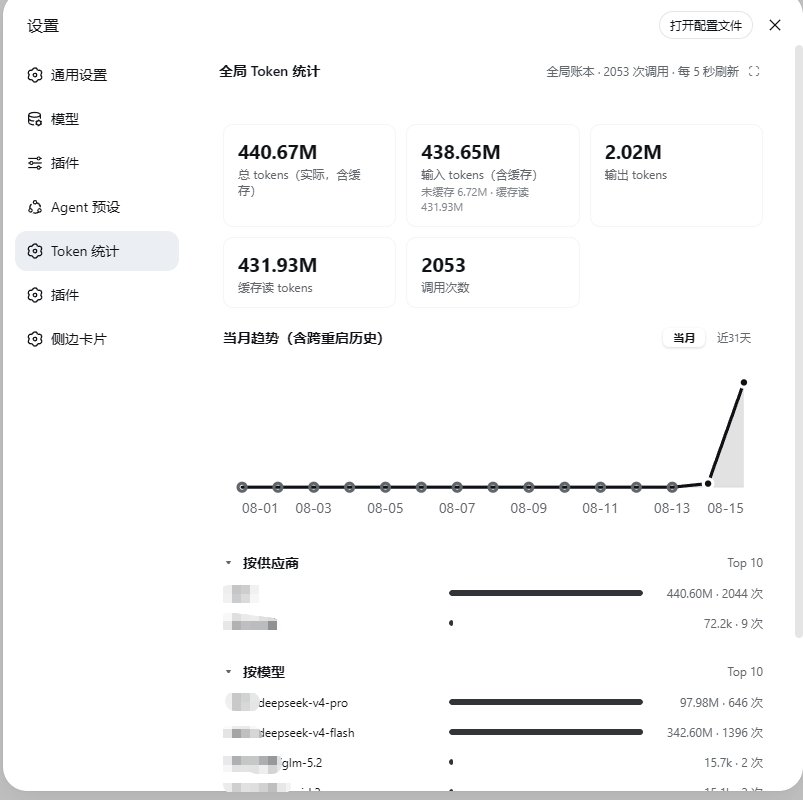
Collects real token usage from every LLM call, aggregates by provider, model, session, and date, and provides cost estimation, cache hit rate, and TTFT metrics via a draggable FAB and a full-screen dashboard.
Runtime indirect prompt-injection detection at DSH post-execute tool boundary using deterministic rules with observe, warn, and block modes without exposing matched text.
A DSH diagnostics plugin that inspects the model-visible tool surface and reports bounded configuration signals, including heuristic hints on side-effect-shaped tool names, without acting as a security scanner or enforcement boundary.