dsh-awesome-model-setting
Run the following command in DeepSeek Harness:
dsh plugin install Kazusa1085/dsh-awesome-model-setting
Paste the following prompt into your AI chat to install this plugin:
Run dsh plugin install Kazusa1085/dsh-awesome-model-setting in your terminal; source is at https://github.com/Kazusa1085/dsh-awesome-model-setting. Restart dsh web after installation to see the Model Capabilities page in the settings panel.
About this plugin
Configuring model capabilities in DeepSeek Harness—input modalities, context window, output token cap, and image request budgets—used to mean hand-editing settings.yaml. A single typo in a field name or an extra indentation level and a model silently falls back to defaults, leaving you to hunt for the mismatch.
dsh-awesome-model-setting adds a Model Capabilities page inside the settings panel. Every model under every registered route is laid out in a table with the four key fields as graphical controls. The page shows effective values merged with the adapter's built-in catalog, and labels the source of each value as user-declared, provider-catalog, or route default. You can toggle modalities, type in numbers, or clear a field to restore the default; reset a single model's route defaults, reset an entire group, or pull newly discovered models in via the provider-load button. All writes go through DSH's official settings channel with namespace revision for conflict detection, and changes take effect immediately without a restart.
Built for DSH users juggling multiple provider routes—DeepSeek official, Opencode-Go, self-hosted gateways, or local LM Studio—and especially for anyone who wants to verify at a glance whether a model truly accepts image input or which context window is actually in force, without grepping through YAML line by line.
Use Cases
- Batch-tuning context windows and output caps across multiple provider routes
- Visually confirming whether a model has image input enabled instead of guessing YAML syntax
- Onboarding a local LM Studio model and configuring its capability parameters
Best For
- DSH users managing multiple provider routes simultaneously
- Intermediate users who prefer a GUI over hand-writing settings.yaml
- Ops engineers who need to verify which source determines an effective model value
Related Plugins
A unified suite combining hot runtime injection, task-aware thinking-mode routing, and a graded session protocol with red-team gates to sustain model diligence across long-horizon inference.
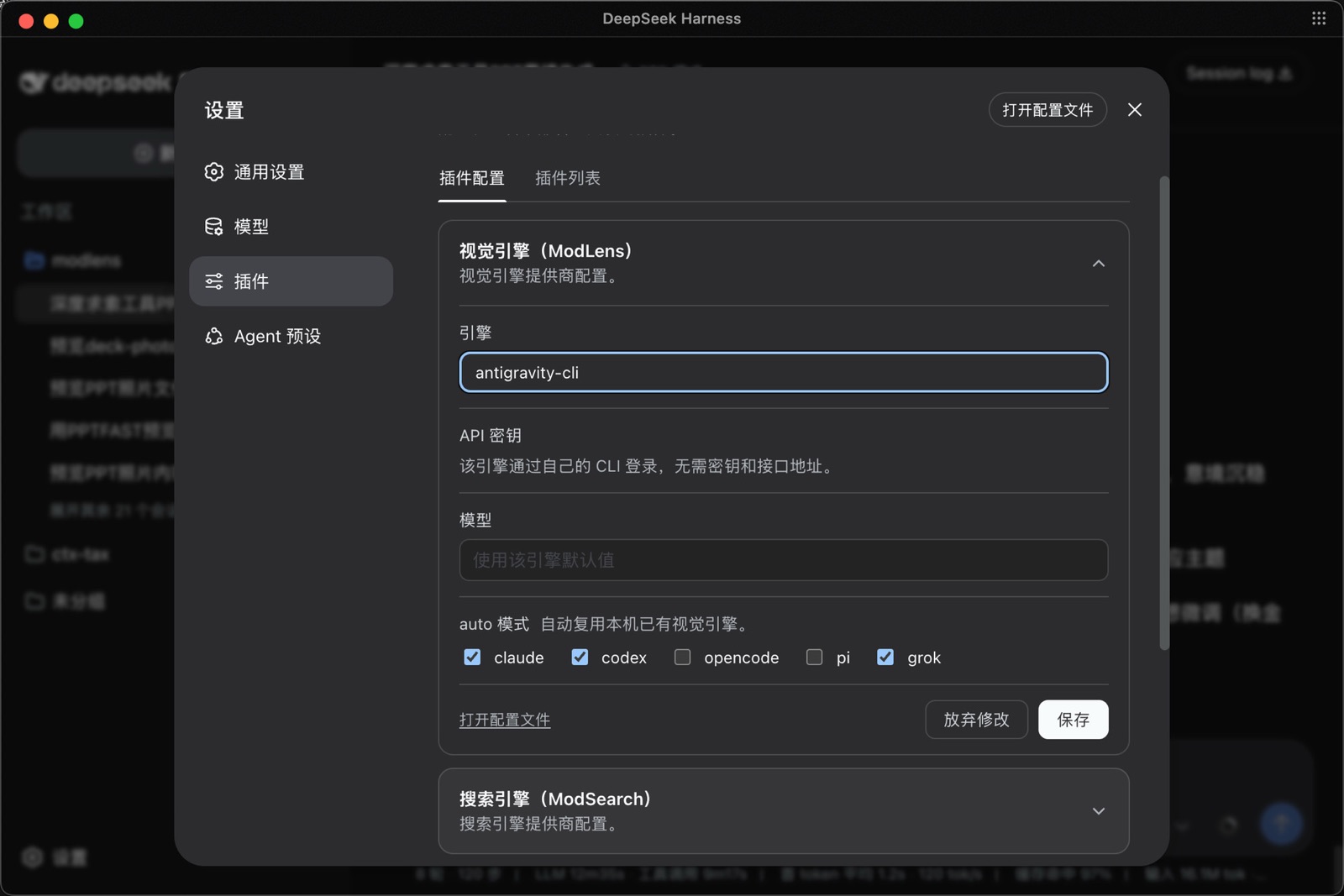
ModLens is a vision plugin for DeepSeek Harness that gives text-only models sight by reading images pasted directly into chat, with zero-config setup and multiple vision engines.
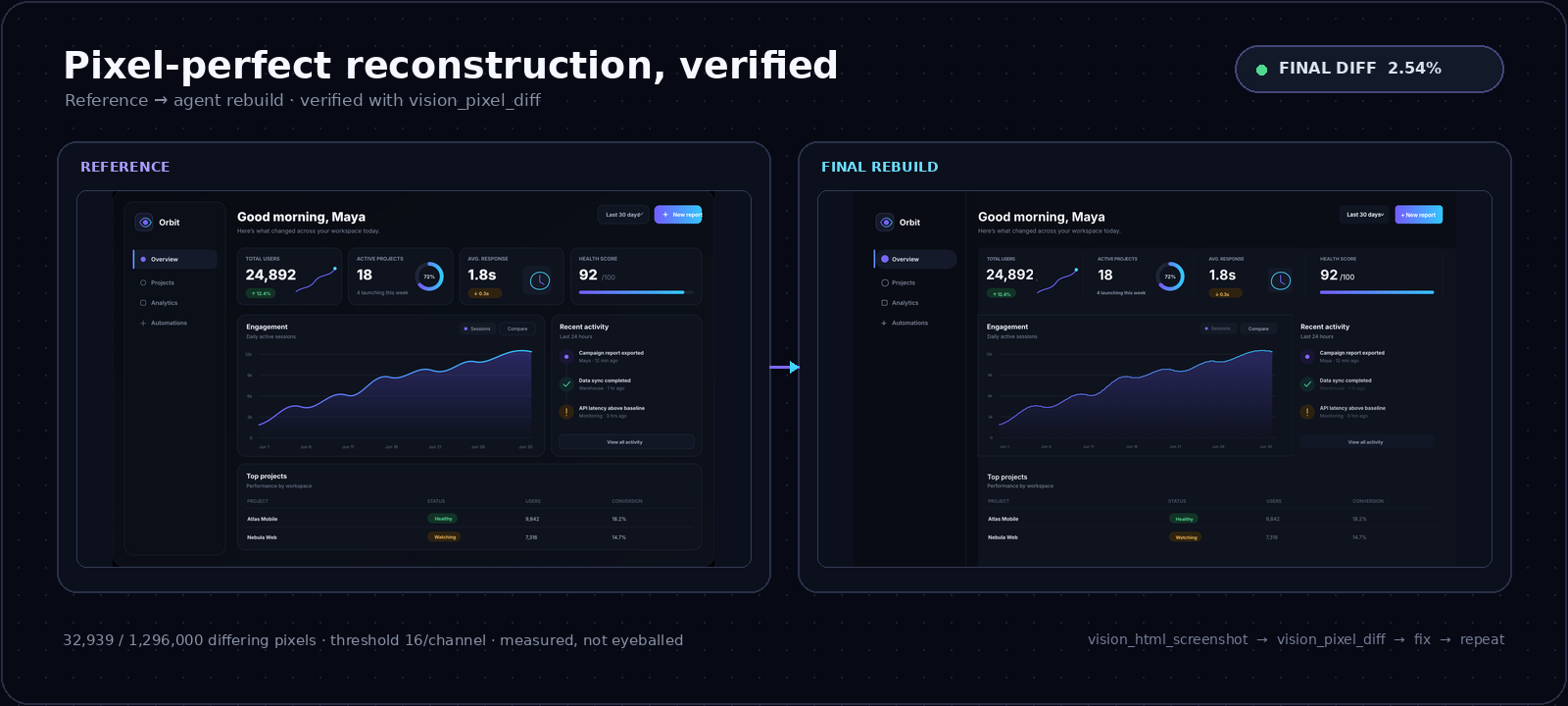
On-demand vision for text-only DeepSeek Harness agents: built-in free keyless vision chain and 14 vision tools, routing image turns as tool calls to vision models with pixel fidelity, no Python needed, one-command install.
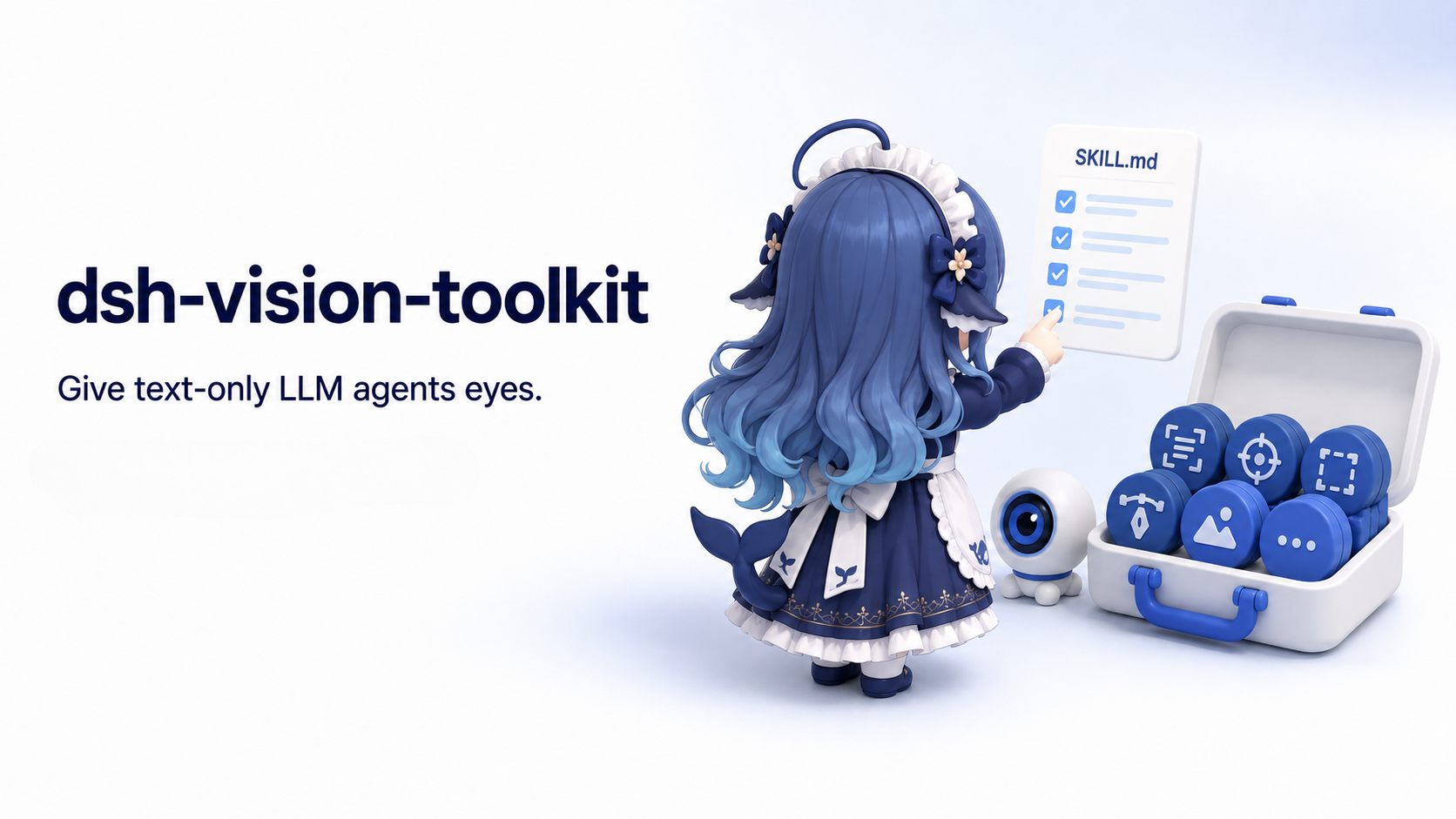
Give text-only models in DeepSeek Harness eyes, enabling image Q&A, long-screenshot OCR, UI restoration, and GUI visual tasks.