dsh-model-fold
Run the following command in DeepSeek Harness:
dsh plugin install loyalchiiina/dsh-model-fold
Paste the following prompt into your AI chat to install this plugin:
Run dsh plugin install loyalchiiina/dsh-model-fold in your terminal, or copy the plugin from https://github.com/loyalchiiina/dsh-model-fold into the node_modules of your profile and register it under dsh.profile.bundles in package.json, then restart DSH for the change to take effect.
About this plugin
When you run multiple model providers in DeepSeek Harness, the flat model menu can hold dozens or even hundreds of entries, and locating a specific provider's model means scrolling through an undifferentiated list. dsh-model-fold turns that into a single click: the menu shows only provider names with model counts, and each provider's models are revealed on demand.
It ships two navigation modes. The default panel mode slides a side panel in from the right listing all models under the selected provider; the inline mode folds and expands a group directly beneath the title. Double-clicking any provider name switches between the two, and the choice persists across sessions. The currently active model is highlighted in bold with a brand-colour badge on its parent group, so you can confirm your configuration at a glance without opening anything. The side panel reads its colours, border-radius, and selected-state styles from the real menu, so it adapts automatically to the active theme. Everything is a pure DOM enhancement: no React-managed node is moved or removed, selections are made by programmatically clicking the original menu buttons, the plugin issues zero network requests, and it stays fully compatible with other Harness plugins.
It is built for users who juggle several providers regularly and want a cleaner selection flow without losing any native behaviour, and for setups that prefer lightweight, local-only UI extensions. A DSH restart after installation is all that is needed. No configuration files, no external services, no data leaves the browser.
Use Cases
- Navigating a long model list across multiple providers without losing context
- Switching between panel and inline modes to match personal preference
- Extending the native menu UI without altering any React component behaviour
Best For
- Developers who switch between providers multiple times per session
- Privacy-conscious users who prefer zero network requests and fully local logic
- Harness users who want incremental DOM enhancements with no cross-plugin interference
Related Plugins
A unified suite combining hot runtime injection, task-aware thinking-mode routing, and a graded session protocol with red-team gates to sustain model diligence across long-horizon inference.
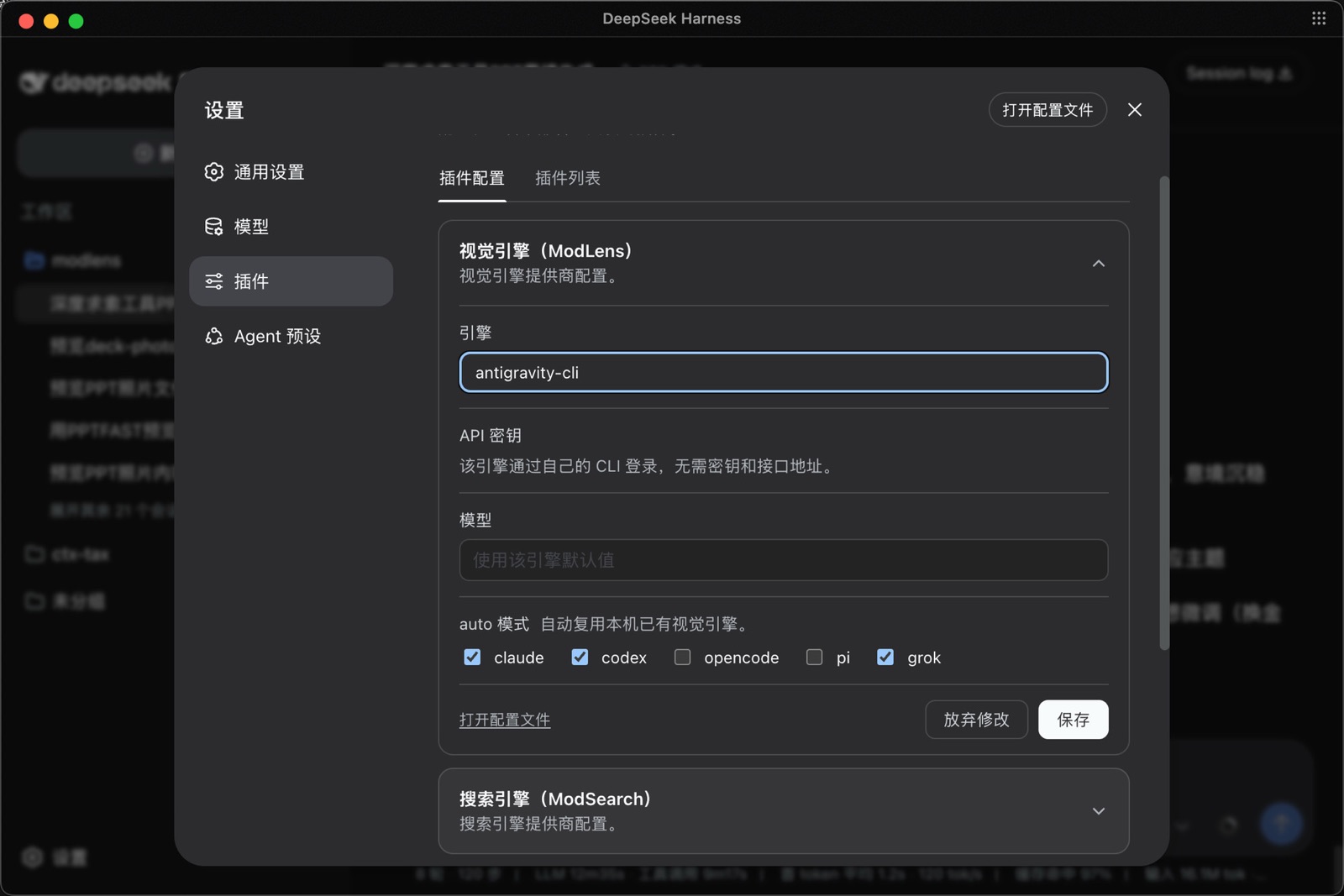
ModLens is a vision plugin for DeepSeek Harness that gives text-only models sight by reading images pasted directly into chat, with zero-config setup and multiple vision engines.
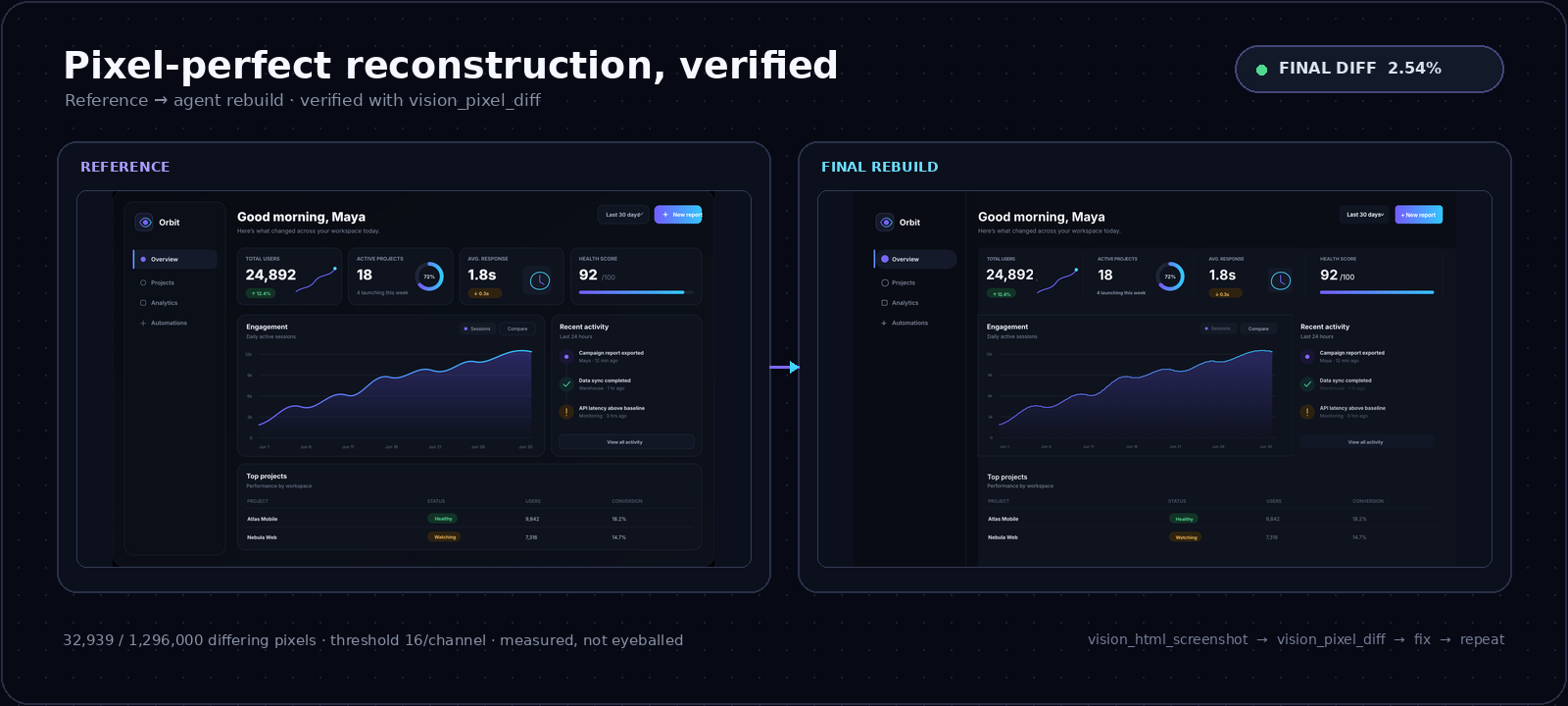
On-demand vision for text-only DeepSeek Harness agents: built-in free keyless vision chain and 14 vision tools, routing image turns as tool calls to vision models with pixel fidelity, no Python needed, one-command install.
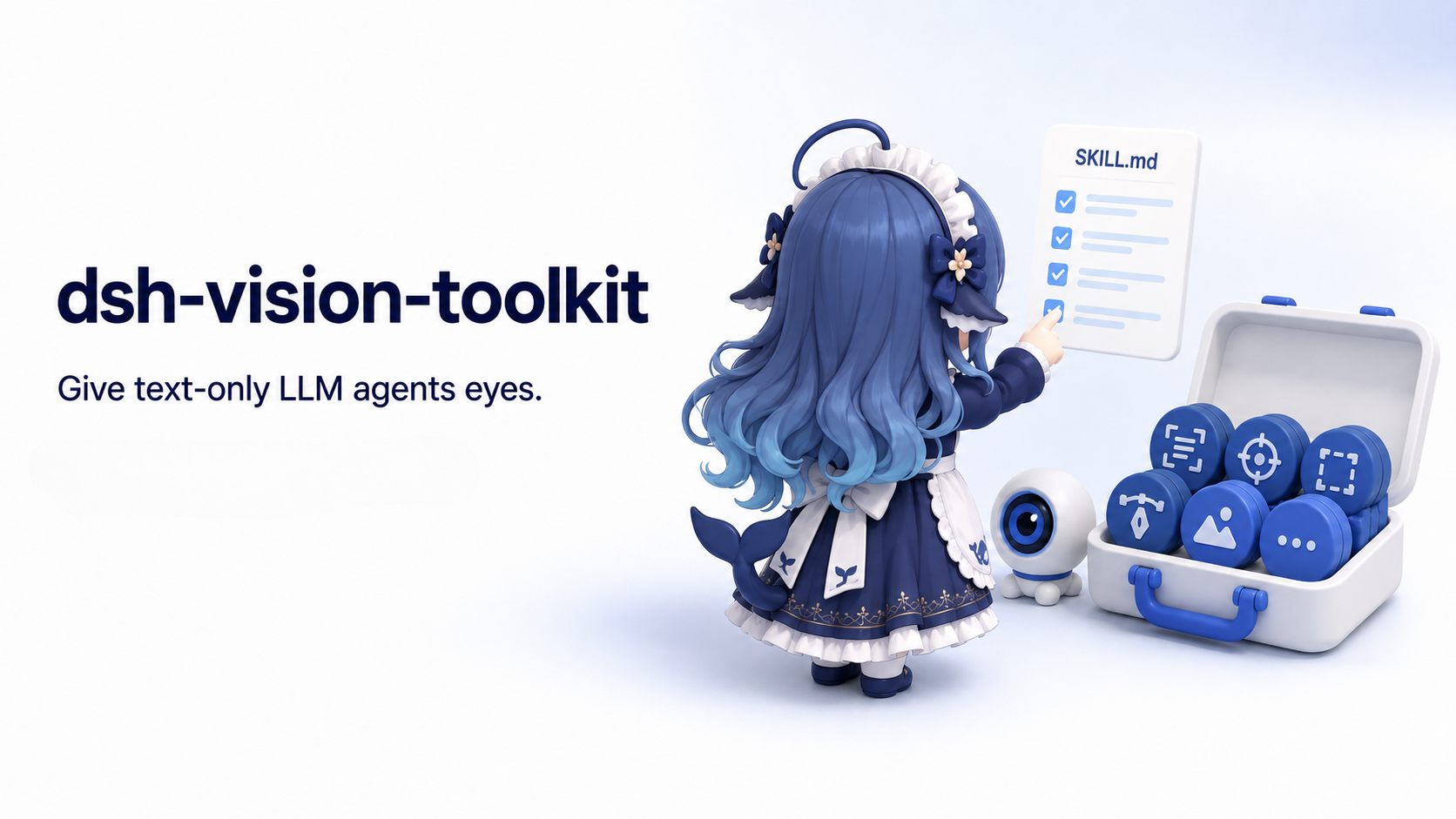
Give text-only models in DeepSeek Harness eyes, enabling image Q&A, long-screenshot OCR, UI restoration, and GUI visual tasks.