dsh-model-orchestrator
Run the following command in DeepSeek Harness:
dsh plugin install Meaple-SFKY/dsh-model-orchestrator
Paste the following prompt into your AI chat to install this plugin:
Run dsh plugin install Meaple-SFKY/dsh-model-orchestrator in the DeepSeek Harness terminal to install the plugin; the full source is available at https://github.com/Meaple-SFKY/dsh-model-orchestrator . Restart your profile after installation to activate the new bundle.
About this plugin
In multi-model deployments, the biggest hidden cost is rarely compute — it is the repeated manual judgment of which task should go to which model. dsh-model-orchestrator removes that burden: at runtime it discovers every model actually mounted in your Harness, builds a capability profile from verifiable facts such as input modalities, context window, and reasoning depth, then deterministically routes each unit of work to the best-matching model. You simply describe what you want done; the orchestration takes care of the rest.
Three design choices stand out. First, the selection logic names no model, vendor, or business domain — capability descriptors are open-ended, and unrecognized domains mint new descriptors from the task's own vocabulary, so the taxonomy genuinely grows over time. Second, it works through the subagent seam: your session agent remains the captain responsible for understanding, decomposing, dispatching, and aggregating, while the orchestrator only decides which model executes each unit and never interferes with the Harness's native task management. Third, when a hard requirement cannot be evidenced, the model is rejected outright rather than silently downgraded, keeping routing decisions trustworthy.
It fits teams whose Harness hosts multiple providers or multiple tiers from the same provider, those who want to split complex multi-domain work across specialists in parallel, or anyone who simply does not want to hand-pick routes every session. Routing is automatic by default and can be steered explicitly via the /model-orchestrator command or the settings panel, making it a good fit for developers who want automation without giving up control.
Use Cases
- Multiple providers mounted in Harness, with automatic model assignment based on task complexity
- Complex work split into sub-units, each routed to a differently specialized model in parallel
- Eliminate manual route selection per session, letting capability profiles drive routing decisions
Best For
- DeepSeek Harness users running multi-model deployments
- Developers who want automated task dispatch without giving up control
- Platform operators managing multiple providers or capability tiers
Related Plugins
A unified suite combining hot runtime injection, task-aware thinking-mode routing, and a graded session protocol with red-team gates to sustain model diligence across long-horizon inference.
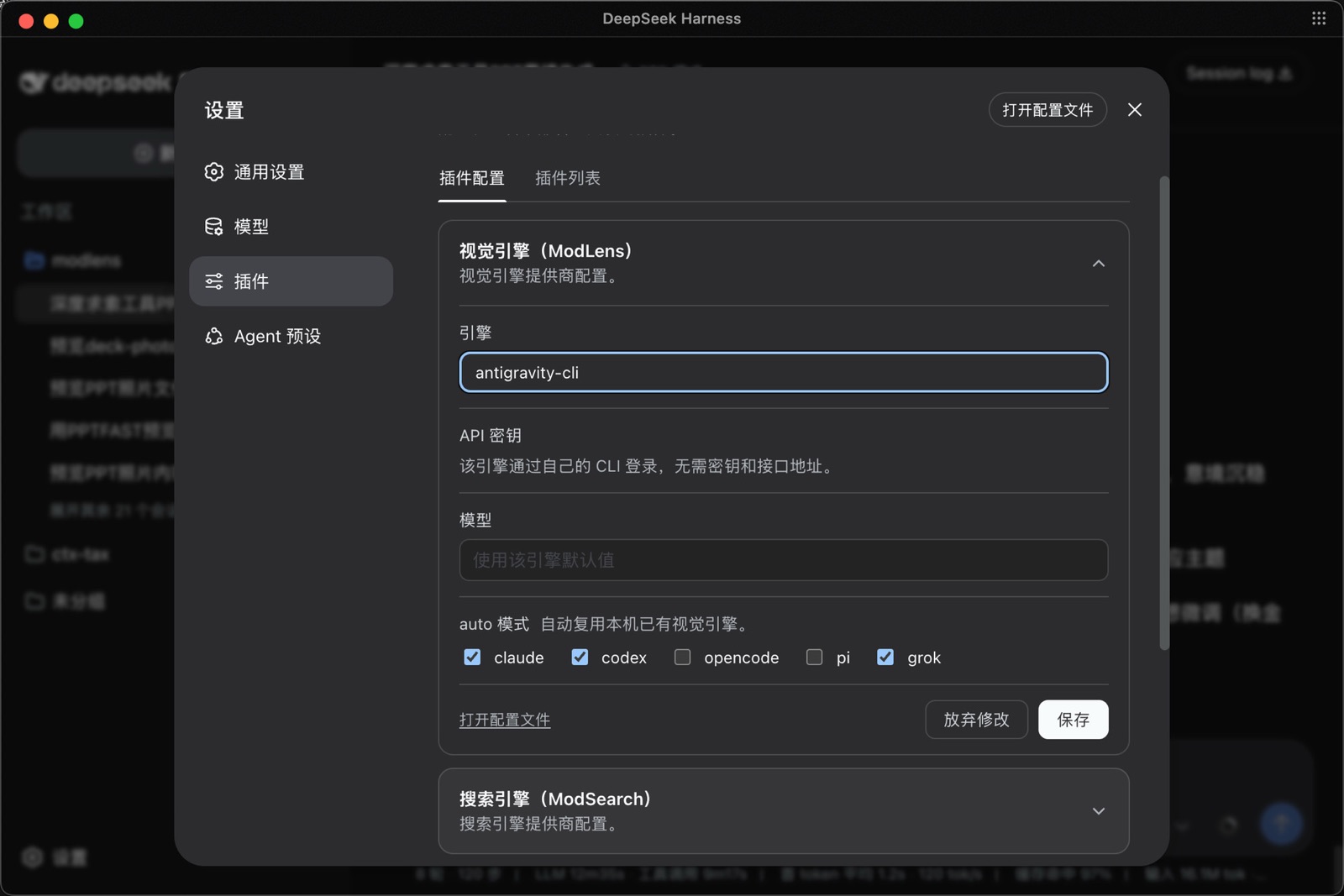
ModLens is a vision plugin for DeepSeek Harness that gives text-only models sight by reading images pasted directly into chat, with zero-config setup and multiple vision engines.
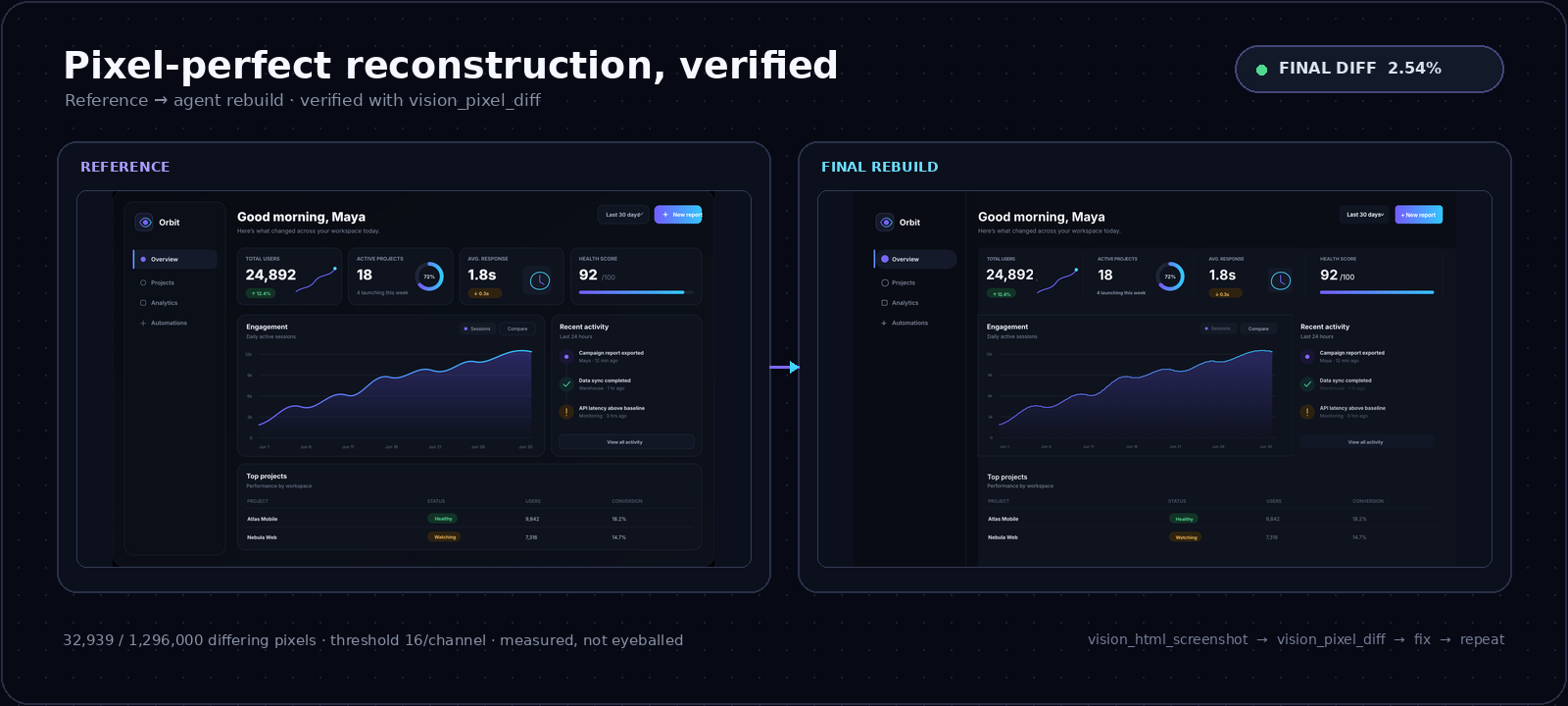
On-demand vision for text-only DeepSeek Harness agents: built-in free keyless vision chain and 14 vision tools, routing image turns as tool calls to vision models with pixel fidelity, no Python needed, one-command install.
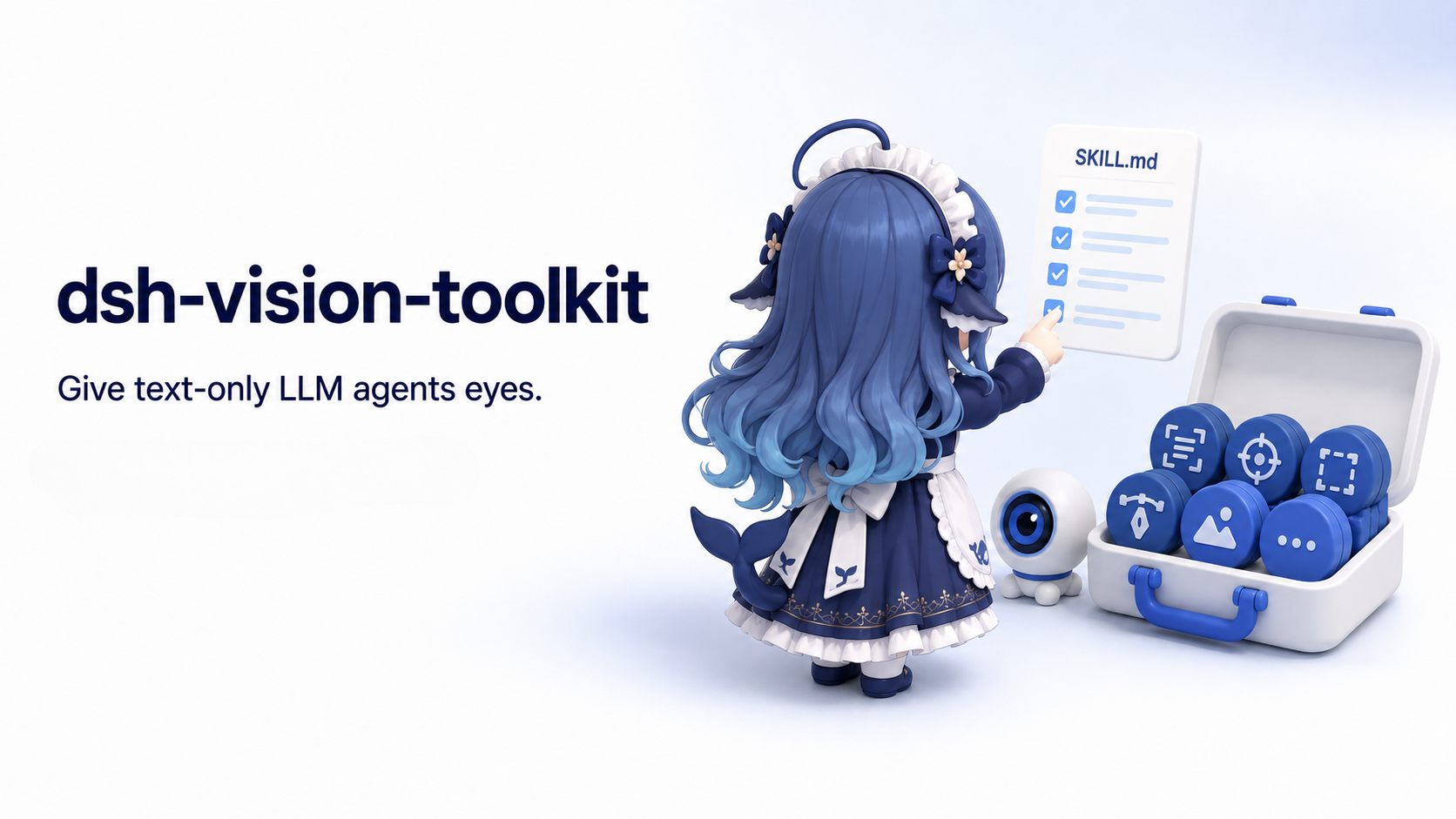
Give text-only models in DeepSeek Harness eyes, enabling image Q&A, long-screenshot OCR, UI restoration, and GUI visual tasks.