dsh-hyper-tools
Run the following command in DeepSeek Harness:
dsh plugin install samuelrubiodev/dsh-hyper-tools
Paste the following prompt into your AI chat to install this plugin:
Run dsh plugin install samuelrubiodev/dsh-hyper-tools in your terminal to install this plugin; the source repository is at https://github.com/samuelrubiodev/dsh-hyper-tools
About this plugin
When running multi-turn conversations on Charm Hyper, every attached image is inlined as a base64 image_url part in the request body. As conversations grow, that serialized payload easily crosses the gateway's hard 10 MiB ceiling, causing the entire request to be rejected before inference even begins—despite the images being ordinary attachments.
dsh-hyper-tools registers a single llm/stream middleware on the configured provider routes. Before dispatch, it projects the durable history so the total base64 image payload stays within a configurable budget (default 6 MiB), replacing the oldest images with deterministic placeholder text while keeping the newest intact. If the gateway still rejects the body because non-image overhead was undercounted, the plugin retries once with a tighter image budget (recoveryBudgetFactor, default 0.5). Should further compression be impossible, the original error is surfaced unchanged.
Built for anyone running long, image-heavy inference sessions on Charm Hyper—regardless of whether the provider is served by the official adapter or a custom gateway. As long as requests route through charm-hyper or hyper, the plugin activates automatically with no changes to application code.
Use Cases
- Multi-image conversations push the request body past the 10 MiB gateway cap
- Base64 image accumulation in Charm Hyper multi-turn inference triggers 400 rejections
- Guarding image budgets on Charm Hyper routes served by a custom gateway adapter
Best For
- Developers running long, image-heavy sessions on Charm Hyper
- Inference platform engineers building custom gateways or adapters
- Application developers who need strict LLM request-body size control
Related Plugins
A unified suite combining hot runtime injection, task-aware thinking-mode routing, and a graded session protocol with red-team gates to sustain model diligence across long-horizon inference.
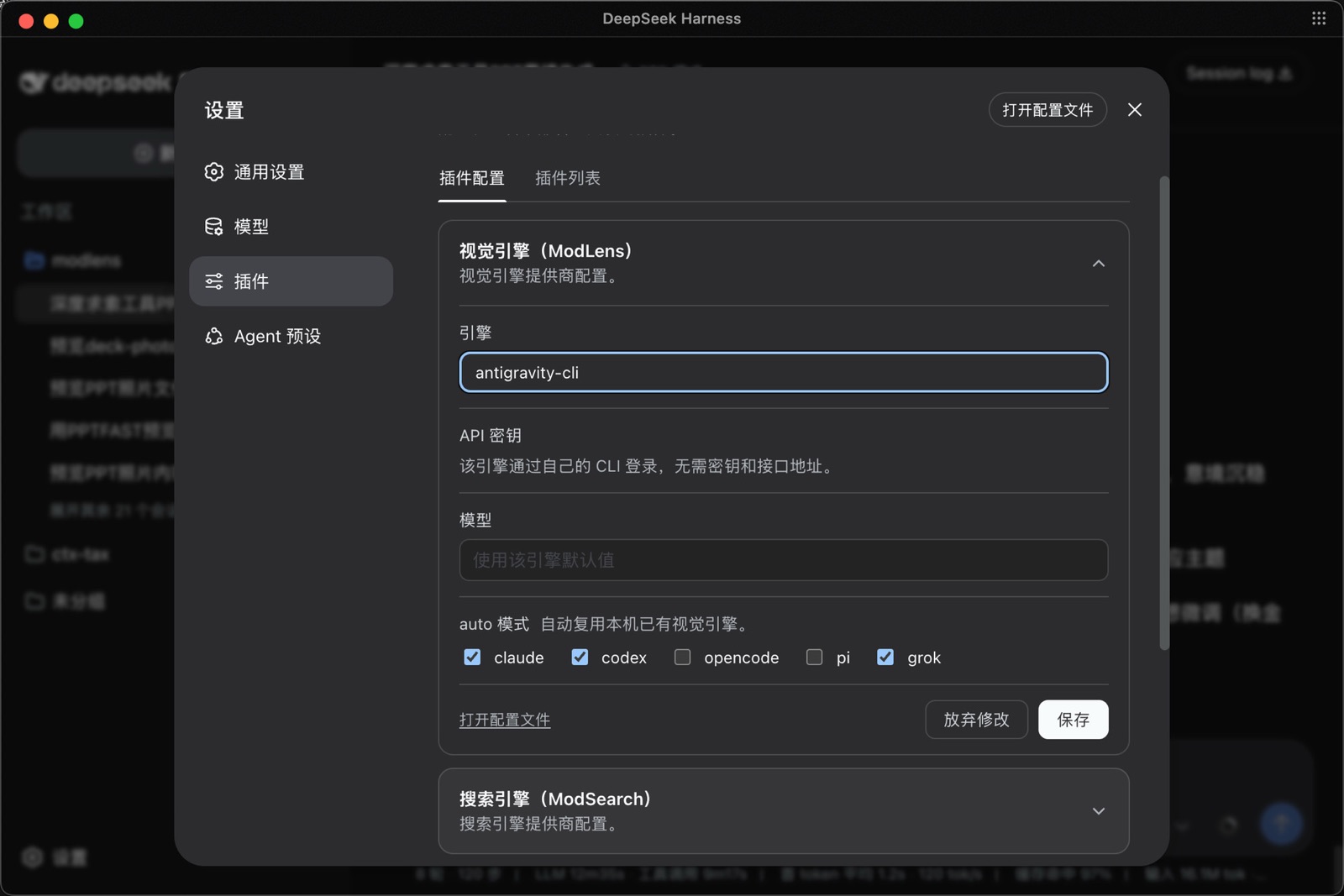
ModLens is a vision plugin for DeepSeek Harness that gives text-only models sight by reading images pasted directly into chat, with zero-config setup and multiple vision engines.
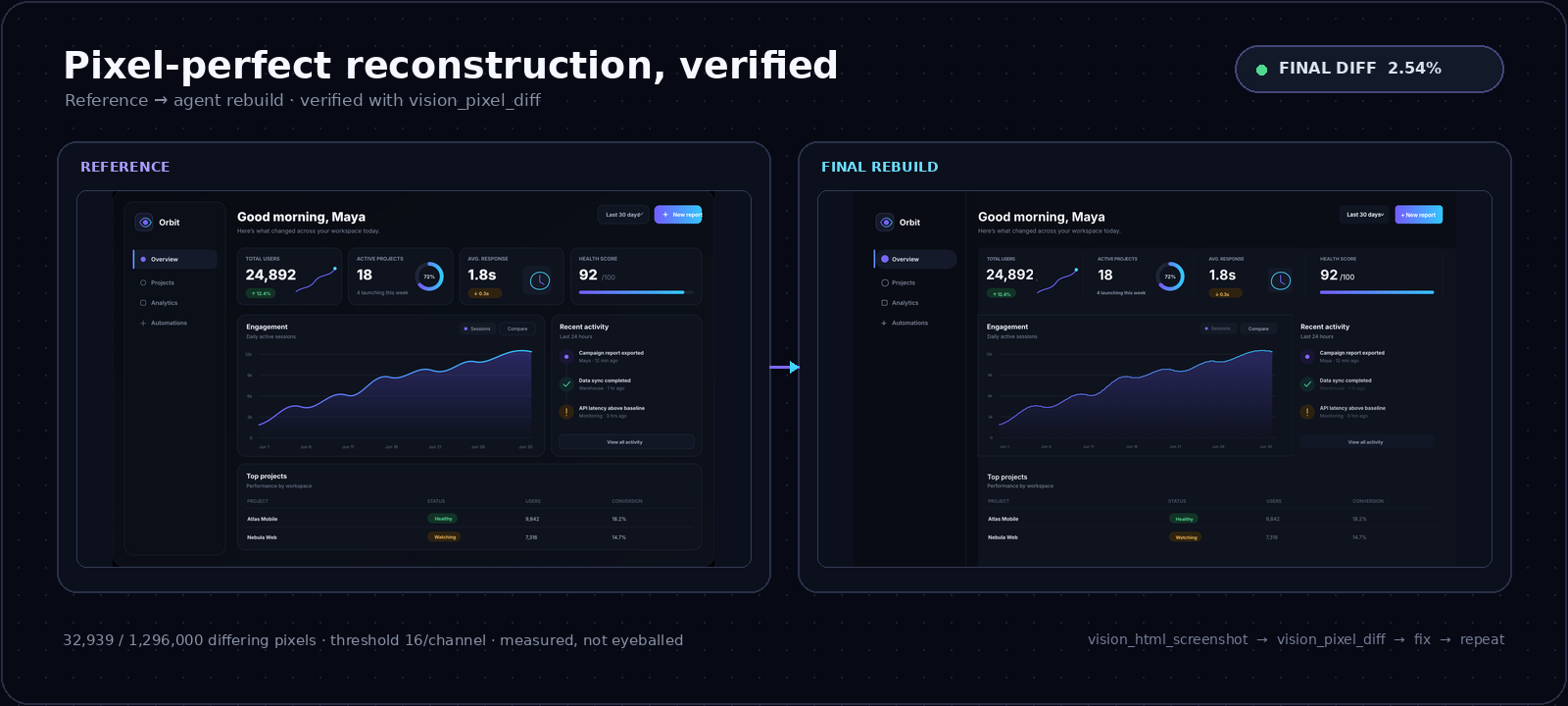
On-demand vision for text-only DeepSeek Harness agents: built-in free keyless vision chain and 14 vision tools, routing image turns as tool calls to vision models with pixel fidelity, no Python needed, one-command install.
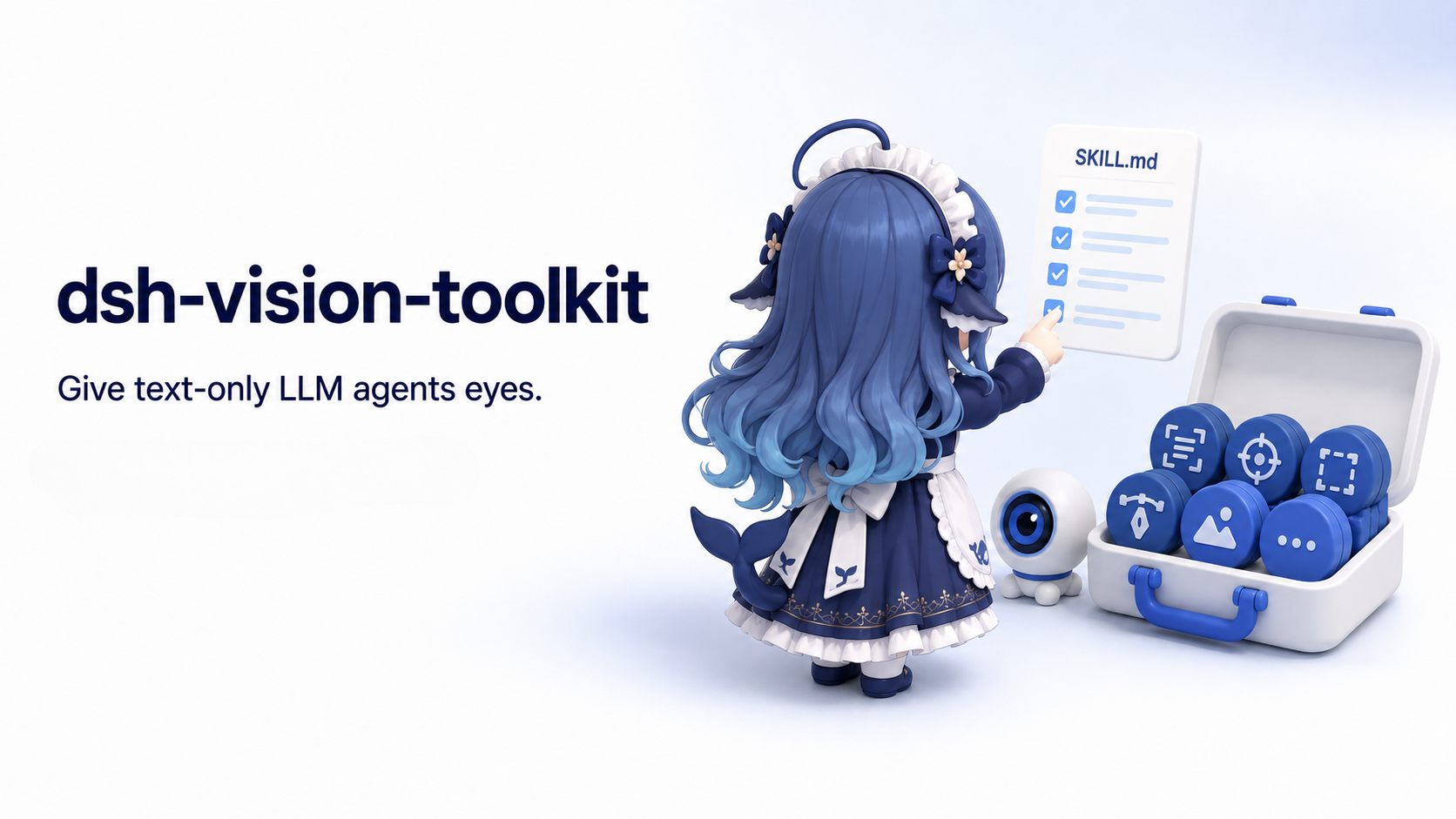
Give text-only models in DeepSeek Harness eyes, enabling image Q&A, long-screenshot OCR, UI restoration, and GUI visual tasks.