dsh-llm-ai
Run the following command in DeepSeek Harness:
dsh plugin install WooLeo1995/dsh-llm-ai
Paste the following prompt into your AI chat to install this plugin:
In a terminal with DeepSeek Harness already installed, run dsh plugin install WooLeo1995/dsh-llm-ai — the CLI handles the npm install, bundle patch mounting, and llm-pi-ai replacement in one step; the source lives at https://github.com/WooLeo1995/dsh-llm-ai .
About this plugin
In the DeepSeek Harness ecosystem, the LLM inference layer has been tightly coupled to pi-ai, constraining provider coverage, protocol extensibility, and failure diagnostics. dsh-llm-ai replaces that dependency entirely: it sources every provider and model fact from the community-maintained models.dev registry, executes requests through a native fetch + SSE streaming pipeline with zero pi-ai code paths, and remains fully compatible with the existing ctx.llm seam.
Three capabilities stand out. First, dynamic routing: the providers dictionary merges with user settings per provider, so adding, reshaping, or retiring a gateway takes effect on the very next request with no process restart. All 203 models.dev providers are declared in the configuration directory, honestly marked where a protocol family is not yet serviceable. Second, reasoning and compatibility control: tri- or quad-level reasoning declarations map each selectable level to its exact wire spelling; the three compat switches (maxTokensField, supportsDeveloperRole, thinkingFormat) resolve through a model → route → protocol-default fallback chain, and unknown keys are refused loudly rather than silently dropped. Third, robust runtime semantics: 14 stable error codes partition retryable from non-retryable faults, a stream idle watchdog guards against hung connections, image offload and raw-string tool-call arguments work out of the box, and usage plus cache-hit accounting are always on. The registry is cached to disk, so an offline boot still serves the last good snapshot.
This plugin fits the following situations: you are running DSH Desktop or the Harness 0.1.1-rc line and need multi-provider openai-completions inference without pi-ai protocol handcuffs; you operate in offline or low-bandwidth environments and still want a working model catalog; you want clearly classified error codes and credentials that never appear as plaintext in configuration files. If you are already on llm-pi-ai and it is stable for you, this plugin offers a non-breaking replacement path — credential references, route naming, and settings-layer semantics all remain backward-compatible.
Screenshots
Use Cases
- Replace pi-ai in DeepSeek Harness with a native SSE pipeline for multi-provider openai-completions inference
- Serve a model catalog from a disk-cached models.dev snapshot when the network is unreachable
- Add, reshape, or retire gateway routes via the providers dictionary with effect on the very next request, no process restart needed
Best For
- Harness and DSH Desktop users who need multi-provider LLM inference without pi-ai protocol constraints
- Ops and dev teams that must keep a usable model catalog in offline or low-bandwidth environments
- Engineering teams that value 14 stable error codes, credential references that never hit disk as plaintext, and explicit reasoning-level declarations
Related Plugins
A unified suite combining hot runtime injection, task-aware thinking-mode routing, and a graded session protocol with red-team gates to sustain model diligence across long-horizon inference.
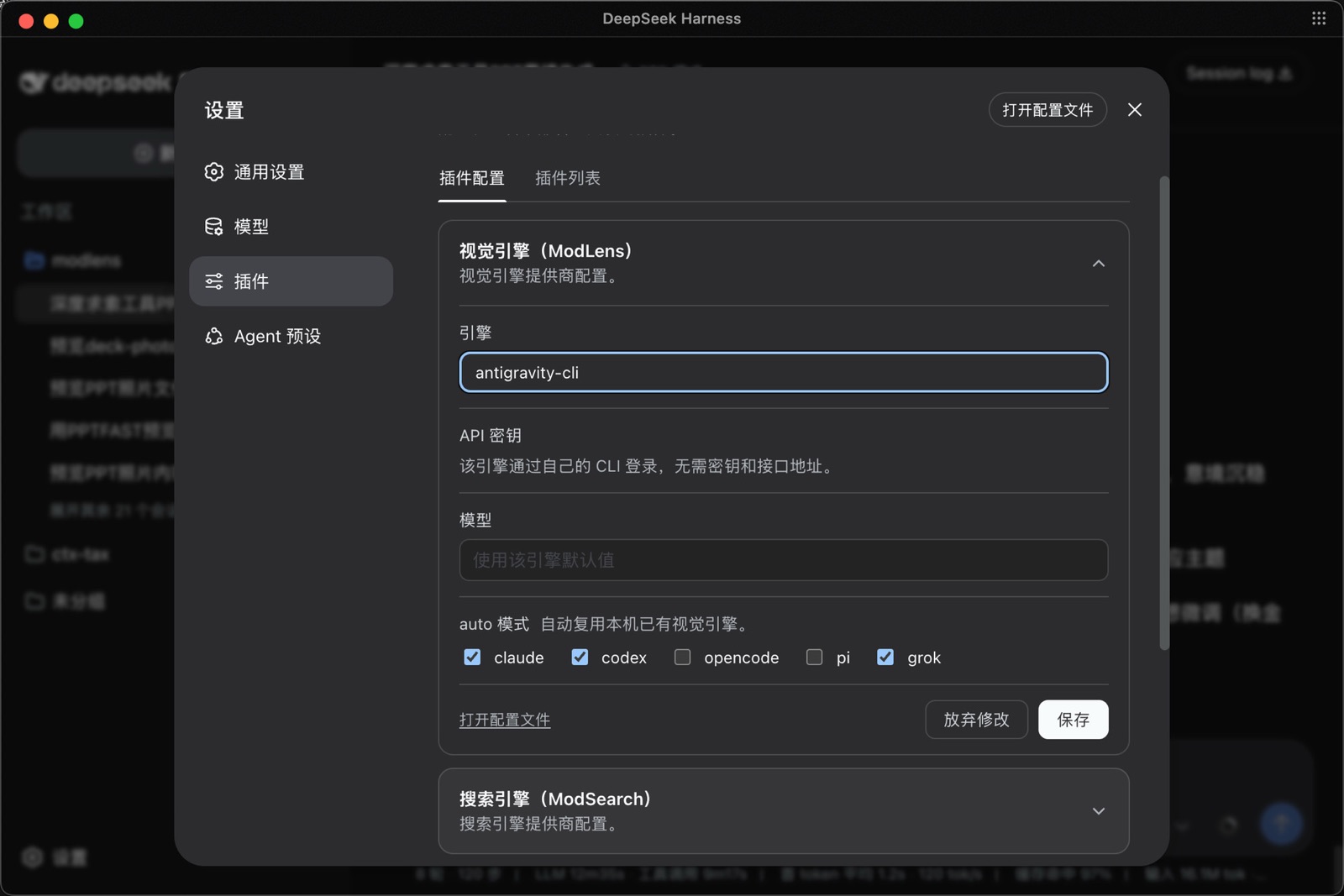
ModLens is a vision plugin for DeepSeek Harness that gives text-only models sight by reading images pasted directly into chat, with zero-config setup and multiple vision engines.
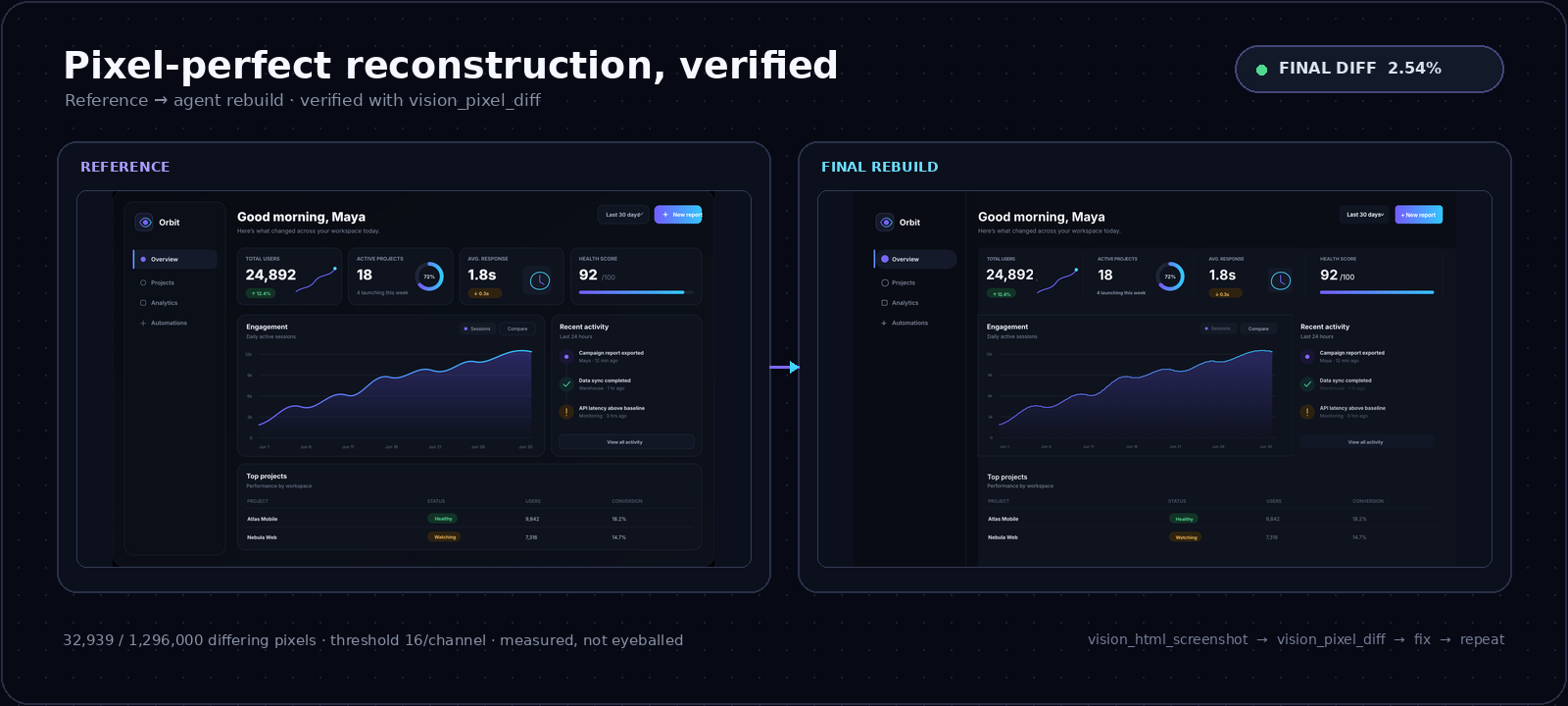
On-demand vision for text-only DeepSeek Harness agents: built-in free keyless vision chain and 14 vision tools, routing image turns as tool calls to vision models with pixel fidelity, no Python needed, one-command install.
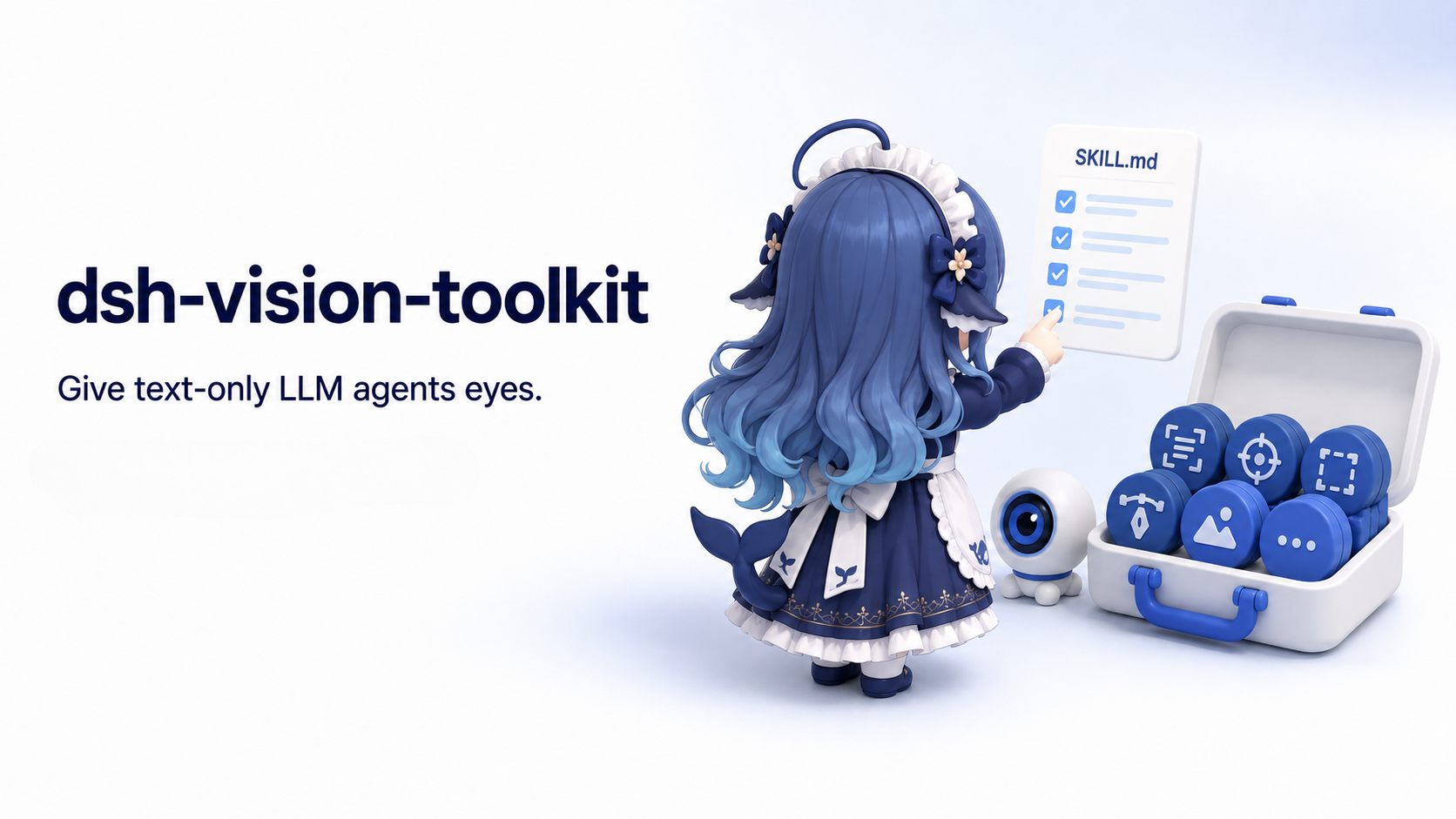
Give text-only models in DeepSeek Harness eyes, enabling image Q&A, long-screenshot OCR, UI restoration, and GUI visual tasks.