xby-reflective-vest
Run the following command in DeepSeek Harness:
dsh plugin install xby-skill/xby-reflective-vest
Paste the following prompt into your AI chat to install this plugin:
Install the plugin in DeepSeek Harness by running the dsh plugin install command; source code is available at https://github.com/xby-skill/xby-reflective-vest .
About this plugin
On construction sites, warehouses, and factory floors, verifying whether workers wear reflective vests has long depended on manual spot checks, which are slow, inconsistent, and easy to get wrong at night or from a distance. The xby-reflective-vest plugin turns that routine into a single image-inference call: feed it a photo of the site and get a structured pass-or-fail verdict for every person detected.
Each detection returns bounding-box coordinates, a confidence score, and a safe or unsafe label that can flow straight into alert pipelines, safety dashboards, or audit logs. Input is flexible, accepting an image URL, Base64-encoded data, or a local file path, so it slots naturally into mobile capture, backend uploads, or existing surveillance feeds. The API key is set once in chat and persists across restarts, eliminating repetitive configuration.
It suits safety officers who need quick on-the-go photo verification, and system engineers who want a drop-in visual-compliance node for dashboards, inspection apps, or automated audit workflows. If your toolchain needs a snap-and-judge inference step for PPE compliance, this plugin is ready to plug in.
Use Cases
- Capture and verify worker PPE compliance on-site in real time
- Batch process inspection photos through an automated compliance pipeline
- Quickly judge safe or unsafe status from night-shift surveillance snapshots
Best For
- Safety officers needing instant photo-based PPE verification
- System engineers embedding visual compliance checks into inspection apps
- Platform developers building automated audit and alert workflows
Related Plugins
A unified suite combining hot runtime injection, task-aware thinking-mode routing, and a graded session protocol with red-team gates to sustain model diligence across long-horizon inference.
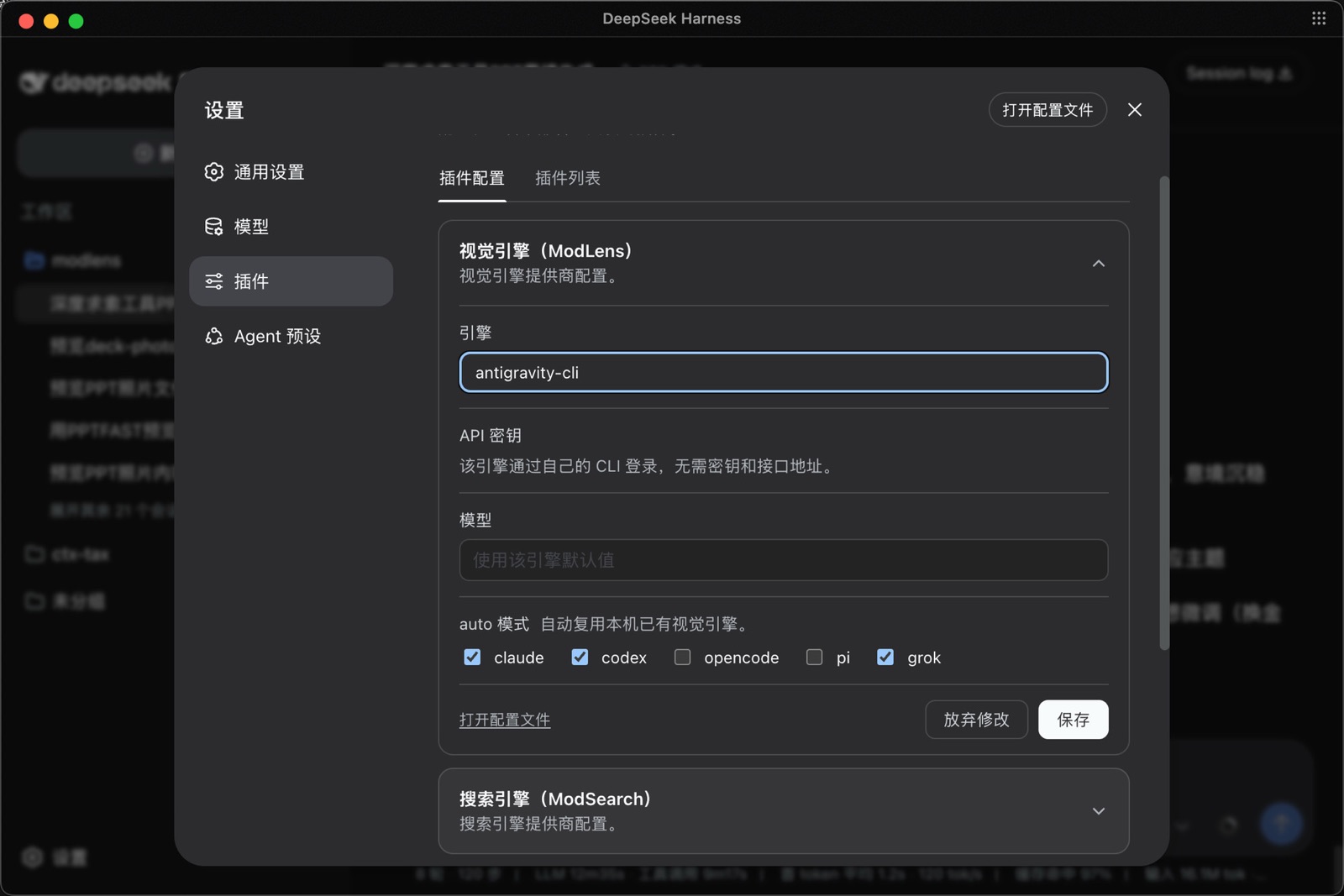
ModLens is a vision plugin for DeepSeek Harness that gives text-only models sight by reading images pasted directly into chat, with zero-config setup and multiple vision engines.
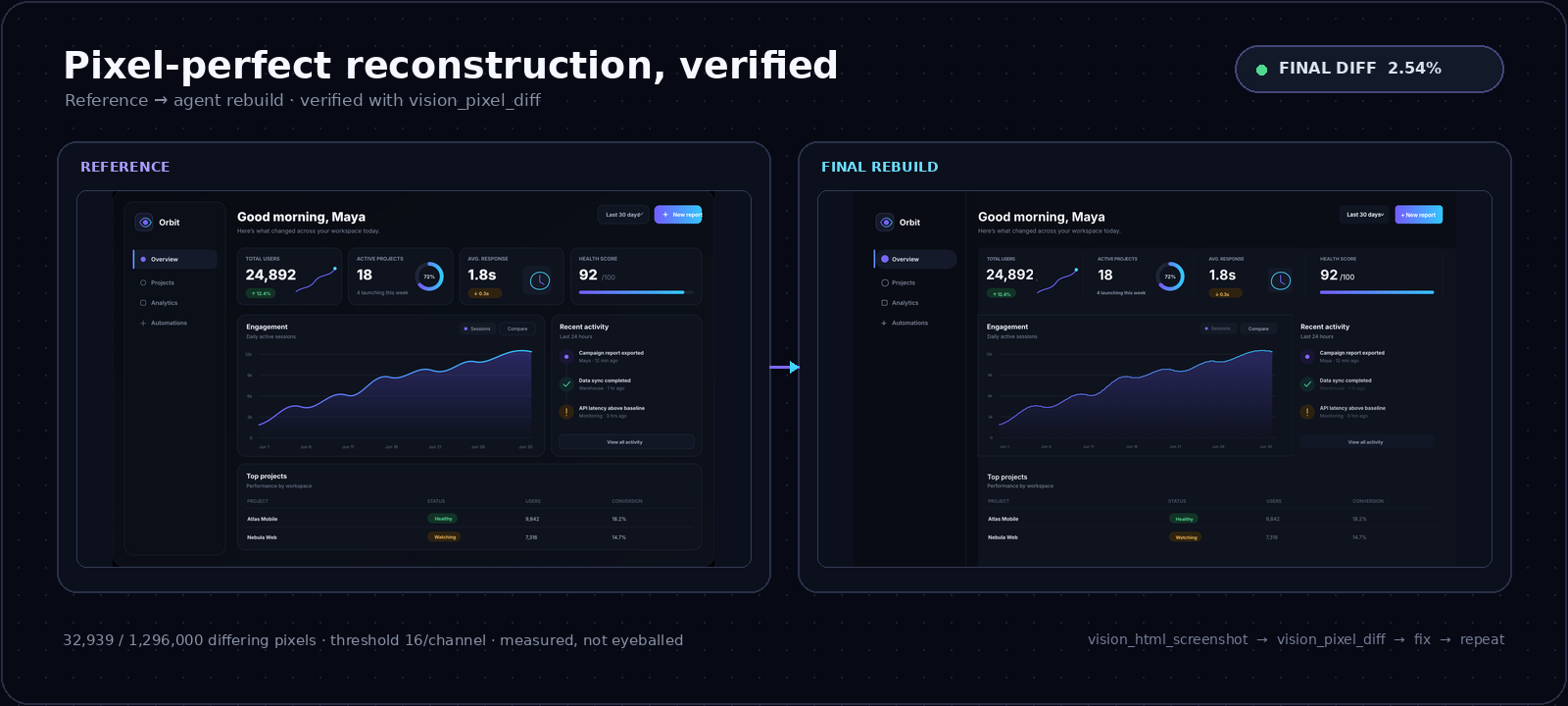
On-demand vision for text-only DeepSeek Harness agents: built-in free keyless vision chain and 14 vision tools, routing image turns as tool calls to vision models with pixel fidelity, no Python needed, one-command install.
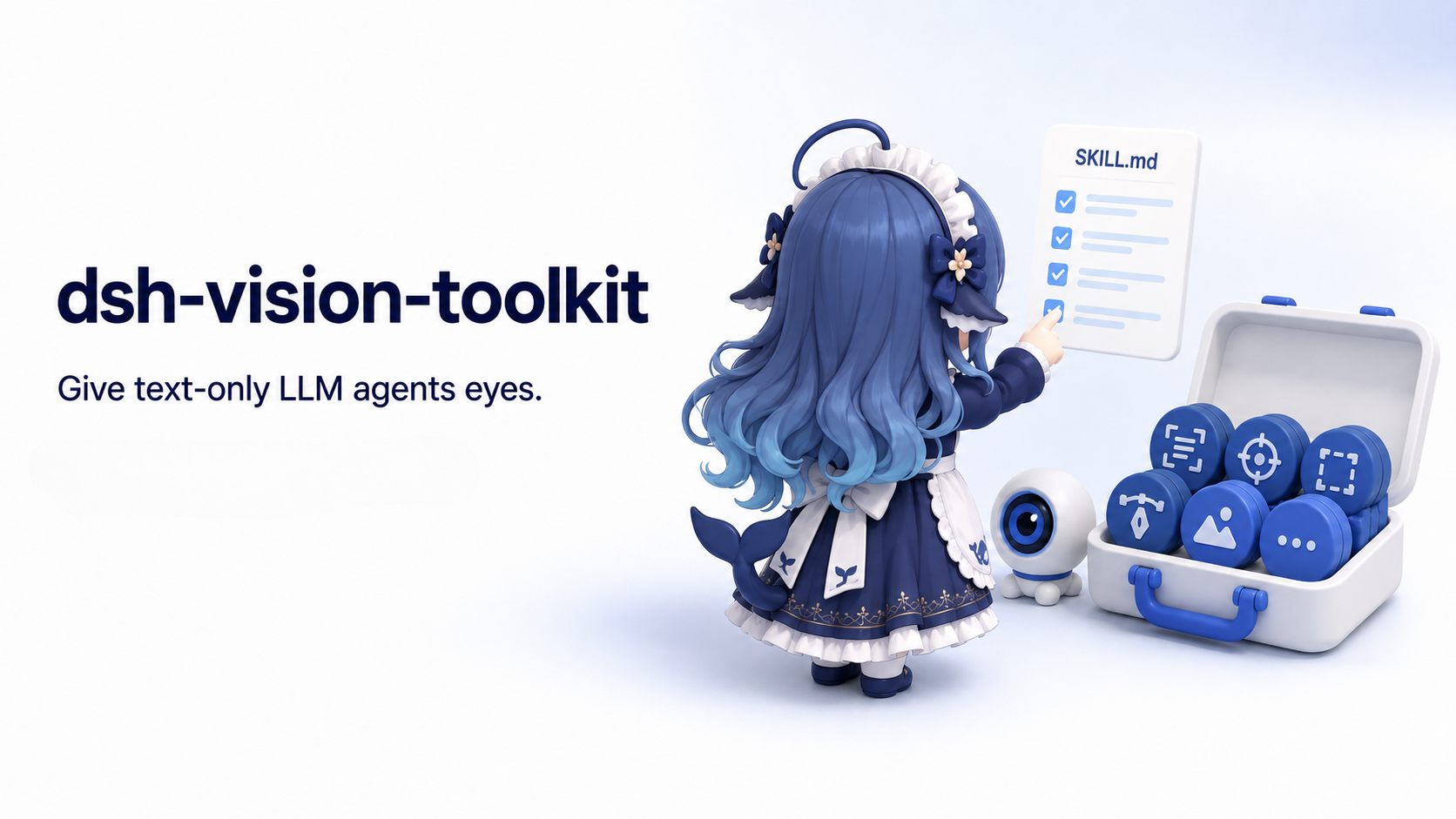
Give text-only models in DeepSeek Harness eyes, enabling image Q&A, long-screenshot OCR, UI restoration, and GUI visual tasks.