
dsh
Run the following command in DeepSeek Harness:
dsh plugin install openllmsh/dsh
Paste the following prompt into your AI chat to install this plugin:
Run dsh plugin install openllmsh/dsh (source: https://github.com/openllmsh/dsh) in the DeepSeek Harness terminal, then restart the target profile (web or headless) to activate the patch.
About this plugin
dsh is a pure-config Cordis patch layer that solves one specific problem: routing DeepSeek Harness model inference through a locally running OpenLLM daemon, with no API key required, no adapter code needed, and dsh itself never aware of the upstream origin. It does exactly two things, repoints the built-in llm-pi-ai adapter to the loopback gateway at 127.0.0.1:8787/v1 and makes it the default model, and registers the OpenLLM MCP stdio server carrying three tool groups (openllm, claude-context, supermemory). The entire plugin has zero runtime logic; every behavior is declared in cordis.patch.yml.
The practical effect is that dsh becomes an ultra-thin, key-free proxy whose only prerequisite is that openllmd is already running on the host. The daemon reads its signed-plan credentials from ~/.openllm/.env and forwards upstream on its own, while dsh simply talks to 127.0.0.1. If you want your Harness browser UI or headless CLI to instantly gain OpenLLM model routing and MCP tool access without writing adapters or managing credential chains yourself, this patch is the shortest path. It is distributed from GitHub with the built lib/ already committed, so a git install loads immediately with no build step.
This is aimed at developers who have already deployed OpenLLM locally, treat dsh as their unified inference entry point, and want the OpenLLM MCP toolchain folded into their daily workflow. The bundle is pre-1.0; pin a specific release and re-test after each dsh upgrade.
Screenshots
Use Cases
- Route Harness model requests to a local OpenLLM daemon and set it as the default model
- Register and use three OpenLLM MCP tool groups in headless CLI or browser UI
- Adapt a self-hosted OpenLLM instance by adjusting the daemon port for a custom gateway
Best For
- Developers who have deployed OpenLLM locally and need a unified inference entry point
- dsh users who want zero-key, zero-adapter access to the OpenLLM toolchain
- Harness plugin consumers who prefer config-only patches with no runtime logic
Related Plugins
A unified suite combining hot runtime injection, task-aware thinking-mode routing, and a graded session protocol with red-team gates to sustain model diligence across long-horizon inference.
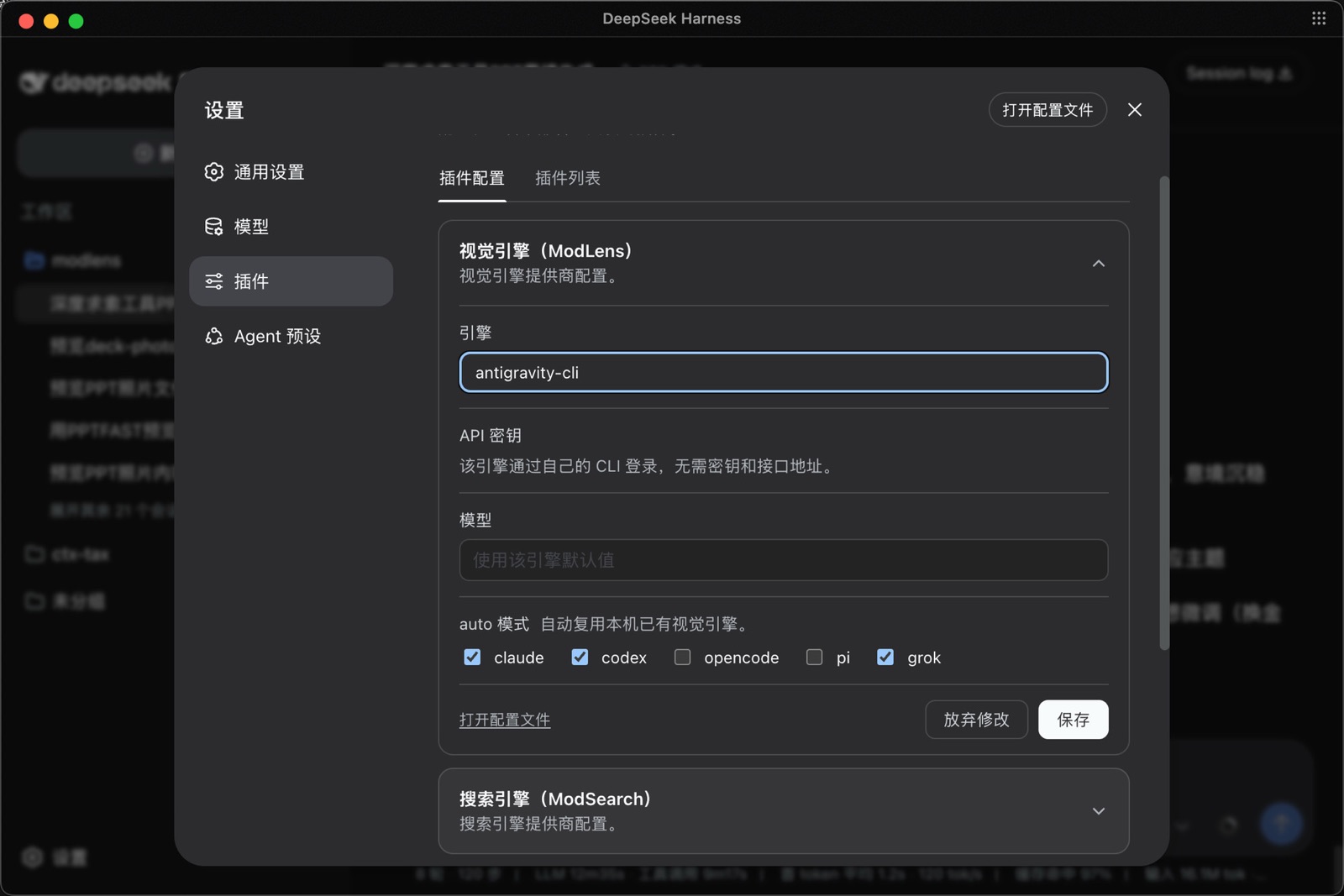
ModLens is a vision plugin for DeepSeek Harness that gives text-only models sight by reading images pasted directly into chat, with zero-config setup and multiple vision engines.
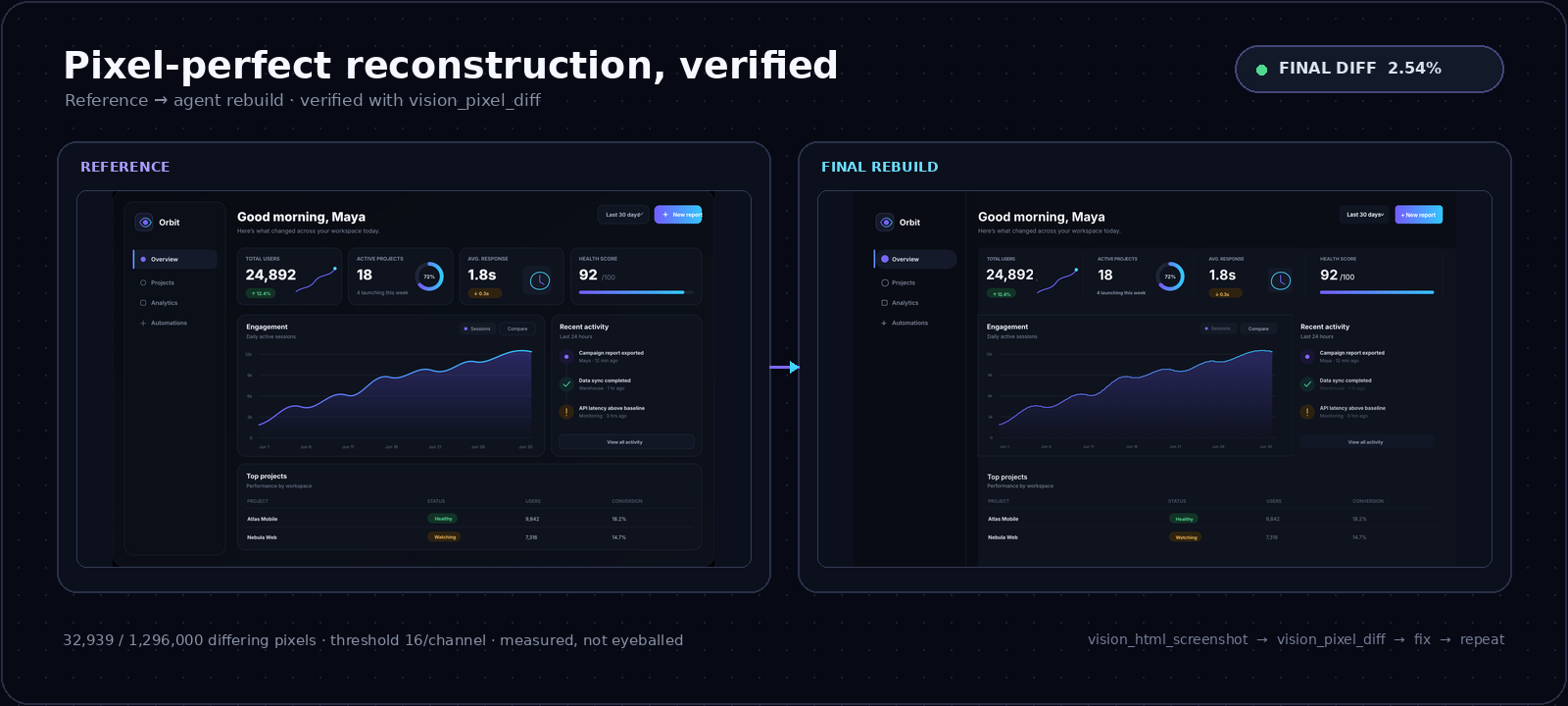
On-demand vision for text-only DeepSeek Harness agents: built-in free keyless vision chain and 14 vision tools, routing image turns as tool calls to vision models with pixel fidelity, no Python needed, one-command install.
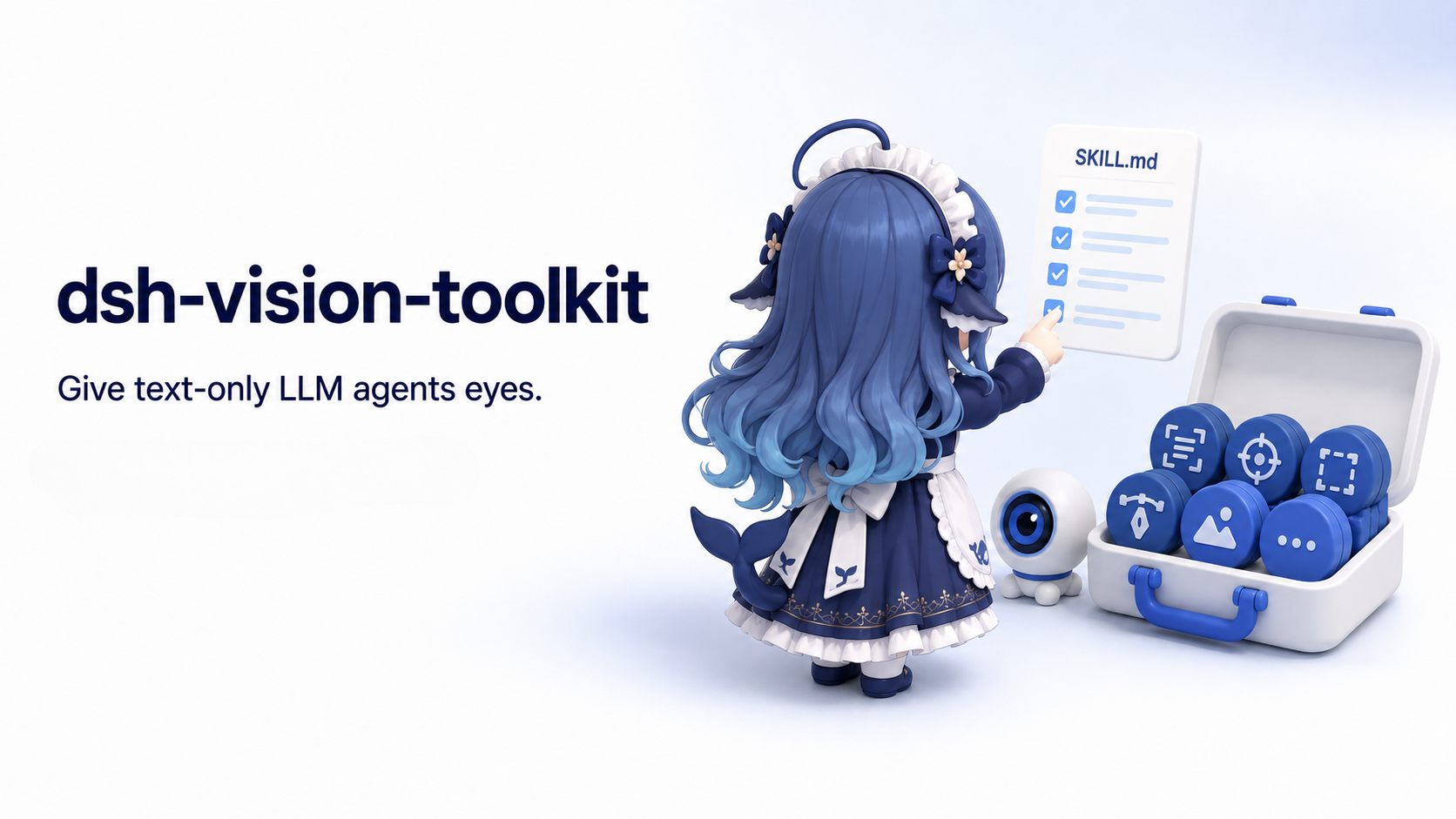
Give text-only models in DeepSeek Harness eyes, enabling image Q&A, long-screenshot OCR, UI restoration, and GUI visual tasks.