dsh-llm-gate
Run the following command in DeepSeek Harness:
dsh plugin install d3vmeh/dsh-llm-gate
Paste the following prompt into your AI chat to install this plugin:
Run dsh plugin install d3vmeh/dsh-llm-gate in your terminal to install the plugin; the project repository is available at https://github.com/d3vmeh/dsh-llm-gate .
About this plugin
Local LLM backends like llama-server often accept only one or two concurrent requests. When the main agent, a subagent, and a compaction job in DeepSeek Harness overlap, the surplus requests are silently parked by the server. The client cannot tell "waiting for a slot" from "dead", and the Node HTTP layer times out after 300 seconds with a terminated error, killing the entire turn. dsh-llm-gate intercepts those surplus requests inside dsh before any HTTP call is made: they sit in a FIFO queue with no timeout clock running, and are dispatched as soon as a slot frees up. You configure maxConcurrent, maxQueued, and queueTimeoutMs per provider, so an overfull queue fails fast with QUEUE_FULL or QUEUE_TIMEOUT instead of hanging forever. The plugin hooks into the llm/stream waterfall, so it covers every model request in the host—agents, subagents, compaction, and title generation—without any per-site code changes. It is built for developers who plug local or low-concurrency LLM providers into DeepSeek Harness and want to eliminate timeout cascades caused by concurrent overflow, without hand-rolling semaphores or retry loops in their own code.
Use Cases
- Main agent and subagent hit a local llama-server simultaneously; the low-concurrency backend cannot absorb both, and the HTTP layer times out at 300 s.
- A compaction job overlaps an active conversation; surplus model calls are silently parked by the server, indistinguishable from a dead connection.
- Per-provider slots are tuned to the actual --parallel value; excess requests wait in an internal FIFO queue and dispatch automatically once a slot frees up.
Best For
- Developers plugging local or low-concurrency LLM backends into DeepSeek Harness.
- Users running llama.cpp or llama-server with a small --parallel value who want to eliminate overflow-induced timeouts.
- Harness users who prefer a minimal-intrusion concurrency gate over hand-rolled semaphores or retry loops in application code.
Related Plugins
A unified suite combining hot runtime injection, task-aware thinking-mode routing, and a graded session protocol with red-team gates to sustain model diligence across long-horizon inference.
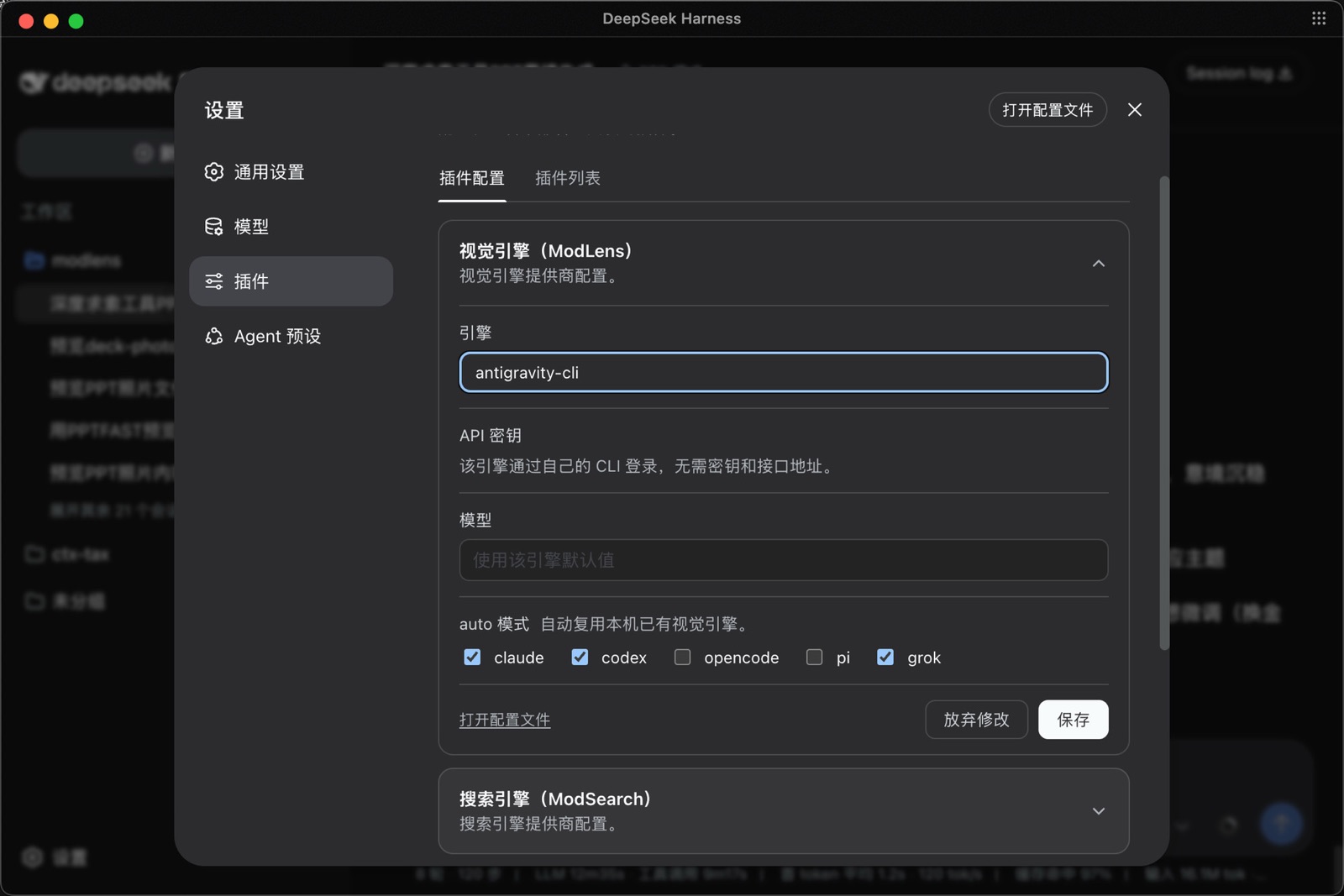
ModLens is a vision plugin for DeepSeek Harness that gives text-only models sight by reading images pasted directly into chat, with zero-config setup and multiple vision engines.
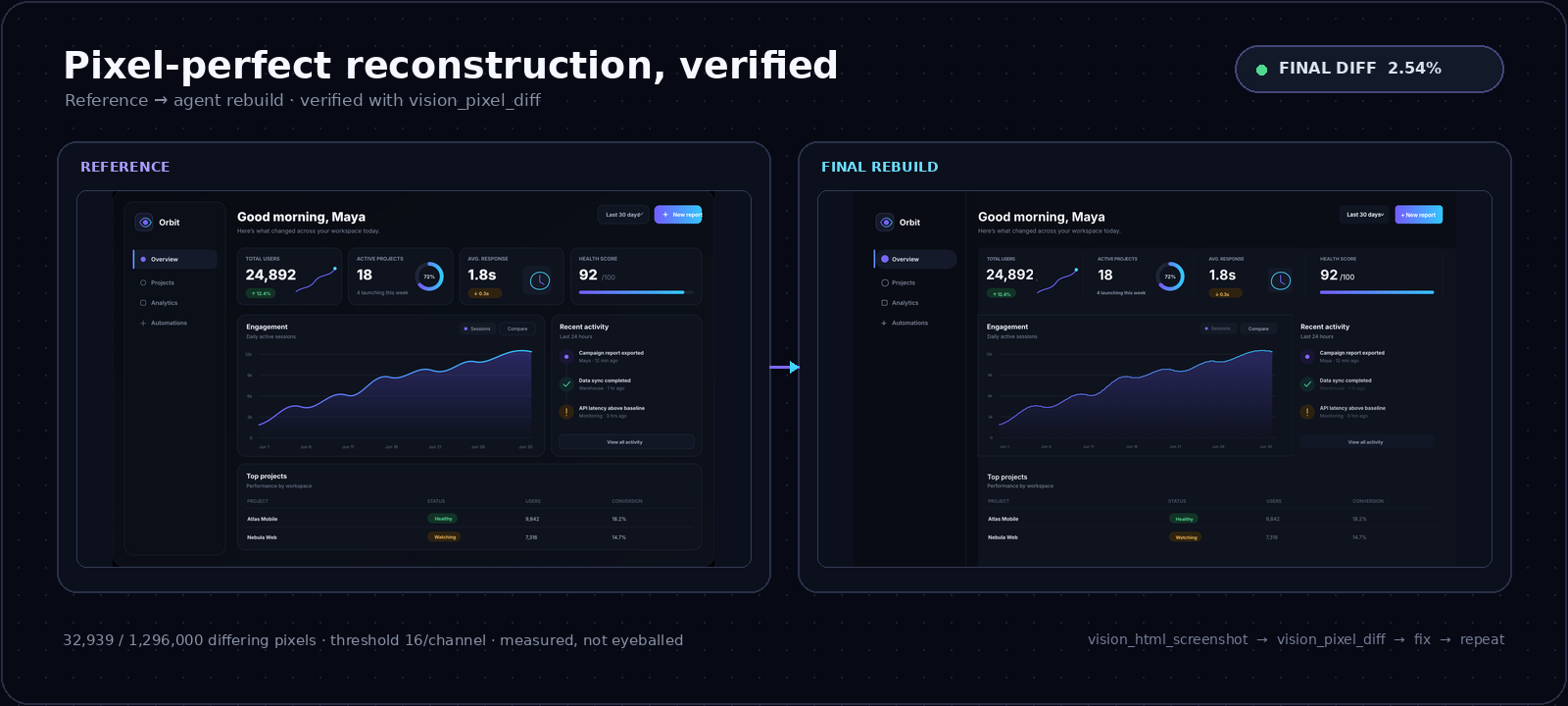
On-demand vision for text-only DeepSeek Harness agents: built-in free keyless vision chain and 14 vision tools, routing image turns as tool calls to vision models with pixel fidelity, no Python needed, one-command install.
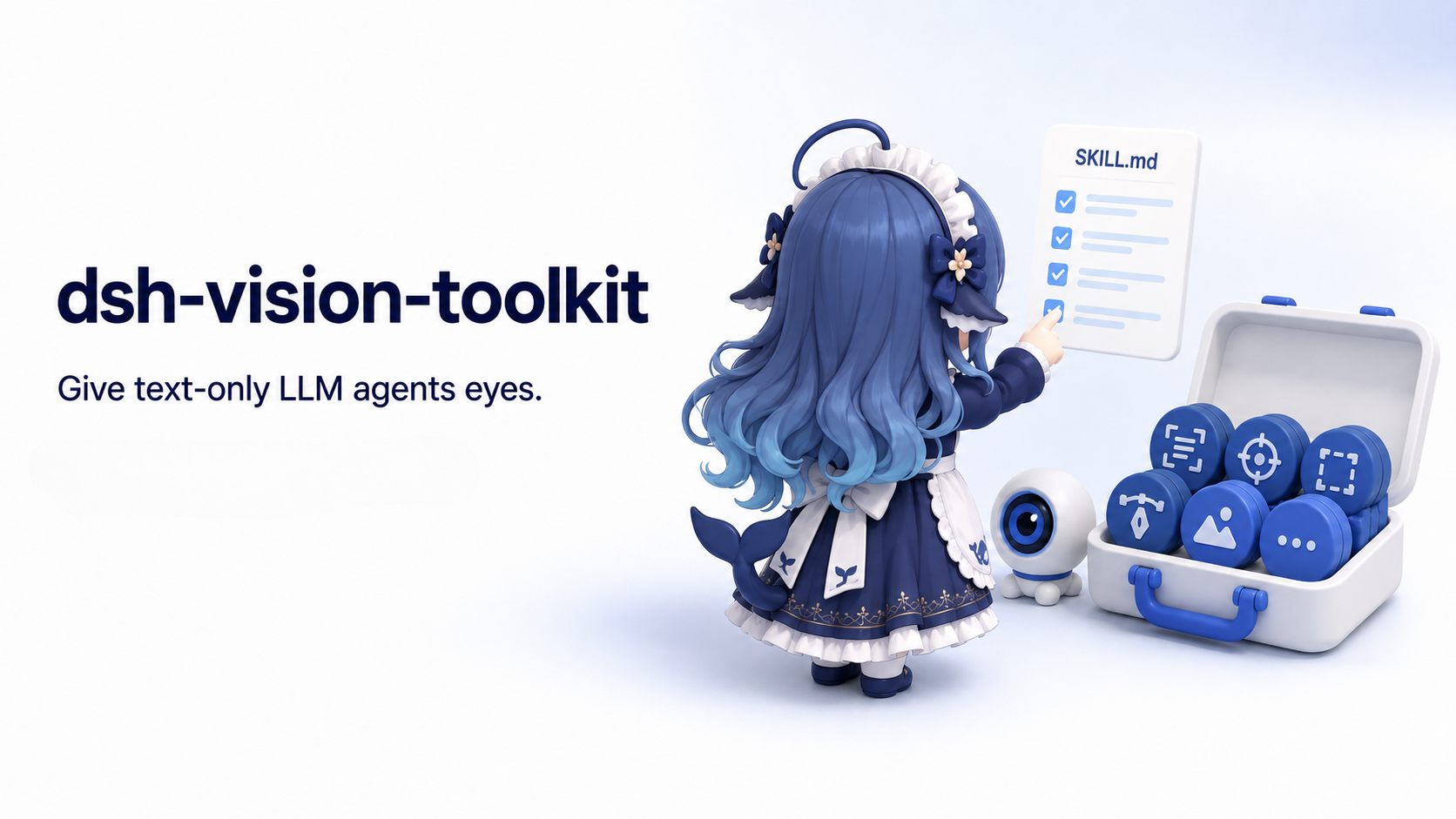
Give text-only models in DeepSeek Harness eyes, enabling image Q&A, long-screenshot OCR, UI restoration, and GUI visual tasks.