dsh-understand-anything
Run the following command in DeepSeek Harness:
dsh plugin install GongYuanCaiJi/dsh-understand-anything
Paste the following prompt into your AI chat to install this plugin:
Install in DeepSeek Harness by running dsh plugin install GongYuanCaiJi/dsh-understand-anything; the source is available at https://github.com/GongYuanCaiJi/dsh-understand-anything .
About this plugin
Taking over an unfamiliar mid-size or large codebase rarely fails at a single line of code; it fails at the architecture, dependencies, and call relationships spread across dozens of files. dsh-understand-anything solves this by first scanning the entire repository into a knowledge-graph.json covering architecture, dependencies, call graphs, and complexity. Every subsequent conversation is grounded in that graph, so the model never needs to dump whole files into the context window.
On top of the graph, the plugin exposes a family of /understand-* commands: chat-based Q&A, change-impact analysis, onboarding guide generation, business-domain and workflow extraction, LLM-wiki knowledge-base analysis, and even design-graph generation from Figma via its REST API. The --language zh flag produces Chinese summaries, tags, and descriptions for teams that work in Chinese.
It is built for three audiences: developers who inherit an unfamiliar project and need a global mental model quickly; engineers who want to assess the blast radius and risk of a pending change before committing; and tech leads who want to reverse-engineer business domains and flows from code and produce onboarding documentation for new team members.
Use Cases
- Build a global architectural understanding when inheriting an unfamiliar codebase
- Assess which components and risks a pending change touches before committing
- Auto-generate onboarding docs and business-domain walkthroughs for new team members
Best For
- Developers inheriting an unfamiliar project
- Engineers who need pre-commit change-impact evaluation
- Tech leads who want to reverse-engineer business domains from code
Related Plugins
A unified suite combining hot runtime injection, task-aware thinking-mode routing, and a graded session protocol with red-team gates to sustain model diligence across long-horizon inference.
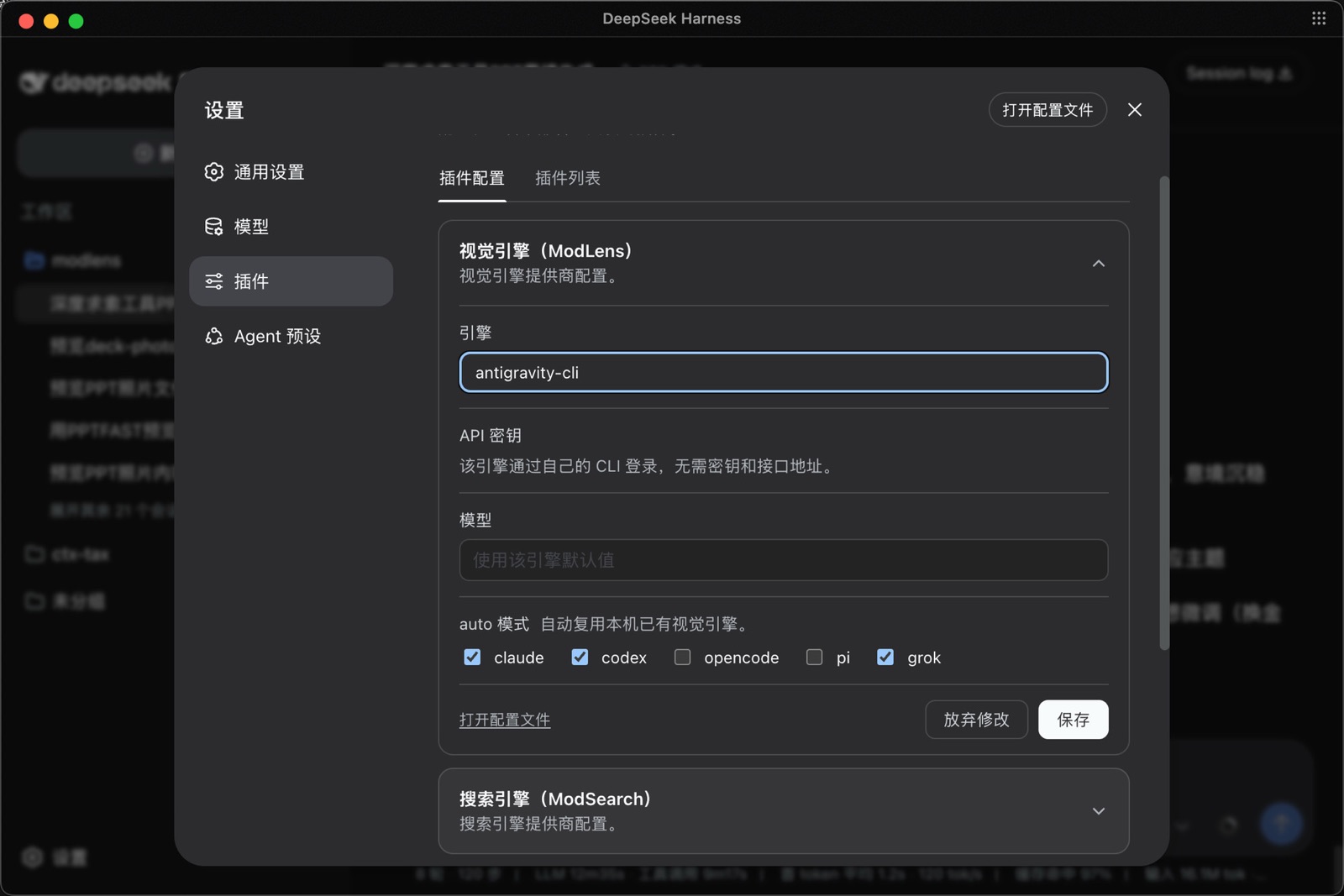
ModLens is a vision plugin for DeepSeek Harness that gives text-only models sight by reading images pasted directly into chat, with zero-config setup and multiple vision engines.
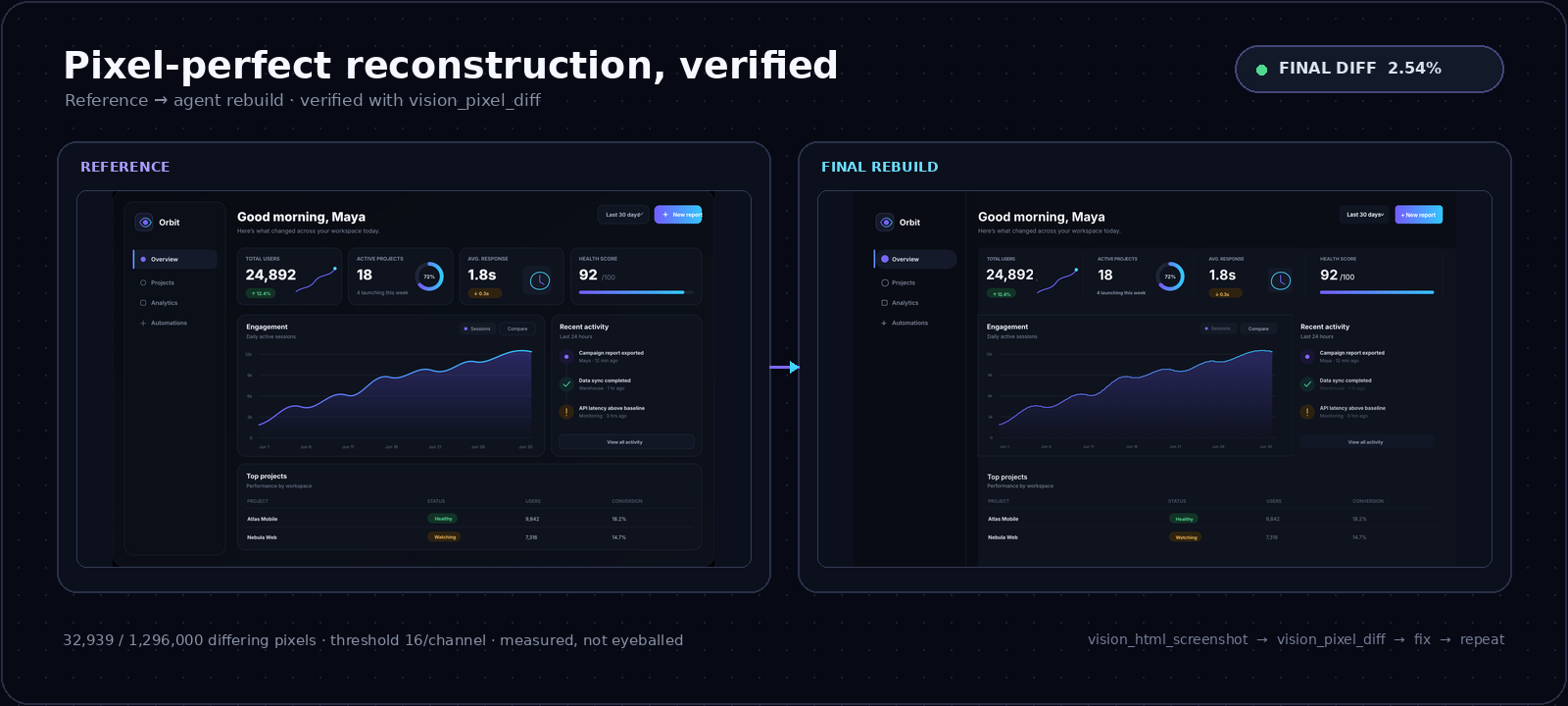
On-demand vision for text-only DeepSeek Harness agents: built-in free keyless vision chain and 14 vision tools, routing image turns as tool calls to vision models with pixel fidelity, no Python needed, one-command install.
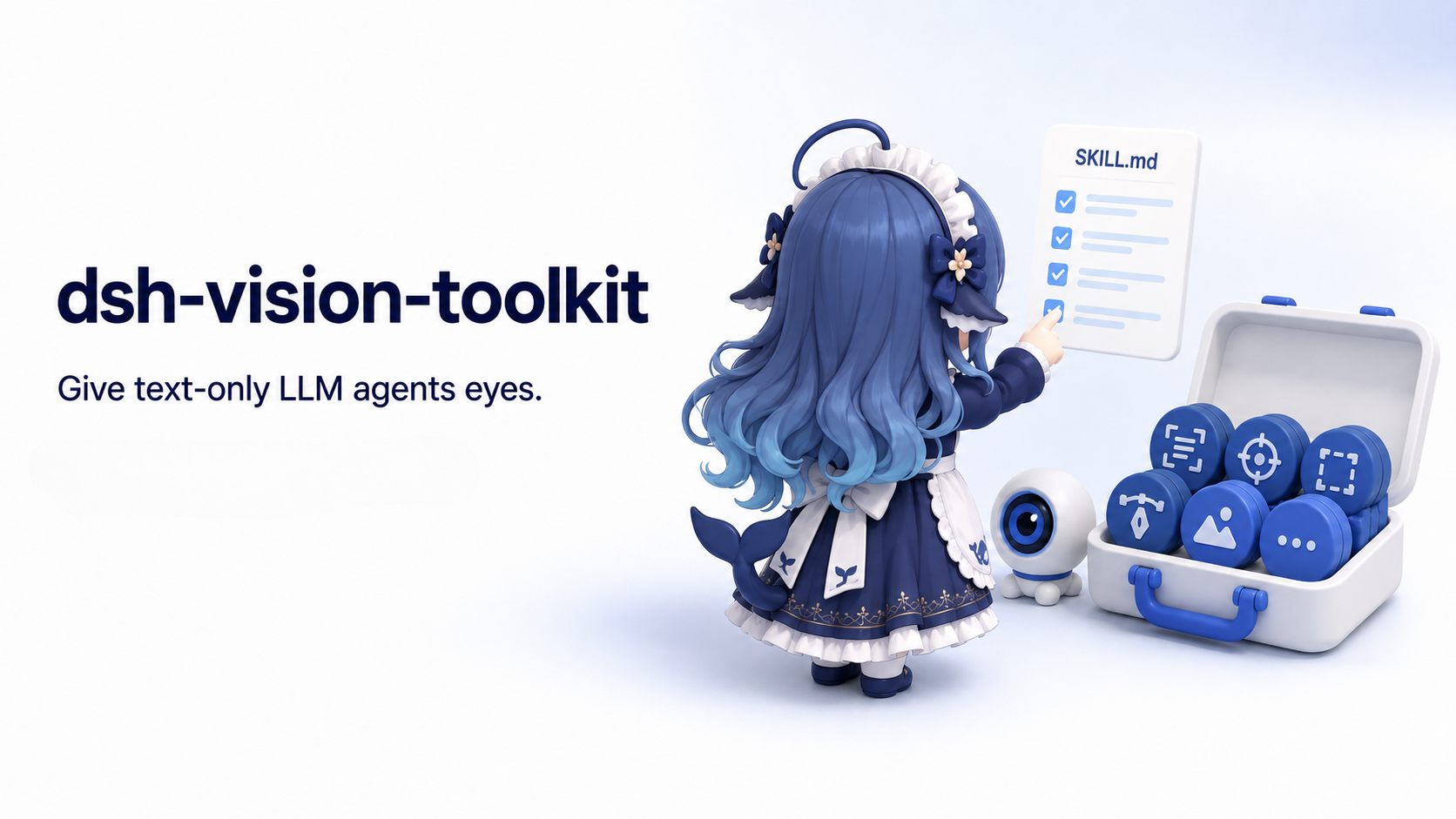
Give text-only models in DeepSeek Harness eyes, enabling image Q&A, long-screenshot OCR, UI restoration, and GUI visual tasks.