dsh-plugin-grok
Run the following command in DeepSeek Harness:
dsh plugin install toolazytoname/dsh-plugin-grok
Paste the following prompt into your AI chat to install this plugin:
Run dsh plugin install toolazytoname/dsh-plugin-grok to install this plugin in DeepSeek Harness. Full source: https://github.com/toolazytoname/dsh-plugin-grok
About this plugin
If you already have Grok Build running locally and want its text reasoning, image generation, and video capabilities woven directly into a DeepSeek Harness workflow without maintaining an extra grok2api or raw HTTP gateway, this plugin exists for that. It does one thing: when the model needs it, it execs the grok binary on your machine. Auth is whatever the CLI already accepts, be it a SuperGrok session or an XAI_API_KEY.
A single worker exposes three tools. grok_ask covers text Q&A, code review, and planning with the full coding toolset. grok_imagine_image returns absolute paths to still images. grok_imagine_video stages a still first, then animates it via image_to_video. Every call fails closed if the binary is missing, auth is absent, or the output is unparseable, so nothing is silently lost.
Built for developers who have already installed Grok Build and sign in with SuperGrok or hold a console.x.ai API key. Mainland China users simply need a working https_proxy. It is not a replacement for grok itself nor a budget gatekeeper, just a lightweight handle that lets you summon Grok reasoning and media generation right inside DSH.
Use Cases
- Let the model invoke Grok for code review, planning, and text Q&A inside a DSH workflow
- Produce still images or short video clips via image-to-video in a content pipeline
- Reuse an already-installed local Grok Build without standing up a separate API gateway
Best For
- Developers who have Grok Build installed and sign in with SuperGrok
- Engineers holding a console.x.ai API key who need image and video generation
- Teams that want to unify multi-model inference into a single DSH workflow
Related Plugins
A unified suite combining hot runtime injection, task-aware thinking-mode routing, and a graded session protocol with red-team gates to sustain model diligence across long-horizon inference.
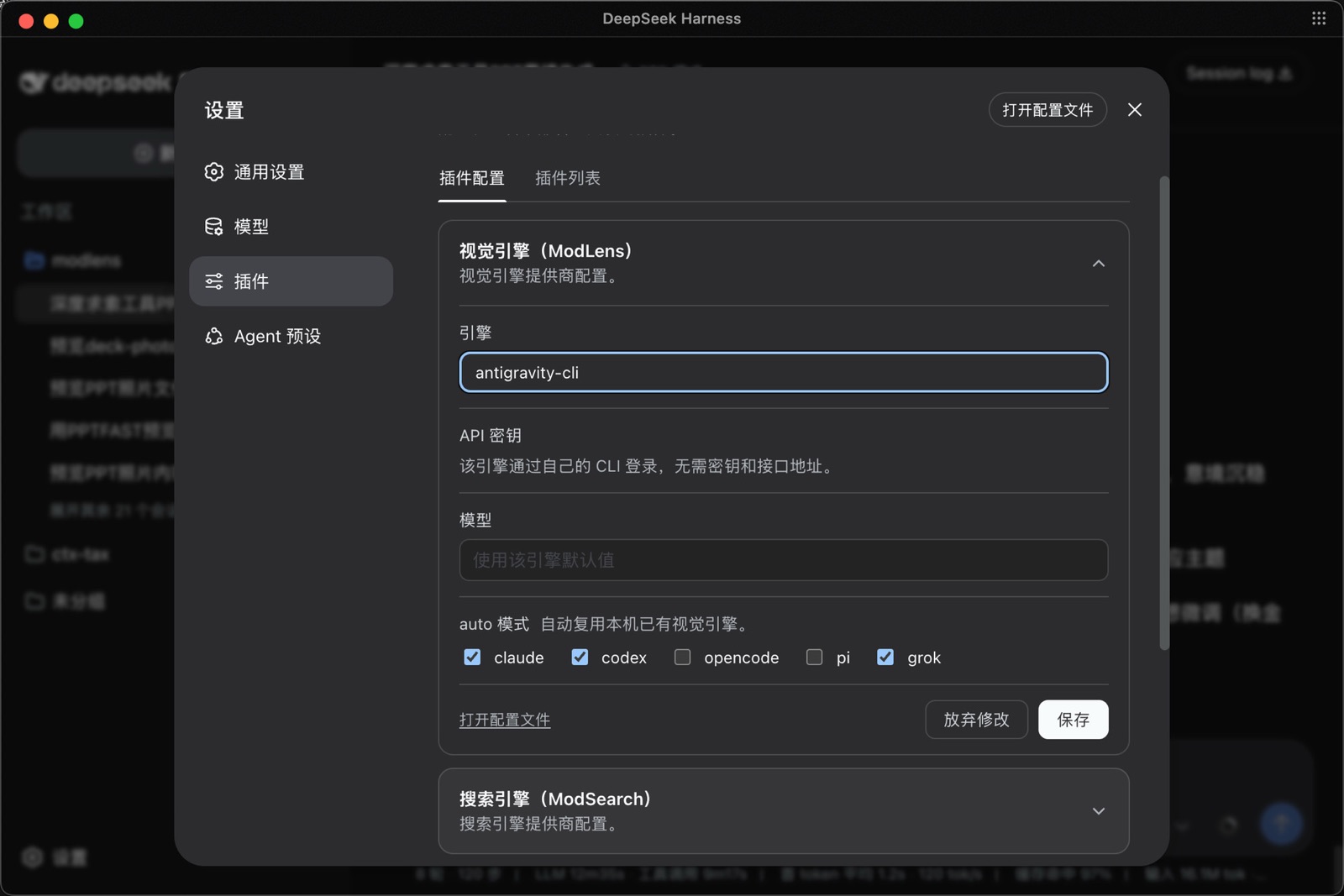
ModLens is a vision plugin for DeepSeek Harness that gives text-only models sight by reading images pasted directly into chat, with zero-config setup and multiple vision engines.
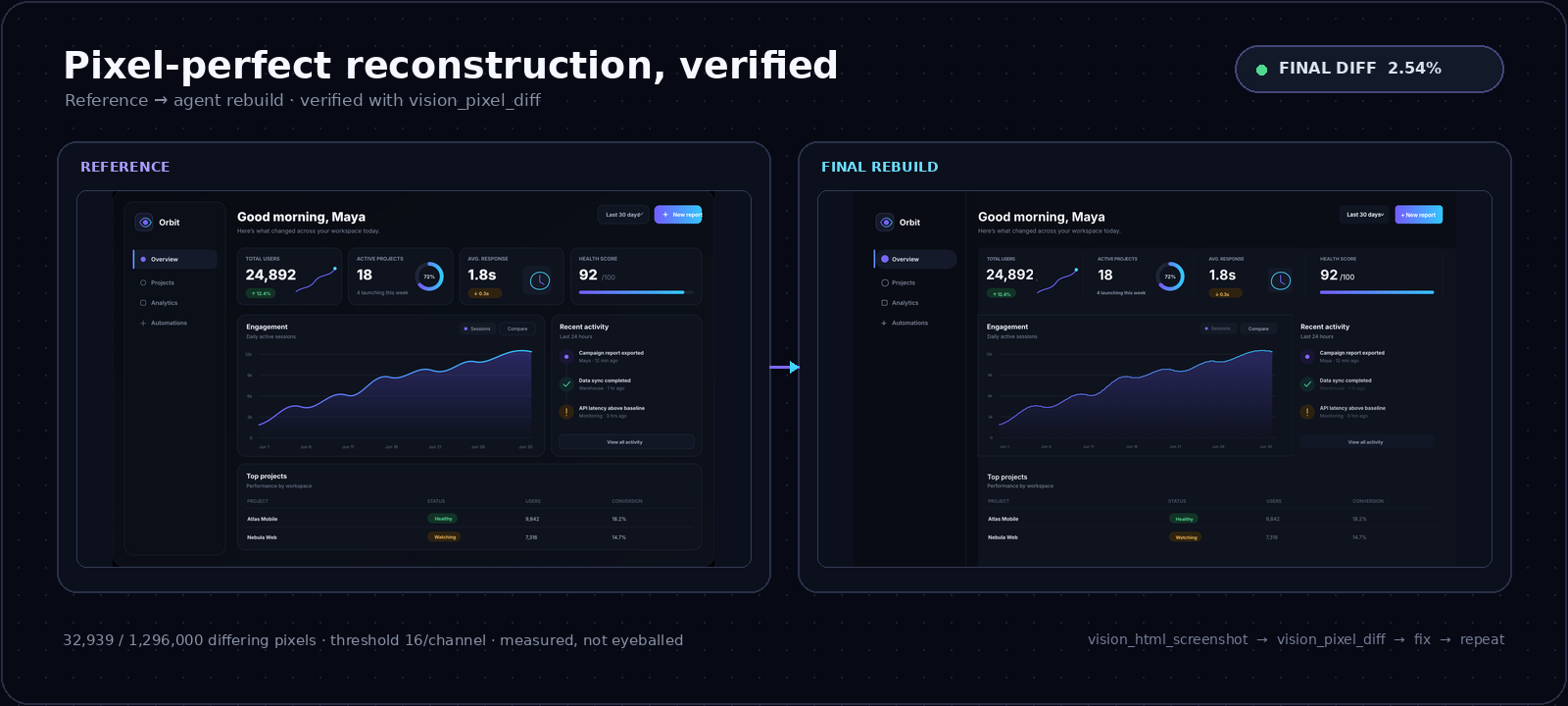
On-demand vision for text-only DeepSeek Harness agents: built-in free keyless vision chain and 14 vision tools, routing image turns as tool calls to vision models with pixel fidelity, no Python needed, one-command install.
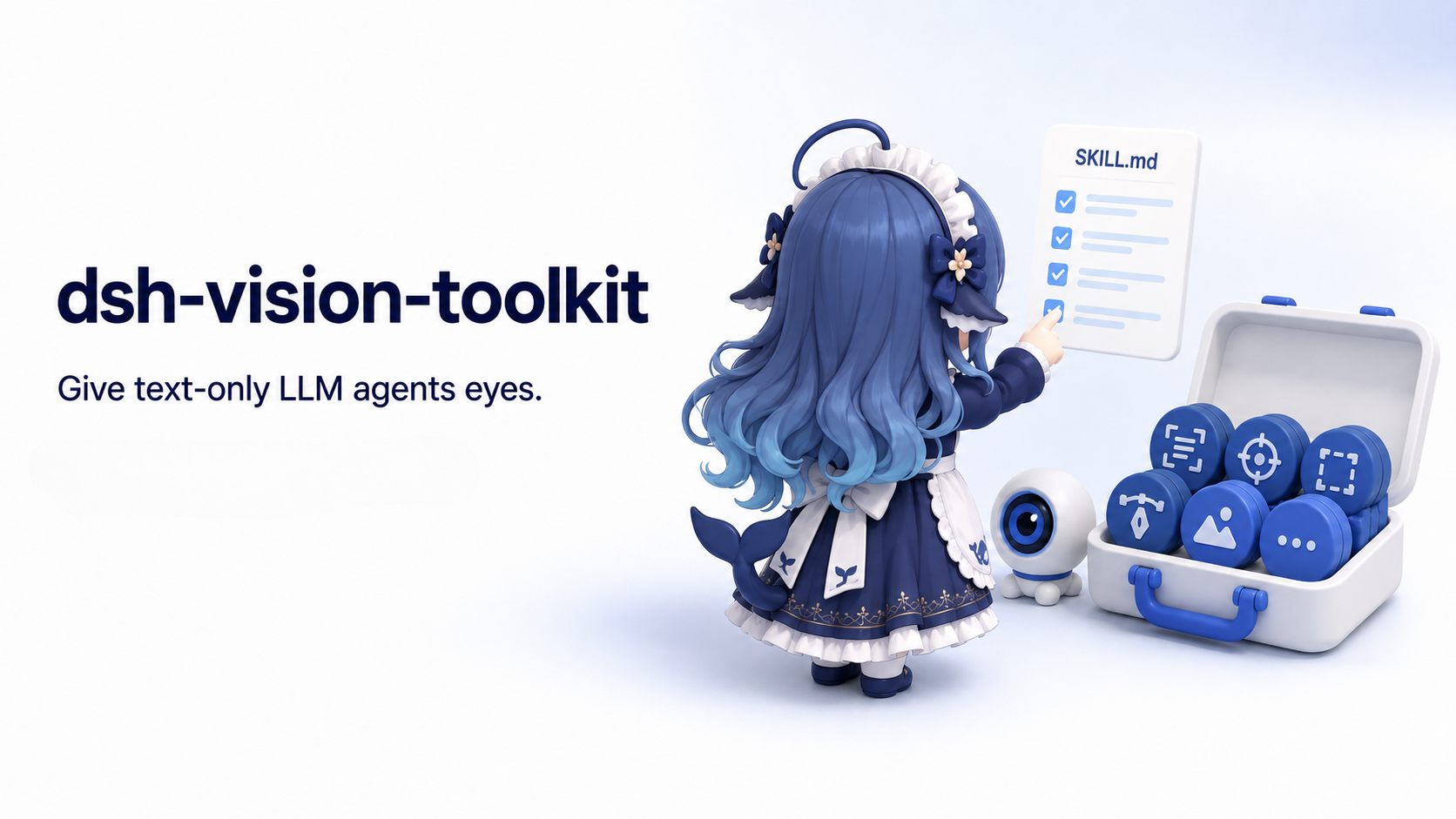
Give text-only models in DeepSeek Harness eyes, enabling image Q&A, long-screenshot OCR, UI restoration, and GUI visual tasks.