dsh-objectid
Run the following command in DeepSeek Harness:
dsh plugin install uckkk/dsh-objectid
Paste the following prompt into your AI chat to install this plugin:
Run dsh plugin install uckkk/dsh-objectid in your DeepSeek Harness terminal to install the ObjectId generation plugin from https://github.com/uckkk/dsh-objectid.
About this plugin
Generating a MongoDB-compatible ObjectId usually means switching to a terminal, spinning up a REPL, or hitting an online service — a small but unnecessary interruption in your workflow. dsh-objectid brings the task right into the conversation: a pure Node.js ObjectId generator plugin that, once registered, can be called in-session to produce IDs instantly, with zero network requests and no external dependencies.
The plugin does one thing and does it well — it produces standard 24-hex-character identifiers following the canonical layout (4-byte timestamp + 5-byte random value + 3-byte counter). Because the computation is entirely local, results are deterministic, latency is negligible, and the tool works the same way in a fully offline environment. There is no hidden dependency on a third-party API to worry about.
If you are prototyping, orchestrating data, or simply debugging inside DeepSeek Harness and need to knock out a batch of MongoDB-spec IDs on the fly, dsh-objectid is the lightest option available: install it, call it, move on — no extra runtimes, no network calls creeping into your toolchain.
Use Cases
- Quickly generate a batch of MongoDB-compatible unique identifiers within a session
- Produce standard 24-hex ObjectIds in a fully offline environment with zero network calls
- Register document _id values on the fly during prototyping without switching to a terminal
Best For
- Developers building prototypes or orchestrating data with DeepSeek Harness
- Engineers who need to generate standard ObjectIds without network access
- Teams that prefer a lightweight toolchain with no third-party API dependencies
Related Plugins
A unified suite combining hot runtime injection, task-aware thinking-mode routing, and a graded session protocol with red-team gates to sustain model diligence across long-horizon inference.
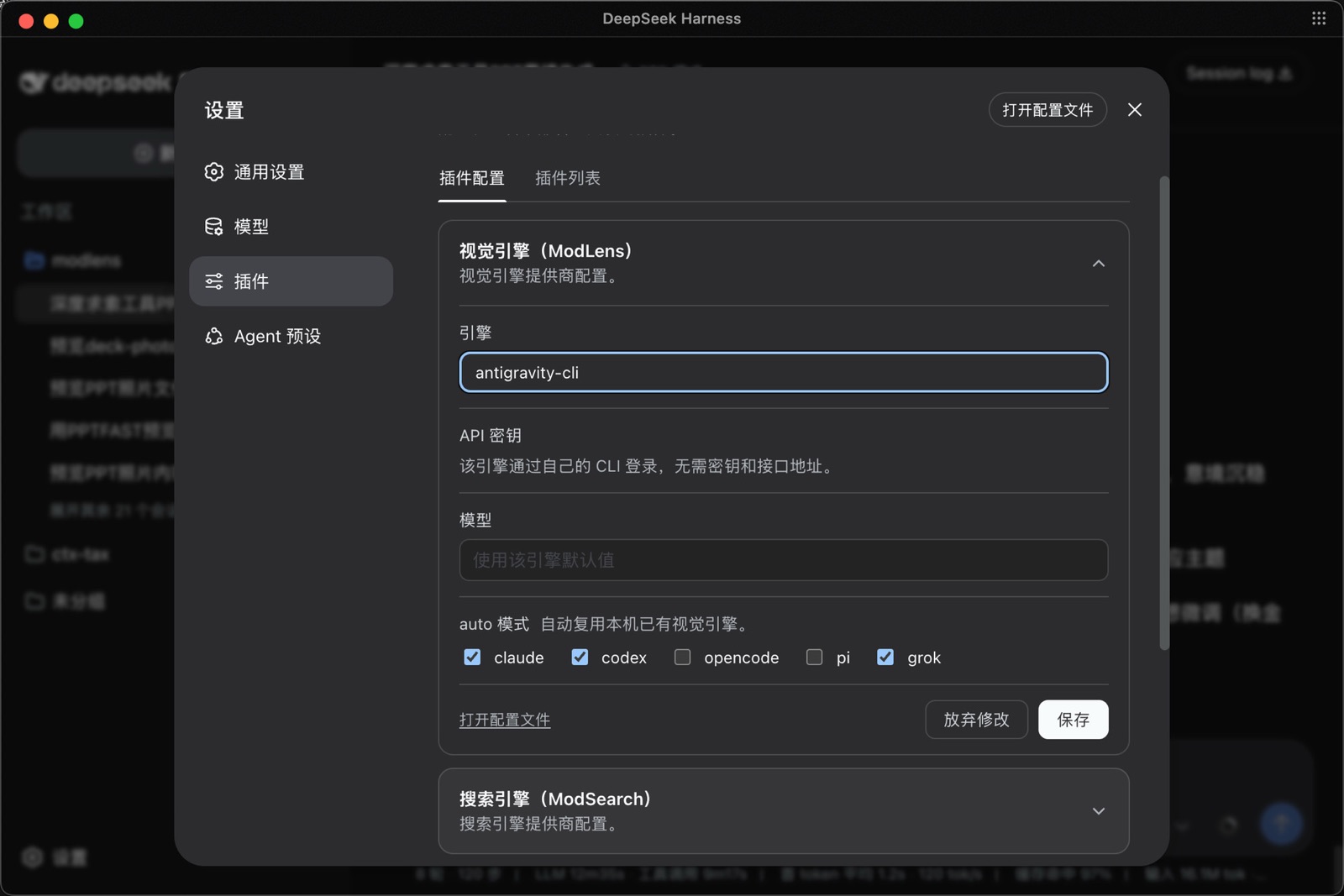
ModLens is a vision plugin for DeepSeek Harness that gives text-only models sight by reading images pasted directly into chat, with zero-config setup and multiple vision engines.
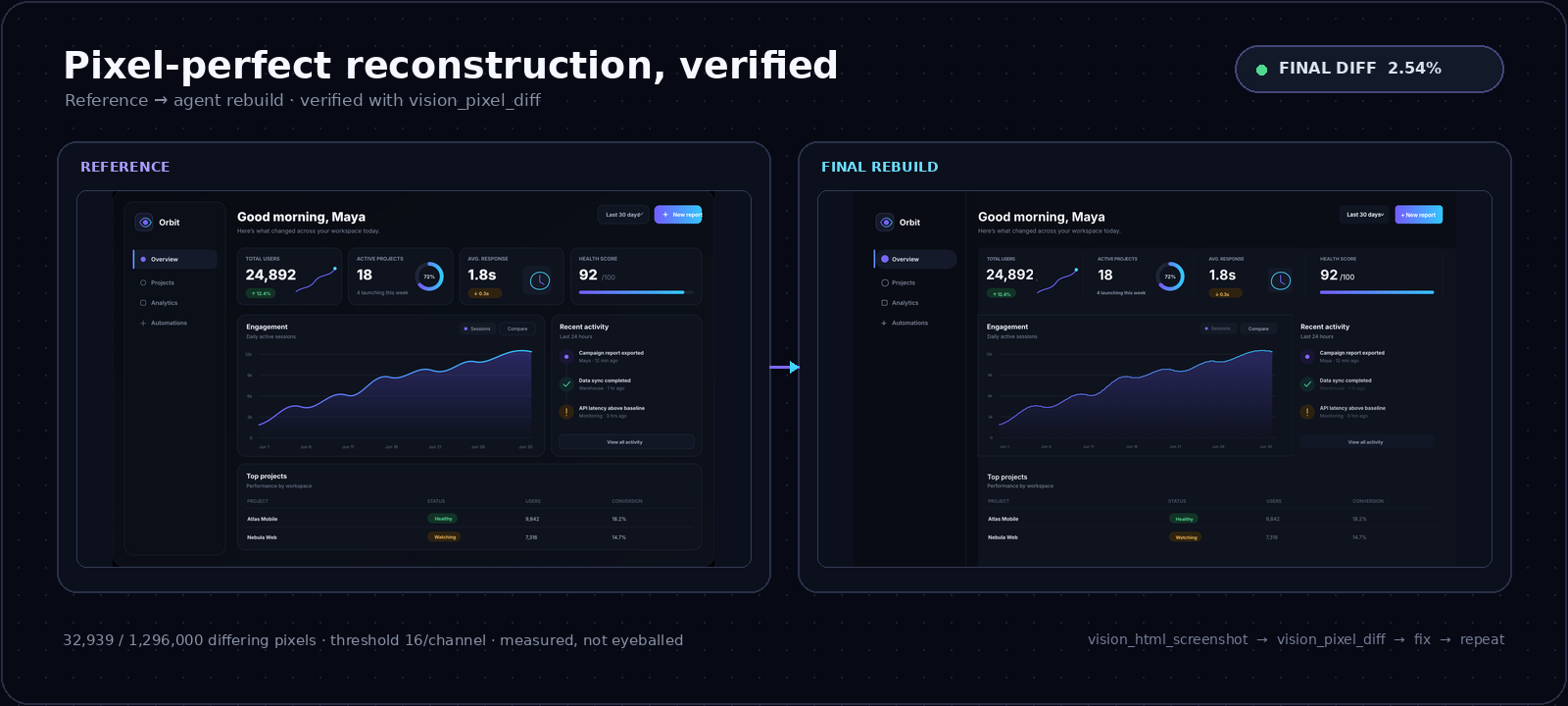
On-demand vision for text-only DeepSeek Harness agents: built-in free keyless vision chain and 14 vision tools, routing image turns as tool calls to vision models with pixel fidelity, no Python needed, one-command install.
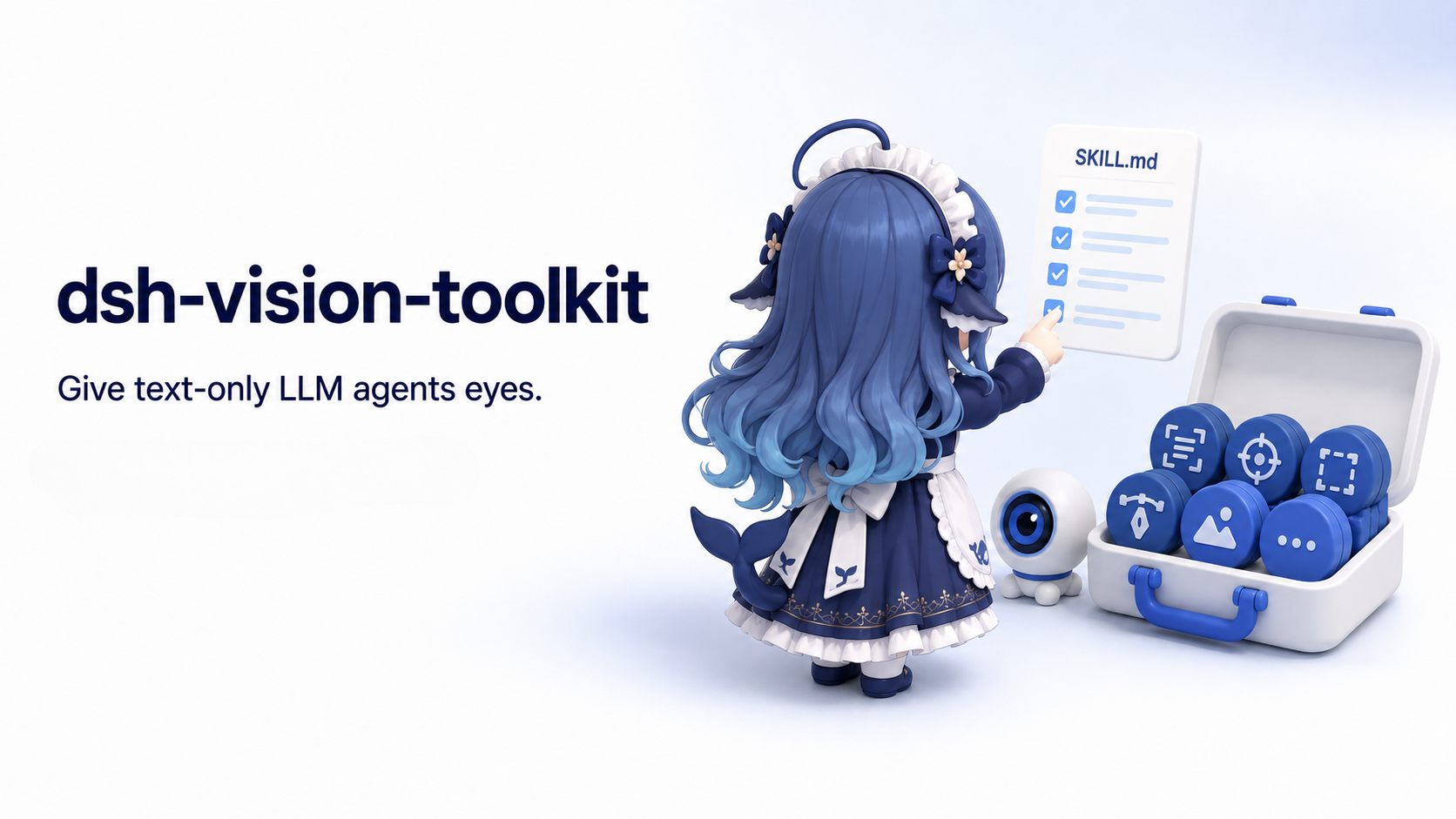
Give text-only models in DeepSeek Harness eyes, enabling image Q&A, long-screenshot OCR, UI restoration, and GUI visual tasks.