dsh-is-coprime
Run the following command in DeepSeek Harness:
dsh plugin install uckkk/dsh-is-coprime
Paste the following prompt into your AI chat to install this plugin:
Run dsh plugin install uckkk/dsh-is-coprime in the terminal to install the plugin; source code is available at https://github.com/uckkk/dsh-is-coprime .
About this plugin
In number-theory proofs, modular-arithmetic feasibility checks, or RSA parameter validation, determining whether two integers are coprime is a frequent and foundational step. Traditionally you would sketch a quick gcd routine, run it, and read back the result, breaking your train of thought and opening the door to small off-by-one bugs. dsh-is-coprime collapses that step into a single in-session tool call so the AI assistant can return a coprimality verdict directly, eliminating the write-run-read loop.
The plugin is implemented in pure Node.js with zero external dependencies and zero network calls. Once installed, the tool is registered in the session context immediately. There is no server to boot, no environment variable to set, and no configuration file to maintain. This side-effect-free design means it can be dropped into any local inference pipeline without introducing supply-chain risk.
It is well suited to developers working in number theory and cryptography, to math-teaching sessions where coprimality checks appear mid-conversation, and to any team that wants its model-inference workflow to stay lightweight, deterministic, and fully offline-capable.
Use Cases
- Quickly verifying coprimality of two integers during model inference
- Checking parameter pairs for coprimality before RSA key generation
- Instant coprimality checks in number-theory teaching conversations without writing manual code
Best For
- Developers working in number theory and cryptography
- Engineering teams requiring offline, zero-dependency inference pipelines
- Instructors and students needing conversational coprimality verification in math sessions
Related Plugins
A unified suite combining hot runtime injection, task-aware thinking-mode routing, and a graded session protocol with red-team gates to sustain model diligence across long-horizon inference.
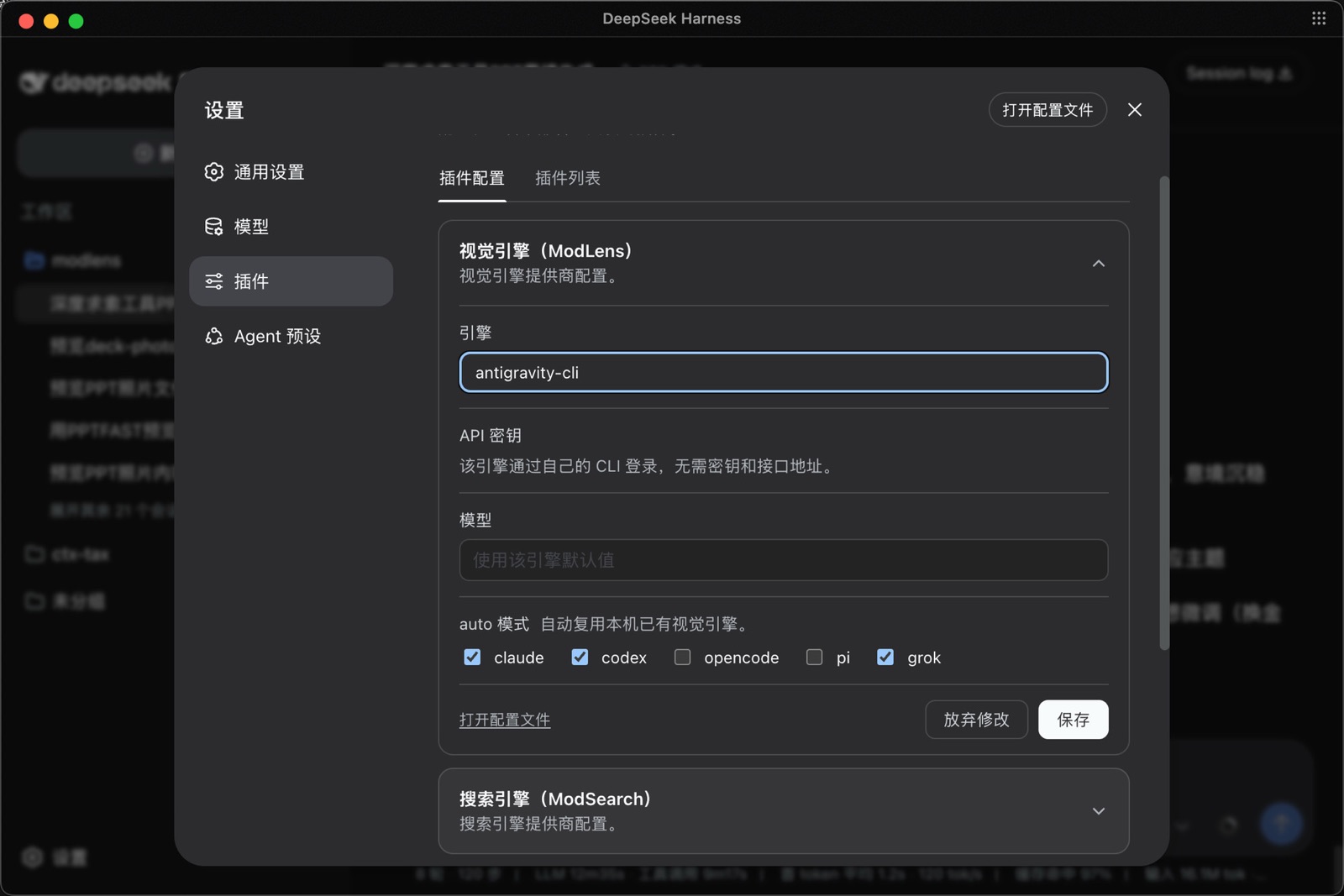
ModLens is a vision plugin for DeepSeek Harness that gives text-only models sight by reading images pasted directly into chat, with zero-config setup and multiple vision engines.
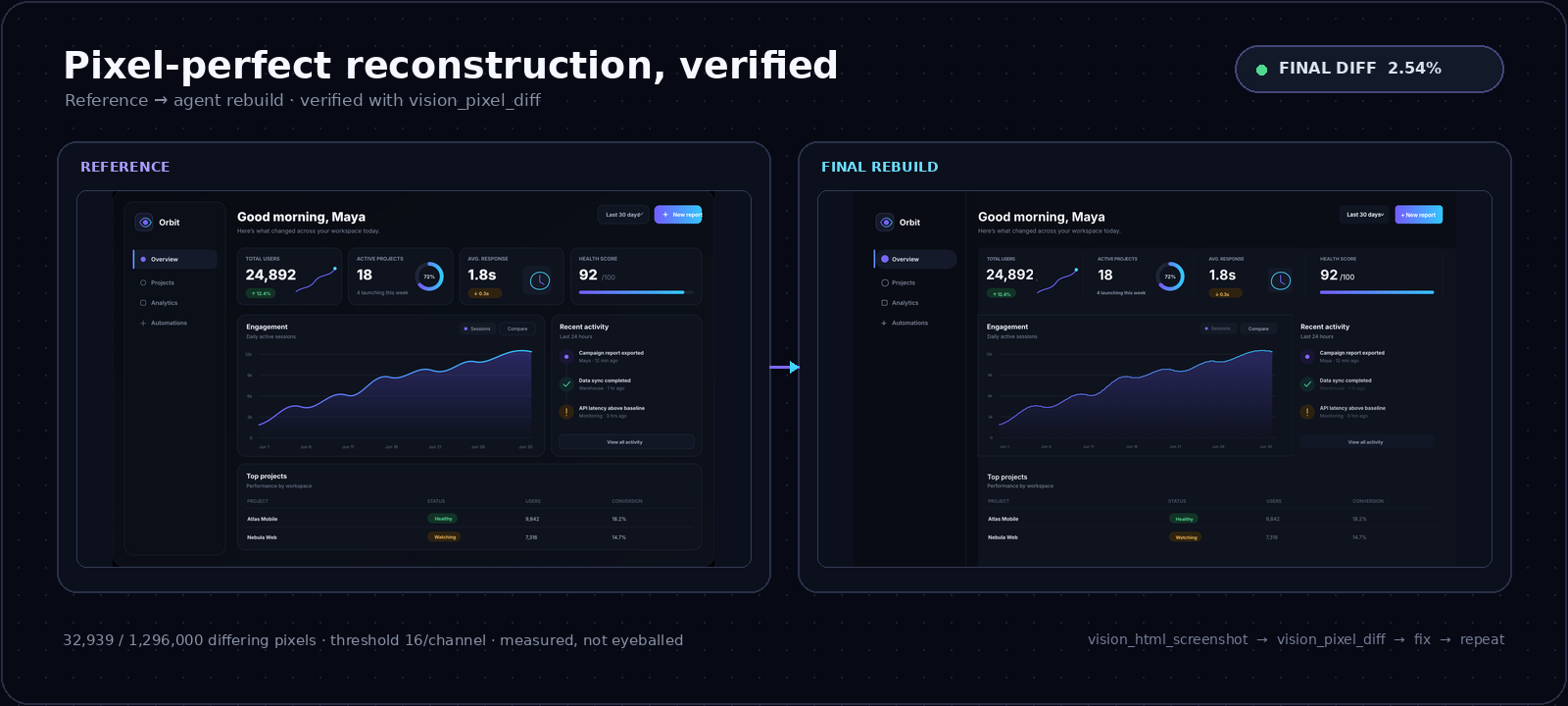
On-demand vision for text-only DeepSeek Harness agents: built-in free keyless vision chain and 14 vision tools, routing image turns as tool calls to vision models with pixel fidelity, no Python needed, one-command install.
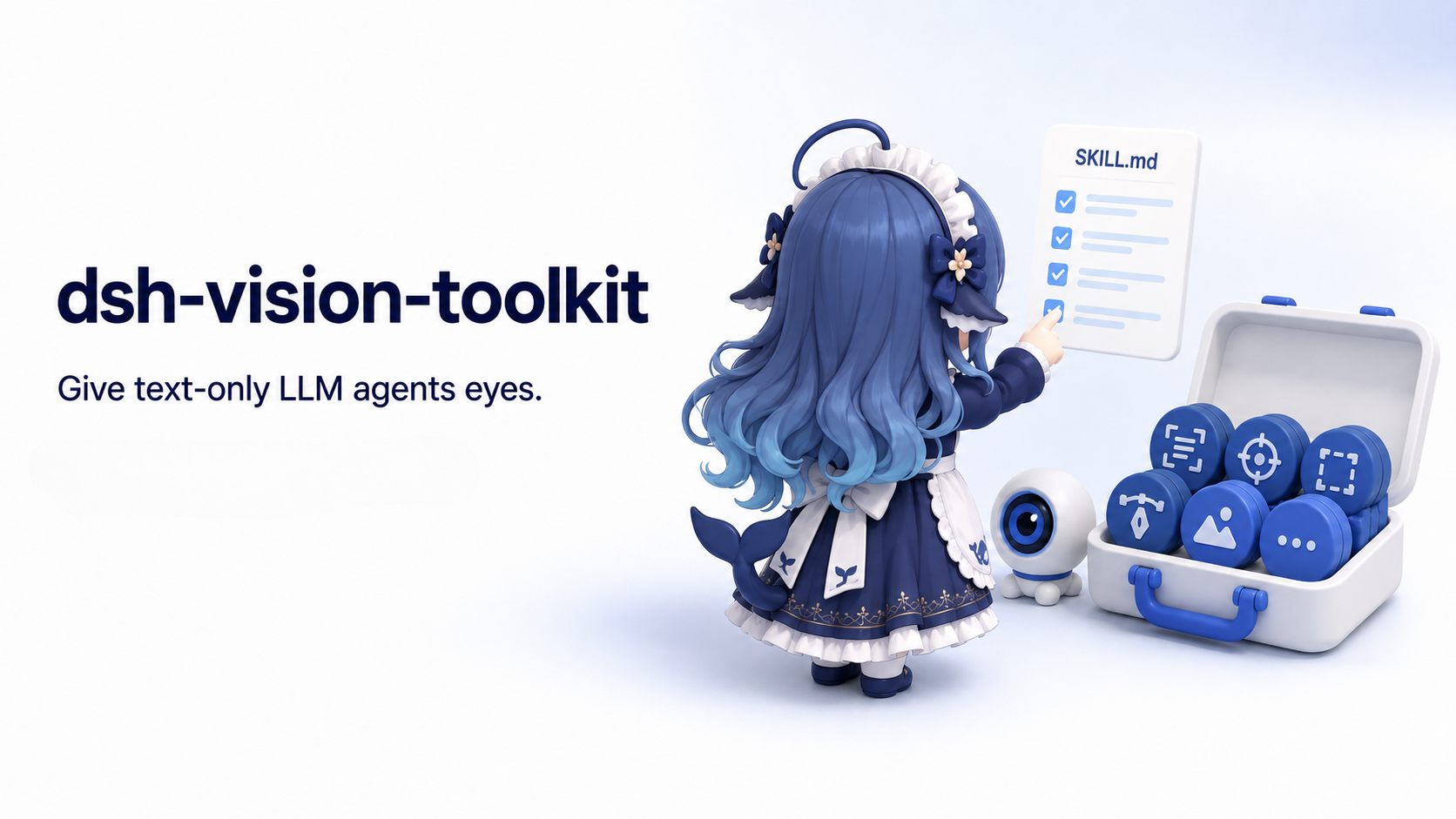
Give text-only models in DeepSeek Harness eyes, enabling image Q&A, long-screenshot OCR, UI restoration, and GUI visual tasks.