dsh-uric-acid
Run the following command in DeepSeek Harness:
dsh plugin install uckkk/dsh-uric-acid
Paste the following prompt into your AI chat to install this plugin:
Run dsh plugin install uckkk/dsh-uric-acid in your terminal to install this plugin; the source repository is available at https://github.com/uckkk/dsh-uric-acid .
About this plugin
A uric acid lab report can leave you puzzled: a slightly elevated value, a reference range you have never encountered, units that do not seem to add up. dsh-uric-acid is a lightweight interpreter built for exactly that moment. You feed it the relevant test parameters and it returns a plain-language, item-by-item explanation of what each result means, giving you an extra layer of context while you read your report. All interpretations are for everyday reference only; always follow your physician's advice.
Under the hood, the plugin is written in pure Node.js and makes zero network requests. Every parsing rule runs locally, so it starts instantly, stays tiny in footprint, and works fully offline. This design also keeps your personal health data on your machine rather than shipping it to an external service. As a model-inference plugin for DeepSeek Harness, it can be invoked directly inside a session with no extra setup or dependencies.
It is a good fit for two kinds of users: everyday people who just received a uric acid panel and want a quick, jargon-free read on the numbers, and developers who value local, dependency-free processing of personal health data. If you are assembling a lightweight, offline-capable workflow for interpreting lab results, this plugin is a zero-overhead starting point.
Use Cases
- Quickly decode a uric acid lab panel after receiving results
- Interpret lab values fully offline with no data leaving your machine
- Invoke directly inside a DeepSeek Harness session with zero setup
Best For
- Everyday people who want a jargon-free read on their uric acid panel
- Developers who prefer local, dependency-free processing of personal health data
- Engineers building lightweight, offline lab-report interpretation workflows
Related Plugins
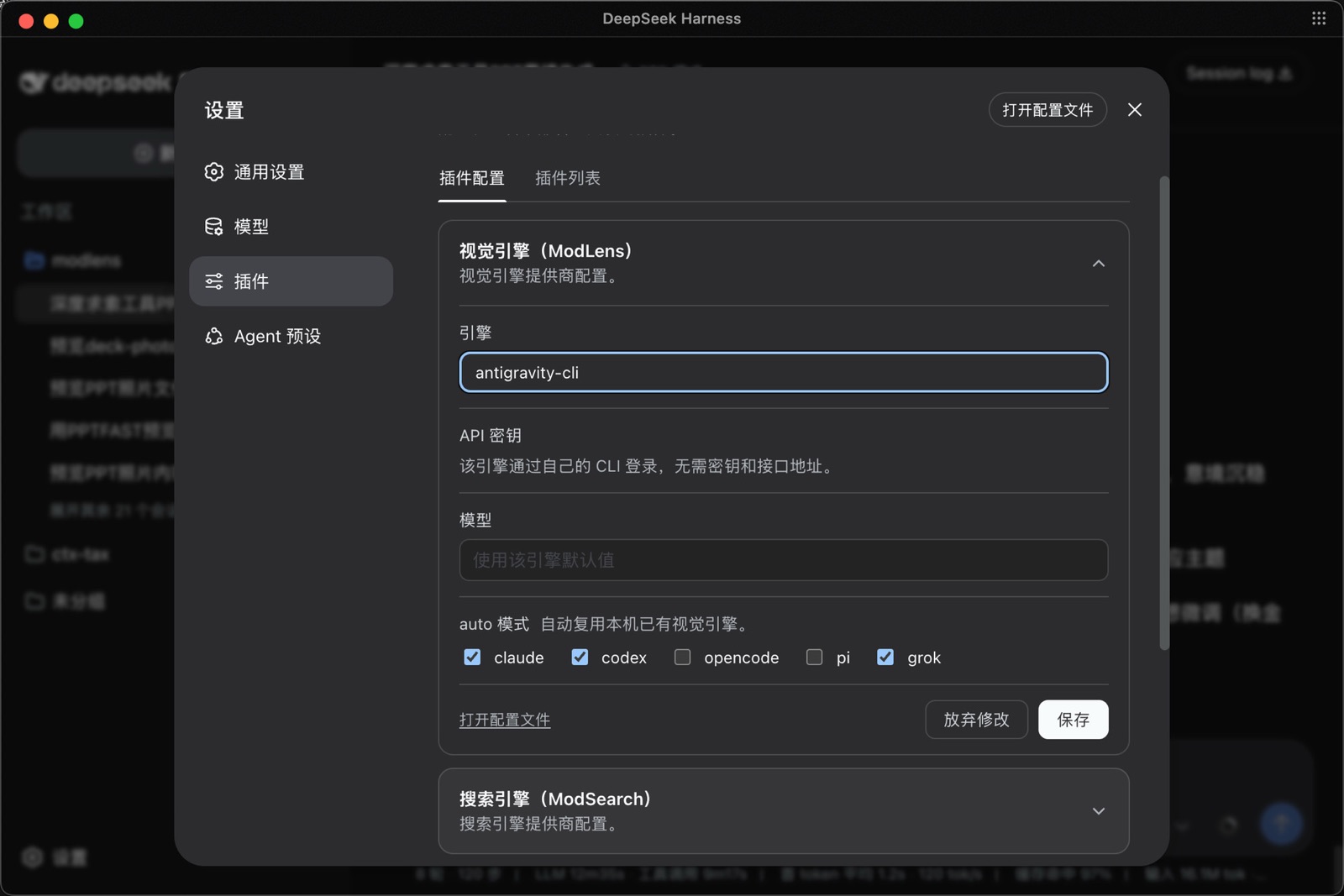
ModLens is a vision plugin for DeepSeek Harness that gives text-only models sight by reading images pasted directly into chat, with zero-config setup and multiple vision engines.
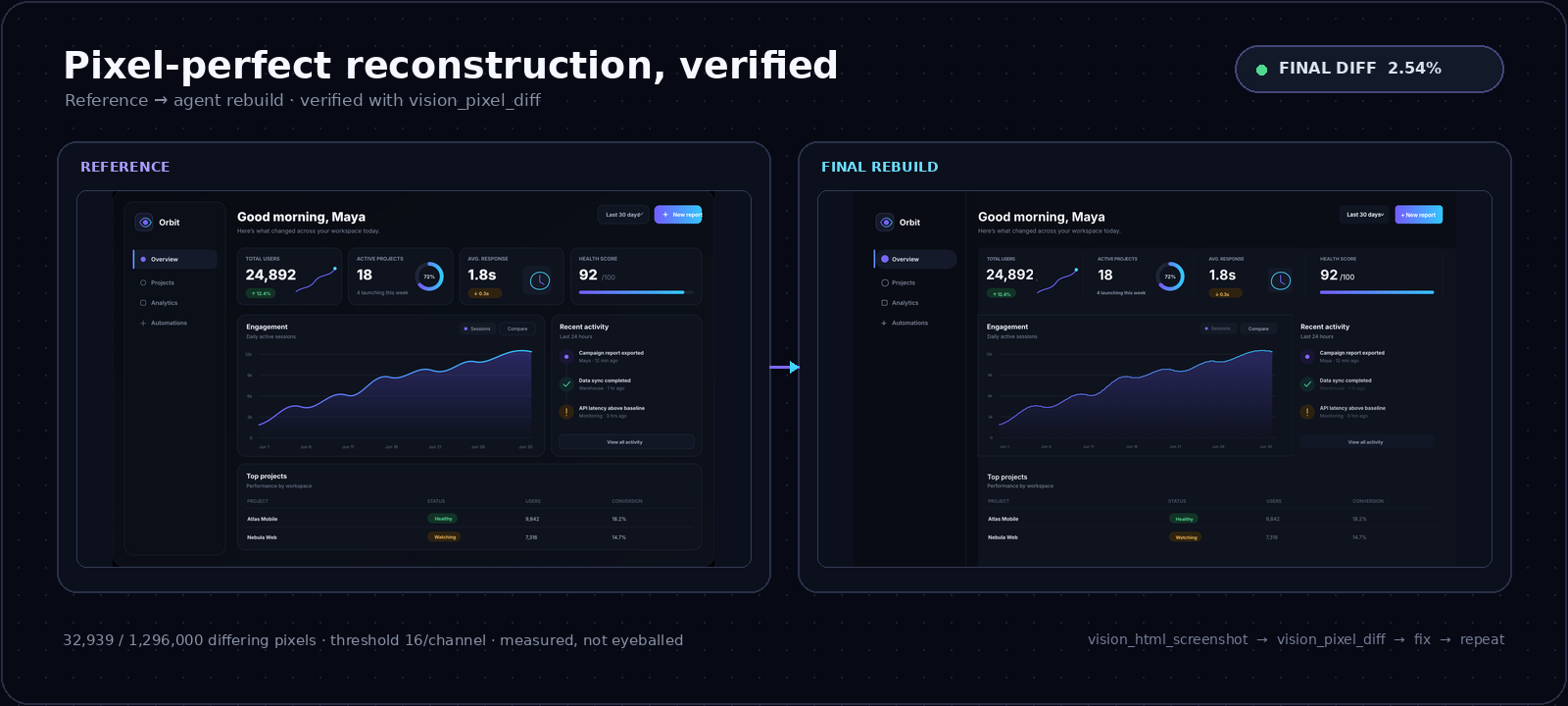
On-demand vision for text-only DeepSeek Harness agents: built-in free keyless vision chain and 14 vision tools, routing image turns as tool calls to vision models with pixel fidelity, no Python needed, one-command install.
Give text-only models in DeepSeek Harness eyes, enabling image Q&A, long-screenshot OCR, UI restoration, and GUI visual tasks.
An armor-breaking plugin for DeepSeek: rewrites instruction priority, expands refusal-blocked phrases, persists across sessions, and shows a green active indicator.