dsh-weight-pick
Run the following command in DeepSeek Harness:
dsh plugin install uckkk/dsh-weight-pick
Paste the following prompt into your AI chat to install this plugin:
Run the command dsh plugin install uckkk/dsh-weight-pick in DeepSeek Harness to install this plugin. Source: https://github.com/uckkk/dsh-weight-pick.
About this plugin
Picking the right weight for each lift is one of the most common sources of guesswork in strength training. Whether you are targeting a specific muscle group, adjusting for a deload week, or scaling intensity for a beginner versus an advanced lifter, the correct number changes every session. dsh-weight-pick turns that decision into a structured lookup: pass in the relevant parameters and receive a concrete strength training plan, saving you from eyeballing plates each time.
What sets this plugin apart is its minimalism. The entire implementation is pure Node with zero network calls and no external API dependencies, so it runs reliably in offline sandboxes, air-gapped machines, or privacy-sensitive setups where outbound traffic is restricted. Once installed, the plugin registers as a session tool you can invoke directly in conversation — no API keys, no routing layer, no configuration files to maintain.
It is a good fit for lifters who want a quick, repeatable reference before the next set, as well as developers embedding training queries into local agent pipelines. If you prefer lightweight, offline-first plugins that work out of the box with no external services, dsh-weight-pick delivers exactly that.
Use Cases
- Look up a weight and rep scheme for a target muscle group before every session
- Generate a strength training plan in offline or network-restricted environments
- Embed training queries into a local agent workflow to auto-return recommended plans
Best For
- Fitness enthusiasts who want a quick weight-and-reps reference before each session
- Developers integrating training queries into local agent pipelines
- Engineers who prefer lightweight, zero-dependency, offline-first tools
Related Plugins
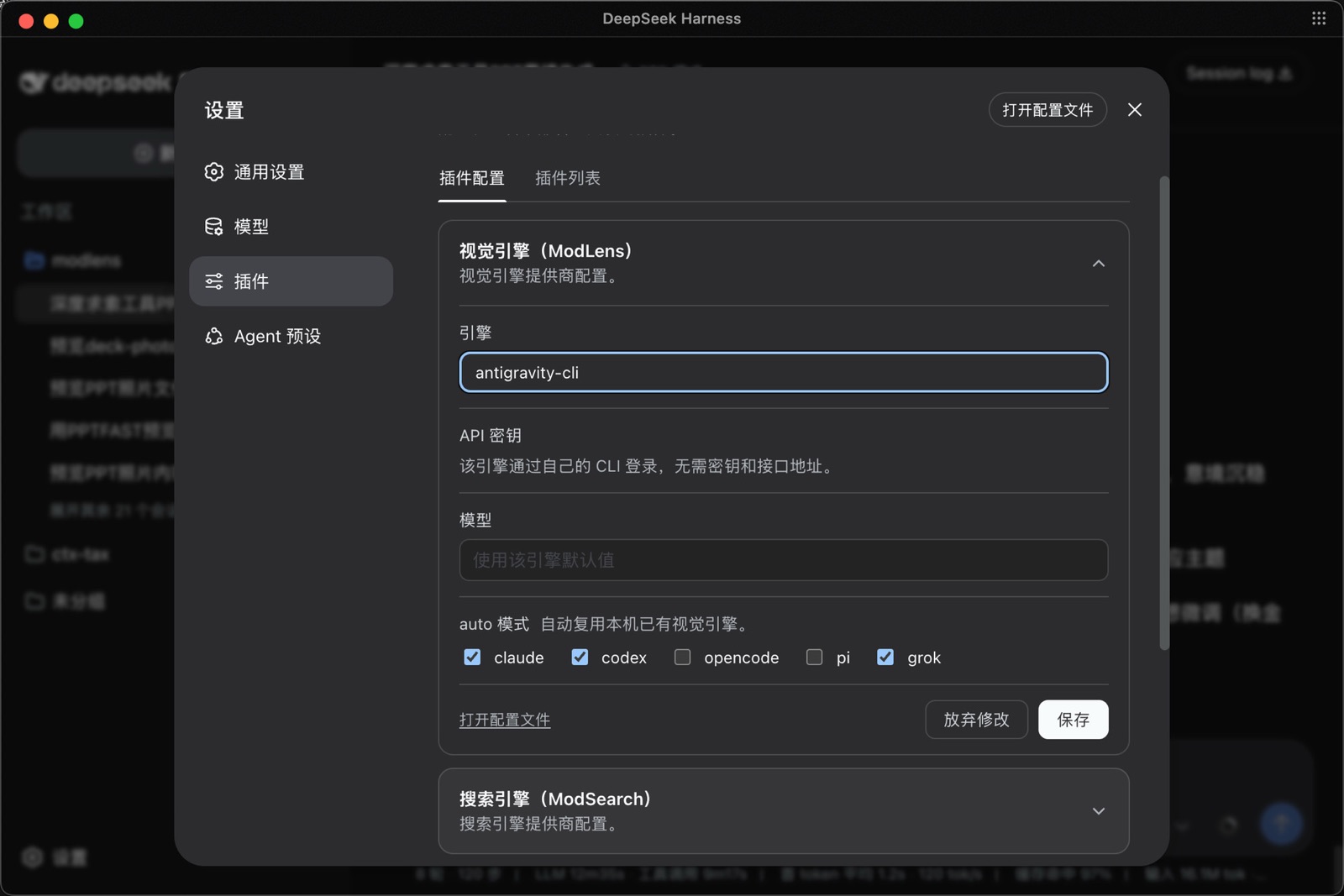
ModLens is a vision plugin for DeepSeek Harness that gives text-only models sight by reading images pasted directly into chat, with zero-config setup and multiple vision engines.
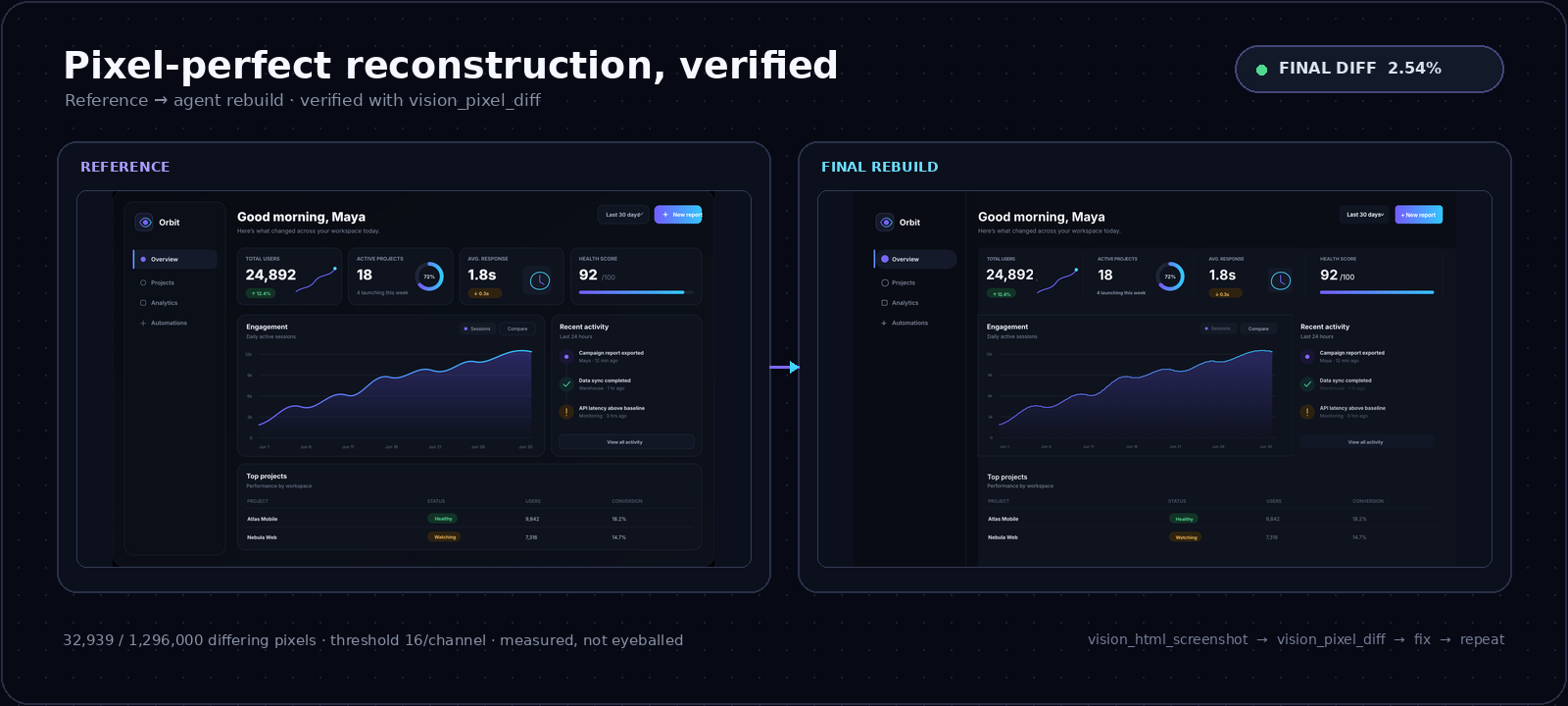
On-demand vision for text-only DeepSeek Harness agents: built-in free keyless vision chain and 14 vision tools, routing image turns as tool calls to vision models with pixel fidelity, no Python needed, one-command install.
Give text-only models in DeepSeek Harness eyes, enabling image Q&A, long-screenshot OCR, UI restoration, and GUI visual tasks.
An armor-breaking plugin for DeepSeek: rewrites instruction priority, expands refusal-blocked phrases, persists across sessions, and shows a green active indicator.