dsh-insurance-claim
Run the following command in DeepSeek Harness:
dsh plugin install uckkk/dsh-insurance-claim
Paste the following prompt into your AI chat to install this plugin:
Run dsh plugin install uckkk/dsh-insurance-claim in your terminal to install the dsh-insurance-claim plugin; the source is available at https://github.com/uckkk/dsh-insurance-claim .
About this plugin
Motor vehicle insurance claim processing is often bogged down by dense policy clauses, layered payout ratios, liability splits, and deductible stacking that are tedious and error-prone to verify by hand. dsh-insurance-claim packages that decision logic into a locally runnable inference tool: feed in the relevant parameters and receive a single, unambiguous computed result, eliminating the need to hunt through policies and apply formulas manually.
The entire implementation is pure Node.js with zero third-party SDK dependencies and no outbound network calls. Every calculation runs on your own machine, so sensitive claim data never leaves your intranet or air-gapped environment. This makes it a natural fit for insurance operations where data privacy, regulatory compliance, and offline deployments are non-negotiable.
If you are a claims analyst double-checking payout amounts, a product manager stress-testing policy logic, or a developer building claim rules into an automated pipeline, dsh-insurance-claim serves as a compact, reusable decision module that slots cleanly into your existing DeepSeek Harness workflow.
Use Cases
- Verify per-claim payout amounts and deductibles without hand-calculating formulas
- Compute the exact payable amount from liability ratios and clause stacking in seconds
- Run batch stress tests on policy rule changes to compare payout outcomes across parameter sets
Best For
- Claims analysts who repeatedly verify payout figures
- Product managers who need quick validation of auto-insurance policy logic
- Developers building claim rules into automated pipelines
Related Plugins
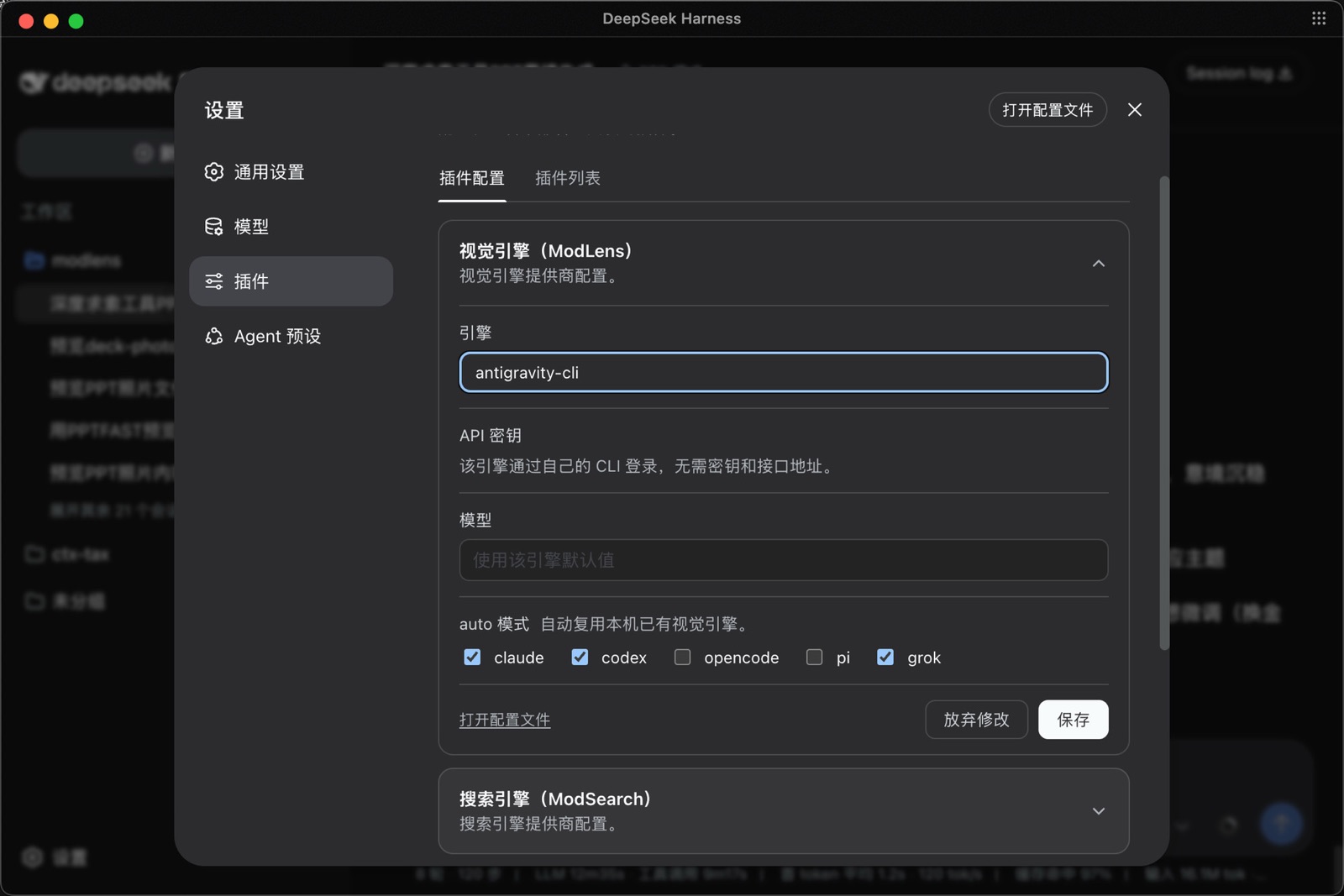
ModLens is a vision plugin for DeepSeek Harness that gives text-only models sight by reading images pasted directly into chat, with zero-config setup and multiple vision engines.
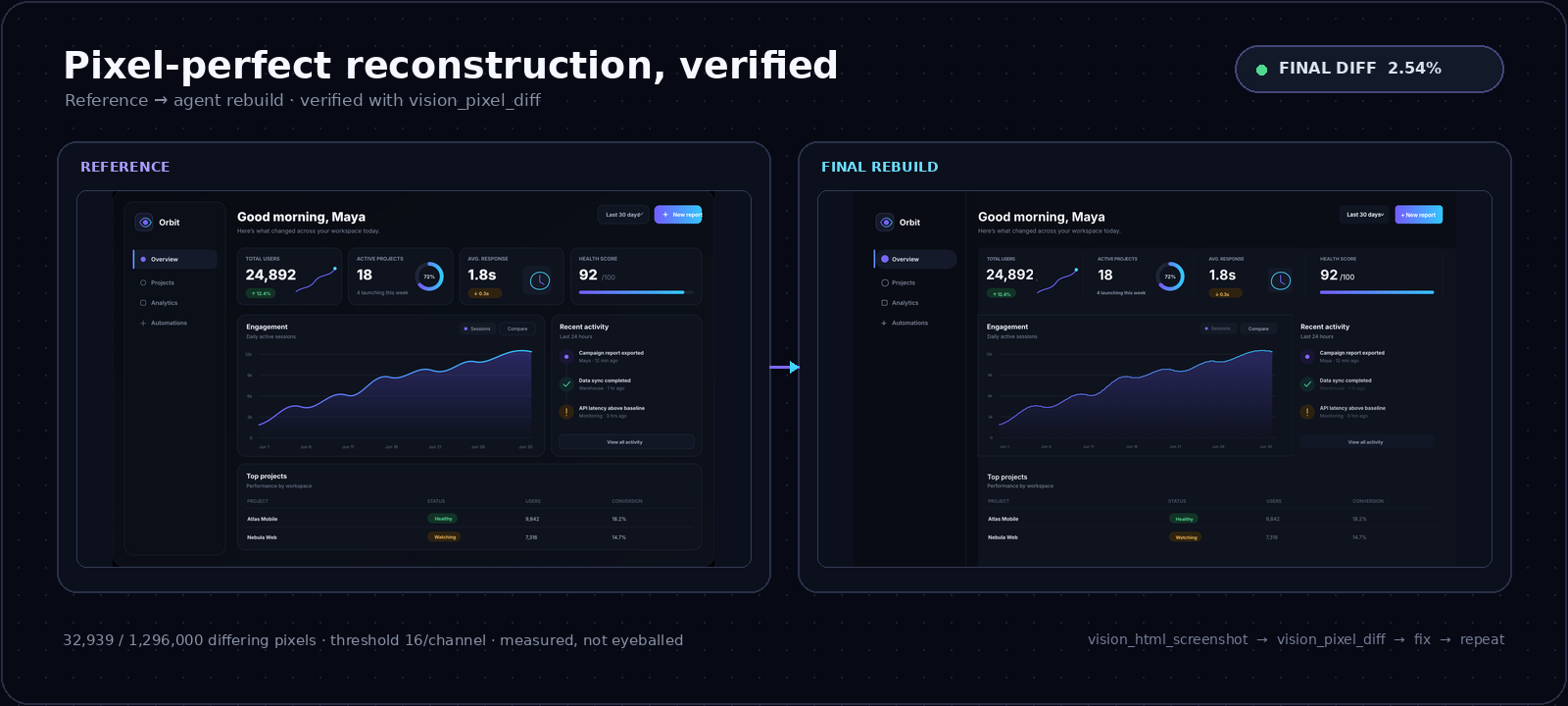
On-demand vision for text-only DeepSeek Harness agents: built-in free keyless vision chain and 14 vision tools, routing image turns as tool calls to vision models with pixel fidelity, no Python needed, one-command install.
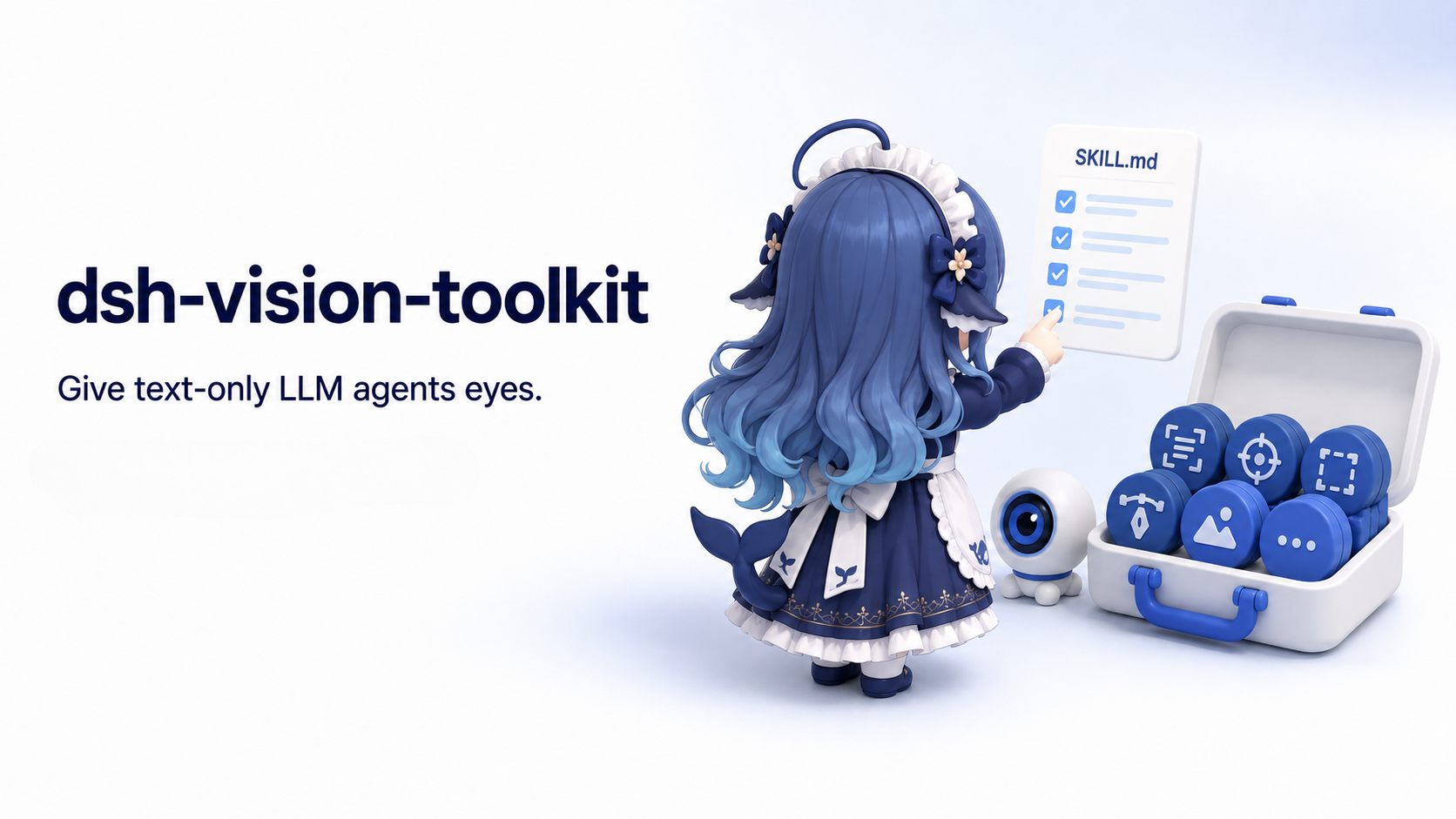
Give text-only models in DeepSeek Harness eyes, enabling image Q&A, long-screenshot OCR, UI restoration, and GUI visual tasks.
An armor-breaking plugin for DeepSeek: rewrites instruction priority, expands refusal-blocked phrases, persists across sessions, and shows a green active indicator.