dsh-openai-server-compaction
Run the following command in DeepSeek Harness:
dsh plugin install ylxmf2005/dsh-openai-server-compaction
Paste the following prompt into your AI chat to install this plugin:
Run dsh plugin install ylxmf2005/dsh-openai-server-compaction in DeepSeek Harness to install; the full source is available at https://github.com/ylxmf2005/dsh-openai-server-compaction
About this plugin
Long conversations on OpenAI Responses routes hit their context ceiling quickly, and naive client-side truncation throws away the very context you need. dsh-openai-server-compaction brings Codex Remote Compaction V2 into DSH so the server performs the compression while the client keeps only the most recent real user messages plus a single opaque compaction item—saving tokens without losing meaning.
The plugin supports manual, token-pressure, and overflow trigger modes, retaining up to 64,000 tokens of recent messages in a single pass. Opaque compaction state is persisted as an encrypted file outside the session JSONL and restored automatically after a DSH restart. A portable text checkpoint capped at 4,096 output tokens is also written into standard DSH history so the session can continue on a different provider. Missing credentials, ambiguous configuration, malformed Responses streams, and unsupported route facts all fail explicitly—there is no silent Chat Completions fallback.
Built for DSH developers who run openai-responses routes and need precise long-context management. If you are migrating from the legacy llm-openai-server-compaction namespace, the plugin refuses to start while a non-empty legacy section remains, steering you through a clean migration and preventing conflicts between the two configuration schemas.
Use Cases
- Auto-compress history via the server before the context ceiling is hit
- Trigger compaction manually or under token pressure to free up budget
- Keep a portable text summary when migrating a session across providers
Best For
- Developers running openai-responses routes in DSH
- Teams that need granular control over long-context and token costs
- Users migrating from the legacy llm-openai-server-compaction plugin
Related Plugins
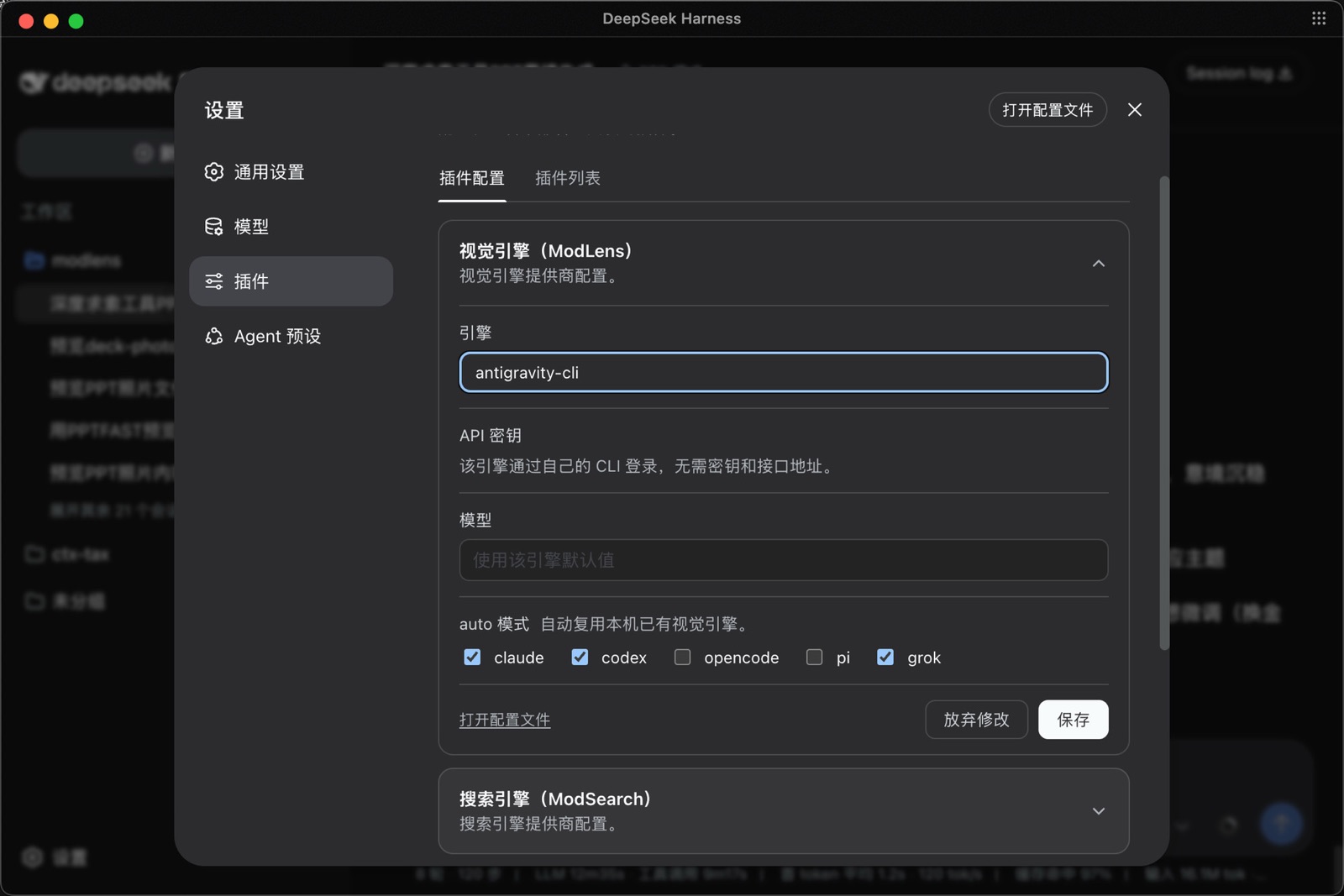
ModLens is a vision plugin for DeepSeek Harness that gives text-only models sight by reading images pasted directly into chat, with zero-config setup and multiple vision engines.
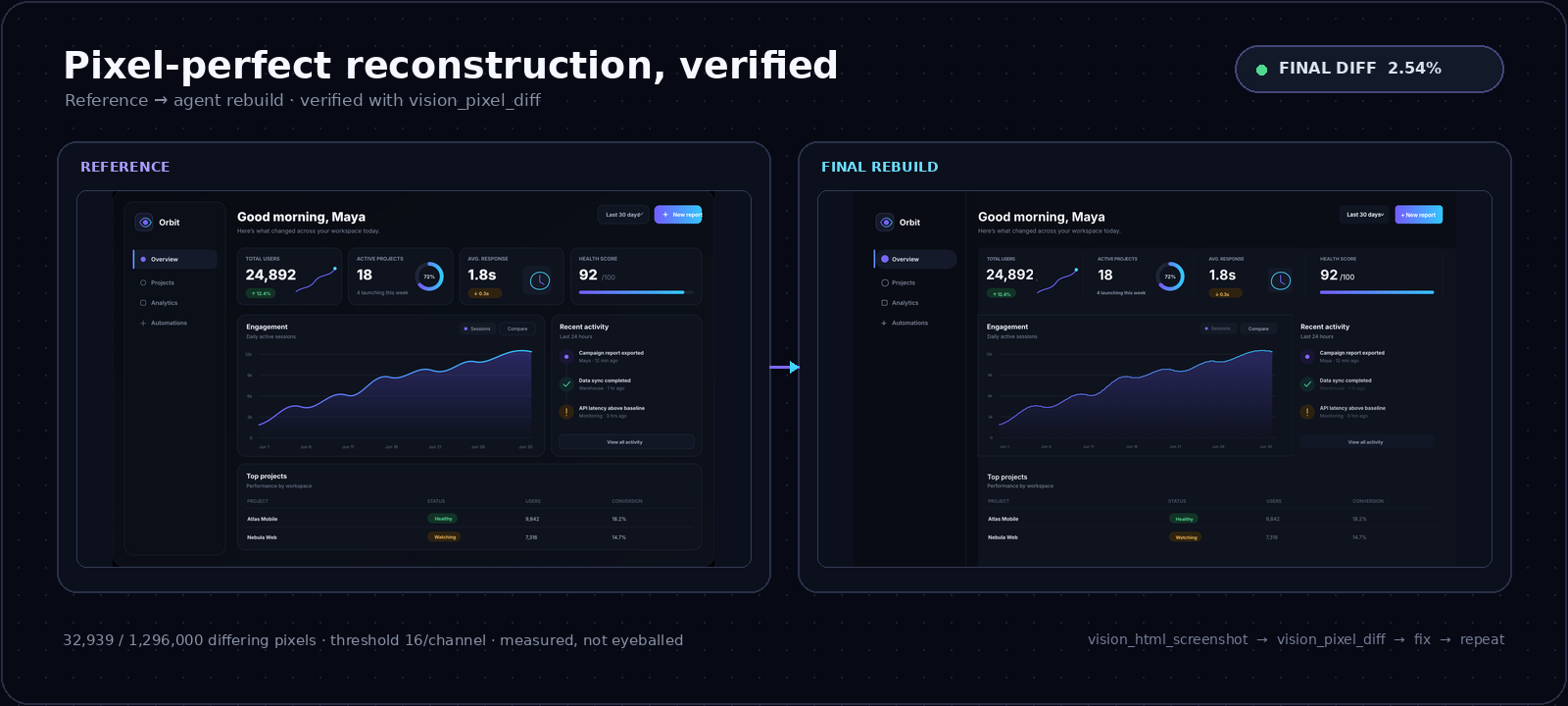
On-demand vision for text-only DeepSeek Harness agents: built-in free keyless vision chain and 14 vision tools, routing image turns as tool calls to vision models with pixel fidelity, no Python needed, one-command install.
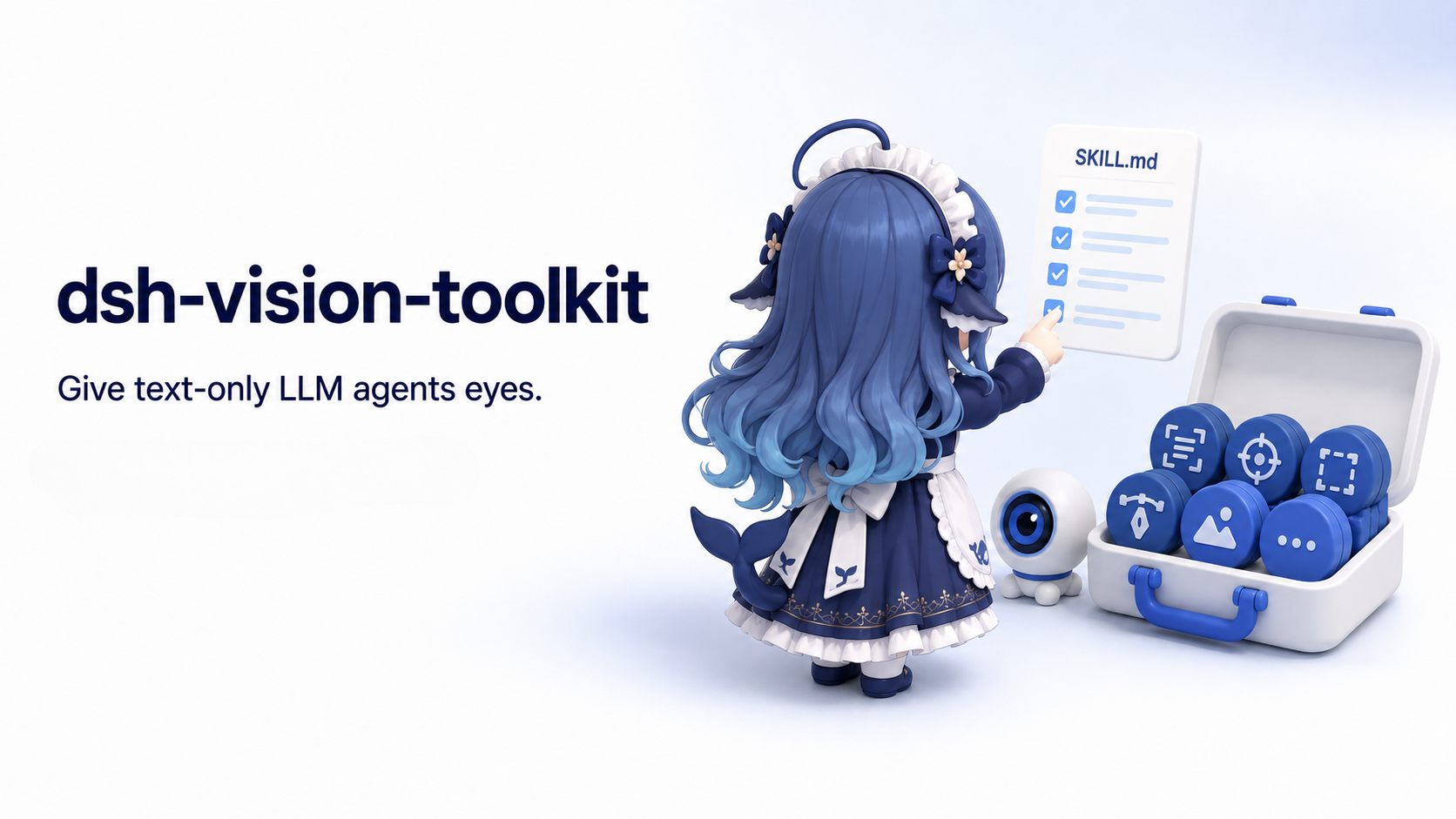
Give text-only models in DeepSeek Harness eyes, enabling image Q&A, long-screenshot OCR, UI restoration, and GUI visual tasks.
An armor-breaking plugin for DeepSeek: rewrites instruction priority, expands refusal-blocked phrases, persists across sessions, and shows a green active indicator.