dsh-smart-model-router
Run the following command in DeepSeek Harness:
dsh plugin install DreamZhongJu/dsh-smart-model-router
Paste the following prompt into your AI chat to install this plugin:
Run dsh plugin install DreamZhongJu/dsh-smart-model-router in DeepSeek Harness to install this plugin; the source repository is at https://github.com/DreamZhongJu/dsh-smart-model-router.
About this plugin
In everyday DSH use, manually selecting the right model for each request is tedious and leaves no room for failover when a provider hits a technical error. dsh-smart-model-router solves this by classifying incoming requests and routing them to preconfigured provider/model pairs, automatically falling back to the next target in order when a technical failure is detected.
Once enabled, the plugin takes control of DSH's model picker. In non-manual modes the picker is locked and all model decisions are governed by the configured routing rules. Routes are resolved against DSH's local provider/model catalog without any network discovery, and provider credentials always stay in DSH's credential service—the plugin itself never stores sensitive data. A complete configuration example (config.example.yaml) ships with the bundle, covering classification rules, target ordering, and fallback sequences.
If you want to shift from per-request model selection to rules-based routing with automatic failover, while keeping credential management within DSH's own service layer, this plugin is a practical addition to your workflow.
Use Cases
- Automatically dispatch requests to different model tiers based on classification rules
- Fall back to alternate provider/model pairs in a preset order when a technical error occurs
- Lock the model picker in non-manual mode so routing rules govern all model decisions
Best For
- DSH users who prefer rule-based model selection over per-request manual picking
- Teams that need automatic provider failover to reduce manual intervention
- Security-conscious users who prefer credentials managed exclusively by the host service
Related Plugins
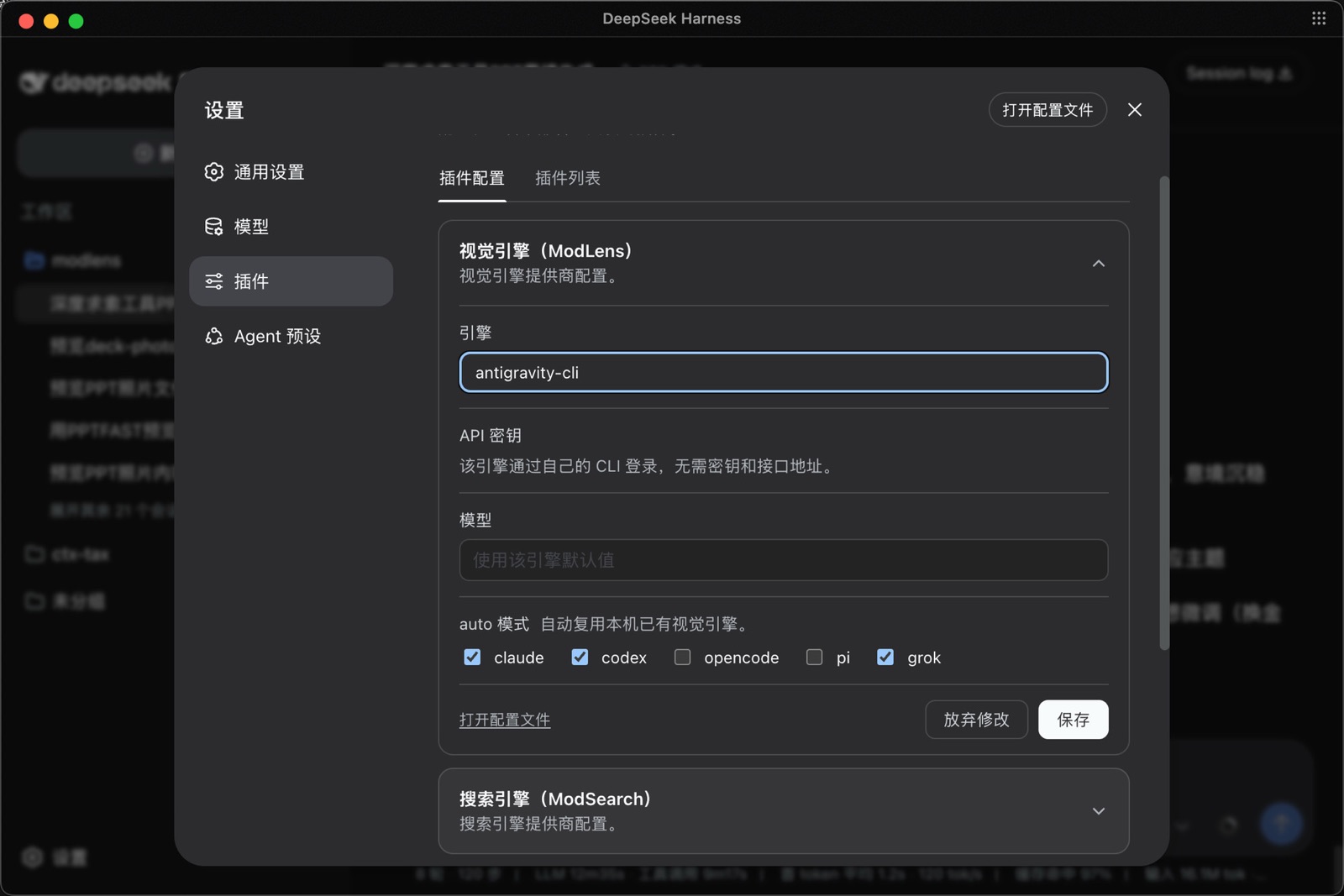
ModLens is a vision plugin for DeepSeek Harness that gives text-only models sight by reading images pasted directly into chat, with zero-config setup and multiple vision engines.
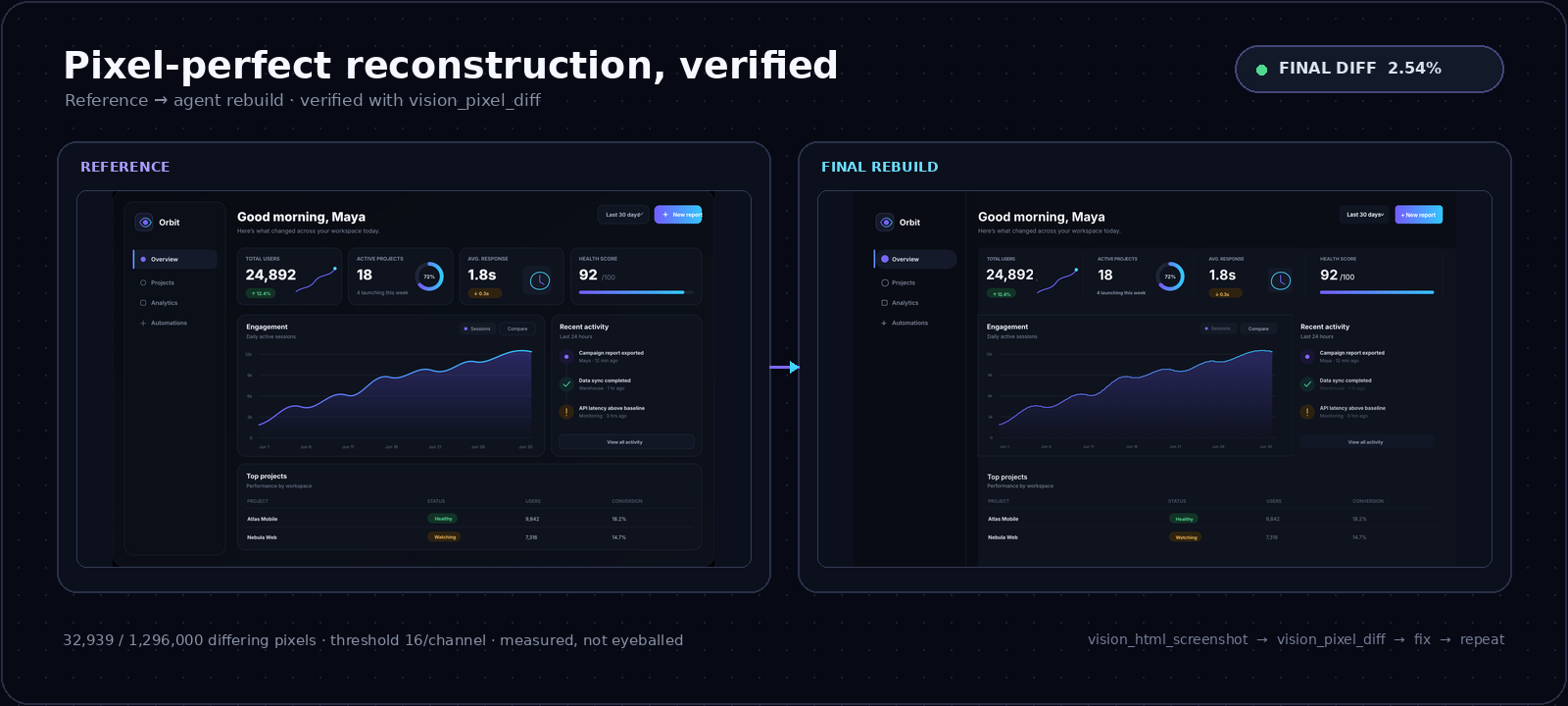
On-demand vision for text-only DeepSeek Harness agents: built-in free keyless vision chain and 14 vision tools, routing image turns as tool calls to vision models with pixel fidelity, no Python needed, one-command install.
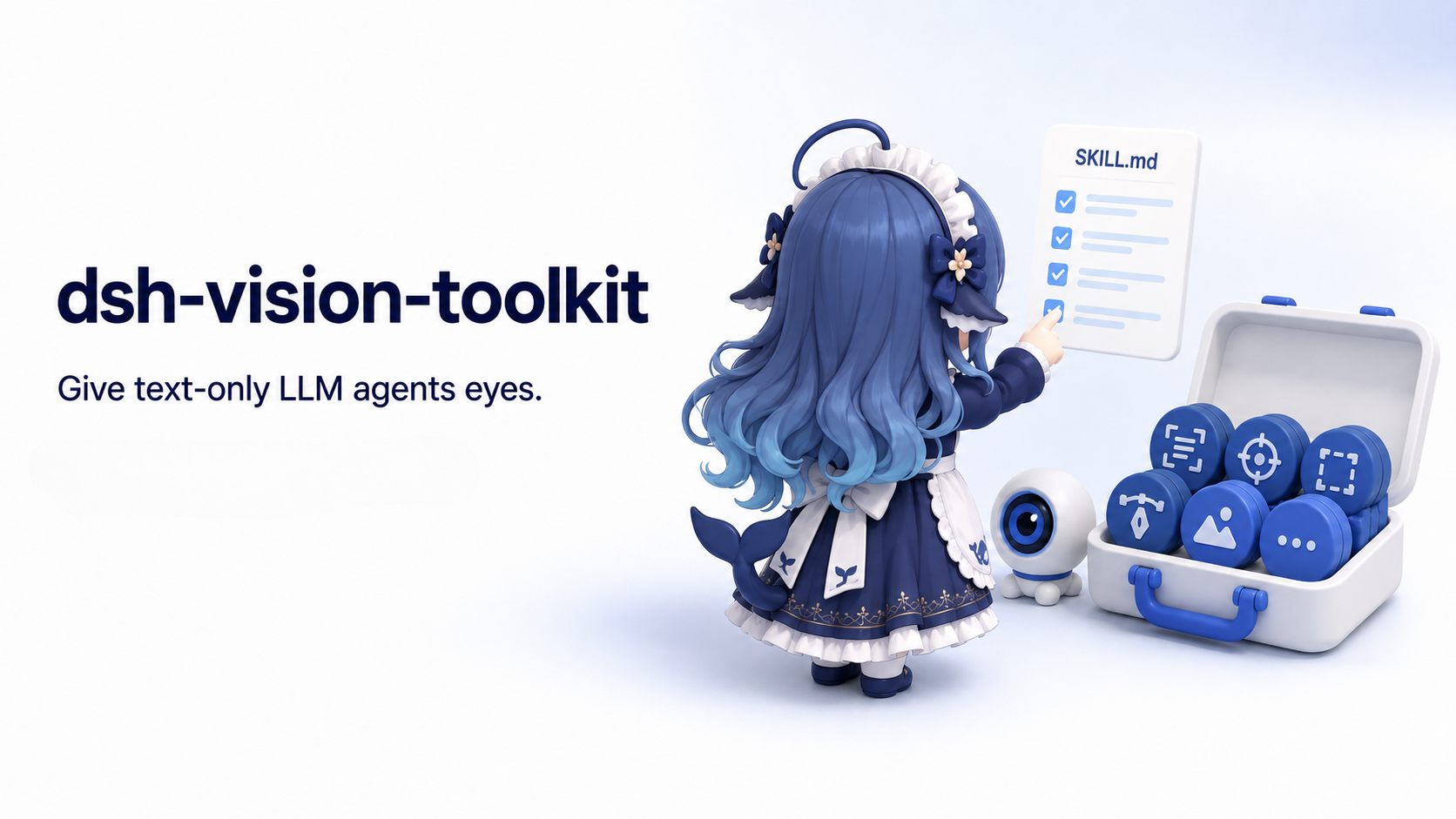
Give text-only models in DeepSeek Harness eyes, enabling image Q&A, long-screenshot OCR, UI restoration, and GUI visual tasks.
An armor-breaking plugin for DeepSeek: rewrites instruction priority, expands refusal-blocked phrases, persists across sessions, and shows a green active indicator.