dsh-oauth-copilot
Run the following command in DeepSeek Harness:
dsh plugin install FMDD61/dsh-oauth-copilot
Paste the following prompt into your AI chat to install this plugin:
Run dsh plugin install FMDD61/dsh-oauth-copilot to install the plugin (source: https://github.com/FMDD61/dsh-oauth-copilot), then restart dsh web to activate the GitHub Copilot model route.
About this plugin
The Models page in DeepSeek Harness does not yet expose an OAuth surface, and the community dsh-oauth release is semver-incompatible with the 0.1.1-rc.2 package line. As a result, the GitHub Copilot model catalog has long lacked a clean sign-in and inference path for Harness users. dsh-oauth-copilot closes that gap by working directly against dsh official seams—ctx.credentials, ctx.authorization, and ctx.llm adapters—so the github-copilot model route is live the moment the plugin loads, with no third-party OAuth base and no local build step required.
The core capability is a human-driven terminal CLI that walks through GitHub device-code flow, writes the Copilot grant into the harness credential record with atomic 0600 permissions, and never routes the operation through an LLM. This structural isolation means a prompt-injection attack cannot start or drop an authorization. Once the grant is stored, pi-ai's catalog of 29 Copilot models registers as a selectable LLM route; a single refresh call narrows the picker to only the models enabled on your account. Security is layered: the endpoint whitelist accepts only the official host, any non-empty enterpriseUrl rejects the record outright, provider errors are JWT-and-token-pattern redacted before display, and the device-flow scope is pinned to read:user—ensuring credentials never leak.
Built for developers running dsh 0.1.1-rc.2 who want GitHub Copilot models as part of their daily inference stack without contending with third-party OAuth compatibility headaches. If you value an auditable credential lifecycle, a sign-in flow structurally isolated from the model layer, and a path free of unofficial middleware, this plugin is the one to reach for.
Use Cases
- Calling GitHub Copilot models via the registered github-copilot LLM route in DeepSeek Harness
- Signing in to GitHub through the terminal device-code flow and managing the Copilot grant
- Bypassing community dsh-oauth semver conflicts on the dsh 0.1.1-rc.2 package line
Best For
- Developers using DeepSeek Harness who want GitHub Copilot models in their inference stack
- Engineering teams that prioritize credential security and structural isolation from the model layer
- System integrators who prefer official dsh seams over third-party OAuth bases
Related Plugins
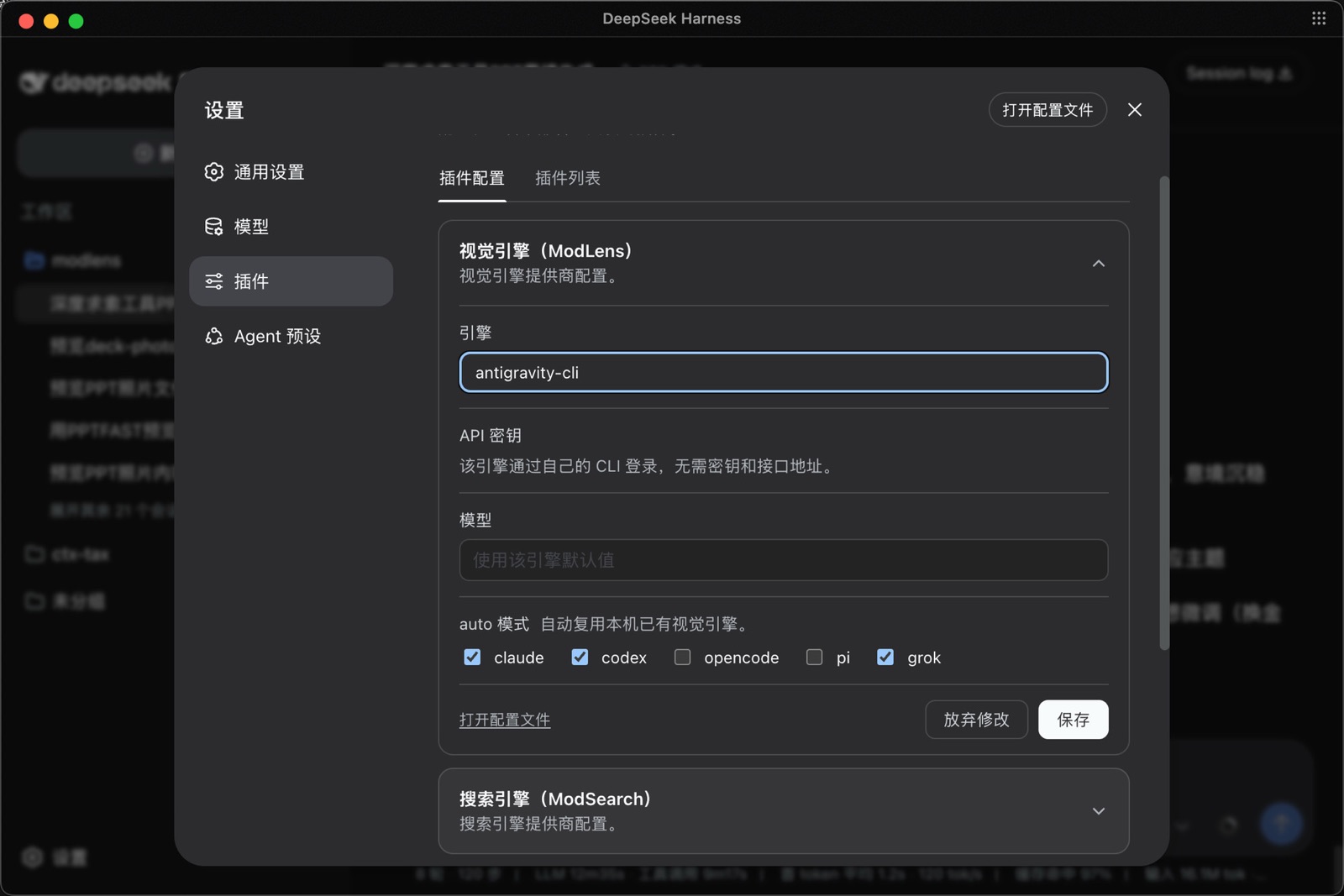
ModLens is a vision plugin for DeepSeek Harness that gives text-only models sight by reading images pasted directly into chat, with zero-config setup and multiple vision engines.
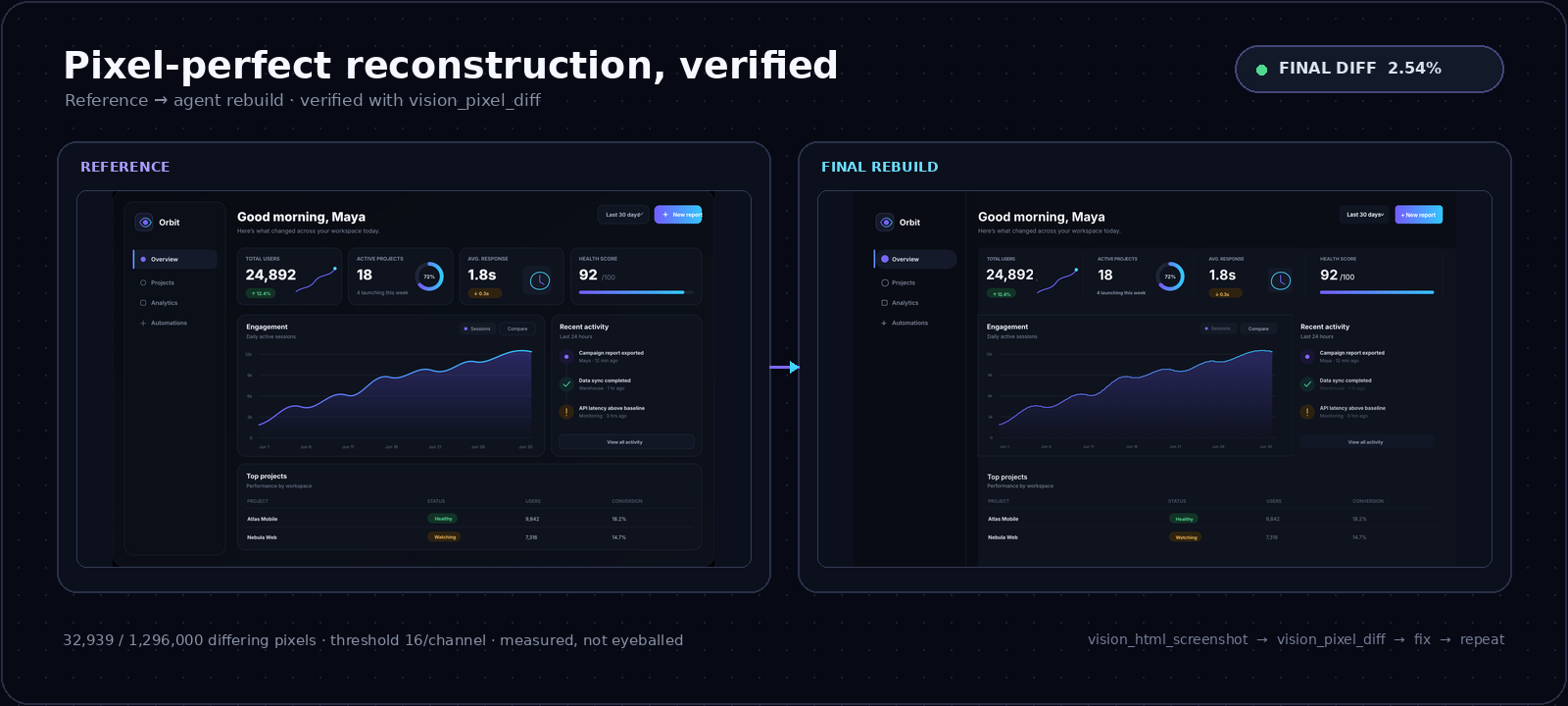
On-demand vision for text-only DeepSeek Harness agents: built-in free keyless vision chain and 14 vision tools, routing image turns as tool calls to vision models with pixel fidelity, no Python needed, one-command install.
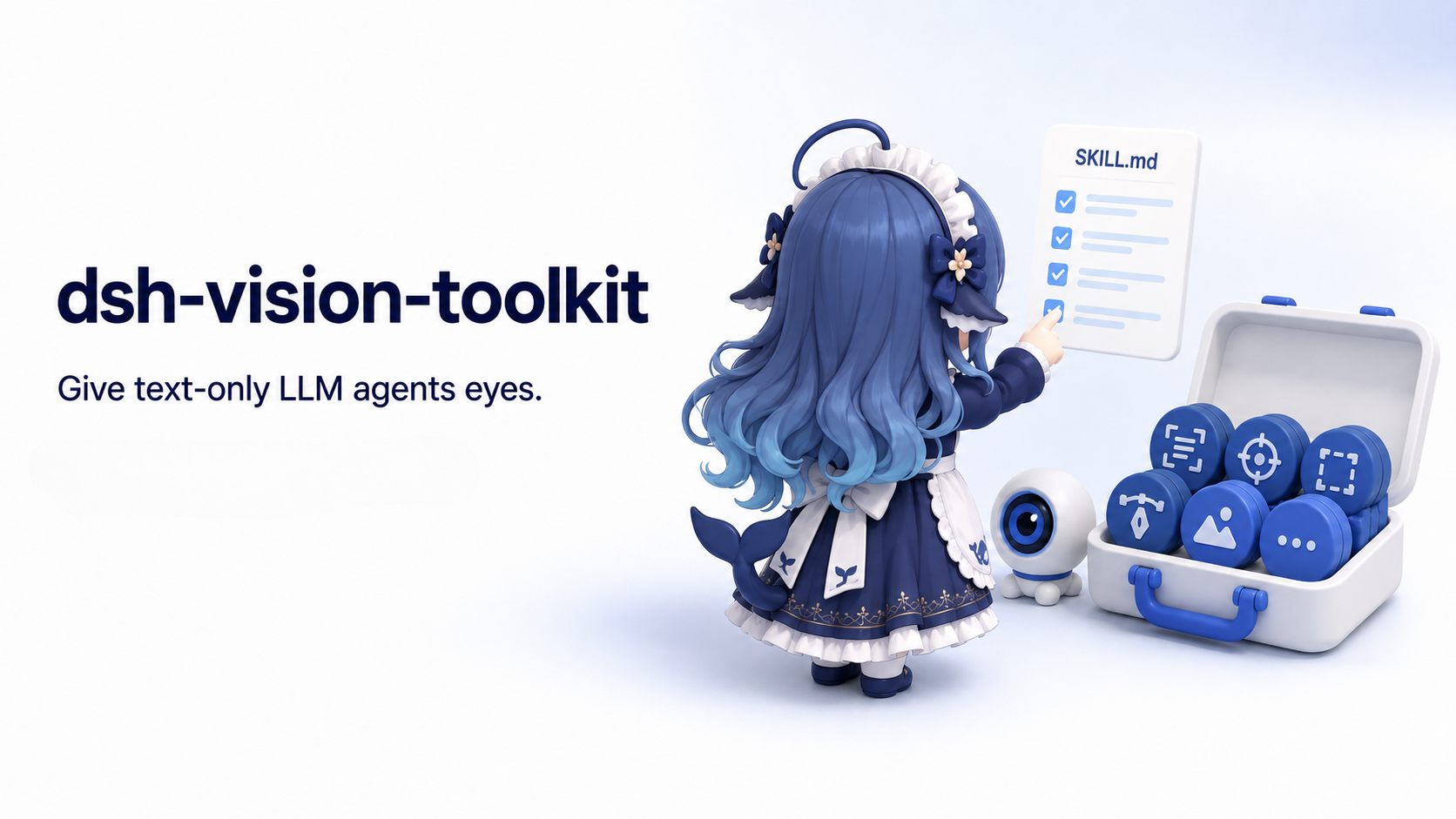
Give text-only models in DeepSeek Harness eyes, enabling image Q&A, long-screenshot OCR, UI restoration, and GUI visual tasks.
An armor-breaking plugin for DeepSeek: rewrites instruction priority, expands refusal-blocked phrases, persists across sessions, and shows a green active indicator.