dsh-deepseek-relay
Run the following command in DeepSeek Harness:
dsh plugin install LXFLGH/dsh-deepseek-relay
Paste the following prompt into your AI chat to install this plugin:
Run dsh plugin install LXFLGH/dsh-deepseek-relay in your DeepSeek Harness terminal to install this plugin; source code is available at https://github.com/LXFLGH/dsh-deepseek-relay.
About this plugin
When DeepSeek models are served through third-party relay gateways (OneAPI, new-api, one-hub, etc.), the deepseek-harness Web UI exposes no reasoning-effort selector and emits thinking parameters in a dialect the gateway may not understand. dsh-deepseek-relay plugs that gap by registering an independent OpenAI-compatible adapter route that surfaces the same Off / Low / High / Max reasoning tiers as the official API, then serializes the thinking fields into whichever dialect (openai or deepseek) the relay actually expects.
Beyond the core tier control, the plugin handles several edge cases that trip up real-world setups: per-model wire-value overrides for gateways that demand custom tokens like ultra, an explicit supportsVision flag so image submissions get a friendly rejection instead of a blind request, and multi-route support that lets one plugin instance manage several upstream relays simultaneously. Everything works as a standalone plugin with zero modifications to the harness itself and no hand-written settings.yaml.
Use Cases
- Switching between Off / Low / High / Max thinking tiers in the Web UI when DeepSeek models are served through relays such as OneAPI or new-api
- Automatically serializing reasoning_effort and thinking fields into the openai or deepseek dialect each gateway expects, eliminating format mismatches
- Mounting multiple relay routes in a single deepseek-harness instance to manage and switch between several upstream DeepSeek models
Best For
- Harness users who access DeepSeek through third-party OpenAI-compatible gateways rather than the official direct API
- Self-hosted developers who prefer plugin-based configuration over hand-written settings.yaml to quickly enable reasoning-tier controls
- Ops engineers managing multiple models who need per-model vision flags or custom gateway wire-value overrides
Related Plugins
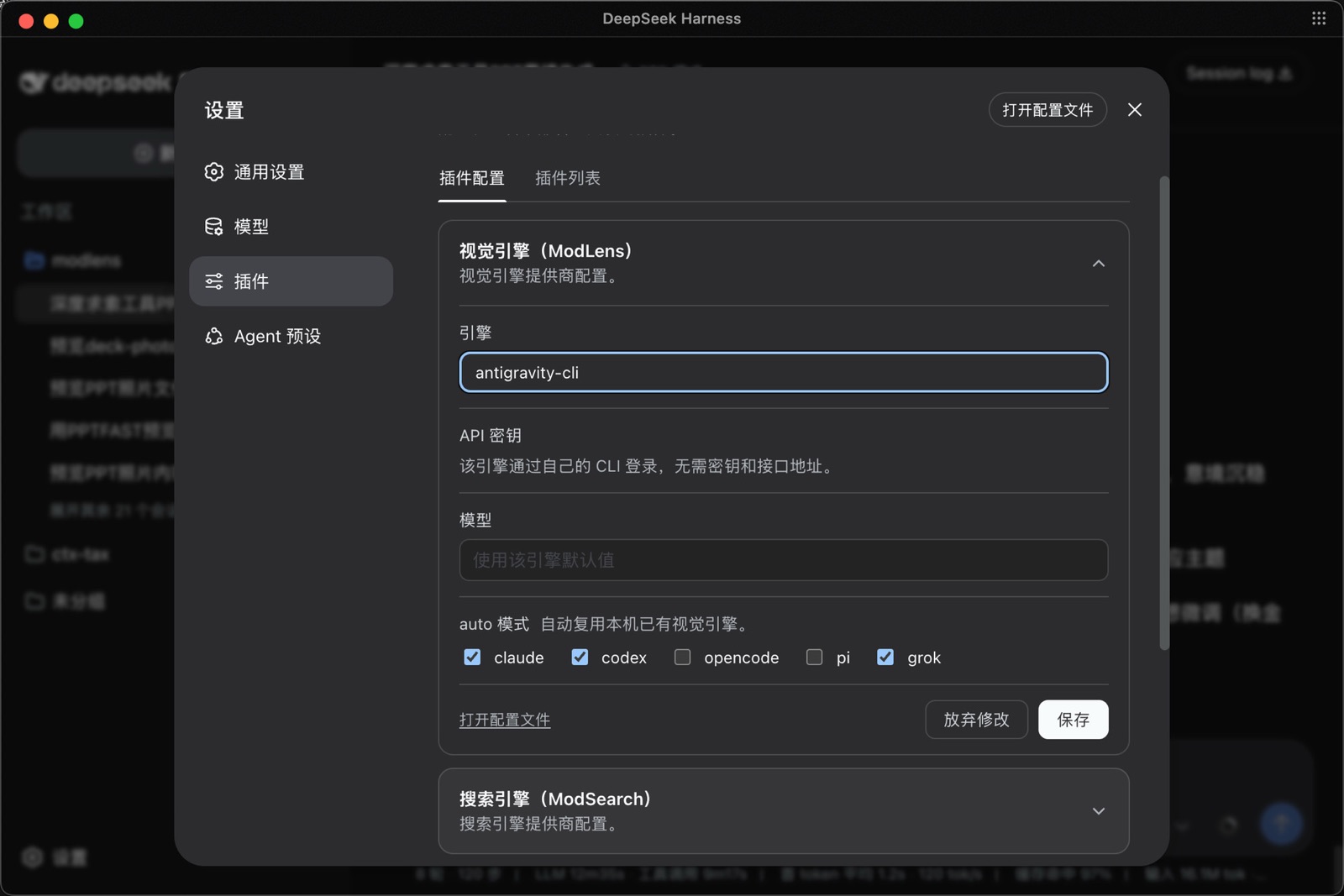
ModLens is a vision plugin for DeepSeek Harness that gives text-only models sight by reading images pasted directly into chat, with zero-config setup and multiple vision engines.
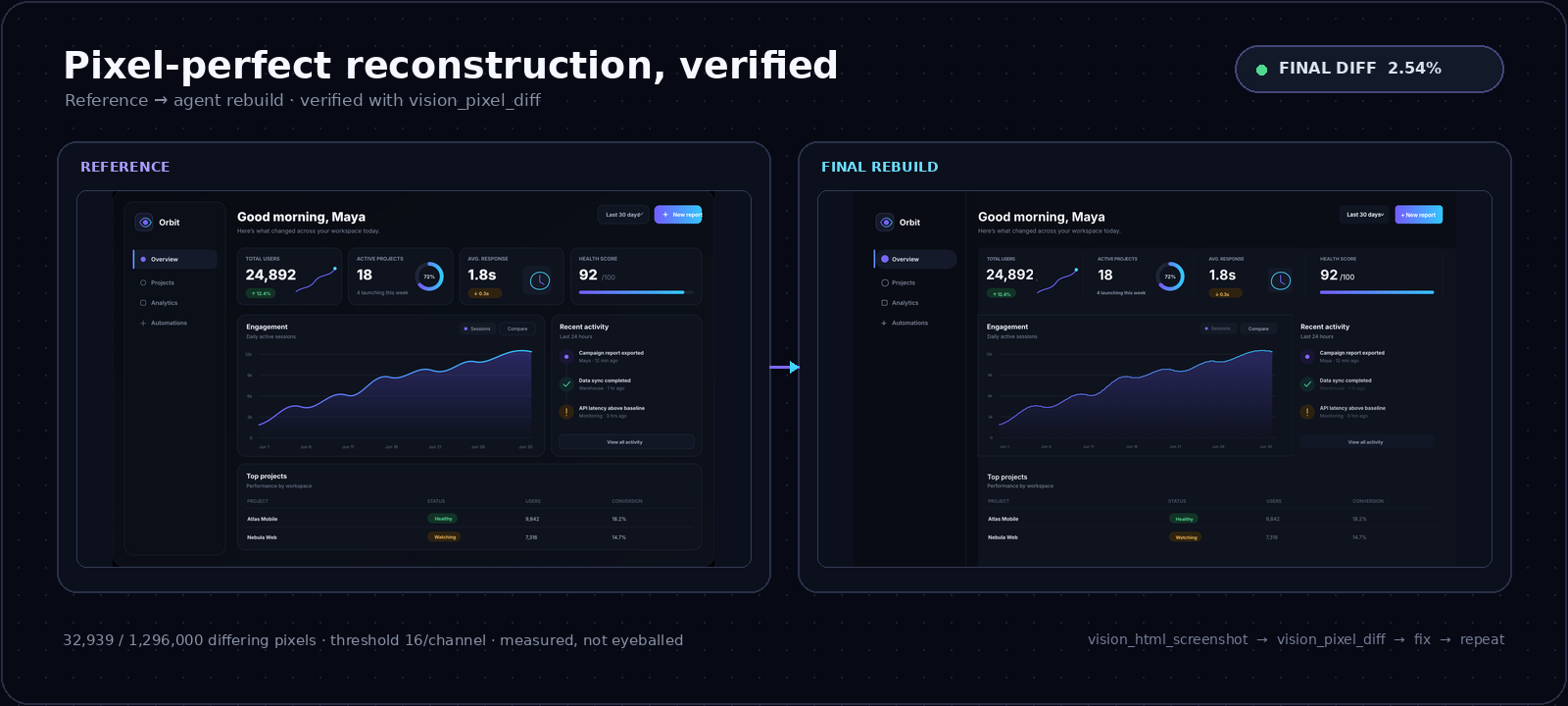
On-demand vision for text-only DeepSeek Harness agents: built-in free keyless vision chain and 14 vision tools, routing image turns as tool calls to vision models with pixel fidelity, no Python needed, one-command install.

Give text-only models in DeepSeek Harness eyes, enabling image Q&A, long-screenshot OCR, UI restoration, and GUI visual tasks.
An armor-breaking plugin for DeepSeek: rewrites instruction priority, expands refusal-blocked phrases, persists across sessions, and shows a green active indicator.