dsh-ezprot-plugin
Run the following command in DeepSeek Harness:
dsh plugin install YukunR/dsh-ezprot-plugin
Paste the following prompt into your AI chat to install this plugin:
Run dsh plugin install YukunR/dsh-ezprot-plugin in DeepSeek Harness to install this plugin, source code: https://github.com/YukunR/dsh-ezprot-plugin
About this plugin
Proteomics data analysis has always sat behind a steep learning curve. Normalization, batch correction, differential testing, pathway enrichment — each step demands R scripts and terminal fluency that keeps many wet-lab biologists locked out of their own results. dsh-ezprot-plugin collapses the entire pipeline into a single conversation: tell the agent where your data file lives, what the sample groups are, and which comparisons you need, and it drives every stage from QC all the way to a final interpretation report without you writing a line of code.
The workflow spans the full expression-analysis chain: data QC and normalization, PCA visualization, batch-effect correction, differential protein analysis, GO/KEGG functional enrichment, and GSEA gene-set enrichment. Every stage produces a readable summary with figures, and the session closes with an interpretation report highlighting top differential proteins, enriched pathways, and candidate targets — visible, traceable, and reproducible.
On first use the plugin detects and silently installs an R 4.4.0 runtime with its package library (roughly 10–20 minutes, one-time). When a local R setup is not feasible it falls back to a Docker backend automatically, and can still complete the one-time GO/KEGG background build on network-restricted machines. There is no manual configuration to manage.
If you have a proteomics raw-data export and a sample-info sheet but do not want to spend weeks learning R, DESeq2, or limma, this plugin is built for you: open a chat, describe your groups, and let the agent handle the rest.
Use Cases
- Turning raw mass-spec proteomics data into differential proteins and enriched pathways quickly
- Completing a full expression-analysis pipeline without any R or bioinformatics background
- Running GO/KEGG enrichment on network-restricted machines via the Docker backend
- Systematically comparing multiple sample groups and producing an interpretable report
Best For
- Wet-lab biologists who have raw proteomics data but no R programming experience
- Clinical researchers who need rapid differential protein and pathway enrichment results
- Lab teams embedding expression-analysis workflows into an AI conversation pipeline
Related Plugins
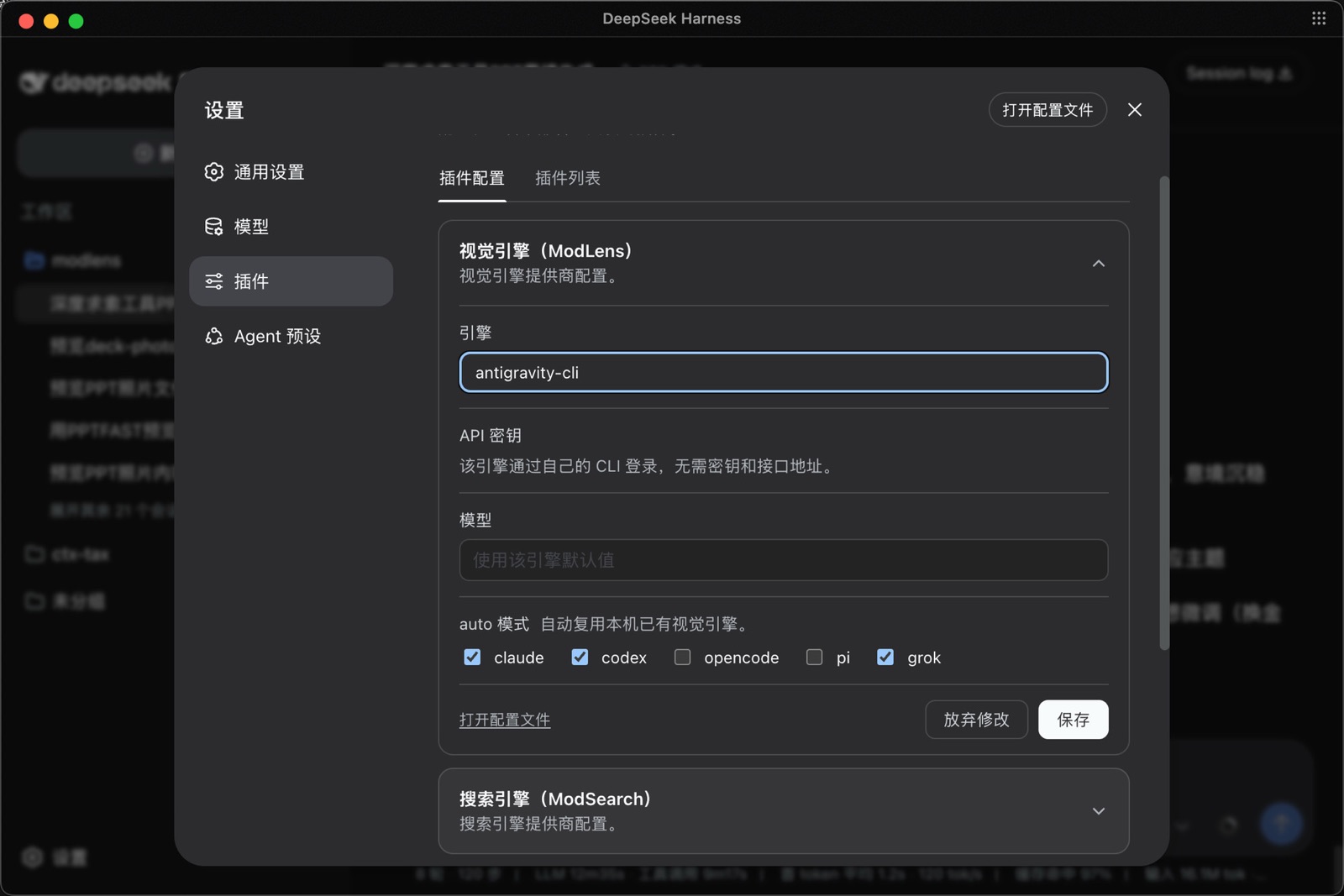
ModLens is a vision plugin for DeepSeek Harness that gives text-only models sight by reading images pasted directly into chat, with zero-config setup and multiple vision engines.
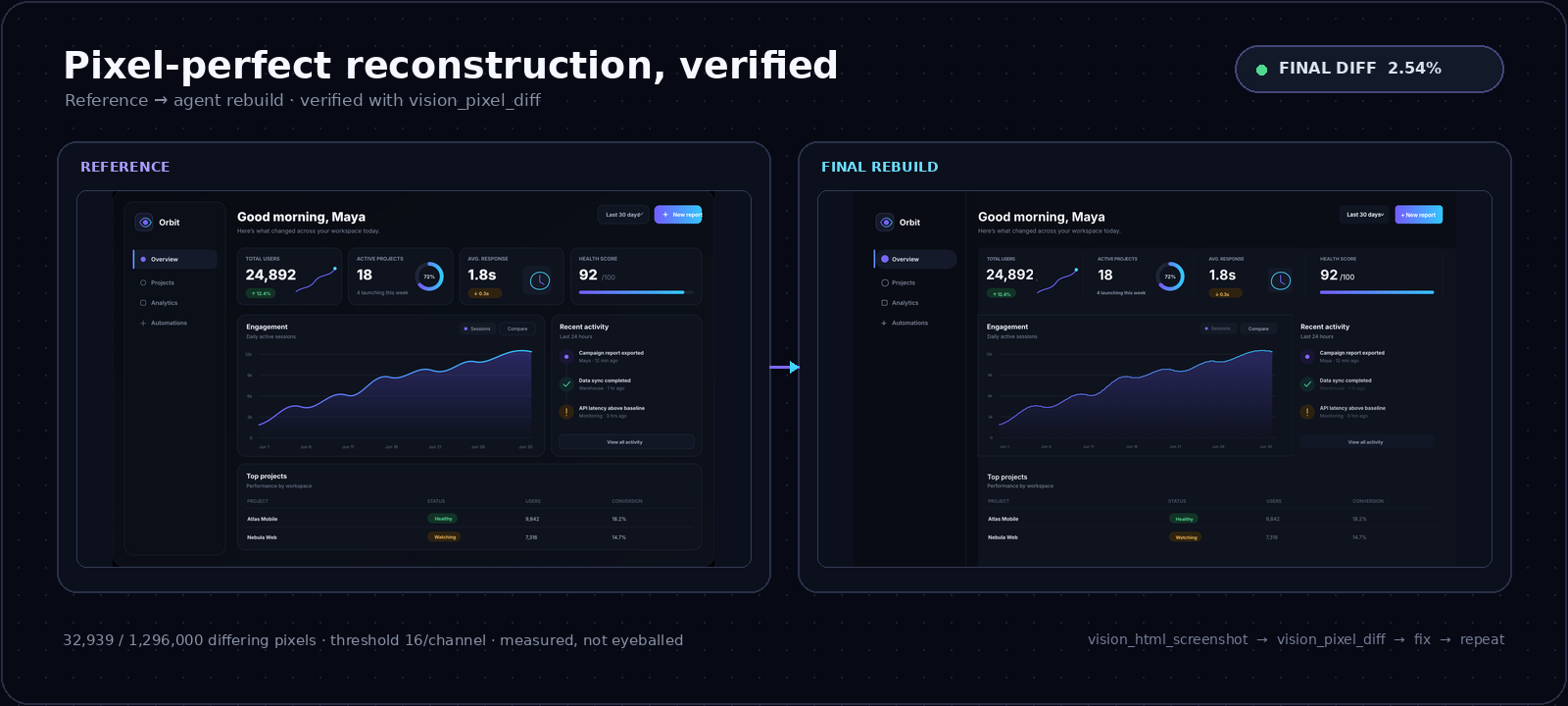
On-demand vision for text-only DeepSeek Harness agents: built-in free keyless vision chain and 14 vision tools, routing image turns as tool calls to vision models with pixel fidelity, no Python needed, one-command install.

Give text-only models in DeepSeek Harness eyes, enabling image Q&A, long-screenshot OCR, UI restoration, and GUI visual tasks.
An armor-breaking plugin for DeepSeek: rewrites instruction priority, expands refusal-blocked phrases, persists across sessions, and shows a green active indicator.