dsh-sampling-sliders
Run the following command in DeepSeek Harness:
dsh plugin install Semidia/dsh-sampling-sliders
Paste the following prompt into your AI chat to install this plugin:
Run dsh plugin install Semidia/dsh-sampling-sliders in the DeepSeek Harness terminal to install; the full source code is available at https://github.com/Semidia/dsh-sampling-sliders .
About this plugin
Tweaking temperature or maxTokens across multiple providers in DeepSeek Harness usually means editing a config file and restarting — a small friction that compounds quickly. dsh-sampling-sliders collapses that into a single "Sampling" button next to the input bar: click it and a lightweight panel slides out with two sliders (temperature 0-2, maxTokens 512-32768), each with an override toggle. Leave a toggle off and the model default applies, so there is zero collateral. Because the interception fires before provider routing, one setting takes effect on the official DeepSeek endpoint and every third-party provider you have connected — no per-provider setup needed.
Two modes cover different workflows. Hot mode keeps values alive for the current session only and auto-clears on the next launch, ideal for quick A/B experiments where you want to feel how different settings shift output style. Persistent mode writes values into the settings namespace so they survive restarts, making them handy as a fixed sampling baseline for a particular class of task. On startup, any leftover hot-mode state is purged automatically to prevent accidental bleed-through.
Who benefits most: DSH power users who switch between providers frequently and want to retune sampling on the fly without touching a config file; experimentation-driven users who want to feel the difference between temperature settings at a glance. One button, two sliders — sampling parameters moved from a hidden config line to your fingertips.
Use Cases
- Unify temperature and maxTokens across all providers with one slider
- A/B compare maxTokens limits to gauge output-length impact
- Lock in a sampling baseline for a specific task that persists across restarts
Best For
- Advanced DSH users who switch between providers frequently
- Experimentation-driven users who prefer sliders over config edits
- Developers who maintain fixed sampling baselines per task
Related Plugins
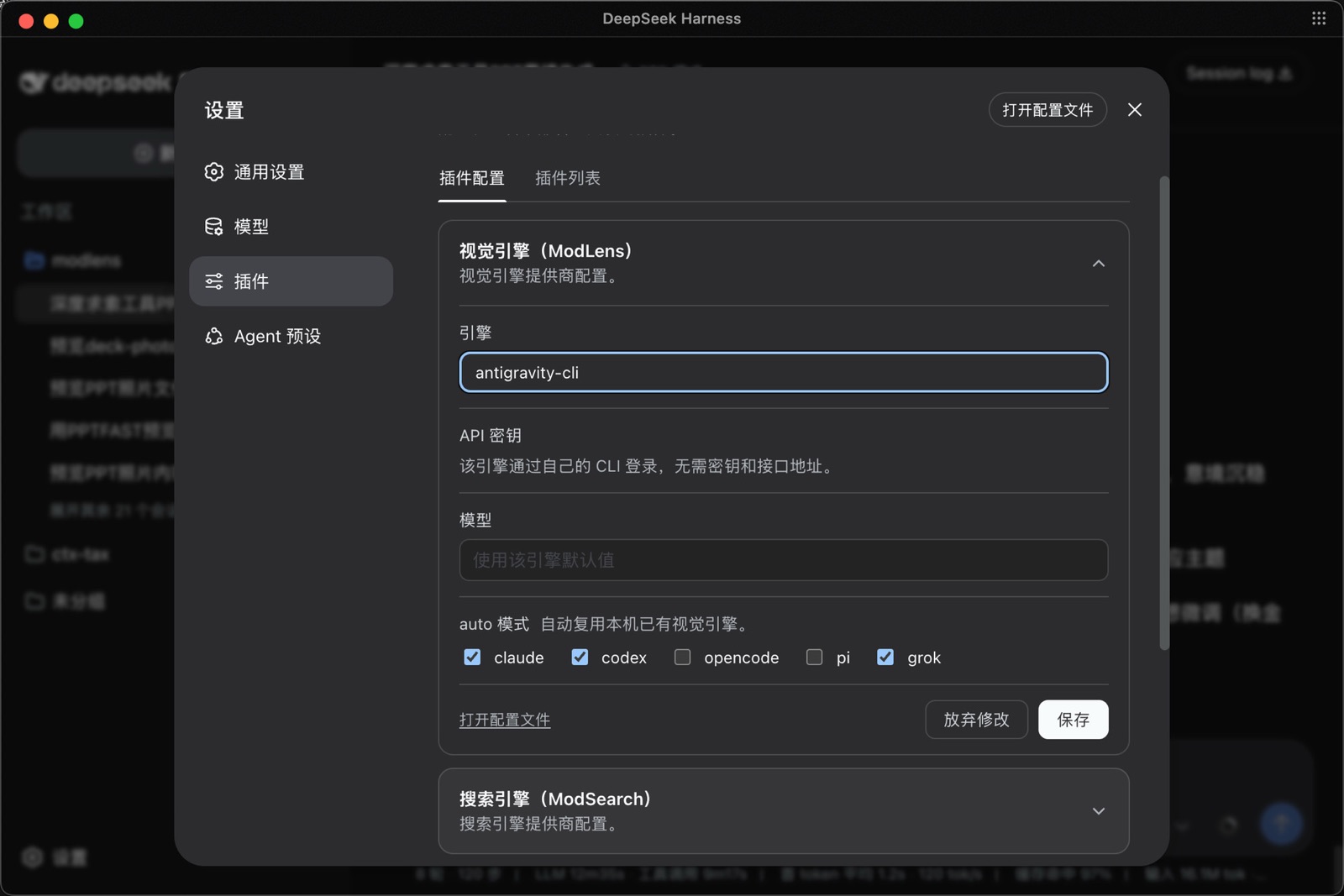
ModLens is a vision plugin for DeepSeek Harness that gives text-only models sight by reading images pasted directly into chat, with zero-config setup and multiple vision engines.
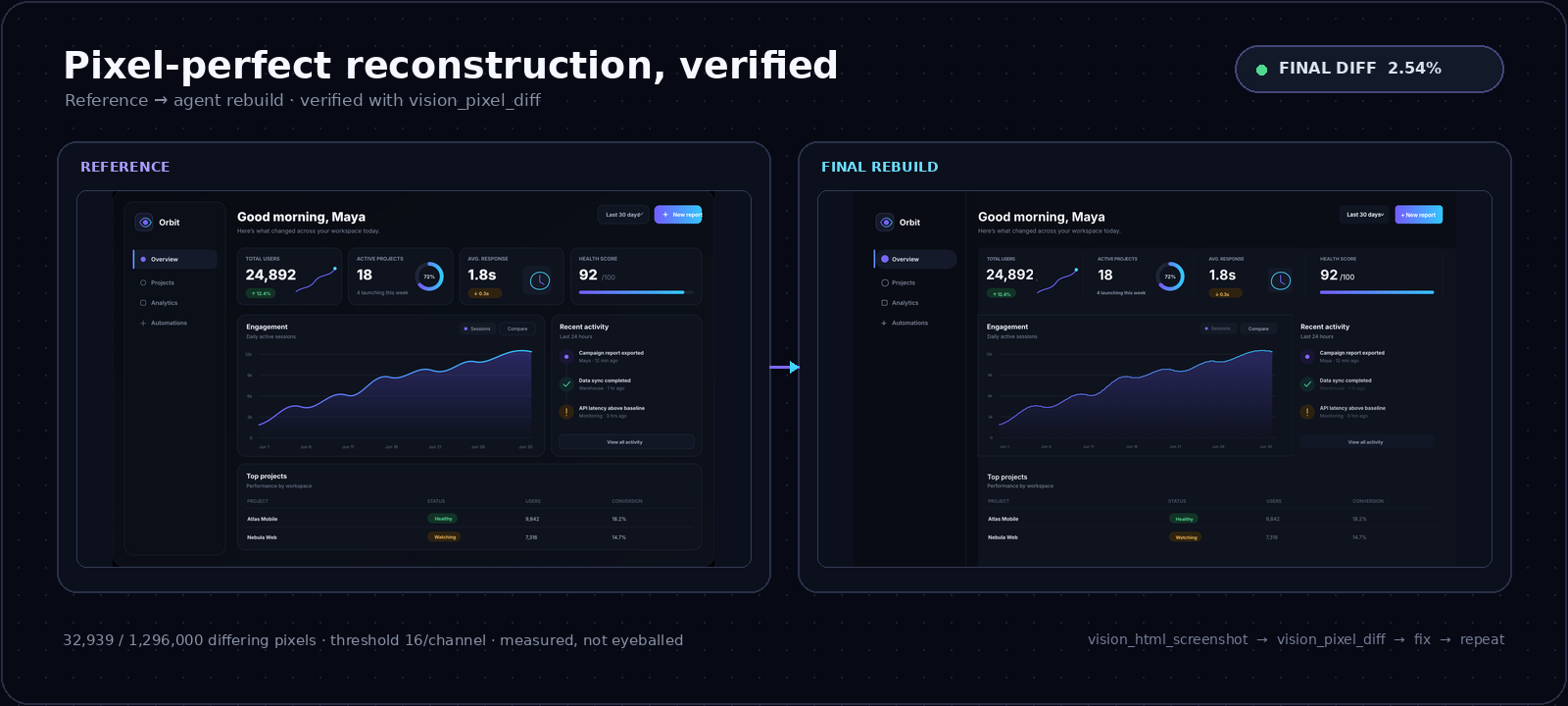
On-demand vision for text-only DeepSeek Harness agents: built-in free keyless vision chain and 14 vision tools, routing image turns as tool calls to vision models with pixel fidelity, no Python needed, one-command install.
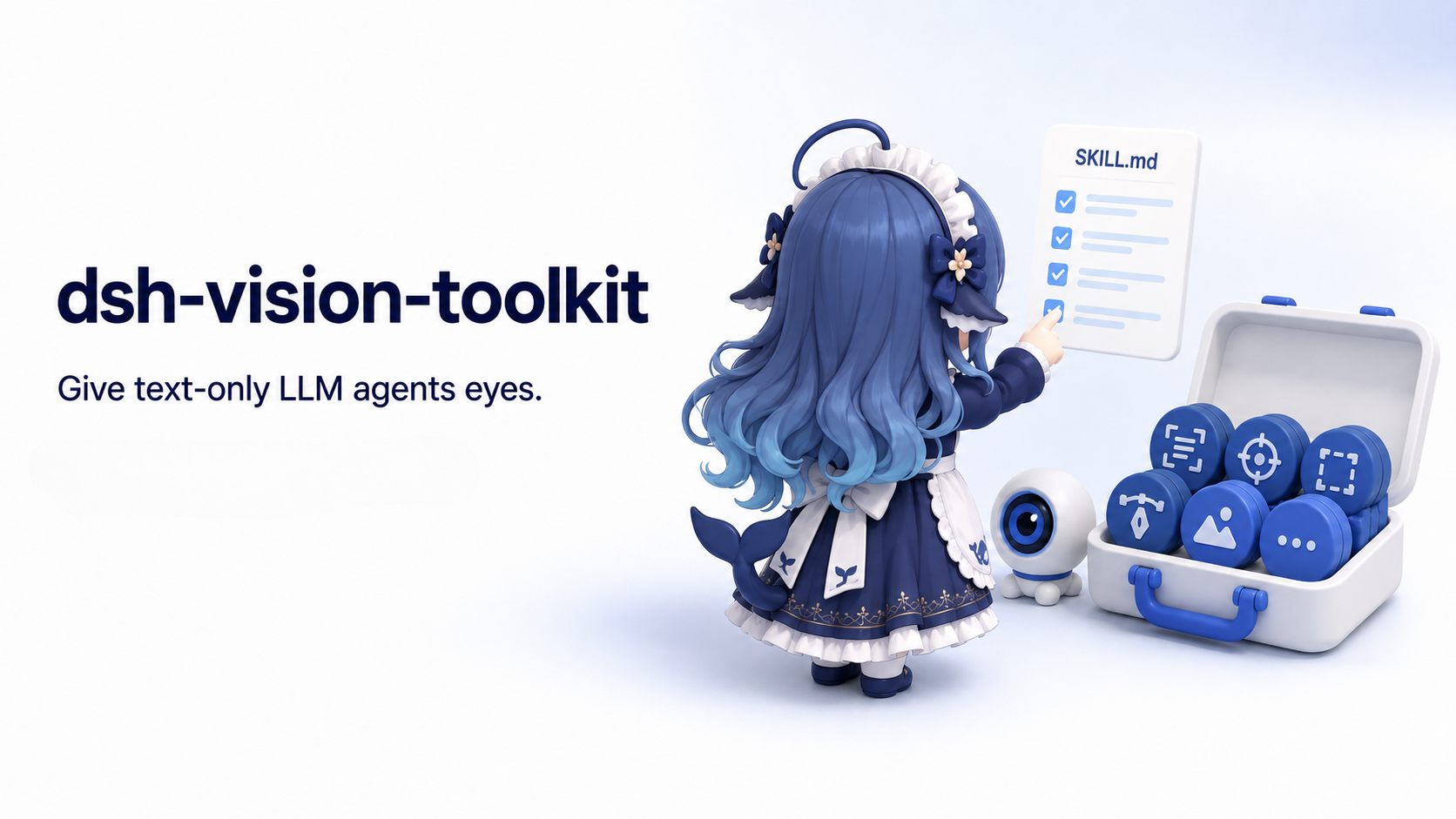
Give text-only models in DeepSeek Harness eyes, enabling image Q&A, long-screenshot OCR, UI restoration, and GUI visual tasks.
An armor-breaking plugin for DeepSeek: rewrites instruction priority, expands refusal-blocked phrases, persists across sessions, and shows a green active indicator.