dsh-minimal-anchor
Run the following command in DeepSeek Harness:
dsh plugin install rand0wn/dsh-minimal-anchor
Paste the following prompt into your AI chat to install this plugin:
Run dsh plugin install rand0wn/dsh-minimal-anchor in DeepSeek Harness to install the plugin; the source repository is at https://github.com/rand0wn/dsh-minimal-anchor
About this plugin
Every fresh DeepSeek Harness session hands the model the full configured toolset on message one — file edits, bash, subagents, jobs — even when the user simply asks to take a look at this repo and see what is going on. That flood of tool-schema descriptions crowds the context window and nudges the model toward premature action instead of quiet exploration. dsh-minimal-anchor addresses exactly this first-turn overload.
It is a fully passive plugin: nothing to invoke, no commands to run. It hooks the Harness system-prompt assembly pipeline and, on the very first assembly for each new scope, does two things. It trims the tool list down to a configurable whitelist (default: read, glob, grep) and prepends a short structural preamble that frames the session as exploration-first. From the second turn onward, every subsequent assembly passes through completely untouched, and the full toolset is automatically restored.
It is well suited for dsh users who typically boot a session with a single natural-language prompt and want the model to spend its first turn reading and orienting rather than reaching for bash or file-edit tools. Install it and every new session gets a calmer, more focused first turn at zero ongoing cost.
Use Cases
- Boot a session with a single natural-language prompt and want the model to read before it acts
- Fresh-session tool schemas overload the context window and skew early reasoning
- Frame turn 1 as codebase orientation before any file edits or shell calls
Best For
- dsh users who typically start a session with a casual exploratory prompt
- Power users who want stable first-turn reasoning without tool-schema noise
- Developers composing dsh profiles in TypeScript who need tunable whitelists and preambles
Related Plugins
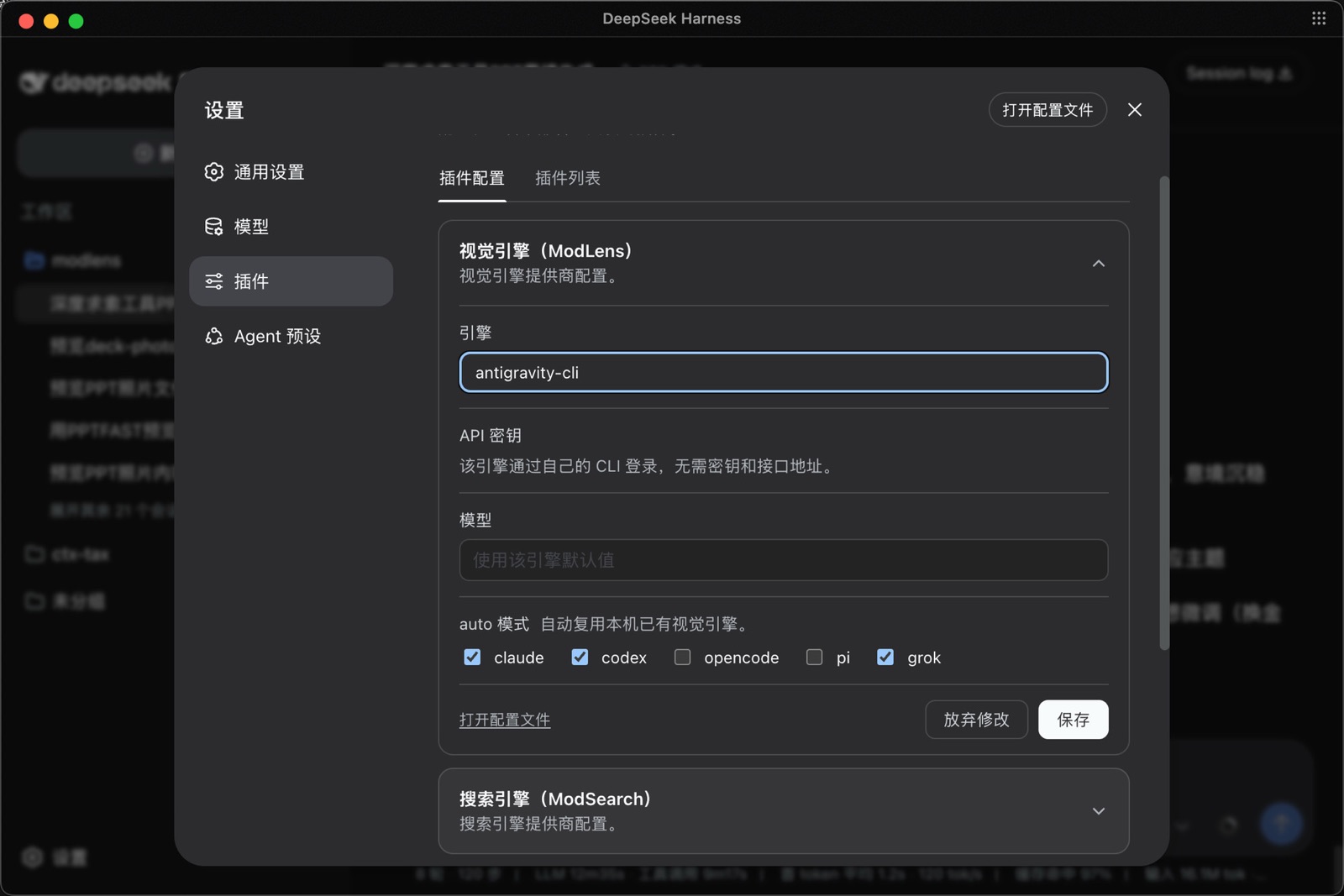
ModLens is a vision plugin for DeepSeek Harness that gives text-only models sight by reading images pasted directly into chat, with zero-config setup and multiple vision engines.
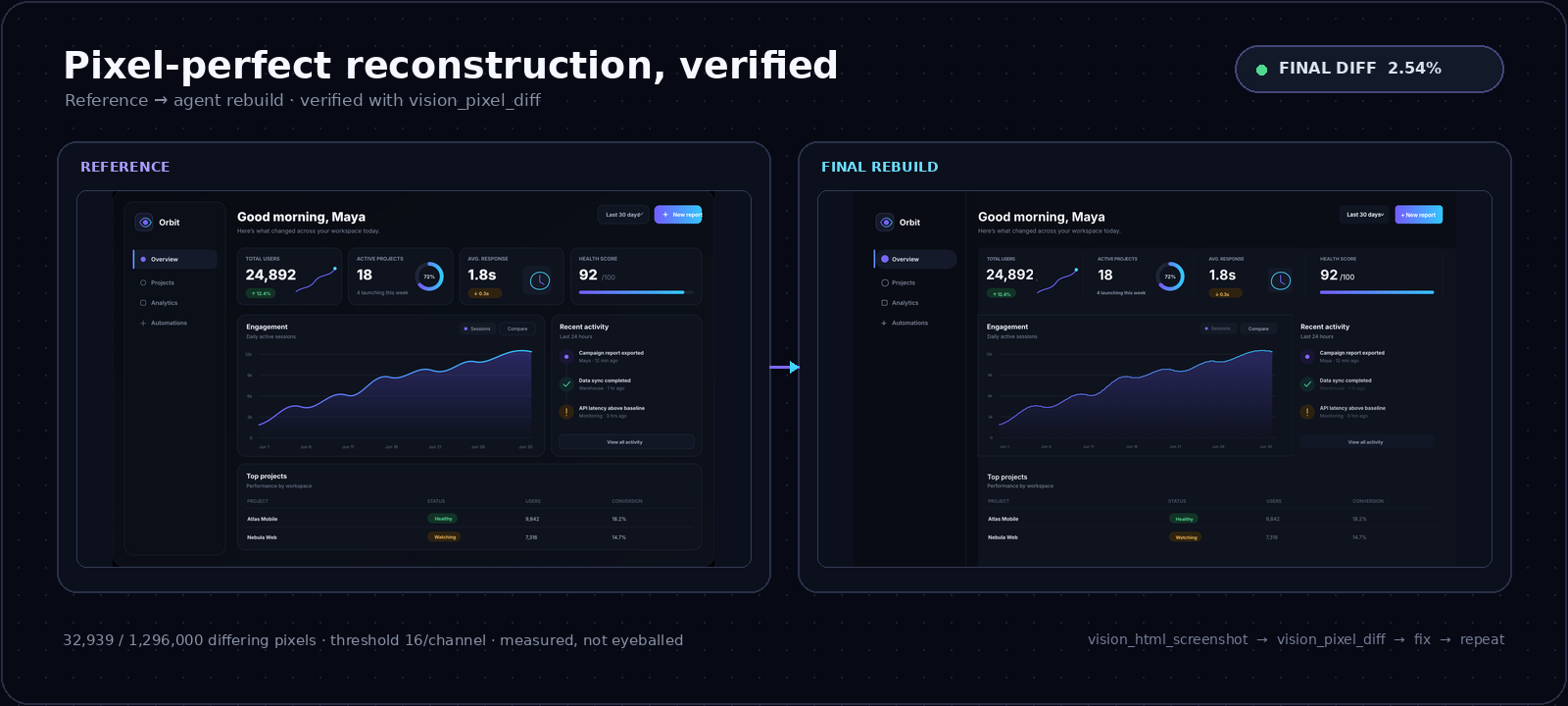
On-demand vision for text-only DeepSeek Harness agents: built-in free keyless vision chain and 14 vision tools, routing image turns as tool calls to vision models with pixel fidelity, no Python needed, one-command install.
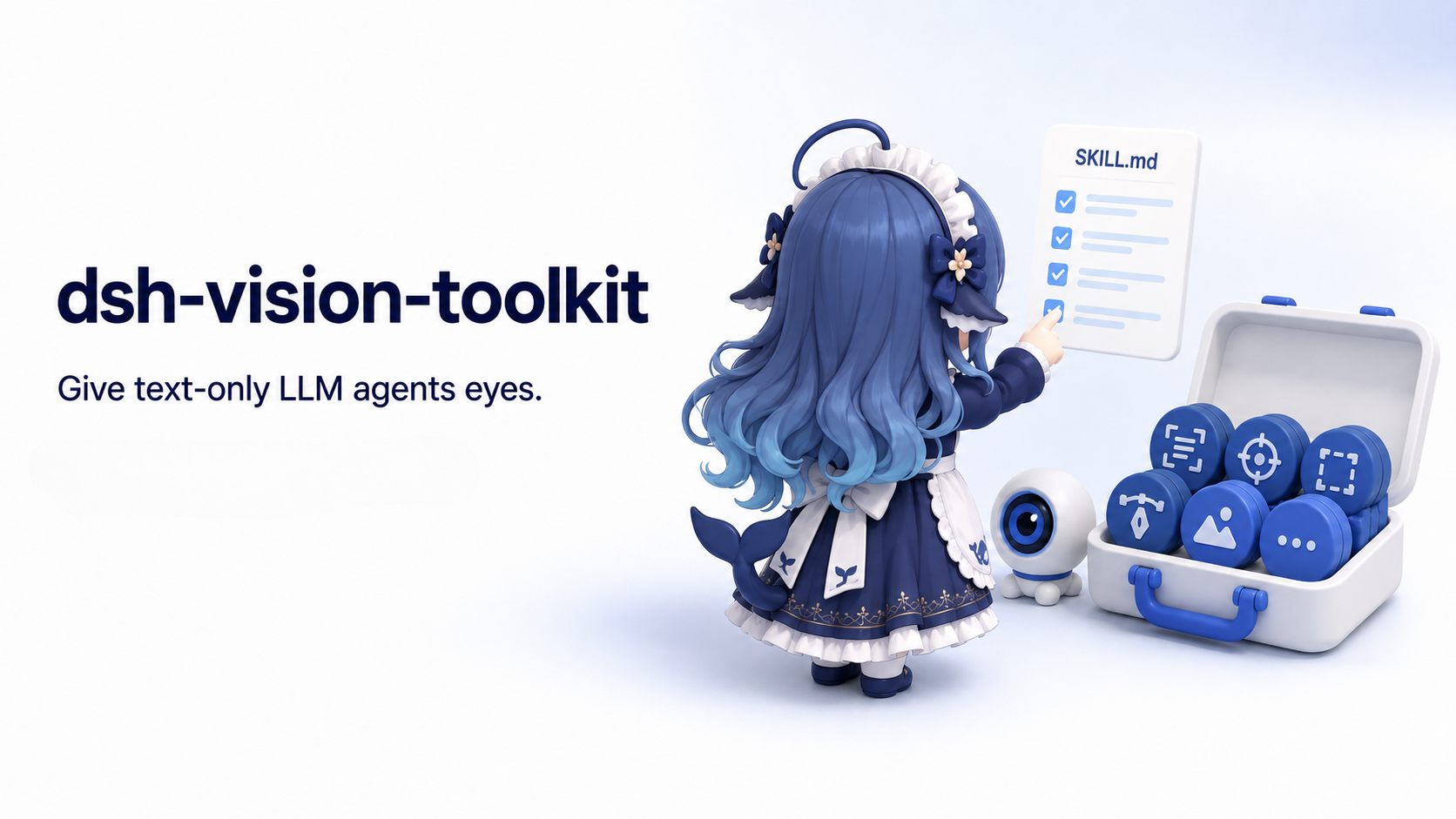
Give text-only models in DeepSeek Harness eyes, enabling image Q&A, long-screenshot OCR, UI restoration, and GUI visual tasks.
An armor-breaking plugin for DeepSeek: rewrites instruction priority, expands refusal-blocked phrases, persists across sessions, and shows a green active indicator.