dsh-ambiguity-handling
Run the following command in DeepSeek Harness:
dsh plugin install changlianxiya-139/dsh-ambiguity-handling
Paste the following prompt into your AI chat to install this plugin:
Install the plugin in DeepSeek Harness by running dsh plugin install changlianxiya-139/dsh-ambiguity-handling; full source is available at https://github.com/changlianxiya-139/dsh-ambiguity-handling
About this plugin
Vague prompts like "just write it" or "handle it" show up constantly in real conversations. When a model fills in the blanks on its own, the output often misses what the user actually meant. dsh-ambiguity-handling tackles exactly this: it does not change model capability, but shifts the model's behavior when it encounters ambiguous input.
The plugin appends a dedicated ambiguity-handling rule as an independent section (identified as ambiguity-handling, order 50) to the end of the system prompt, without overriding any existing content. The rule instructs the model to do three things before taking action: pinpoint the ambiguity explicitly, list two to four plausible interpretations in natural language, and offer an "other" fallback option, then wait for user confirmation before proceeding.
It is well suited for developers building chat or assistant applications on DeepSeek Harness where intent precision matters—think internal tools, customer-facing bots, or creative-writing helpers—where a wrong guess means a full round of rework.
Use Cases
- When a user sends a vague instruction like "just write it," the model lists interpretations before acting
- A customer-service bot receiving a blurry support request confirms intent before proposing solutions
- A creative-writing assistant offers style options when "adjust the tone" is underspecified
Best For
- Developers building end-user chat or assistant apps on DeepSeek Harness
- Internal-tool teams wanting to reduce rework caused by misread intent
- Builders of customer-service or writing workflows where intent precision matters
Related Plugins
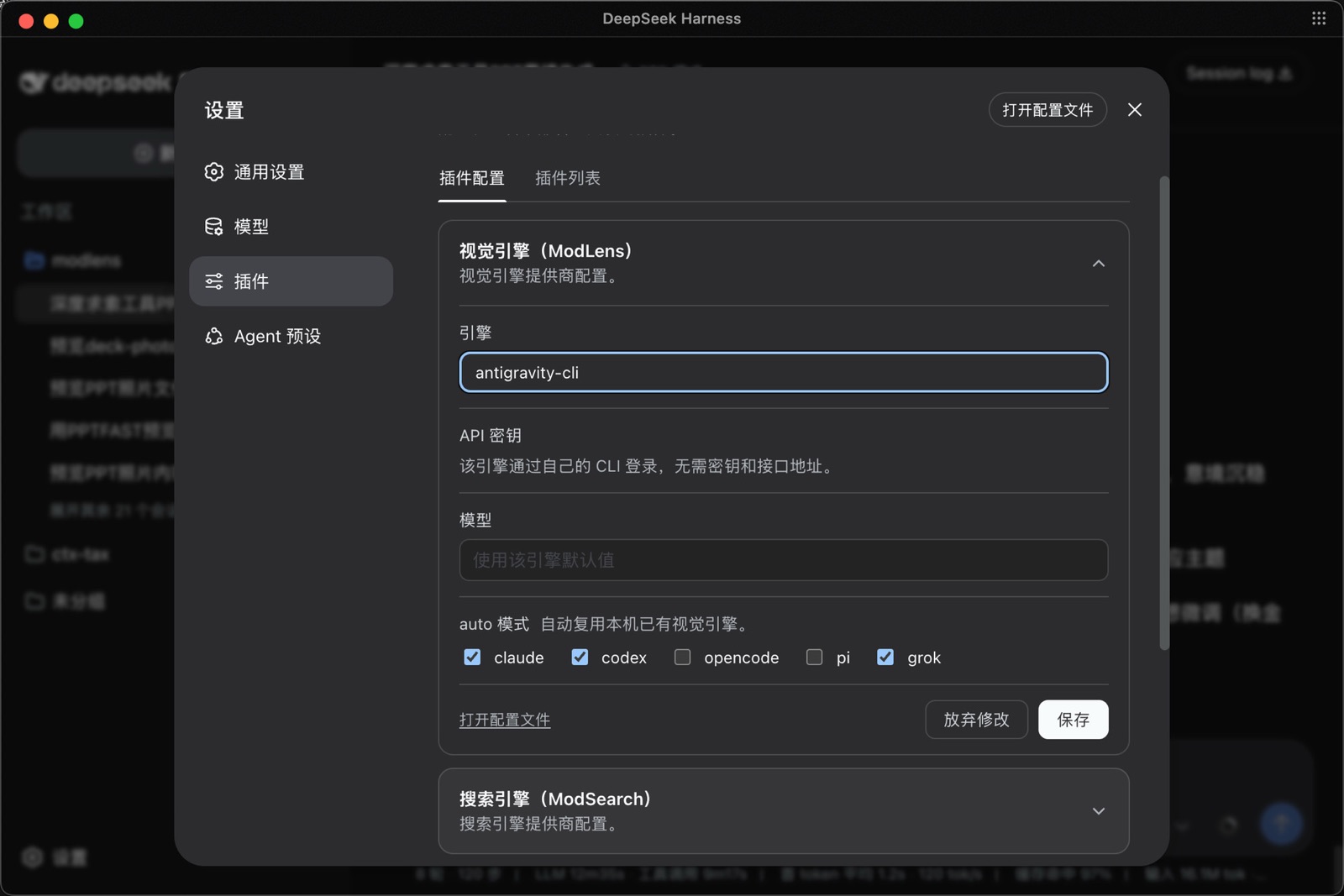
ModLens is a vision plugin for DeepSeek Harness that gives text-only models sight by reading images pasted directly into chat, with zero-config setup and multiple vision engines.
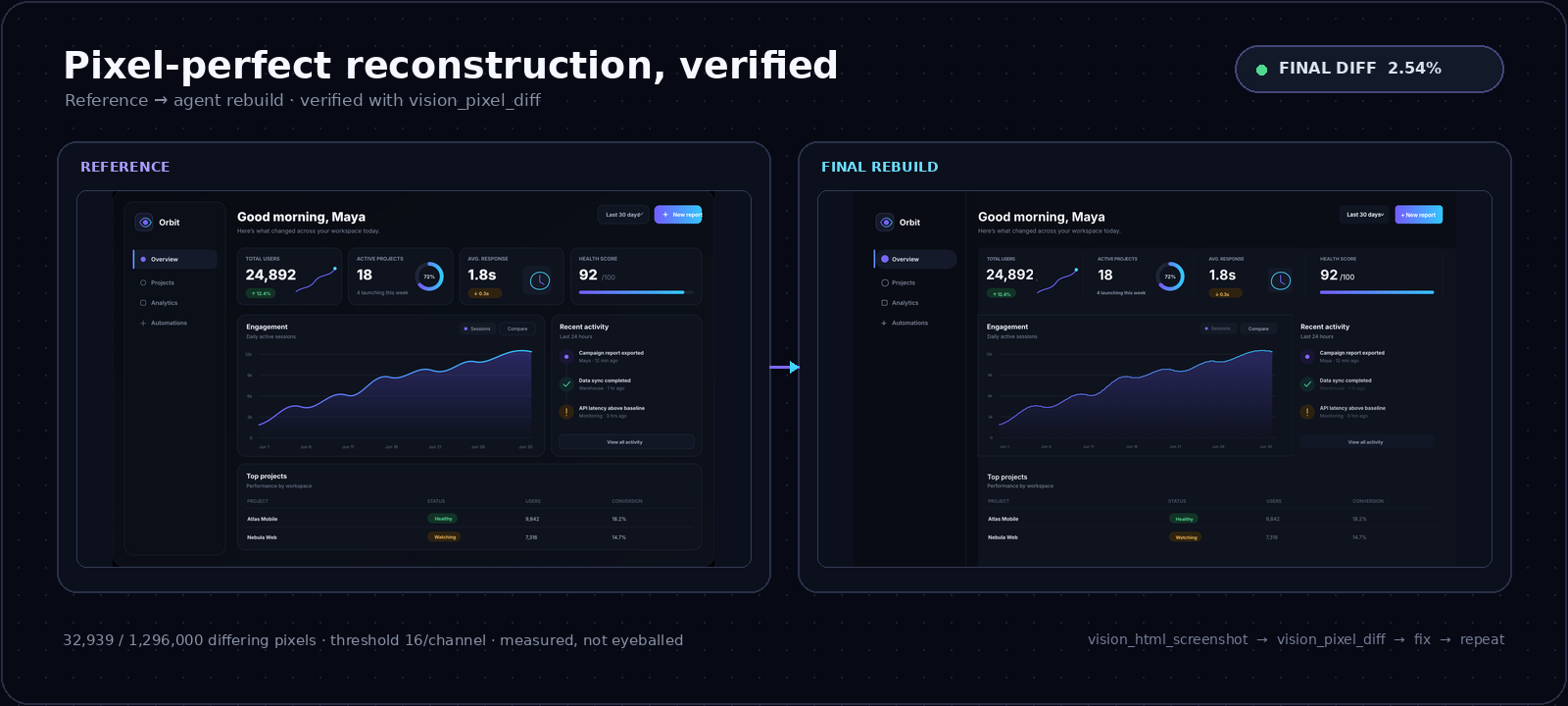
On-demand vision for text-only DeepSeek Harness agents: built-in free keyless vision chain and 14 vision tools, routing image turns as tool calls to vision models with pixel fidelity, no Python needed, one-command install.
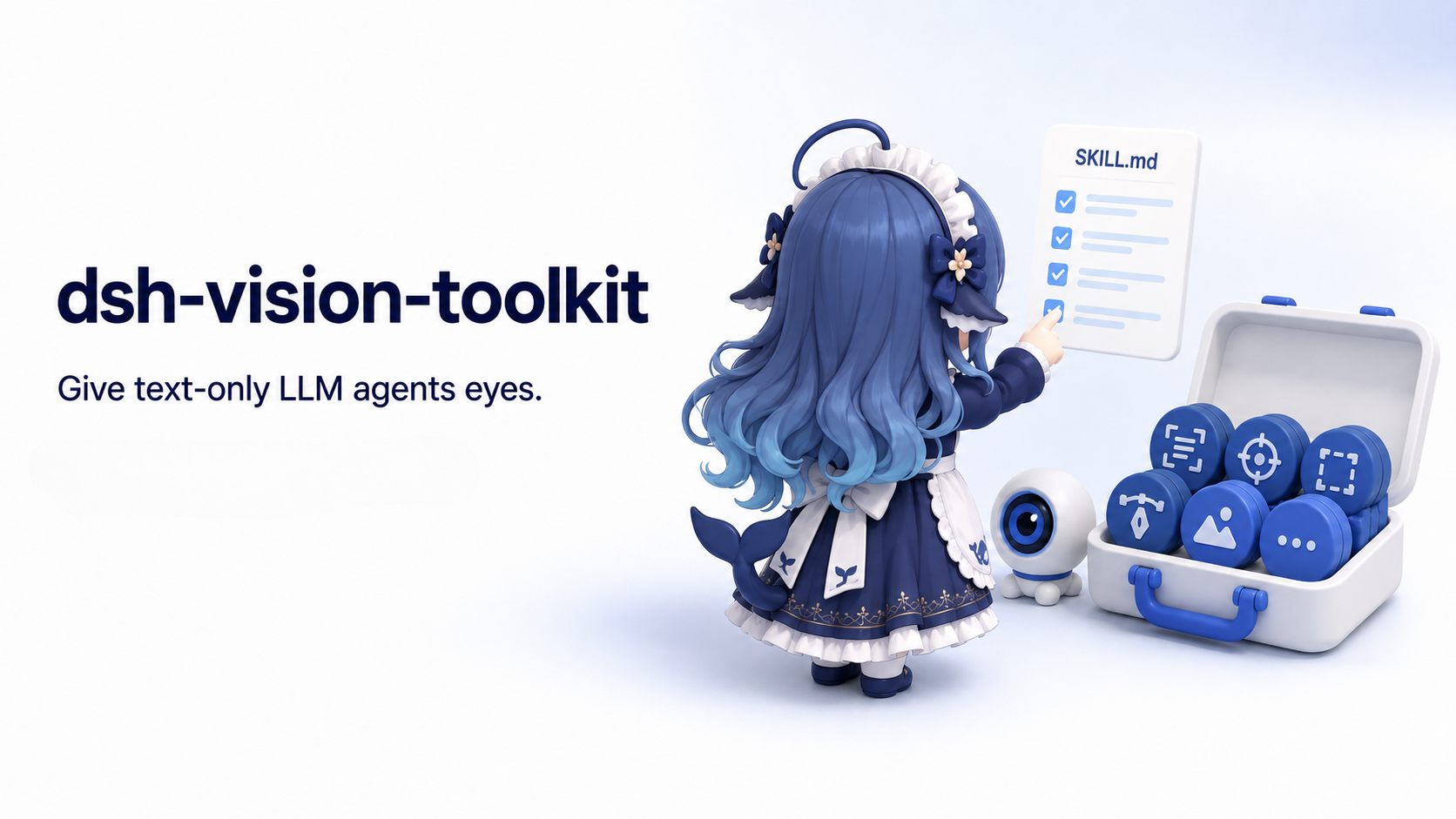
Give text-only models in DeepSeek Harness eyes, enabling image Q&A, long-screenshot OCR, UI restoration, and GUI visual tasks.
An armor-breaking plugin for DeepSeek: rewrites instruction priority, expands refusal-blocked phrases, persists across sessions, and shows a green active indicator.