dsh-allrouter
Run the following command in DeepSeek Harness:
dsh plugin install mario03690/dsh-allrouter
Paste the following prompt into your AI chat to install this plugin:
Run dsh plugin install mario03690/dsh-allrouter in your DeepSeek Harness terminal to install this plugin; the open-source repository is available at https://github.com/mario03690/dsh-allrouter
About this plugin
When working with DSH, juggling Kimi K3, Claude Opus 5, GPT-5.6, Grok, GLM, DeepSeek, and MiniMax-H3 across multiple providers means maintaining several accounts, API keys, and fragmented billing. dsh-allrouter collapses all of that into a single endpoint and one key: it injects an AllRouter provider config block into DSH so you can switch between all seven models from the same interface, billed at direct token rates, with real per-call cost returned on every response so you can compare models on price and latency rather than marketing.
The plugin runs no local tool code, touches no filesystem, and never stores your credential. It simply writes a provider declaration into the DSH MCP client configuration; all network calls are made by DSH itself against the AllRouter OpenAI-compatible endpoint. Config changes take effect on the very next request, no restart required. MiniMax-H3, listed as a self-serve model, needs a one-time toggle in the AllRouter console; every other model works out of the box.
Best suited for developers already on DSH v0.1 who want a unified entry point to mainstream frontier models and care about transparent per-call cost. No extra services to deploy: set ALLROUTER_API_KEY in your environment and start routing.
Use Cases
- Switch between Kimi K3, Claude, GPT, Grok, GLM, DeepSeek, and MiniMax-H3 from a single DSH endpoint
- Manage multiple frontier-model providers with one API key and one consolidated bill
- Compare models on real per-call cost, price, and latency rather than marketing claims
Best For
- Developers on DSH v0.1 who need access to multiple frontier models
- Solo developers who want to cut the overhead of managing several provider accounts and keys
- Teams that value transparent per-call cost and pay-as-you-go pricing
Related Plugins
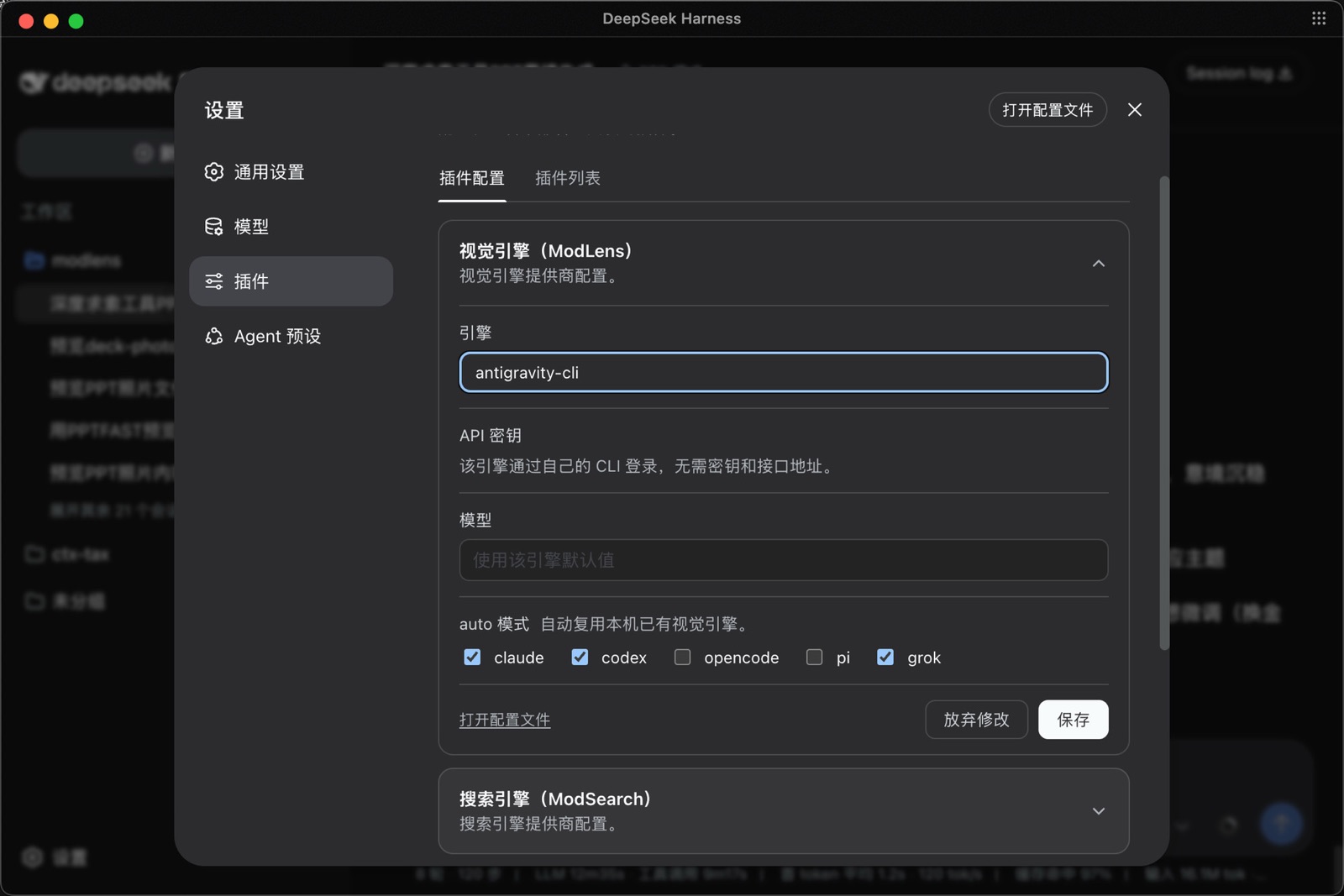
ModLens is a vision plugin for DeepSeek Harness that gives text-only models sight by reading images pasted directly into chat, with zero-config setup and multiple vision engines.
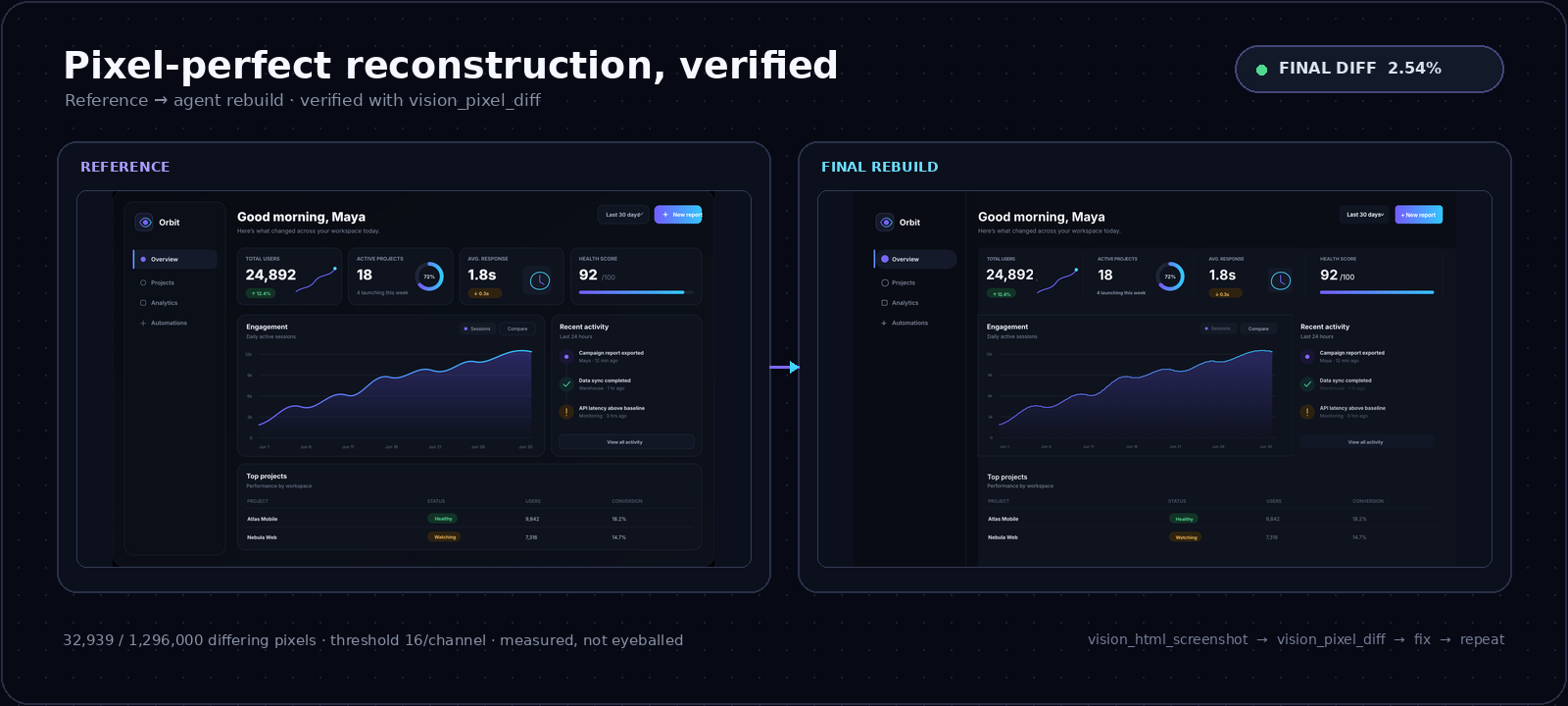
On-demand vision for text-only DeepSeek Harness agents: built-in free keyless vision chain and 14 vision tools, routing image turns as tool calls to vision models with pixel fidelity, no Python needed, one-command install.
Give text-only models in DeepSeek Harness eyes, enabling image Q&A, long-screenshot OCR, UI restoration, and GUI visual tasks.
An armor-breaking plugin for DeepSeek: rewrites instruction priority, expands refusal-blocked phrases, persists across sessions, and shows a green active indicator.