dsh-shareone-plugin
Run the following command in DeepSeek Harness:
dsh plugin install sudoprivacy/dsh-shareone-plugin
Paste the following prompt into your AI chat to install this plugin:
Run dsh plugin install sudoprivacy/dsh-shareone-plugin in DeepSeek Harness to install; source code is available at https://github.com/sudoprivacy/dsh-shareone-plugin.
About this plugin
An Agent finishes a task and produces a polished HTML report, a Markdown summary, or an interactive dashboard. How do you hand that result over? Copying into chat feels clumsy; sharing a local path is useless to the recipient. dsh-shareone-plugin closes that gap: the Agent publishes generated content or local files as a ShareOne short link in one tool call, ready to open in any browser with zero setup.
It covers six output types: plain text, Markdown, HTML pages, PowerPoint, PDF, and Word. Text, Markdown, and HTML links can be updated in place rather than recreated each time. Sharing controls include an access password, a watermark, and a custom slug. For collaboration you can read page comments, reply to them, and mark them resolved or dismissed, forming a publish-to-feedback loop. On first use the plugin auto-creates a temporary guest key and stores it in DSH key management, then binds it to your real ShareOne account for long-term use.
If you build Agents on DSH and regularly need to share AI-produced reports, web prototypes, or technical docs with teammates or clients, this plugin is the thinnest possible step in between. No server to stand up, no sharing code to write: the Agent calls one tool and the link is there.
Use Cases
- Publish an Agent-generated HTML report or Markdown doc as a short link for instant sharing
- Share password-protected and watermarked documents with external clients to avoid data leaks
- Read reader comments on a shared page, reply to each, and mark them resolved in a feedback loop
Best For
- DSH Agent developers who need to deliver AI-produced content frequently
- Product teams handing off technical reports or web prototypes to clients
- Collaborative workflows that collect reader feedback and iterate on content
Related Plugins
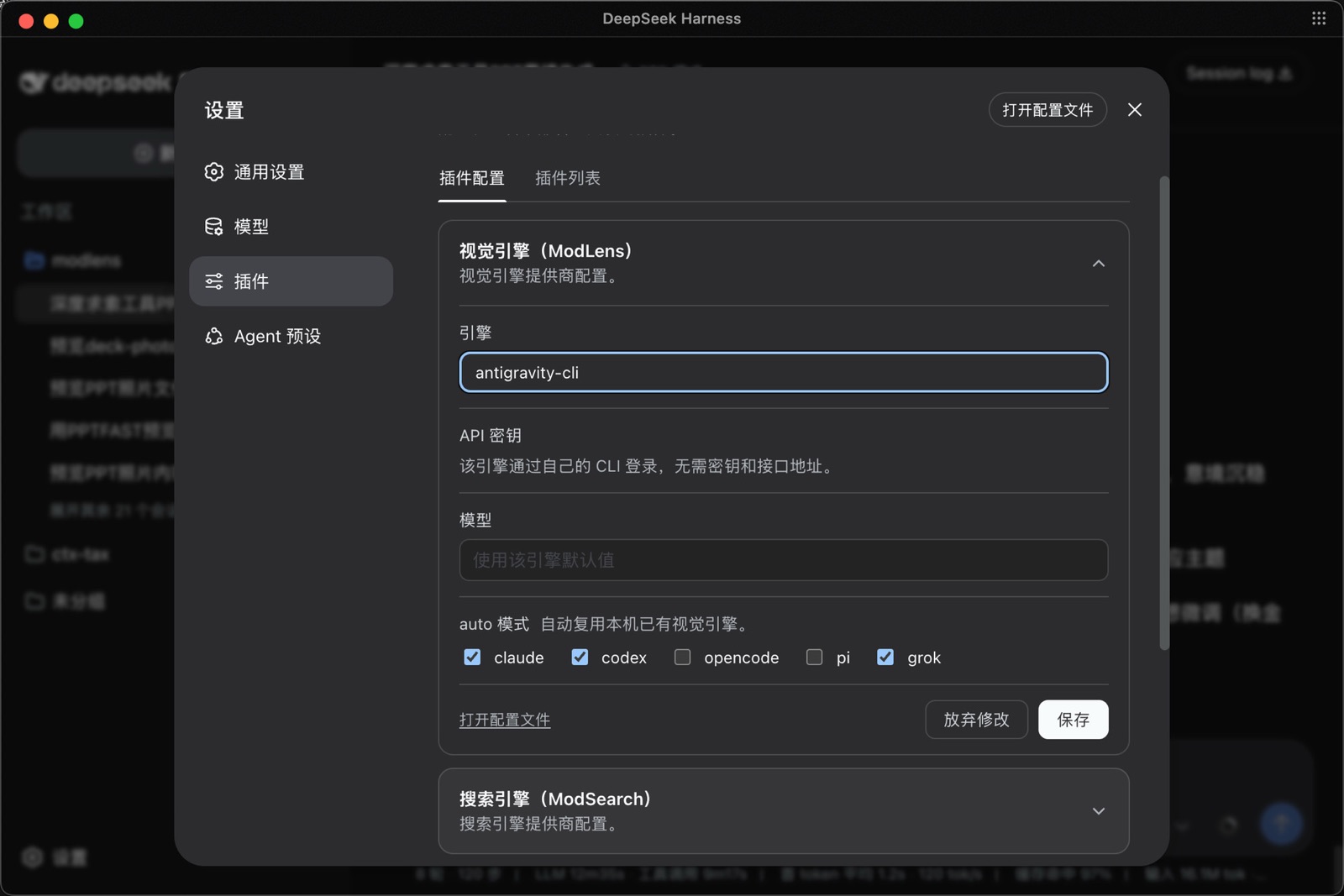
ModLens is a vision plugin for DeepSeek Harness that gives text-only models sight by reading images pasted directly into chat, with zero-config setup and multiple vision engines.
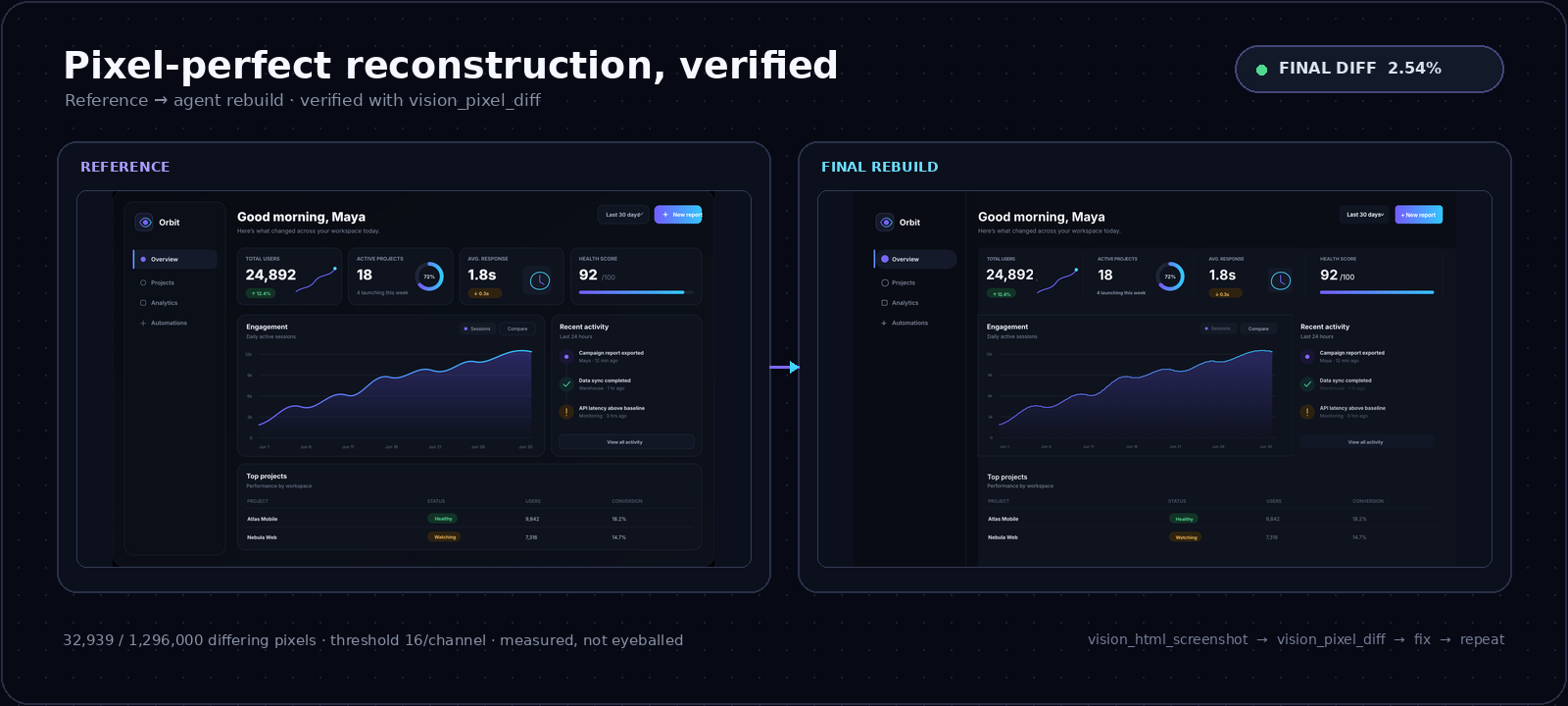
On-demand vision for text-only DeepSeek Harness agents: built-in free keyless vision chain and 14 vision tools, routing image turns as tool calls to vision models with pixel fidelity, no Python needed, one-command install.
Give text-only models in DeepSeek Harness eyes, enabling image Q&A, long-screenshot OCR, UI restoration, and GUI visual tasks.
An armor-breaking plugin for DeepSeek: rewrites instruction priority, expands refusal-blocked phrases, persists across sessions, and shows a green active indicator.