dsh-text2img-compress
Run the following command in DeepSeek Harness:
dsh plugin install Nigel211/dsh-text2img-compress
Paste the following prompt into your AI chat to install this plugin:
Run dsh plugin install Nigel211/dsh-text2img-compress in the DeepSeek Harness terminal to install (source: https://github.com/Nigel211/dsh-text2img-compress), then restart DSH to activate the plugin.
About this plugin
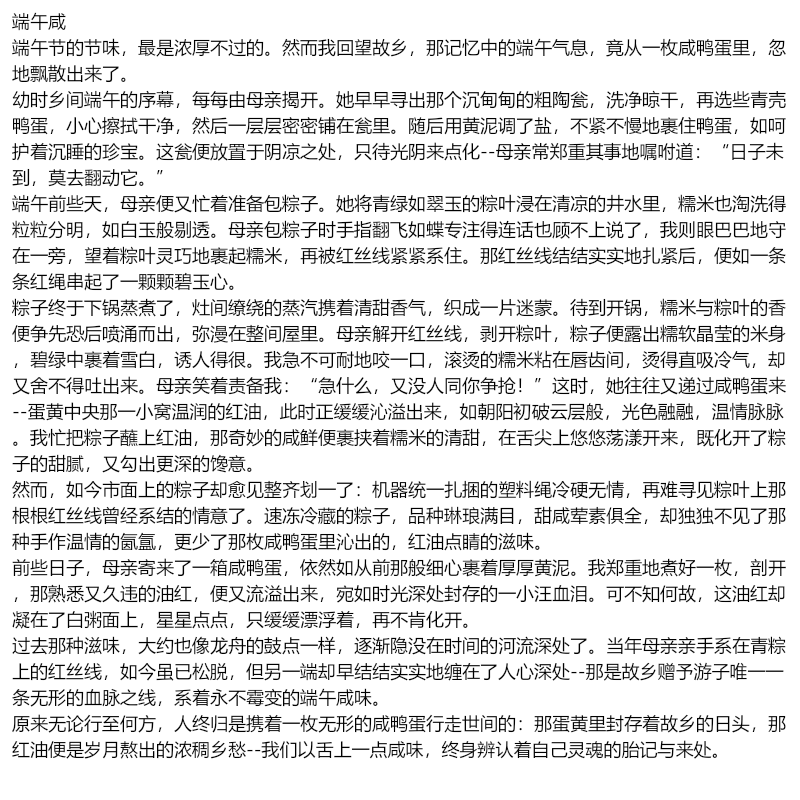
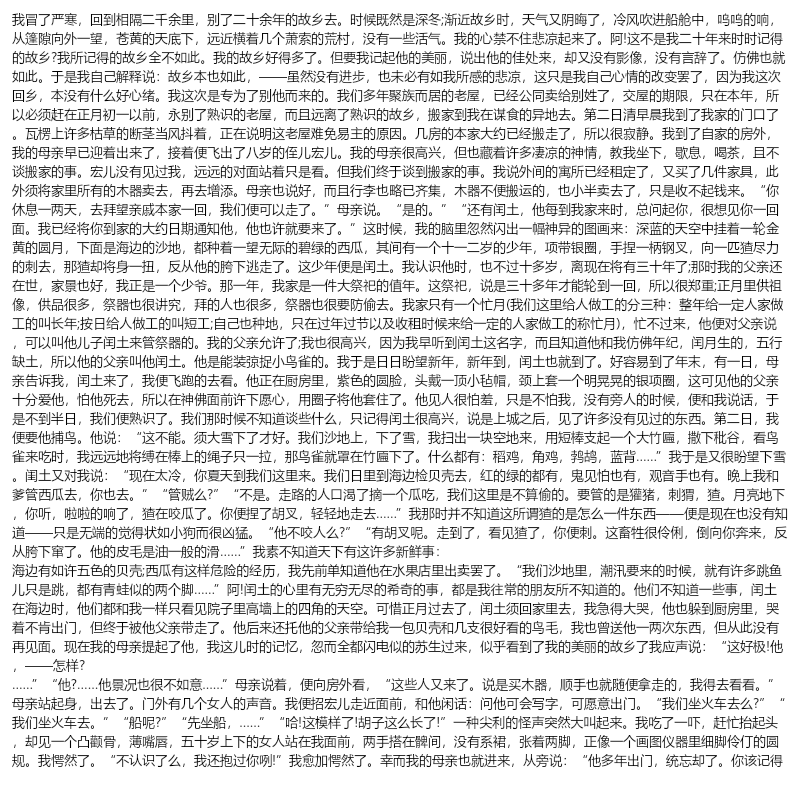
Feeding long text to a vision model often means tens of thousands of input tokens and a context window that fills up before you are done. dsh-text2img-compress takes a straightforward approach: before a message is sent, any text block exceeding a configurable threshold is automatically rendered into a series of 800x800 images, each consuming a fixed 384 tokens, so the model reads the full content from pictures.
For Chinese text, rendering at 18px typically yields a 2-2.5x token reduction, and smaller sizes such as 13px can push that to 4-6x. English text sees roughly 1-2x depending on font size. Critically, every word is preserved in the image, the conversation prefix remains byte-for-byte unchanged, and cache hits are not affected. If the page limit is exceeded or rendering fails, the plugin falls back to plain text-never losing content.
It is built for developers who need a vision model to digest long documents, papers, or changelogs, or who want to reclaim context-window budget for reasoning steps and tool results. If your workflow demands character-exact fidelity-code, SQL, JSON-keep those messages as plain text.
Screenshots
Use Cases
- Reduce input tokens when a vision model reads long papers or manuals
- Free up context-window budget for reasoning steps and tool outputs
- Lower API costs for batch summarization or retrieval over long texts
Best For
- Developers using DeepSeek vision models to process lengthy documents
- Teams with Chinese-heavy workflows needing token cost reduction
- Engineers focused on context-window efficiency and avoiding truncation
Related Plugins
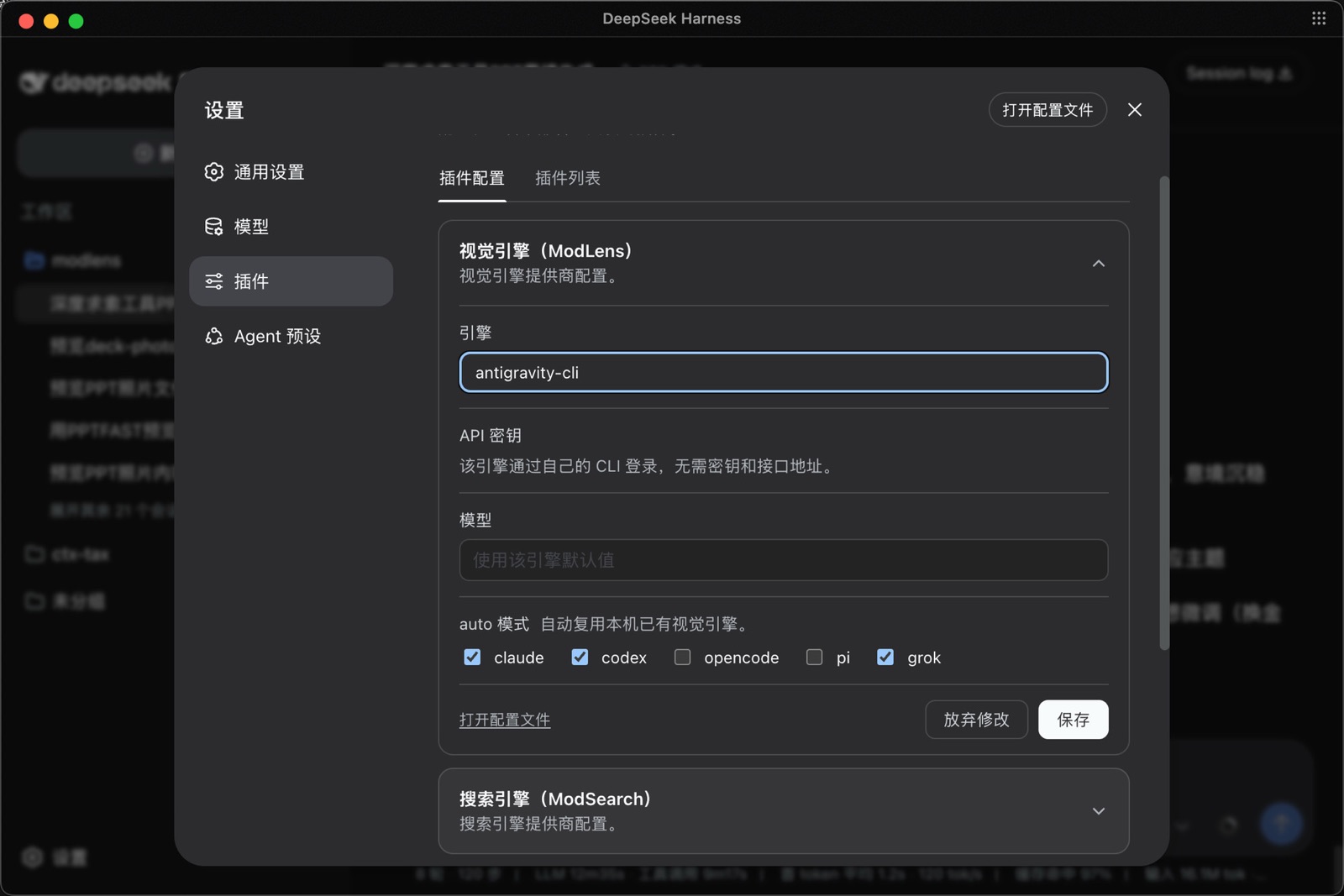
ModLens is a vision plugin for DeepSeek Harness that gives text-only models sight by reading images pasted directly into chat, with zero-config setup and multiple vision engines.
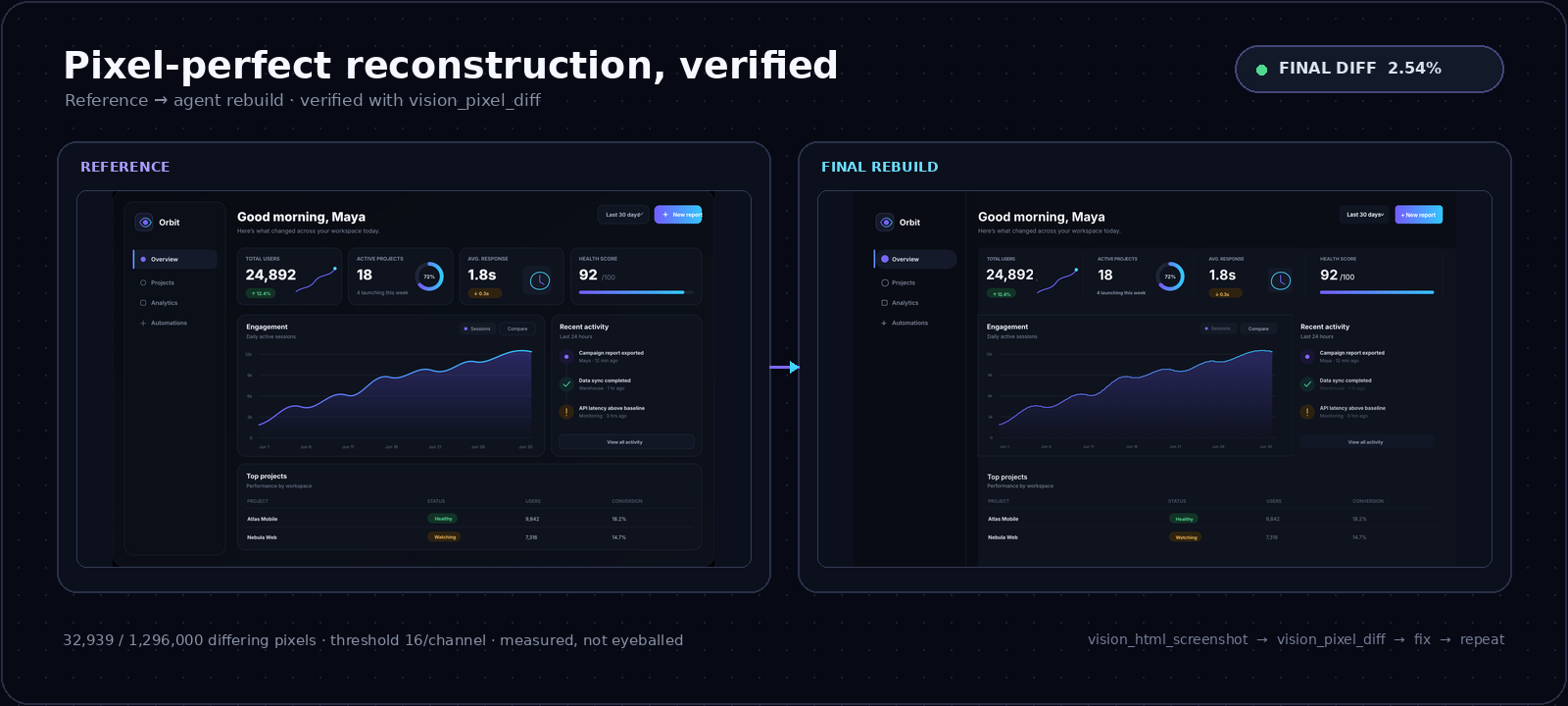
On-demand vision for text-only DeepSeek Harness agents: built-in free keyless vision chain and 14 vision tools, routing image turns as tool calls to vision models with pixel fidelity, no Python needed, one-command install.
Give text-only models in DeepSeek Harness eyes, enabling image Q&A, long-screenshot OCR, UI restoration, and GUI visual tasks.
An armor-breaking plugin for DeepSeek: rewrites instruction priority, expands refusal-blocked phrases, persists across sessions, and shows a green active indicator.