dsh-memory-pyramid
Run the following command in DeepSeek Harness:
dsh plugin install 33moren33/dsh-memory-pyramid
Paste the following prompt into your AI chat to install this plugin:
To install this plugin in DeepSeek Harness, execute the command dsh plugin install 33moren33/dsh-memory-pyramid; the plugin source code is located at https://github.com/33moren33/dsh-memory-pyramid.
About this plugin
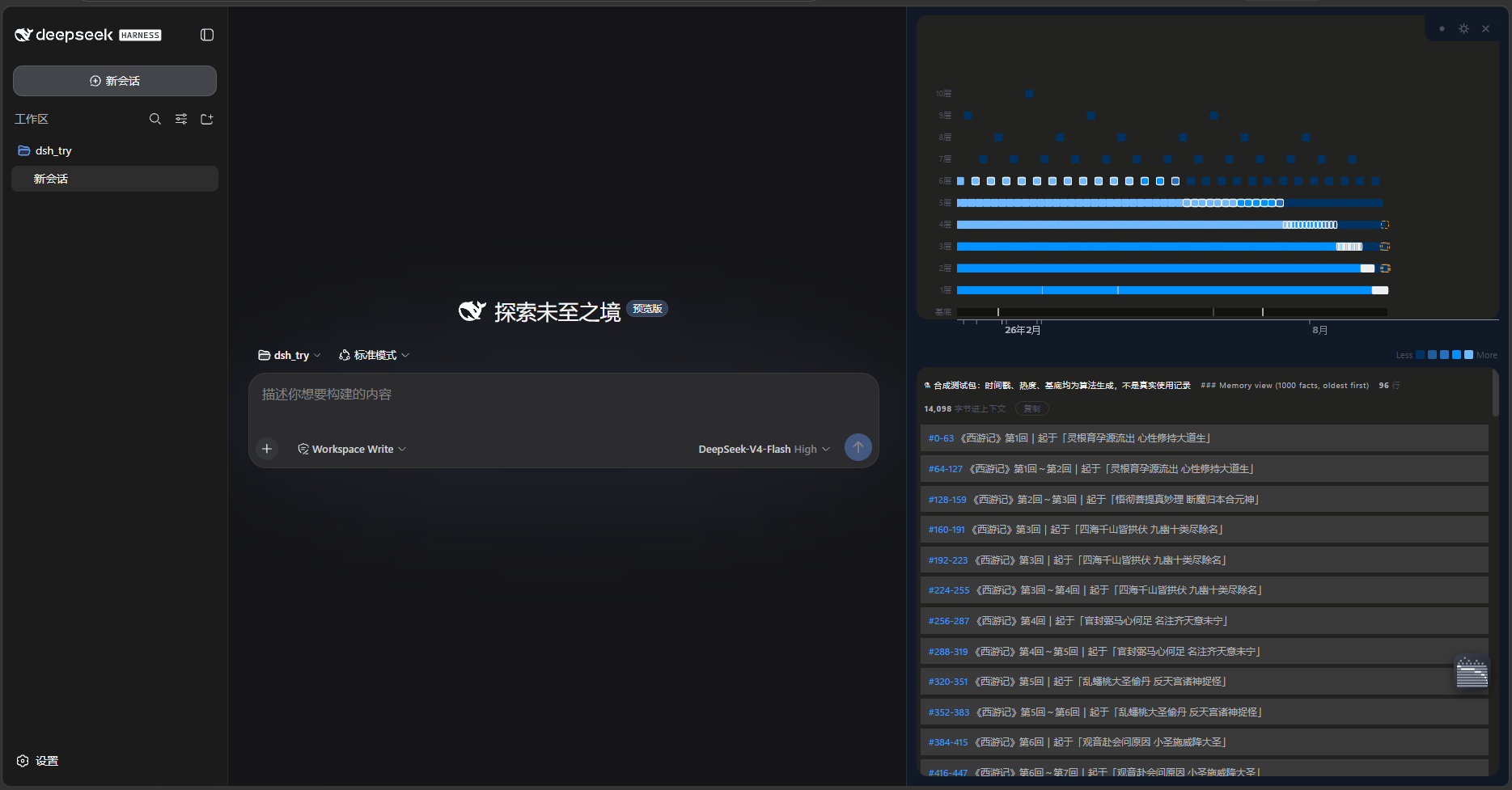
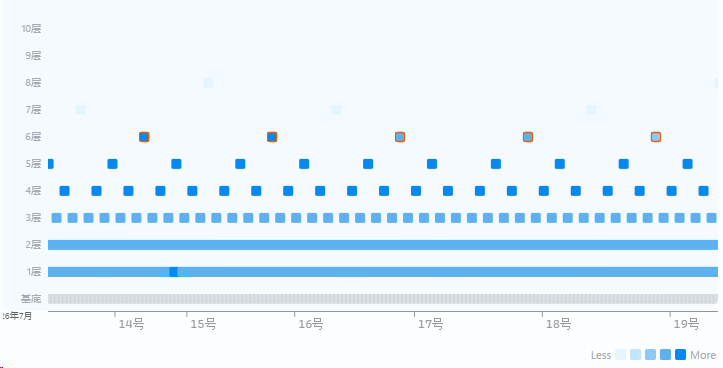
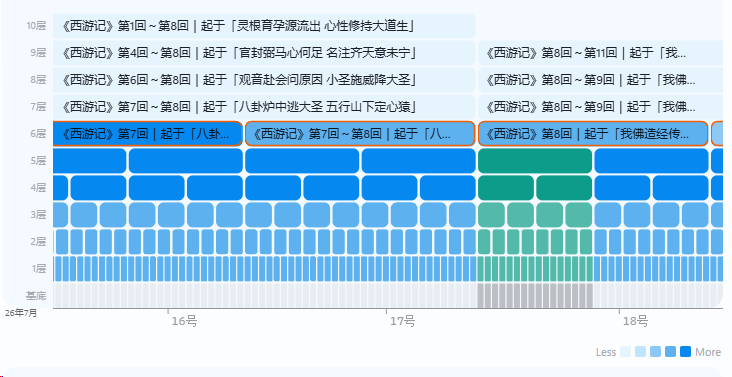
Traditional Agent memory mechanisms often focus on spatial (directory rules) or relevance (RAG), ignoring the "time" dimension. dsh-memory-pyramid is designed to solve the efficiency and maintainability of long-term Agent memory. Inspired by OptMem, it constructs a "pyramid memory structure," enabling the model not only to remember what happened but also to understand the timeline of events.
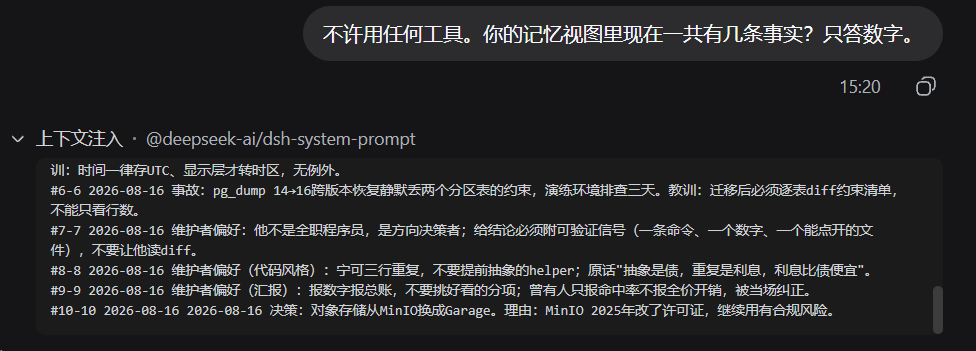
The plugin's core capability lies in its unique compression and presentation mechanism. It treats memory as a tower where content is more detailed near the top (recent events) and more abstract near the base (historical events). Even with tens of thousands of memories, the model only needs to read a fixed number of lines (default 96) at startup, significantly reducing token consumption. Additionally, it provides a visual "Memory Dashboard" that lets users see the full picture of their memory and drill down back to the original text.
This tool is ideal for developers and users who require long-term conversation context, frequent topic switching, or complex data streams. Whether building a customer service Agent that needs to remember user preferences or an analytical assistant processing massive logs, this zero-dependency, plug-and-play memory system enables efficient, persistent, and controllable intelligent memory management.
Screenshots
Use Cases
- Context continuity management in long-term conversation scenarios
- Analysis processing massive historical data with low token consumption
- Deep workflows requiring intuitive visualization and memory source tracing
Best For
- AI developers seeking high performance and zero dependencies
- Engineers researching long-context memory mechanisms and optimizations
- Deep users needing clear memory structures and traceability capabilities
Related Plugins
Traceable, searchable cross-session memory for AI agents that turns conversation knowledge into a typed knowledge graph and recalls relevant subgraphs instead of replaying full history, natively integrated with DeepSeek Harness.
Gives DSH AI cross-session long-term memory, to-do and skill management, plus multi-session orchestration, external AI delegation, and an infinite canvas that grows with you.
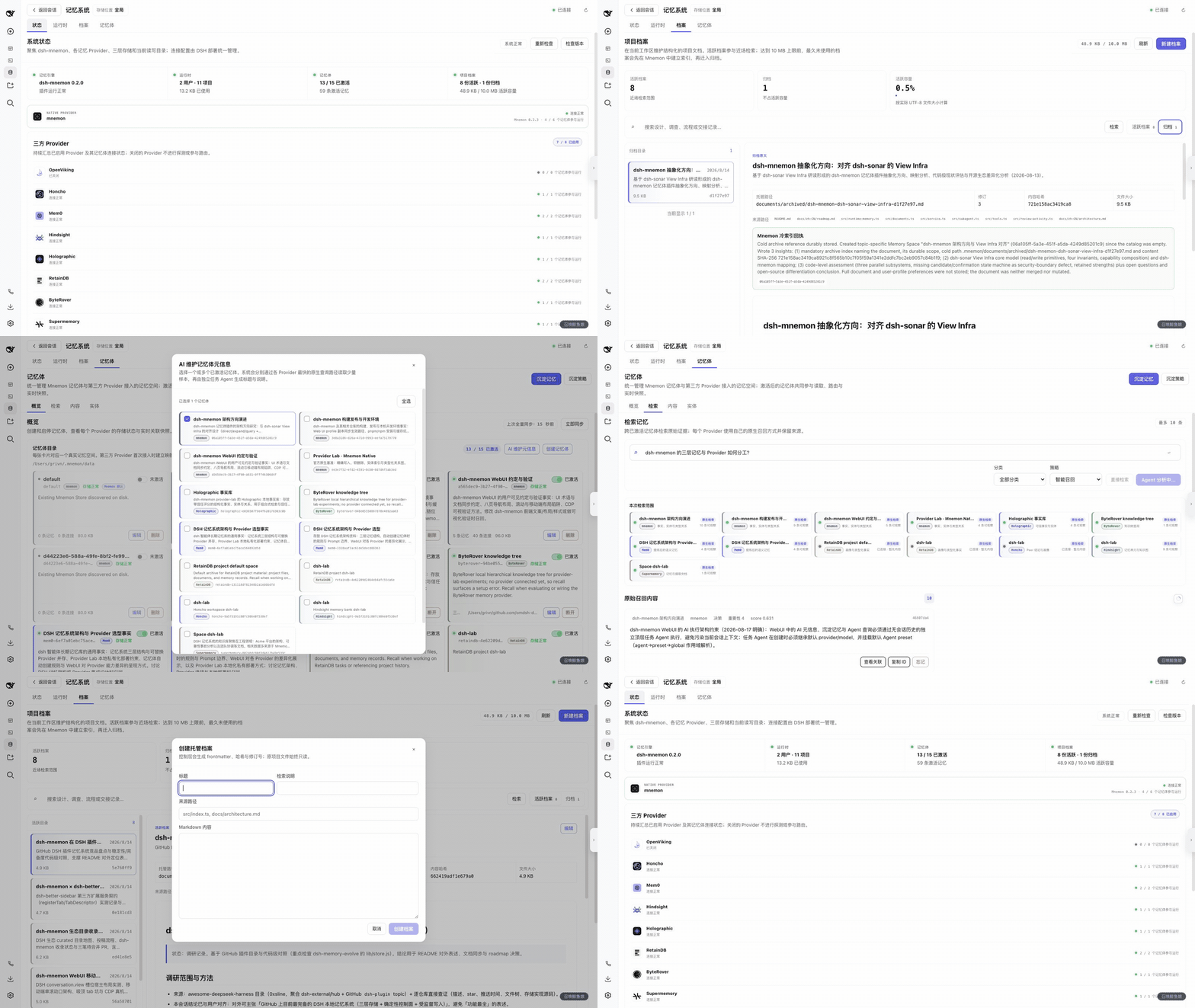
dsh-mnemon is a three-tier, pluggable, Agent-driven memory system for DeepSeek Harness, combining Runtime memory, Project Documents, and replaceable Memory Spaces with nine long-term providers.
An opinionated, zero-infrastructure file-based memory protocol: human-readable markdown files plus a bounded always-loaded index, curation discipline, and no database or embeddings.