graph-memory
Run the following command in DeepSeek Harness:
dsh plugin install adoresever/graph-memory
Paste the following prompt into your AI chat to install this plugin:
Install the plugin in DeepSeek Harness by running dsh plugin install adoresever/graph-memory, then verify graph-memory/dsh is enabled under Settings → Plugins → Plugin list; source: https://github.com/adoresever/graph-memory
About this plugin
One of the biggest pain points for LLM agents is amnesia across sessions. Traditional context compaction can only answer "how much of this conversation still fits," but not "which past knowledge is worth recalling right now." Graph Memory is built for exactly that question: it extracts reusable conversation knowledge into typed nodes—TASK for goals and outcomes, SKILL for validated methods, EVENT for errors, fixes, decisions, and facts—and preserves relationships with typed edges like USED_SKILL and SOLVED_BY. When a new question arrives, it retrieves a relevant local subgraph instead of replaying the complete history.
As a native DeepSeek Harness plugin, it is loaded through the DSH/Cordis plugin lifecycle and integrates with Session, Tool, Agent Loop, and other key seams, without forking or modifying the Harness core. Memory is durable across sessions: knowledge from Session A can be recalled automatically in Session B, survives restarts, and every recalled memory carries source-session and graph-edge provenance explaining why it was retrieved. For context efficiency, it keeps the newest real user turns verbatim, compresses the older model-facing prefix into a rolling checkpoint, and uses semantic vector retrieval with FTS5 lexical fallback—only a relevant cross-session subgraph enters the prompt, within a default recallTokenBudget of 4096.
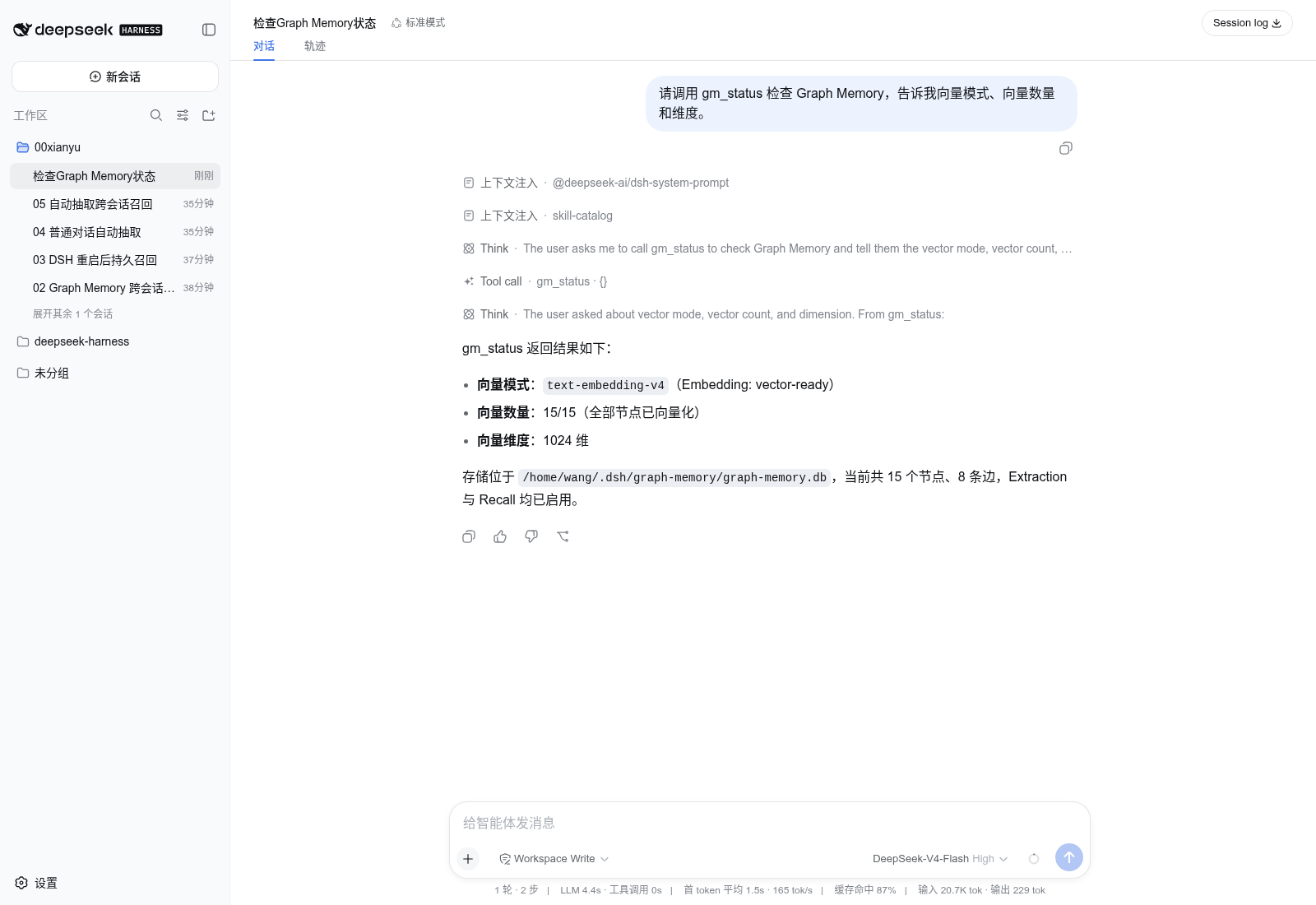
It is also local-first and observable: SQLite by default with no graph-database deployment required, embeddings optional (FTS5 keeps working without them), and data stays in the user's local profile. Tools like gm_status and gm_stats expose store path, graph counts, vector coverage, and dimensions; model or dimension changes trigger re-embedding, and vectors with different dimensions are never silently compared.
Graph Memory is for developers building agents on DeepSeek Harness who take long-term memory seriously—whether you need cross-session tool skills, traceable decision workflows, or a way to meaningfully cut token usage by injecting only relevant knowledge into each prompt. It turns "memory" from a vague requirement into a searchable, explainable, auditable engineering fact.
Screenshots
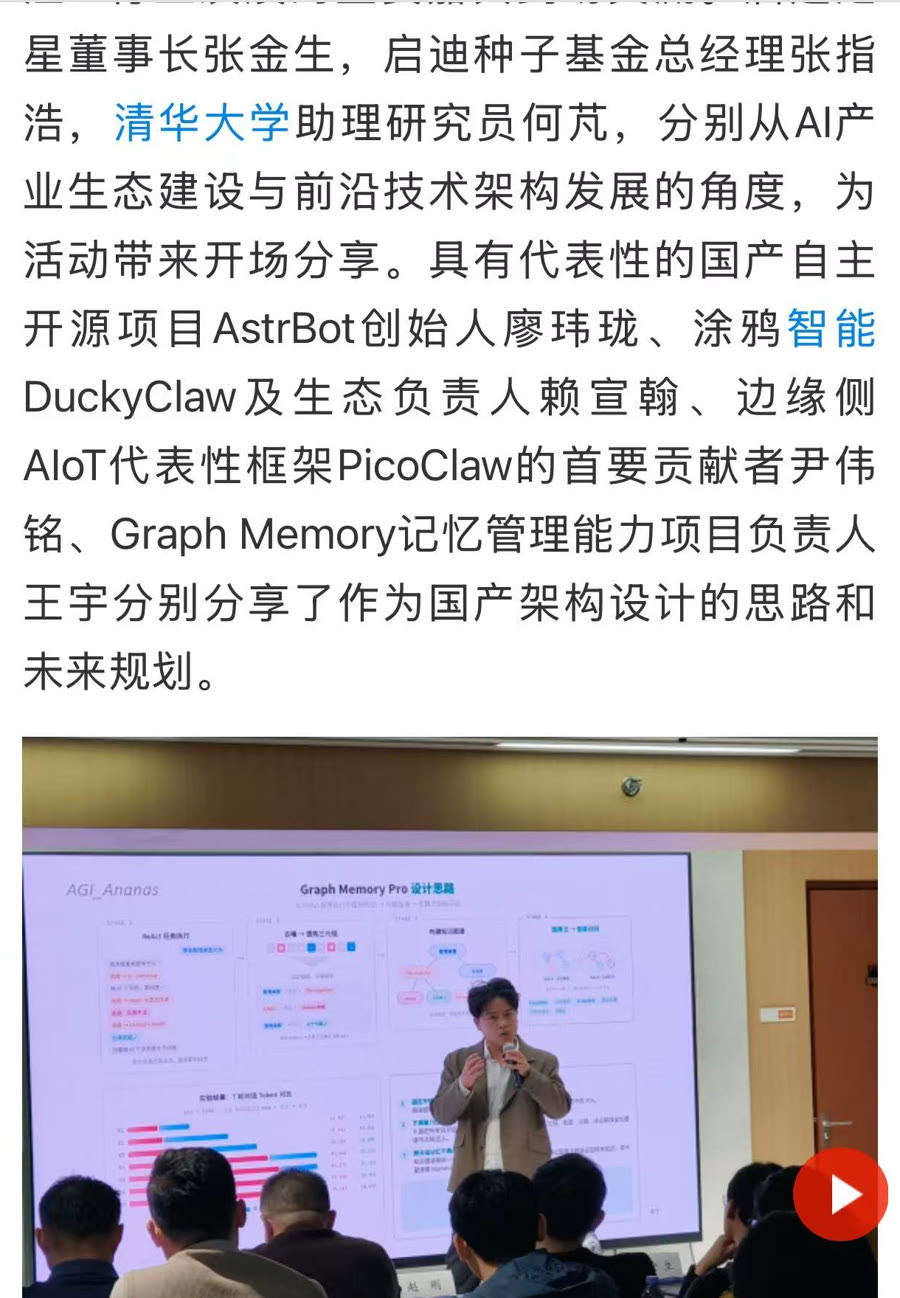
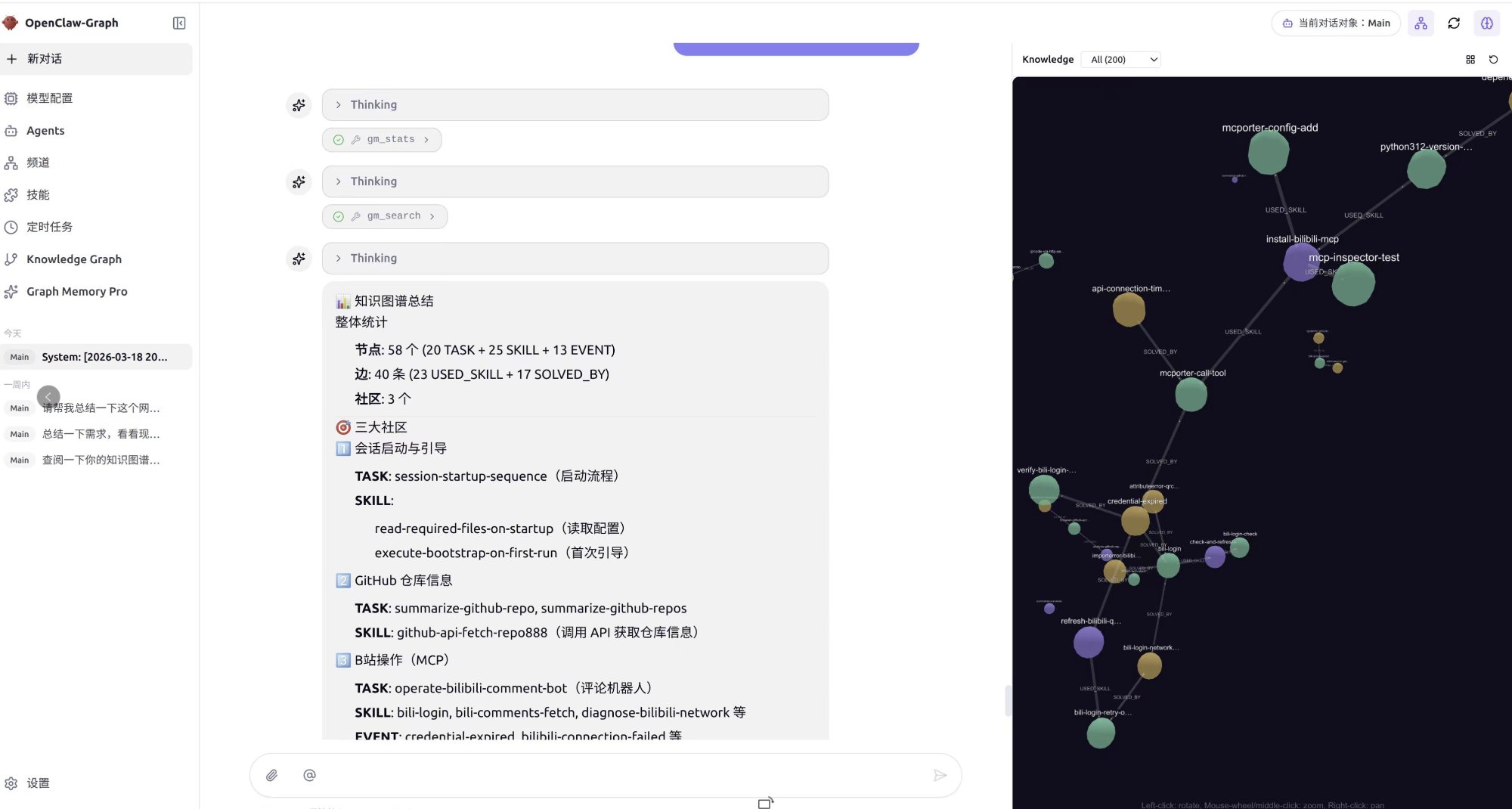
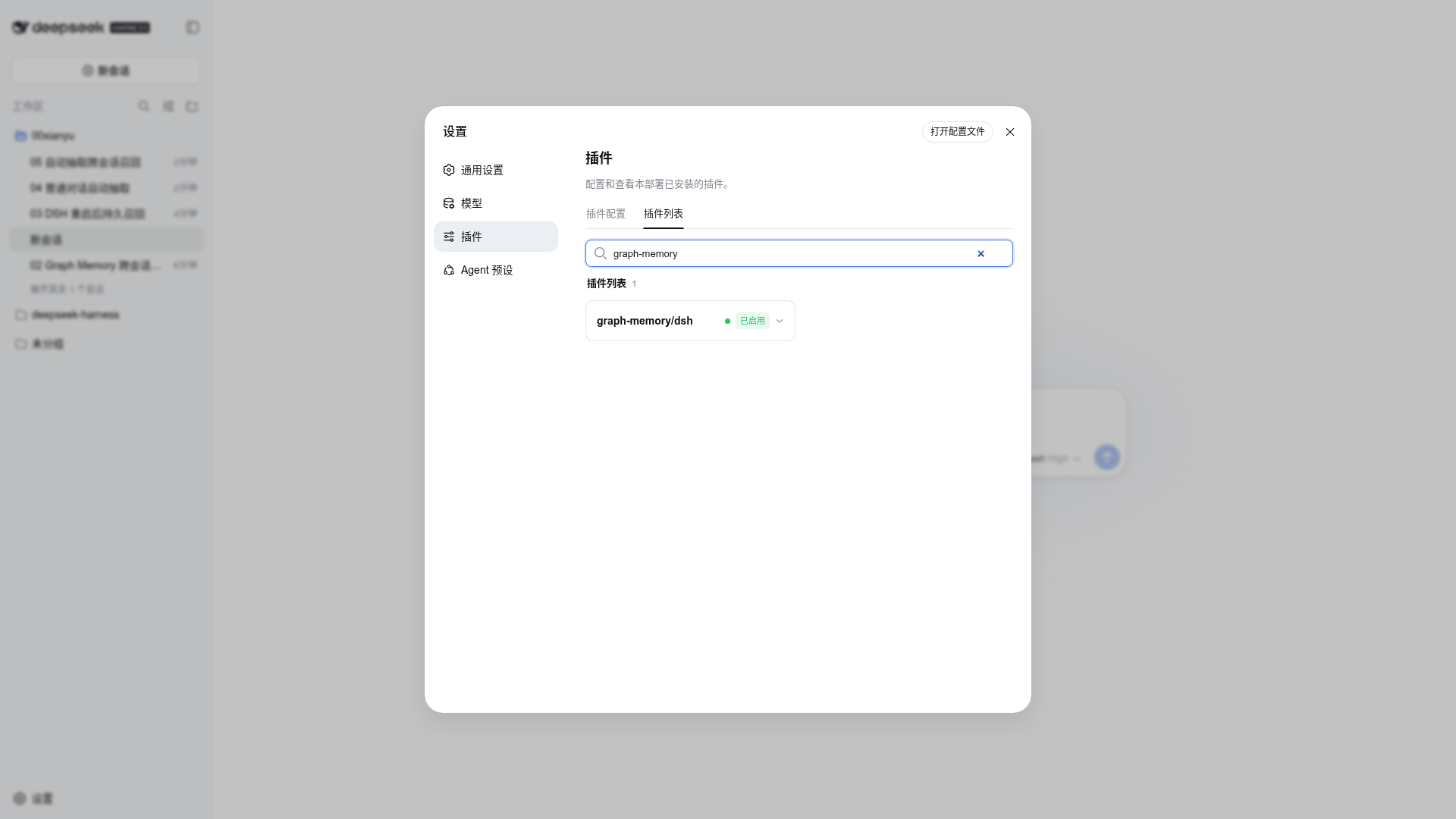
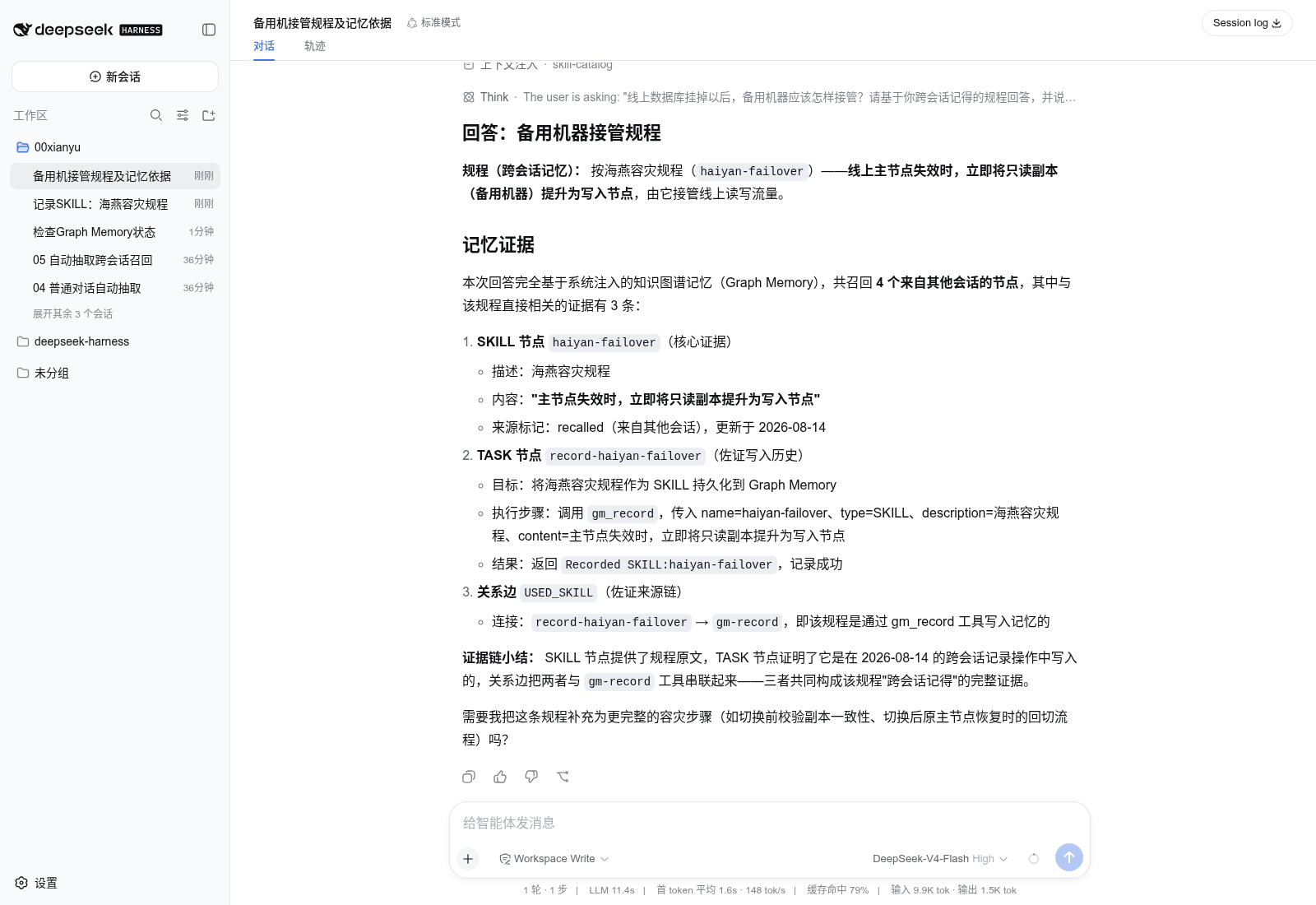
Use Cases
- Agents automatically recall skills and task experience from earlier sessions in a fresh conversation.
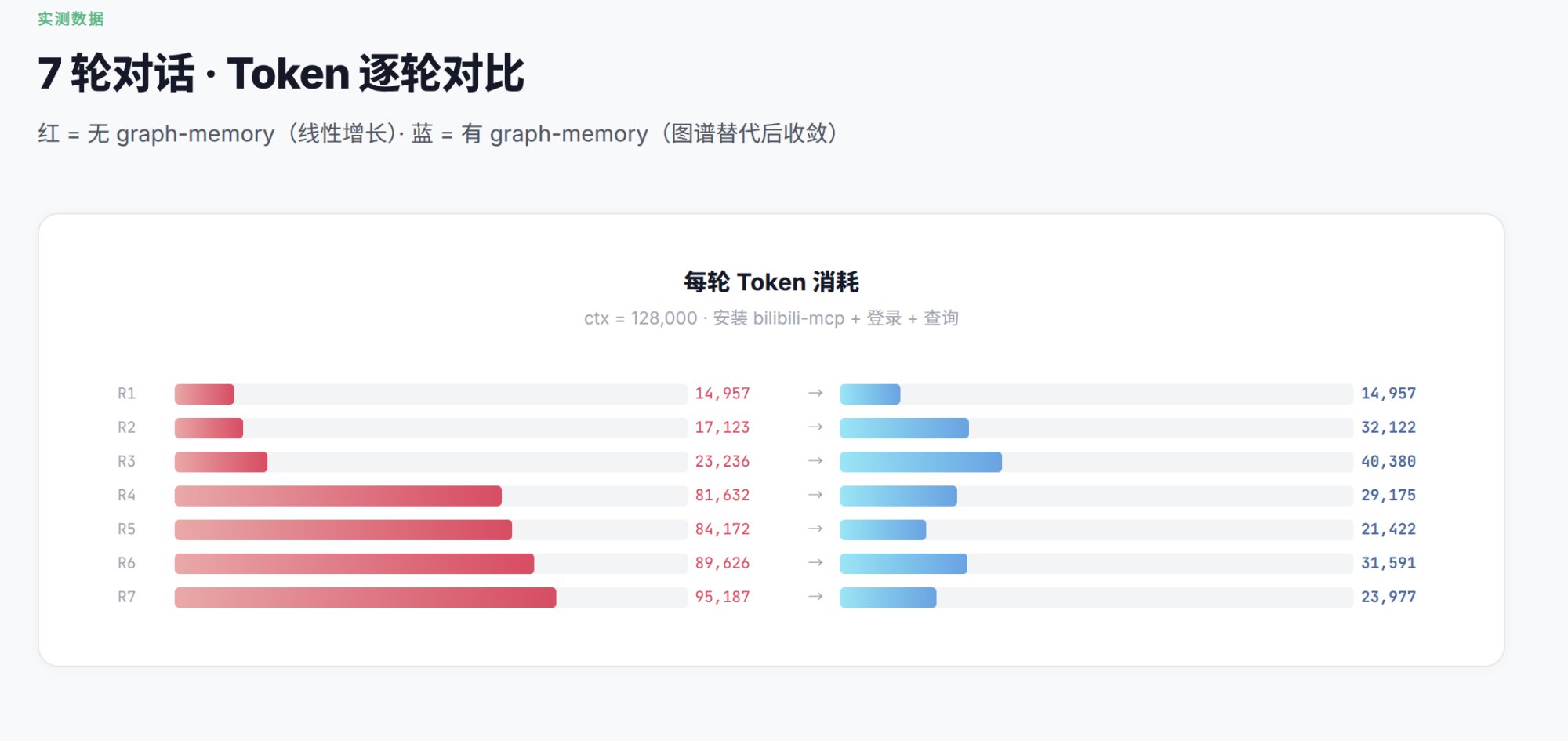
- Long multi-turn dialogues use relevant knowledge subgraphs instead of full history replay to reduce token consumption.
- Record key errors, fixes, and decisions to build a traceable, explainable long-term memory.
Best For
- Developers building persistent-memory agents on DeepSeek Harness.
- Teams that need an auditable knowledge base across multi-session workflows.
- AI application builders looking to compress context windows and cut inference costs.
Related Plugins

Memory layer for coding agents that indexes local session history and auto-recalls relevant context before edits, commands, and failures, with no manual search needed.
Gives DSH AI cross-session long-term memory, to-do and skill management, plus multi-session orchestration, external AI delegation, and an infinite canvas that grows with you.
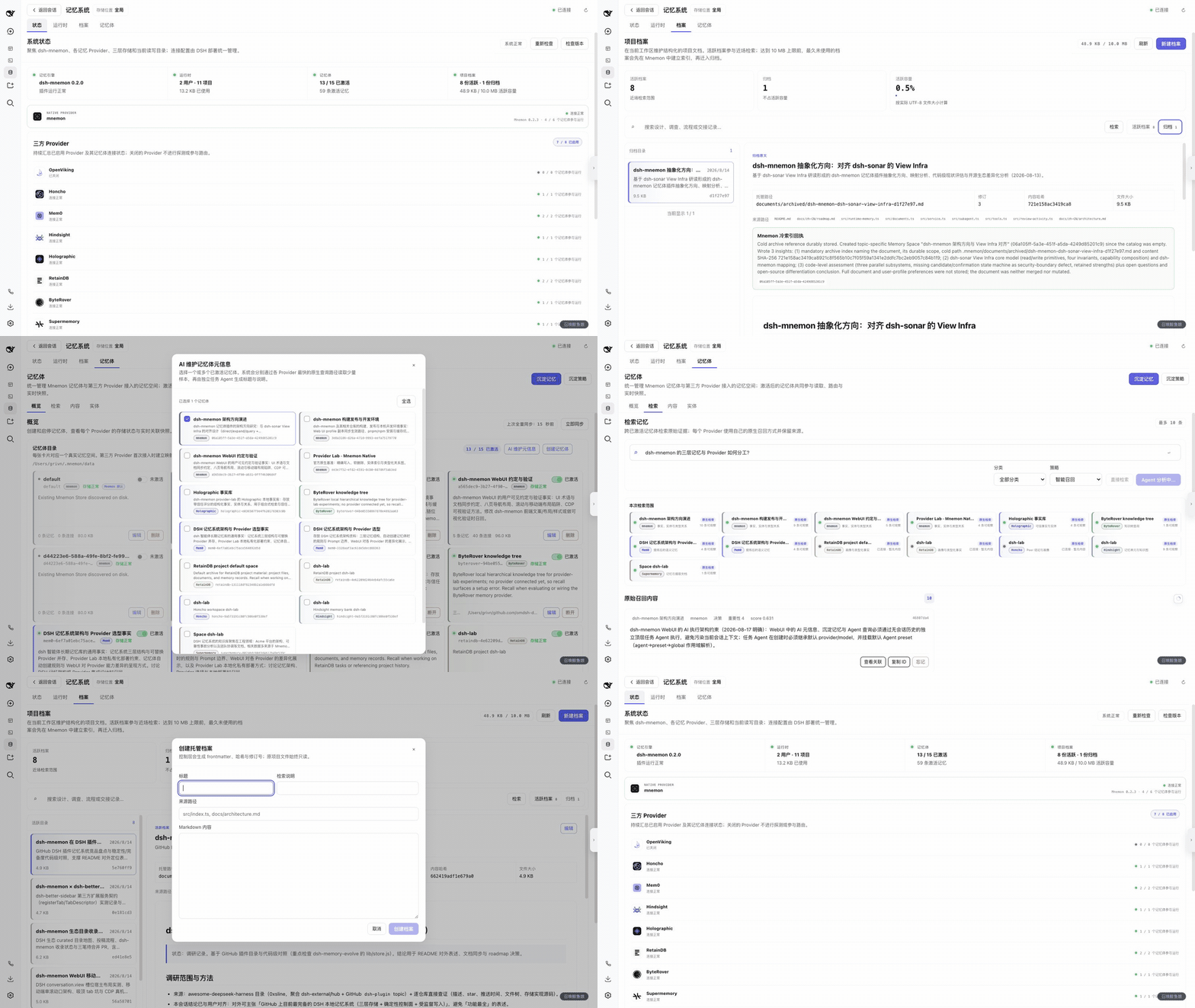
dsh-mnemon is a three-tier, pluggable, Agent-driven memory system for DeepSeek Harness, combining Runtime memory, Project Documents, and replaceable Memory Spaces with nine long-term providers.
An opinionated, zero-infrastructure file-based memory protocol: human-readable markdown files plus a bounded always-loaded index, curation discipline, and no database or embeddings.