dsh-mcp-apps
Run the following command in DeepSeek Harness:
dsh plugin install sugarforever/dsh-mcp-apps
Paste the following prompt into your AI chat to install this plugin:
In DeepSeek Harness, run the command 'dsh plugin install sugarforever/dsh-mcp-apps' to install the plugin, with the full source address at https://github.com/sugarforever/dsh-mcp-apps.
About this plugin
dsh-mcp-apps is a pivotal plugin in the DeepSeek Harness ecosystem, enabling Harness to act as an MCP Apps host and seamlessly integrate remote or local MCP server applications into the conversation interface. This plugin addresses the lack of interactive visualization for MCP tools in Harness, allowing model inference to transcend plain text output and support the presentation of rich interactive applications.
The core capability lies in its dual-face design: the Host half connects to MCP servers, manages network traffic, and registers tools to ensure model accessibility, while the Web Client half focuses on rendering tools with UI metadata into sandboxed interactive apps. It supports standard MCP extension negotiation, multiple transports such as stdio and HTTP, and tool classification, providing a flexible development experience with secure isolation.
For MCP server developers, dsh-mcp-apps offers a platform to easily showcase and test tool functionality. For DeepSeek Harness users, it enhances practicality by allowing the embedding of custom applications like data visualizations or simulators. Overall, any developer or end-user aiming to boost the interactivity of model inference, develop MCP applications, or integrate multimedia tools will benefit from this plugin.
Use Cases
- Connect and manage MCP servers in DeepSeek Harness
- Render MCP tools into sandboxed interactive apps
- Support MCP connections via stdio and HTTP transports
Best For
- MCP protocol developers and integrators
- DeepSeek Harness end-users
- AI engineers needing to enhance model inference interactivity
Related Plugins
A unified suite combining hot runtime injection, task-aware thinking-mode routing, and a graded session protocol with red-team gates to sustain model diligence across long-horizon inference.
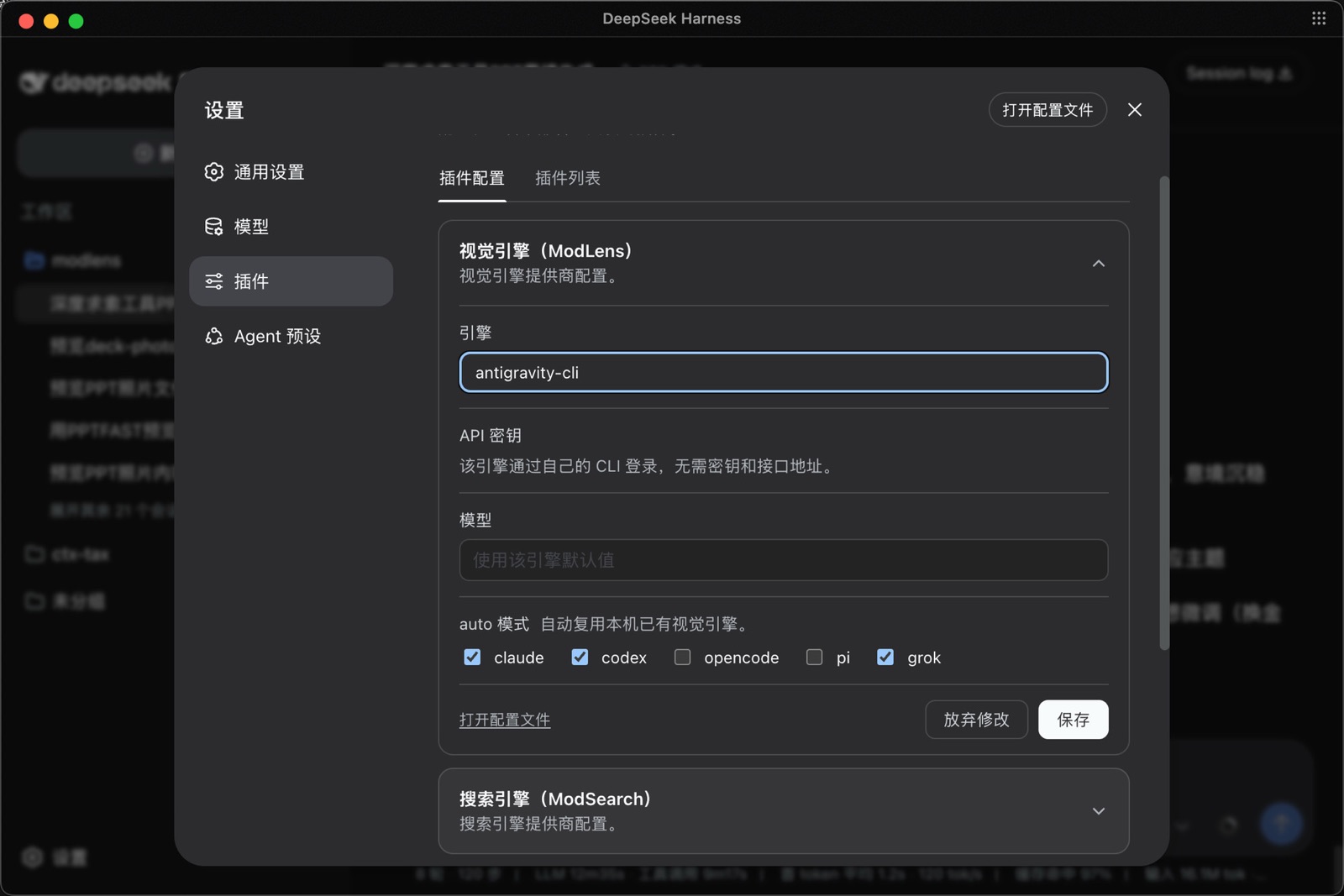
ModLens is a vision plugin for DeepSeek Harness that gives text-only models sight by reading images pasted directly into chat, with zero-config setup and multiple vision engines.
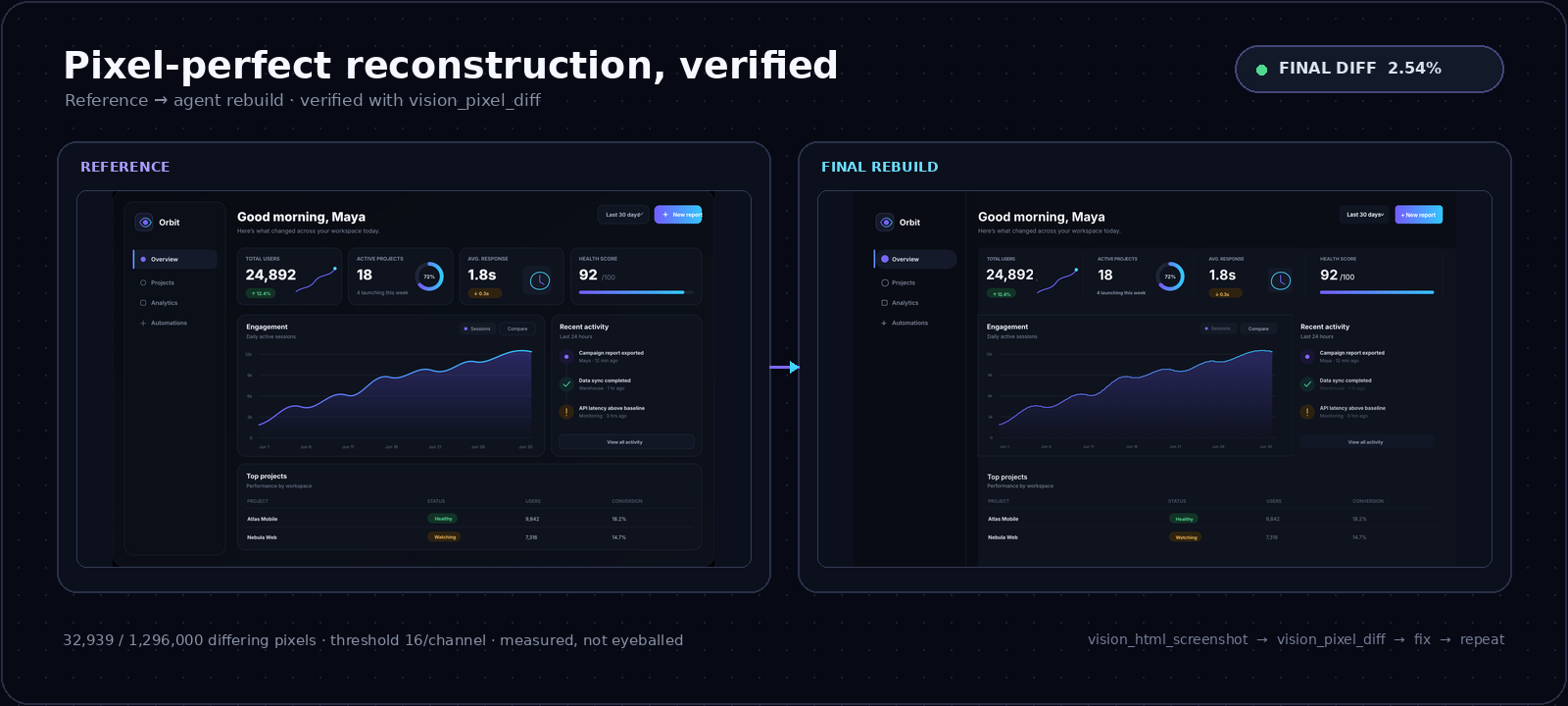
On-demand vision for text-only DeepSeek Harness agents: built-in free keyless vision chain and 14 vision tools, routing image turns as tool calls to vision models with pixel fidelity, no Python needed, one-command install.
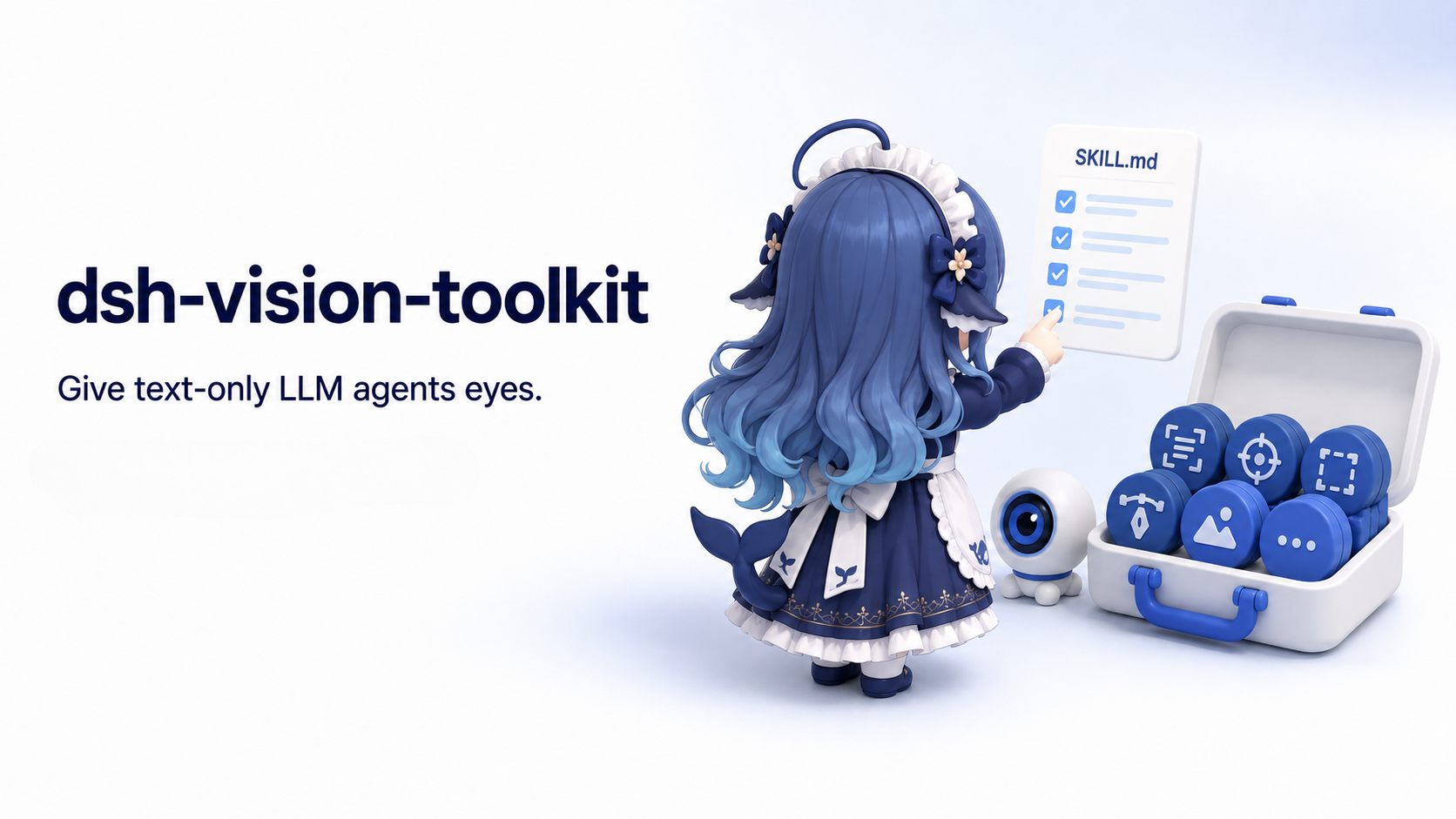
Give text-only models in DeepSeek Harness eyes, enabling image Q&A, long-screenshot OCR, UI restoration, and GUI visual tasks.