Web Design Engineer
Paste the following prompt into your AI chat to install this skill:
Please follow https://skillhub.cn/install/skillhub.md to install @org-02qudk26/web-design-engineer.
About this skill
Problem
- Many page, deck, prototype, and dashboard requests end up as “functional but generic” UI: default palettes, cluttered layouts, and weak brand identity.
- This skill positions the agent as a web design engineer that produces
HTML/CSS/JavaScript/Reactartifacts, shifting role by task: UX, motion, slide design, prototyping, or data visualization. - The bar is “stunning,” not merely “working,” which fits pages, dashboards, prototypes, slide decks, visualizations, animations, and UI mockups.
- It turns design decisions into checkable steps instead of letting the agent assemble a generic template.
How It Works
- Verify facts first: when the request names a product, SDK, version, release, or event, check authoritative sources before designing around uncertain claims.
- Gather design context: prioritize user-provided screenshots, Figma, codebases, UI kits, and design systems; if both code and screenshots exist, extract tokens from source code first.
- Declare the system before code: articulate narrative role, viewing distance, visual temperature, and capacity, then specify palette, typography, spacing, radius, shadow, and motion.
- Ship v0 early: show placeholders, key layout, and design assumptions so the user can course-correct before full components, states, and motion are built.
- Self-check before delivery: review visual hierarchy, spacing system, color count, and font count; run browser acceptance only when the user explicitly asks for validation.
- Respect boundaries: it is not for back-end APIs, CLI tools, data scripts, pure logic, or content conversion; branded work needs real logos and product assets instead of hex codes or generic silhouettes.
Use Cases
- Prepare launch materials by turning a PRD and assets into a polished ten-slide web deck
- Extend an existing codebase UI while preserving its original design tokens and layout rules
- Build an interactive dashboard by confirming audience, viewing distance, and information density first
- Design branded pages with real logos and product images instead of relying on hex colors or hand-drawn SVGs
Best For
- PMs turning PRDs and launch assets into polished web decks with early v0 review
- Front-end engineers extending existing product UI while preserving design tokens
- BI analysts building interactive dashboards with explicit audience and viewing-distance constraints
- Designers delivering brand pages that use real logos and product imagery in layout
Related Skills

Image and Video GIF Maker
@user_fe9f5f41/jm-jsjkxyjs01-llx-146
Converts image sequences, videos, or screen recordings into GIFs with Python, supporting timing, looping, optimization, and quick command-line use.
Design & Media
2026.08.30
↓ 532

Photo Watermark Generator
@user_29b46897/watermark-photo-generator
Adds white text, a yellow bar, and optional translucent masks to photos using OpenCV and Pillow.
Design & Media
2026.08.29
↓ 479

Quote Check-In Poster
@user_36bd3ef4/quote-checkin-poster
Call Mew image and design APIs in two stages to create an emotional background and compose a share-ready quote check-in poster.
Design & Media
2026.08.29
↓ 580
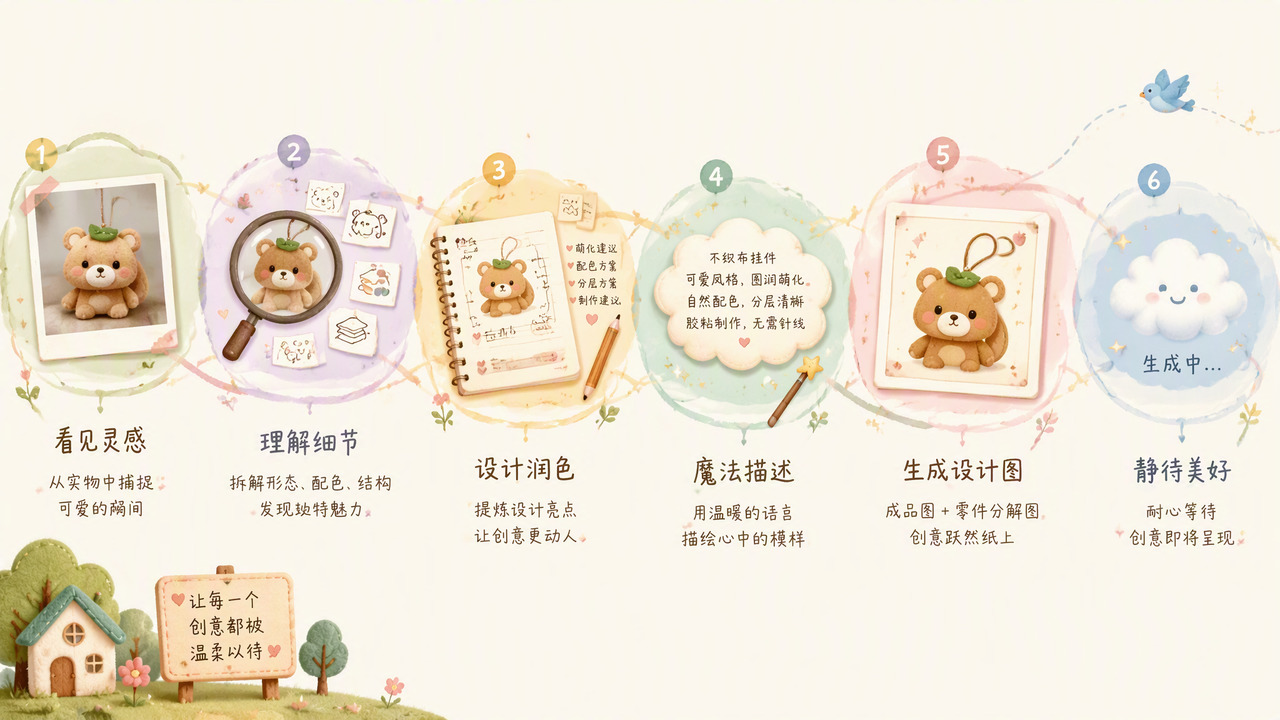
Felt Craft Pendant Design
@showapi/felt-craft-pendant-design-showapi
Generate felt-craft pendant designs, part breakdowns, and structured analysis from a product image or Base64 input.
Design & Media
2026.08.30
↓ 620