DeepSeek Harness Plugins · admin-security
Plugins that extend DeepSeek Harness (DSH) with vision, workflows, memory, web tools and more.
Scans URLs in AI replies, scores threat levels, generates reports, and blocks listed domains from web tool access with a user-maintained blocklist.
Produces a content-addressed, machine-readable proof verifying that a DeepSeek Harness profile's dependency declarations, pnpm lockfile, installed package manifests, and bundle patches all agree.
Desktop control plugin for dsh agents: screenshot observation, mouse and keyboard injection, and semantic accessibility-tree actions with built-in safety guards.
Guides AI agents to safely discover, evaluate, and temporarily adopt external Skills via read-only inspection, prompt-injection detection, and user confirmation before any action.
A tiered approval plugin for DSH that auto-approves safe operations, blocks irreversible commands via static rules and LLM review, and falls back to human confirmation when uncertain.
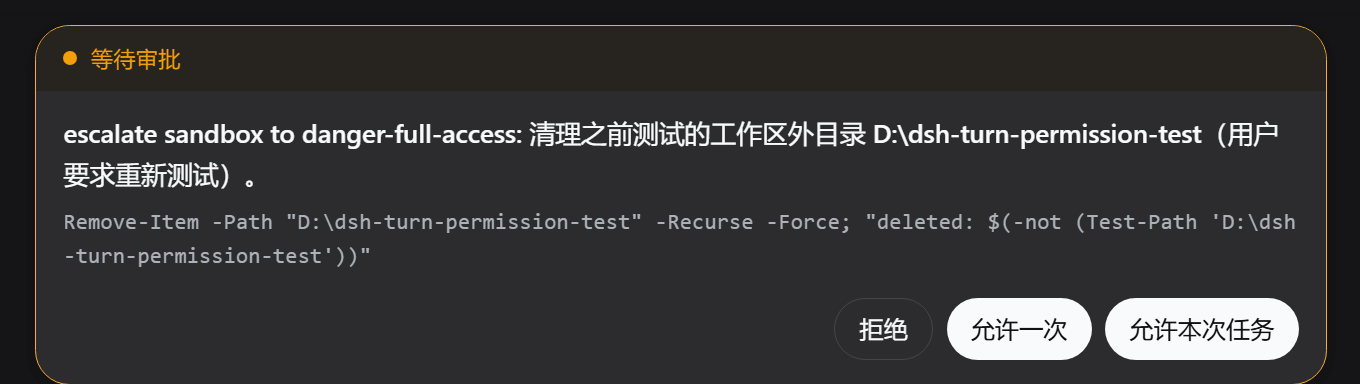
Adds an 'Allow for this task' button to DSH approval cards, auto-approving similar high-privilege requests within the current turn and expiring automatically upon task completion.
A read-only runtime diagnostics plugin for DeepSeek Harness that inspects available tools, models, skills, and workspace health without exposing credentials or modifying configuration.
Manages API tokens for GitLab, GitHub, Gitee, Gitea, and Bitbucket with AES-256-GCM encrypted storage, ensuring token values never enter the model context.
Adds OAuth login, credential persistence, token refresh, and logout for the OpenAI Codex subscription provider in DeepSeek Harness.
OpenTelemetry trace exporter for DeepSeek Harness that maps each agent session into an OTLP span tree (turn, step, tool call) with GenAI semantic-convention attributes.
Replaces DSH sandbox escalation approval popups with an automated tool-less reviewer agent that returns a structured allow or deny decision for headless automation.
Manage assets via JumpServer and run commands, SFTP, and database operations through the KoKo bastion, retaining command filtering and session audit without direct asset IP exposure.