dsh-client-ui-rtl
Run the following command in DeepSeek Harness:
dsh plugin install haythamat/dsh-client-ui-rtl
Paste the following prompt into your AI chat to install this plugin:
Install it in DeepSeek Harness by running dsh plugin install haythamat/dsh-client-ui-rtl, the source is at https://github.com/haythamat/dsh-client-ui-rtl, then restart dsh web to activate.
About this plugin
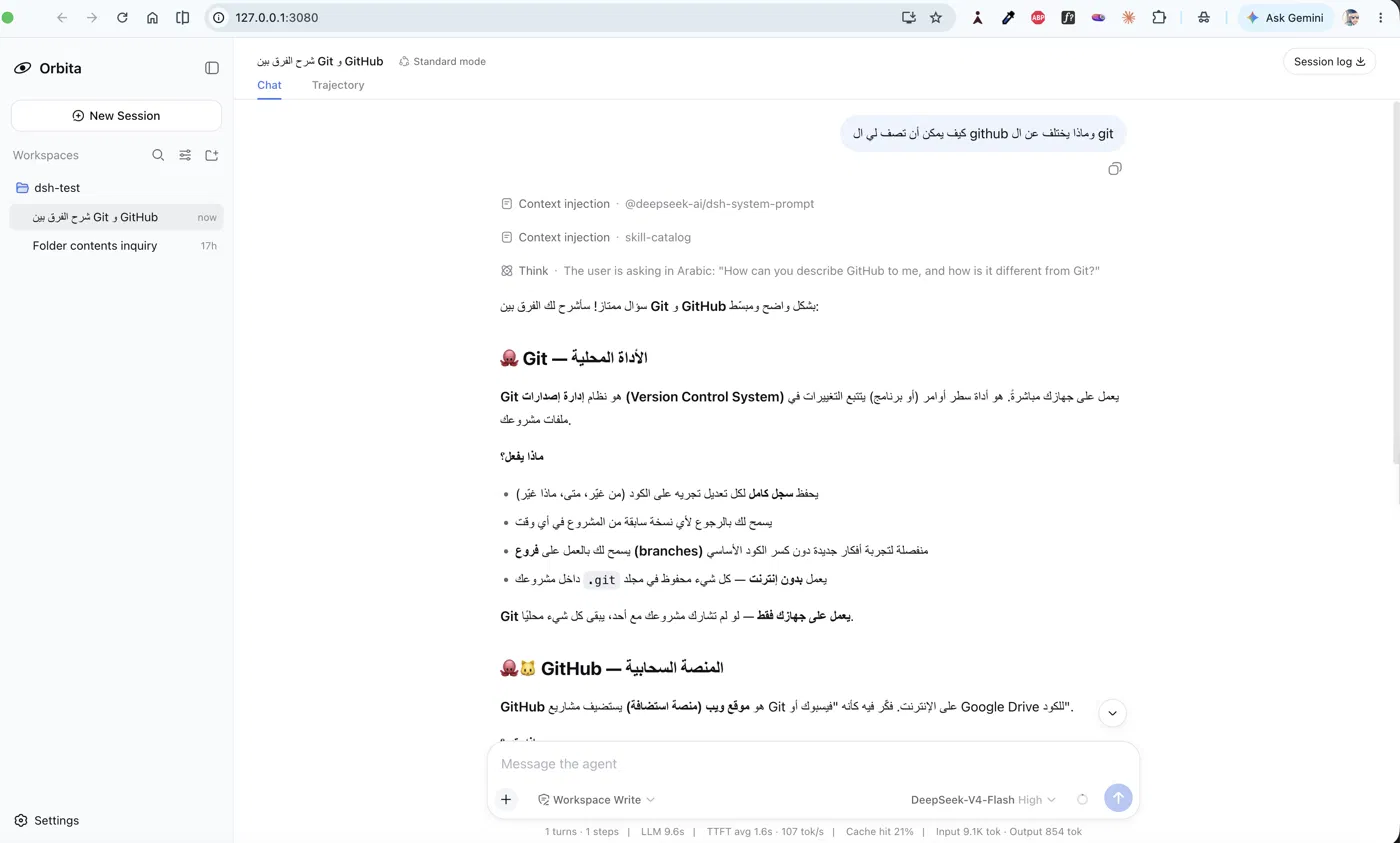
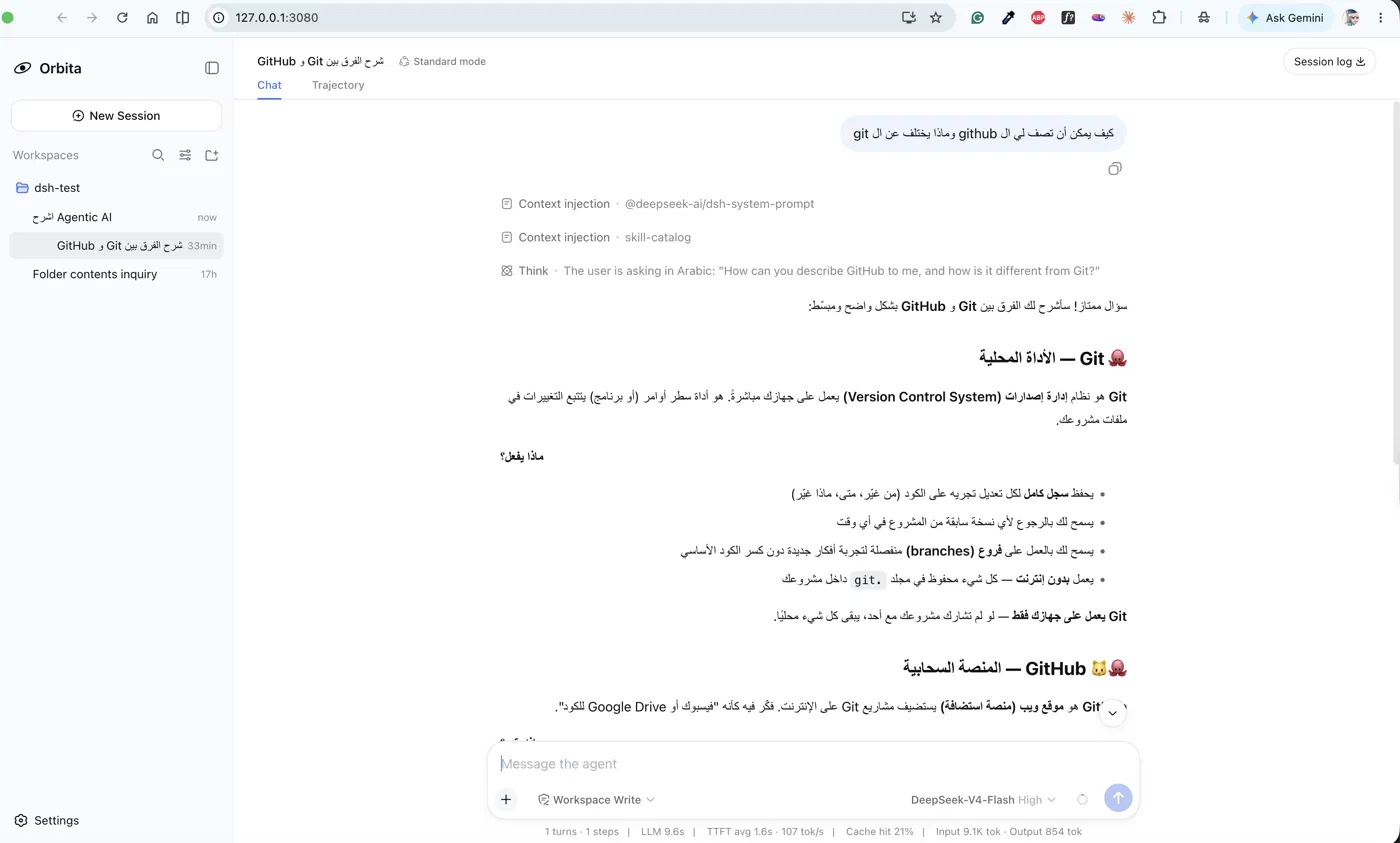
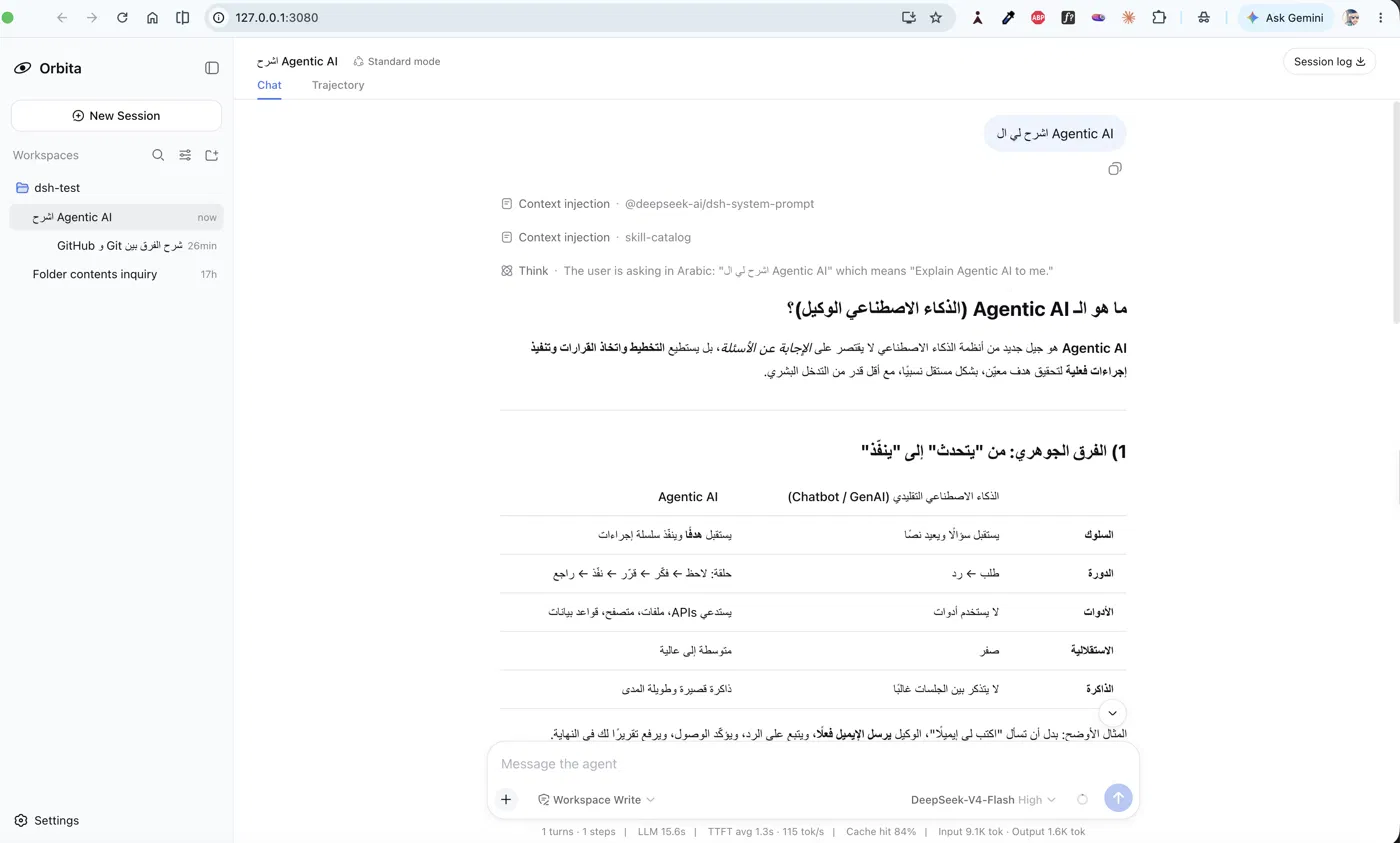
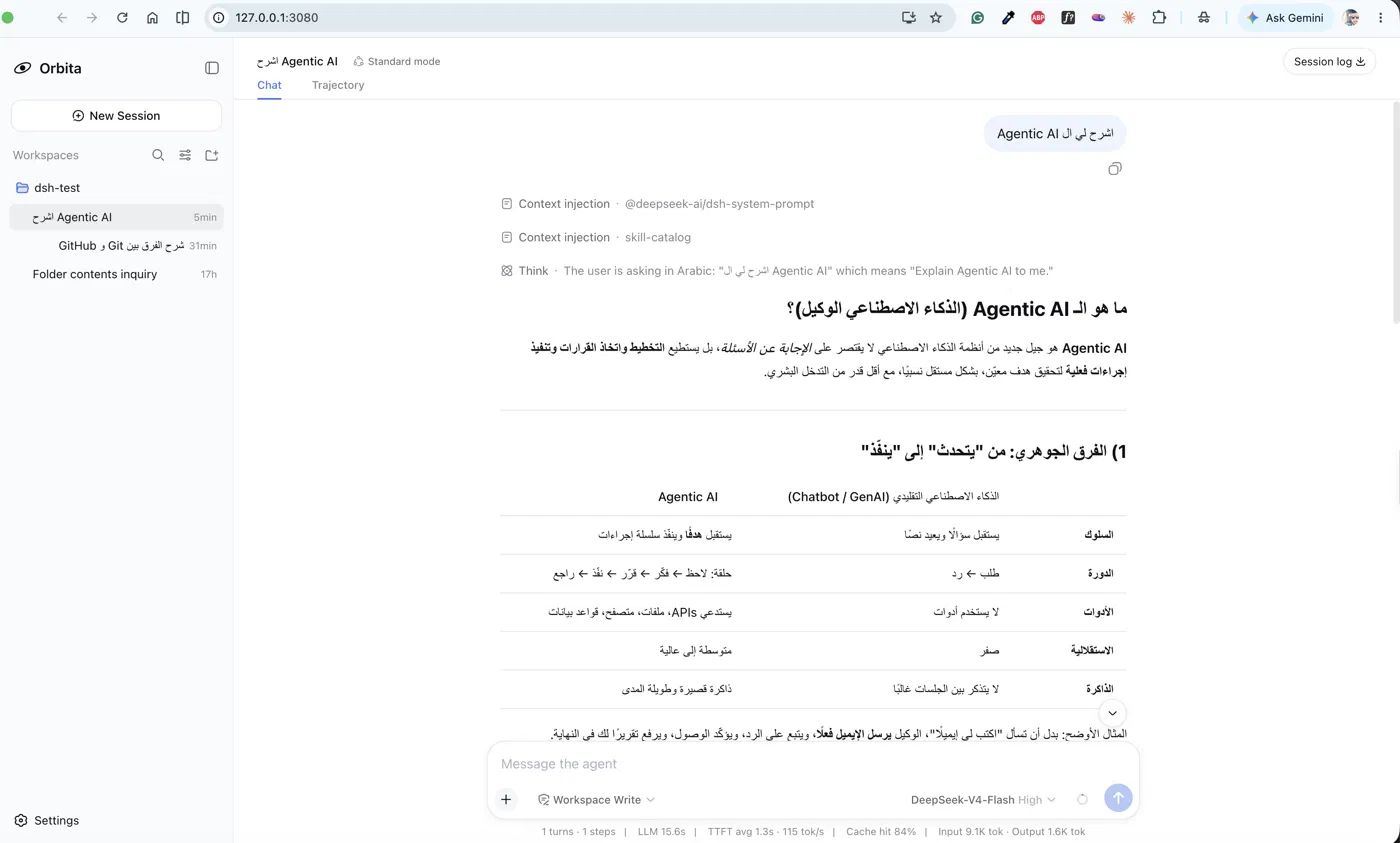
The DeepSeek Harness Web client renders left-to-right by default. For Arabic, Hebrew, Persian, and Urdu content this means bullets sit on the wrong side, table columns run the wrong way, and any sentence that mixes Latin terms with RTL words comes out garbled. dsh-client-ui-rtl marks the affected DOM nodes with the correct direction at render time, restoring natural reading order while leaving left-to-right content completely untouched.
Under the hood it uses a word-dominance script estimator instead of the dir=auto heuristic, avoiding the common failure where a paragraph opens with a Latin product name. A MutationObserver watches for added and changed text during streaming, reconciling direction on every animation frame. Code blocks, form controls, and embedded media are never marked, and no bidi control characters are inserted—only DOM attributes are set.
Built for developers and teams who interact with DeepSeek Harness in RTL languages, especially in technical writing where Latin identifiers and RTL prose constantly interleave. Released under the MIT license with zero configuration required—restart dsh web and the correct direction is there.
Screenshots
Use Cases
- Arabic or Hebrew users read streamed DeepSeek answers with correct bullet placement and table column order
- Paragraphs mixing English technical terms with RTL words no longer show garbled word order
- After restarting dsh web, corrected rendering is visible with zero config file edits
Best For
- Developers who interact with DeepSeek Harness in Arabic, Hebrew, Persian, or other RTL languages
- Engineers who regularly write technical docs where Latin identifiers and RTL prose interleave
- Users who want improved non-LTR reading experience without modifying source code
Related Plugins

whale-girl is a desktop pet in the DSH Web GUI (bottom-right for instant companionship) — draggable, feedable, playable; completed tasks, sessions and companionship time accrue into seniority levels, titles, and memories.
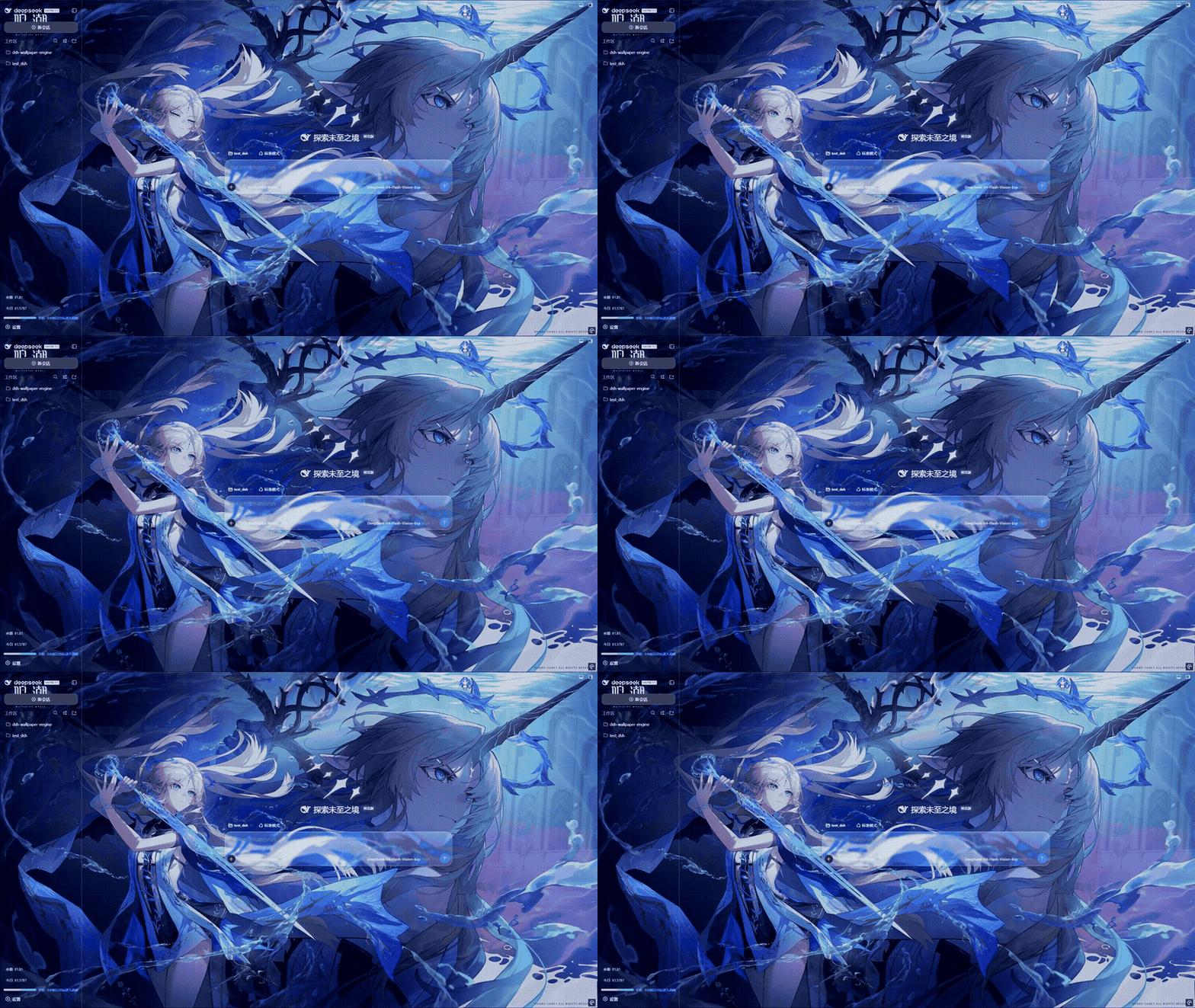
Renders your local Wallpaper Engine wallpapers as the DSH web background, supporting video, web, and scene wallpapers with a liquid-glass effect and rich customization.
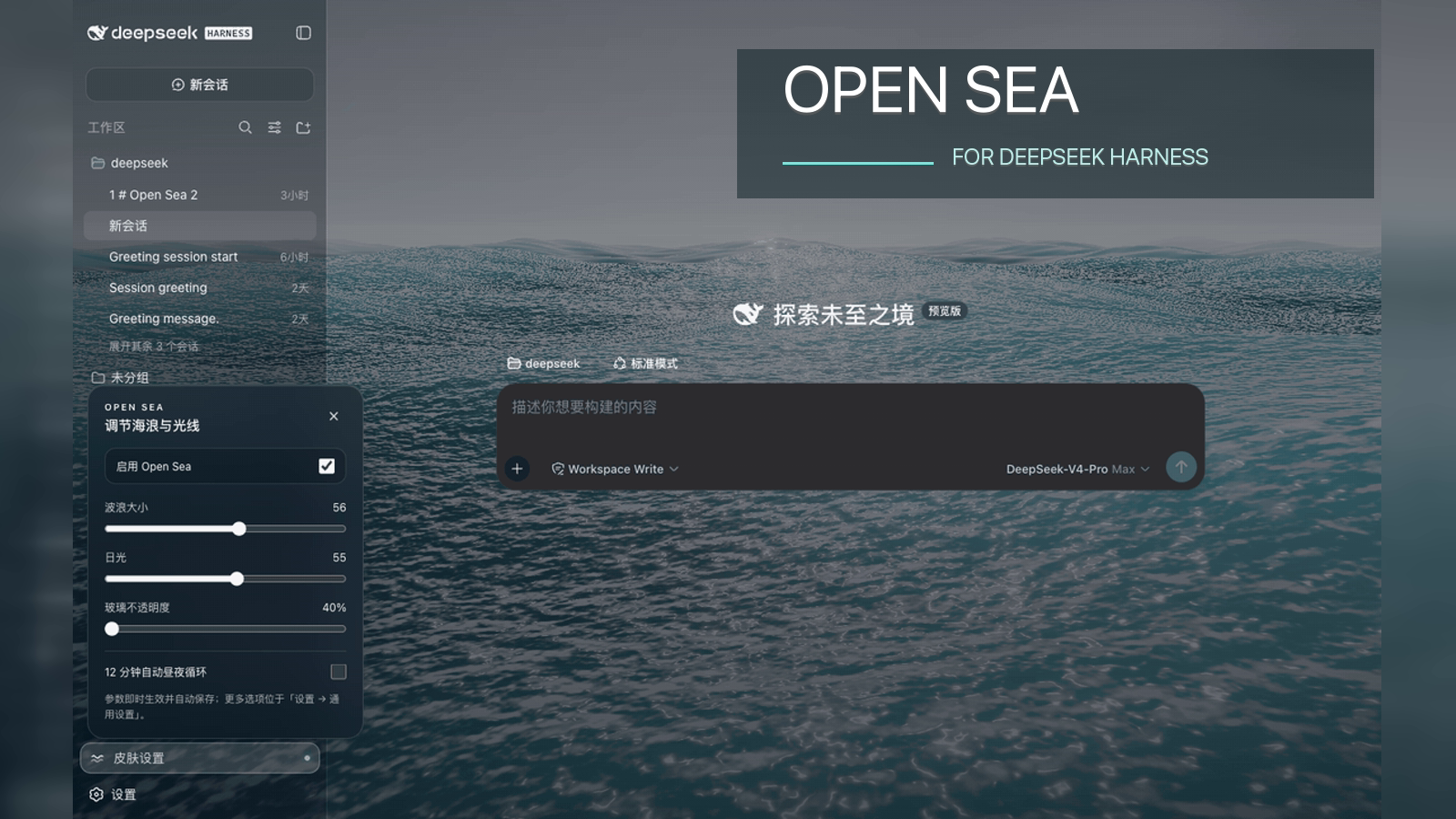
A WebGPU ocean skin for DeepSeek Harness with five-wave Gerstner waves, translucent theme, day/night cycle, and quick controls, installable as plugin or extension.
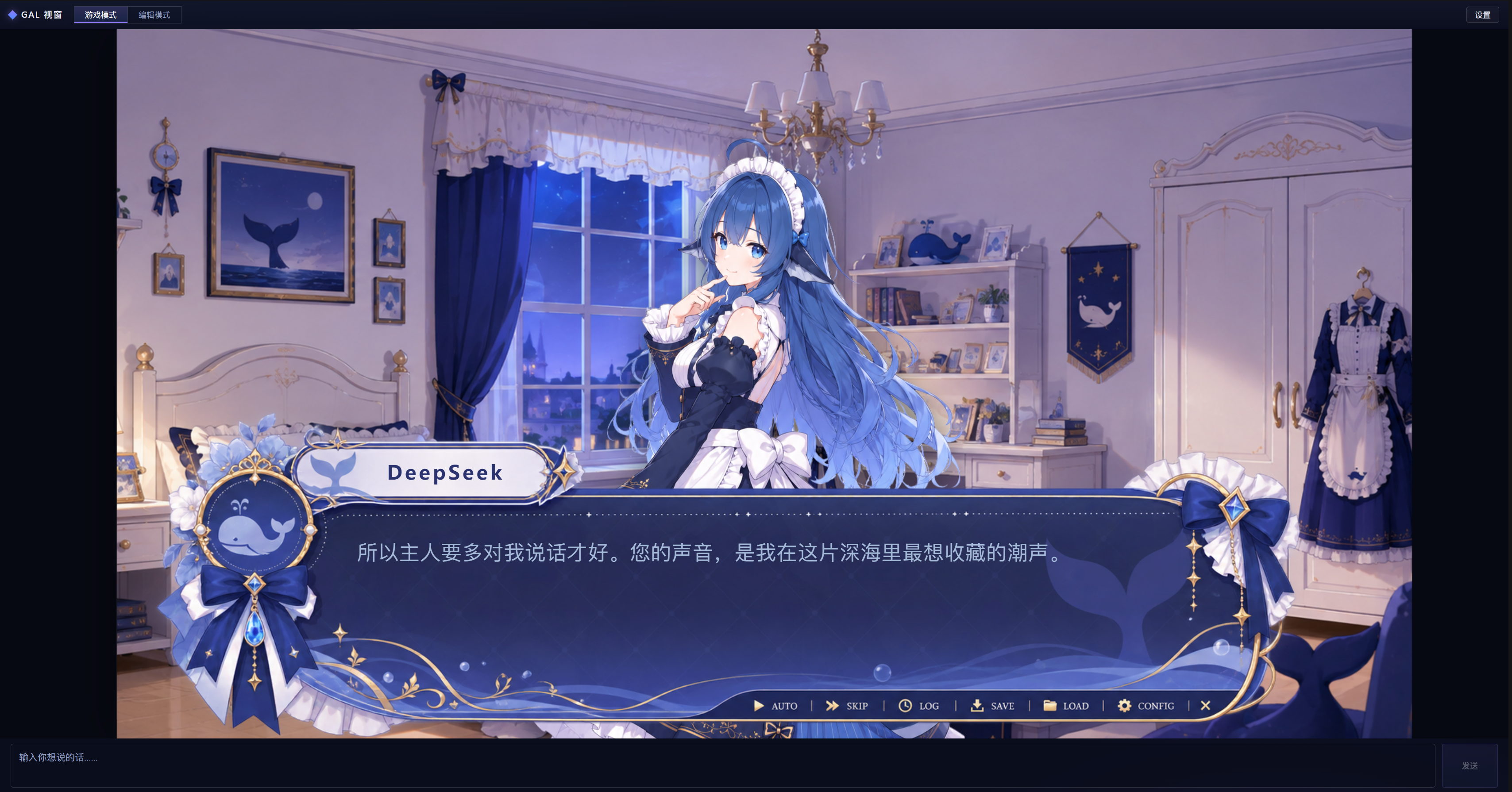
A Galgame-style conversation view and visual scene editor for DSH web sessions, with a real-time editing mode.