dsh-font-plugin
Run the following command in DeepSeek Harness:
dsh plugin install wtksana/dsh-font-plugin
Paste the following prompt into your AI chat to install this plugin:
Run dsh plugin install wtksana/dsh-font-plugin in the DeepSeek Harness terminal to install this plugin, or fetch the source from https://github.com/wtksana/dsh-font-plugin for a local install.
About this plugin
The dsh Web UI ships with a fixed font stack, and tweaking the body typeface, the code-block face, or ligature behaviour normally means forking theme files or writing CSS overrides. dsh-font-plugin brings all three controls into a single official-styled card under Settings → Plugins — no build step, no stylesheet patching.
Everything is driven by CSS custom properties: the Editor font family overrides the UI chrome and Markdown body text, the Code font family targets code blocks, command output, and log panes. Both accept comma-separated font stacks (quoted or unquoted names work; single names are auto-quoted with a system fallback). Ligatures offer Auto, On, and Off, with Auto deferring to the theme default. Font weight and size are intentionally left to the official Appearance settings, keeping the plugin scope tight. Edits take effect on Save, persist into the dsh-font namespace of settings.yaml, and a per-field Reset restores the theme default.
This plugin is aimed at dsh users who care about typography in the Web UI: multilingual readers who want CJK fonts to take priority in Markdown, developers who prefer a specific monospace face in code regions, or anyone who needs ligatures switched off to avoid glyph collisions in dense layouts. It is lightweight, ships prebuilt bundles, and requires no build tooling to install.
Use Cases
- Assign a CJK font stack to Markdown body text for a more comfortable Chinese reading experience
- Switch the monospace face for code blocks and log panes to match a team coding style
- Turn off ligatures in dense layouts to avoid glyph collisions that hurt readability
Best For
- Multilingual readers who care about CJK typography in the Web UI
- Developers who prefer a specific monospace face in code regions
- Design-sensitive users who want fine-grained control over UI font behaviour
Related Plugins

whale-girl is a desktop pet in the DSH Web GUI (bottom-right for instant companionship) — draggable, feedable, playable; completed tasks, sessions and companionship time accrue into seniority levels, titles, and memories.
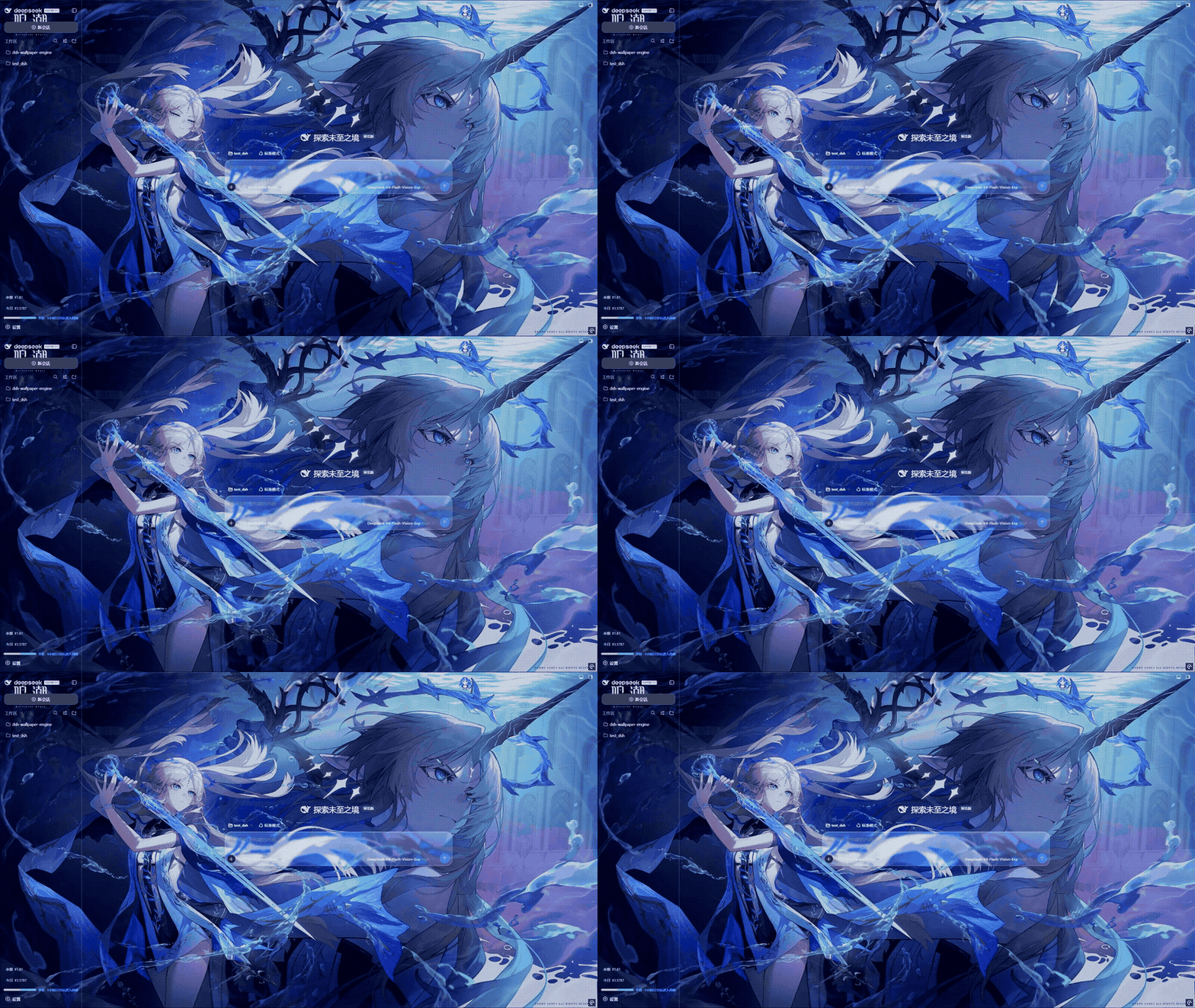
Renders your local Wallpaper Engine wallpapers as the DSH web background, supporting video, web, and scene wallpapers with a liquid-glass effect and rich customization.
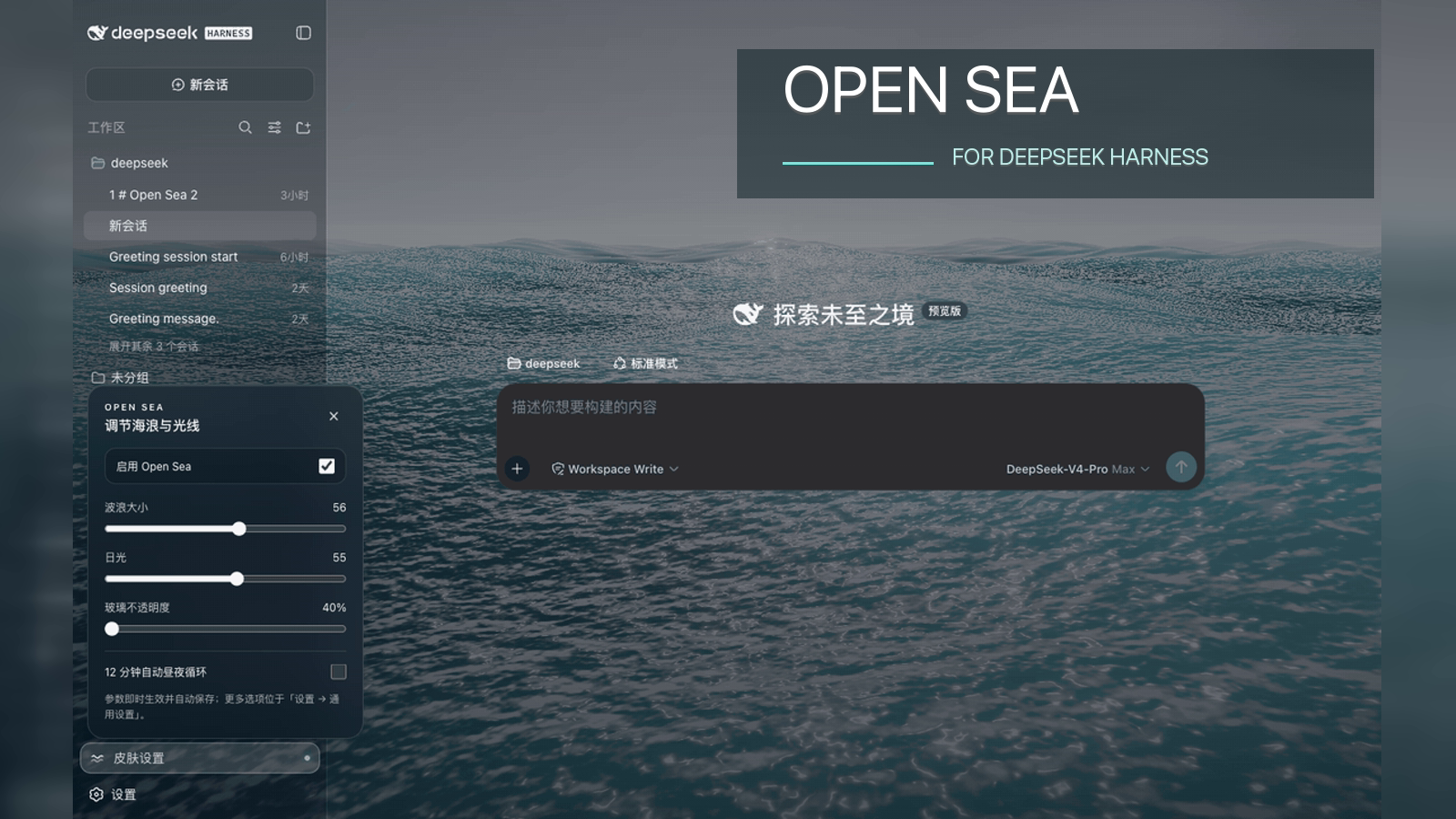
A WebGPU ocean skin for DeepSeek Harness with five-wave Gerstner waves, translucent theme, day/night cycle, and quick controls, installable as plugin or extension.
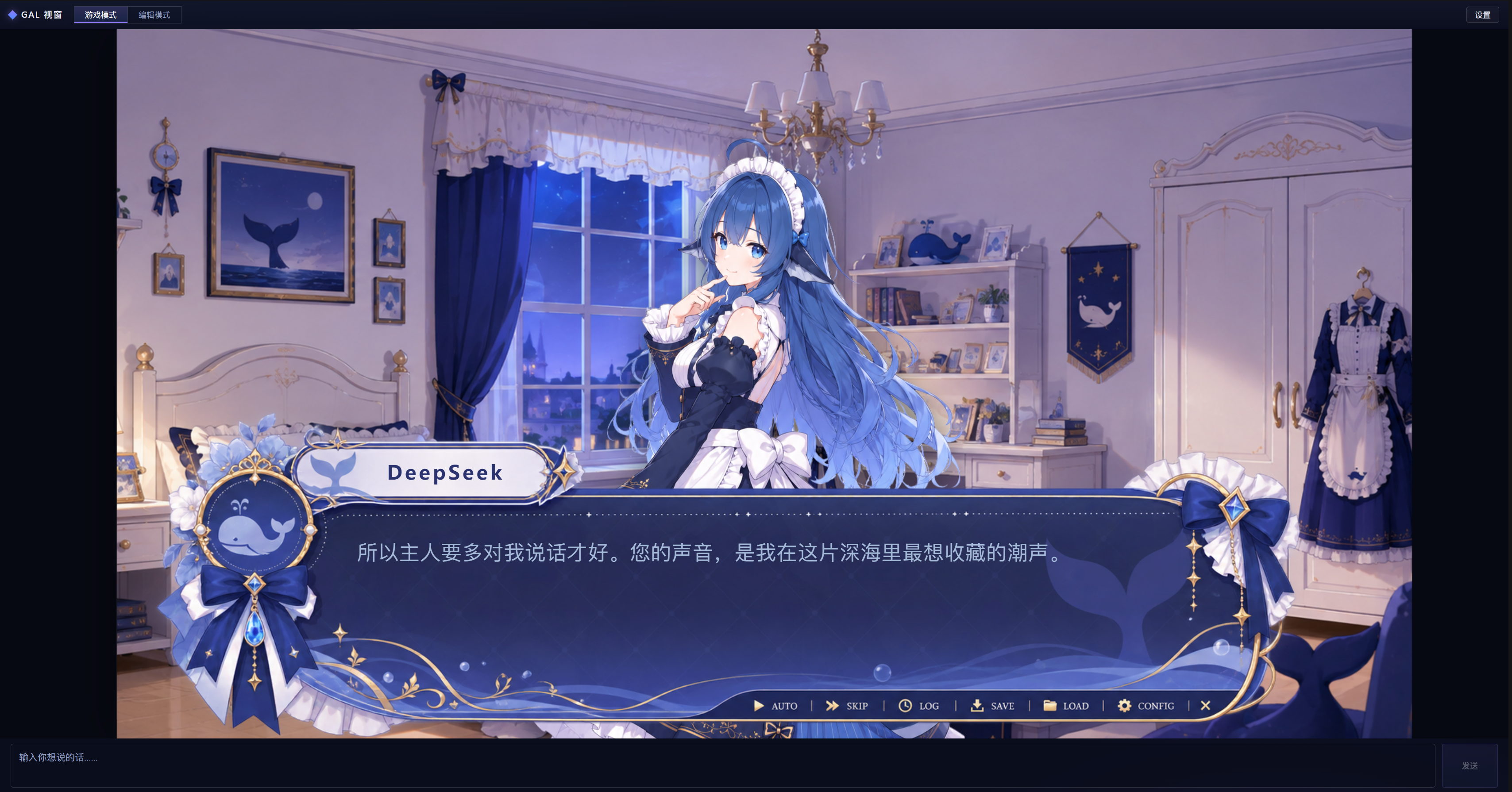
A Galgame-style conversation view and visual scene editor for DSH web sessions, with a real-time editing mode.