dsh-mobile-ui
Run the following command in DeepSeek Harness:
dsh plugin install jackuh105/dsh-mobile-ui
Paste the following prompt into your AI chat to install this plugin:
Run dsh plugin install jackuh105/dsh-mobile-ui in the DeepSeek Harness web terminal to install this plugin from https://github.com/jackuh105/dsh-mobile-ui.
About this plugin
The dsh settings panel was designed for desktop screens from the start — an 800-pixel-centred modal with a 188-pixel fixed side rail. On a phone browser that layout is essentially a drawer shoved into an envelope. dsh-mobile-ui plugs that gap with a single responsive CSS override: no JavaScript, no functional changes, just a re-flow of the existing DOM for narrow viewports.
At viewports of 680 px or narrower, the desktop modal becomes a full-screen vertical sheet, the left nav rail is repositioned into a full-width, horizontally scrollable tab bar across the top, the close button is pinned to the top-right corner, and the content area fills the remaining height with independent scrolling and safe-area padding. Setting rows in sections like General wrap naturally instead of squeezing controls off-screen. Desktop and tablet layouts above 680 px are completely unaffected.
If you regularly open the dsh web settings panel from a phone browser — whether through Tailscale, a home LAN, or a mobile hotspot — or just need to tweak a config while commuting, this plugin keeps the UI usable without squinting at a 1440p-era layout. It is a single CSS file with zero runtime dependencies: install it and it takes effect immediately, remove it and the original layout is restored.
Use Cases
- Open the dsh settings panel in a mobile browser and the modal reflows into a full-screen sheet with a top tab bar
- Tweak dsh configuration from a phone over Tailscale or a home LAN without fighting a desktop-sized UI
- Shrink a desktop browser window below 680 px to quickly preview and debug the mobile layout
Best For
- Users who open the dsh web settings panel from a phone browser on a regular basis
- Self-hosted developers who frequently adjust dsh configuration remotely
- Mobile-first users who want a consistent, usable settings experience on small screens
Related Plugins

whale-girl is a desktop pet in the DSH Web GUI (bottom-right for instant companionship) — draggable, feedable, playable; completed tasks, sessions and companionship time accrue into seniority levels, titles, and memories.
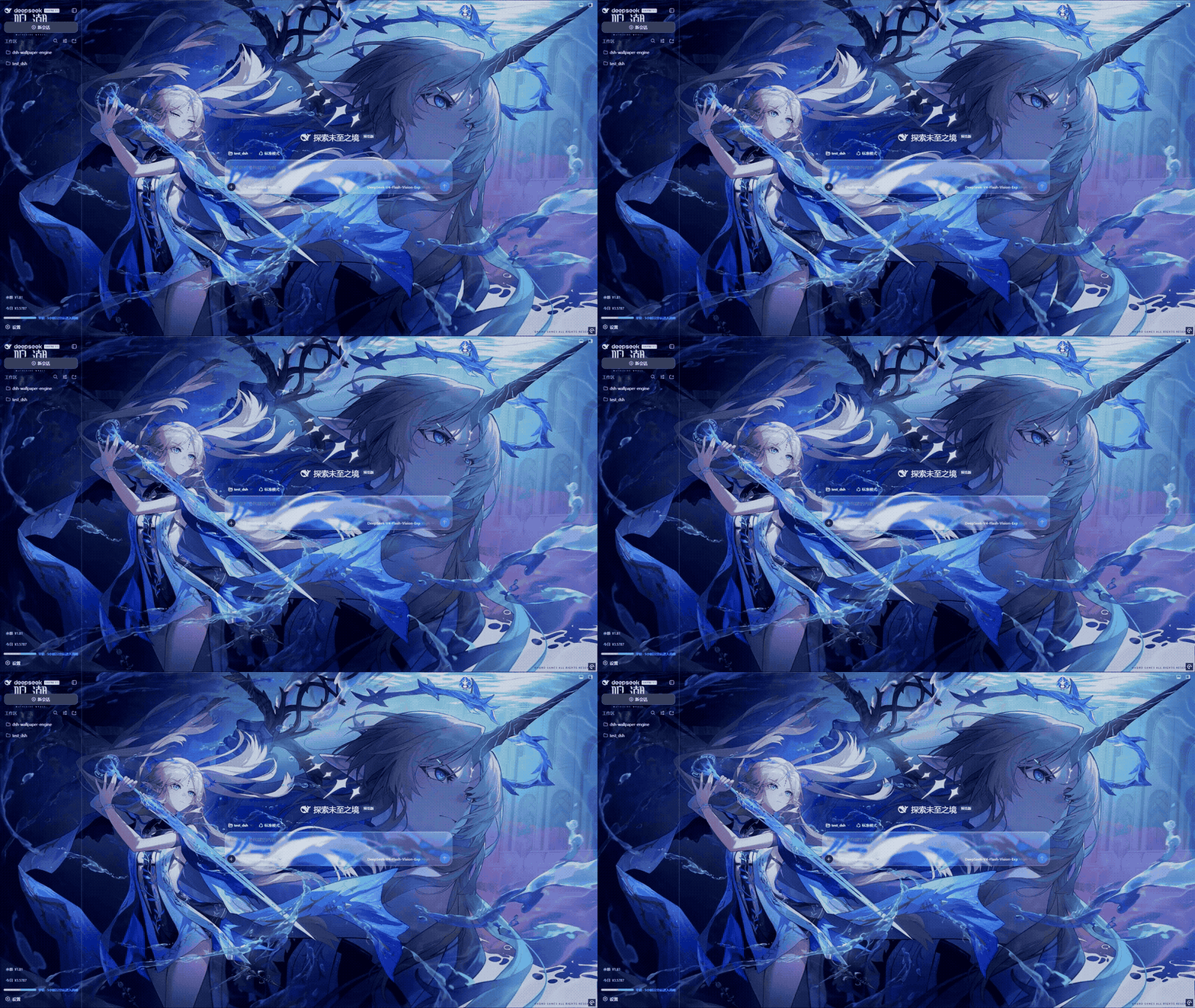
Renders your local Wallpaper Engine wallpapers as the DSH web background, supporting video, web, and scene wallpapers with a liquid-glass effect and rich customization.
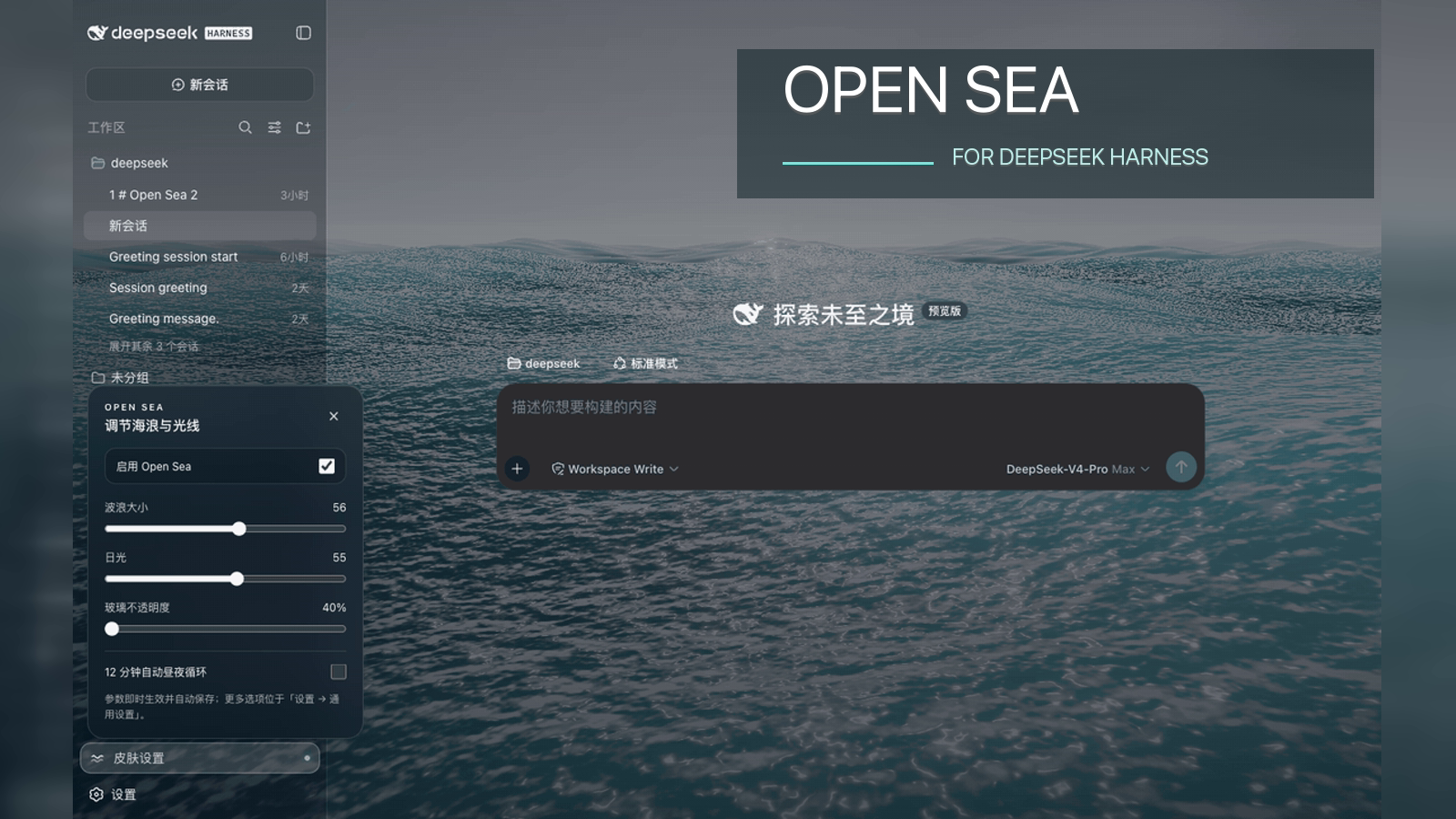
A WebGPU ocean skin for DeepSeek Harness with five-wave Gerstner waves, translucent theme, day/night cycle, and quick controls, installable as plugin or extension.
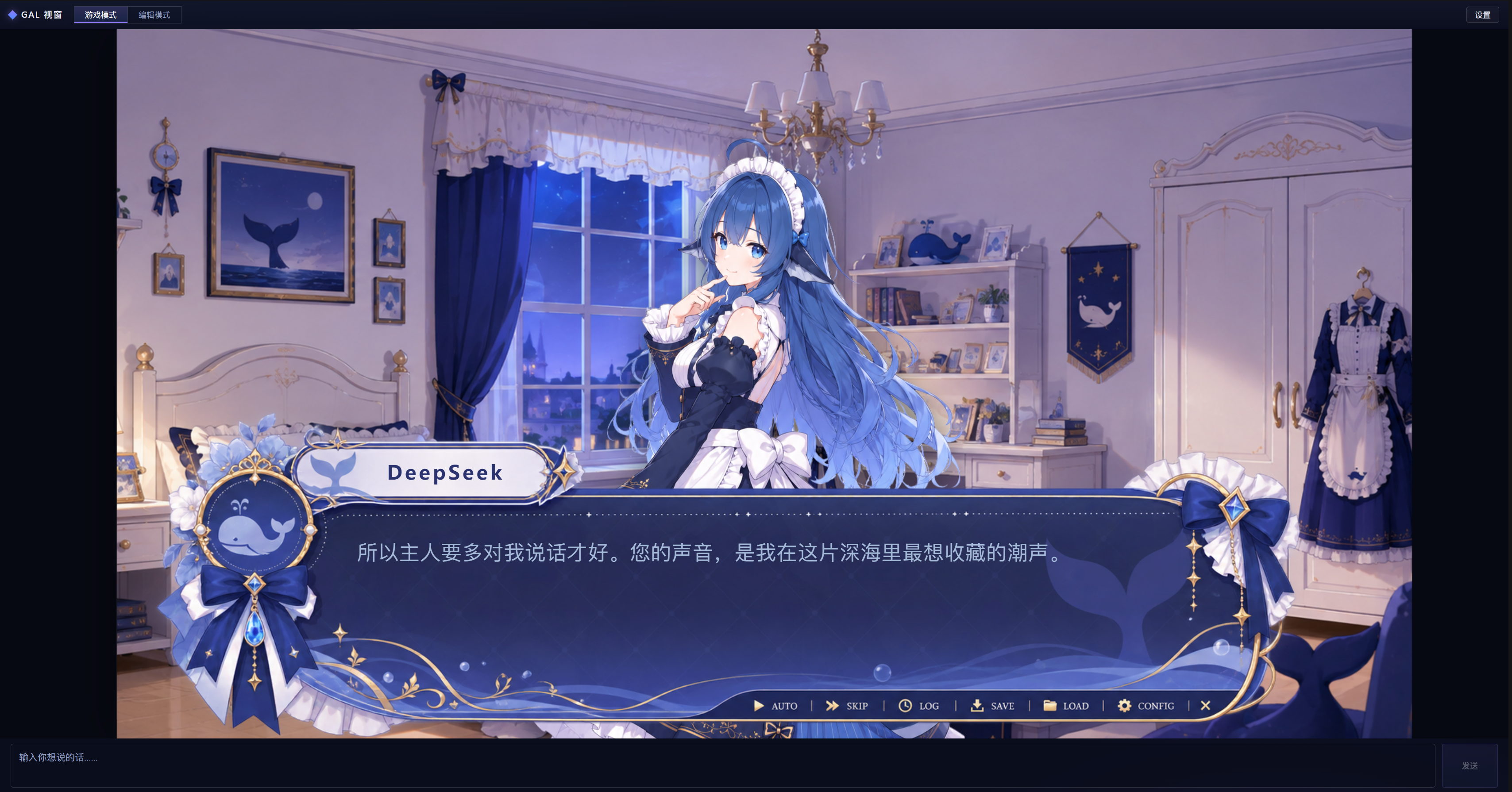
A Galgame-style conversation view and visual scene editor for DSH web sessions, with a real-time editing mode.