dsh-course-logic-extractor
Run the following command in DeepSeek Harness:
dsh plugin install ShadowBruceMeaningLau/dsh-course-logic-extractor
Paste the following prompt into your AI chat to install this plugin:
Run dsh plugin install ShadowBruceMeaningLau/dsh-course-logic-extractor to install the Course Logic Extractor plugin from https://github.com/ShadowBruceMeaningLau/dsh-course-logic-extractor, then pick it from the preset selector.
About this plugin
You have a full set of lecture notes, slides, subtitles, or a paper PDF in hand, and the real headache is not the volume of content but the invisible design logic behind it: what is taught first, what comes next, why each piece sits where it does, and how the parts chain together. dsh-course-logic-extractor tackles exactly this. It reads the materials, reconstructs the author's pedagogical or research intent, and delivers a self-consistent logic-chain analysis report, an actionable learning roadmap, and a set of flow-canvas files so you can see the whole map before turning chapter one.
Three entry modes keep it flexible: point it at a folder of materials for a straight analysis; feed it a paper and it will unfold a dual lens of research logic and learning logic; or, if you have nothing ready, it runs an iterative confirmation loop with you — first breaking the topic into a capability-point tree with dependencies and mastery criteria, then assembling a resource list — and only moves on after you explicitly say you are fully settled. The material pipeline covers high-resolution PDF rendering, GLM-OCR transcription, quality reconciliation, and archiving, all backed by unit tests and CI.
It is built for graduate students wrestling with a course, self-learners mapping a new field, instructors who want to reverse-engineer a syllabus for their own teaching design, and researchers who want to pull both the argument and the learning path out of a single paper. In short: understand the skeleton before filling in the flesh.
Use Cases
- Received a full stack of lecture notes, slides, and subtitles for a graduate course and want to map the teaching logic before starting to study
- Reading a long paper and want to extract both its argumentation flow and a personal learning path from the same document
- Reverse-engineering a colleague’s or a renowned instructor’s course structure to understand why each module sits where it does
Best For
- Undergraduate and graduate students facing a pile of course materials and unsure where to start
- Self-learners who want to master a new field along a clear logic chain without relying on a fixed schedule
- Instructors and instructional designers who need to reverse-engineer course and paper structures for lesson planning
Related Plugins
A service-oriented sidebar framework for DSH, offering a full workbench with file explorer, embedded browser, real terminal, Git panel, and extensible plugin services.
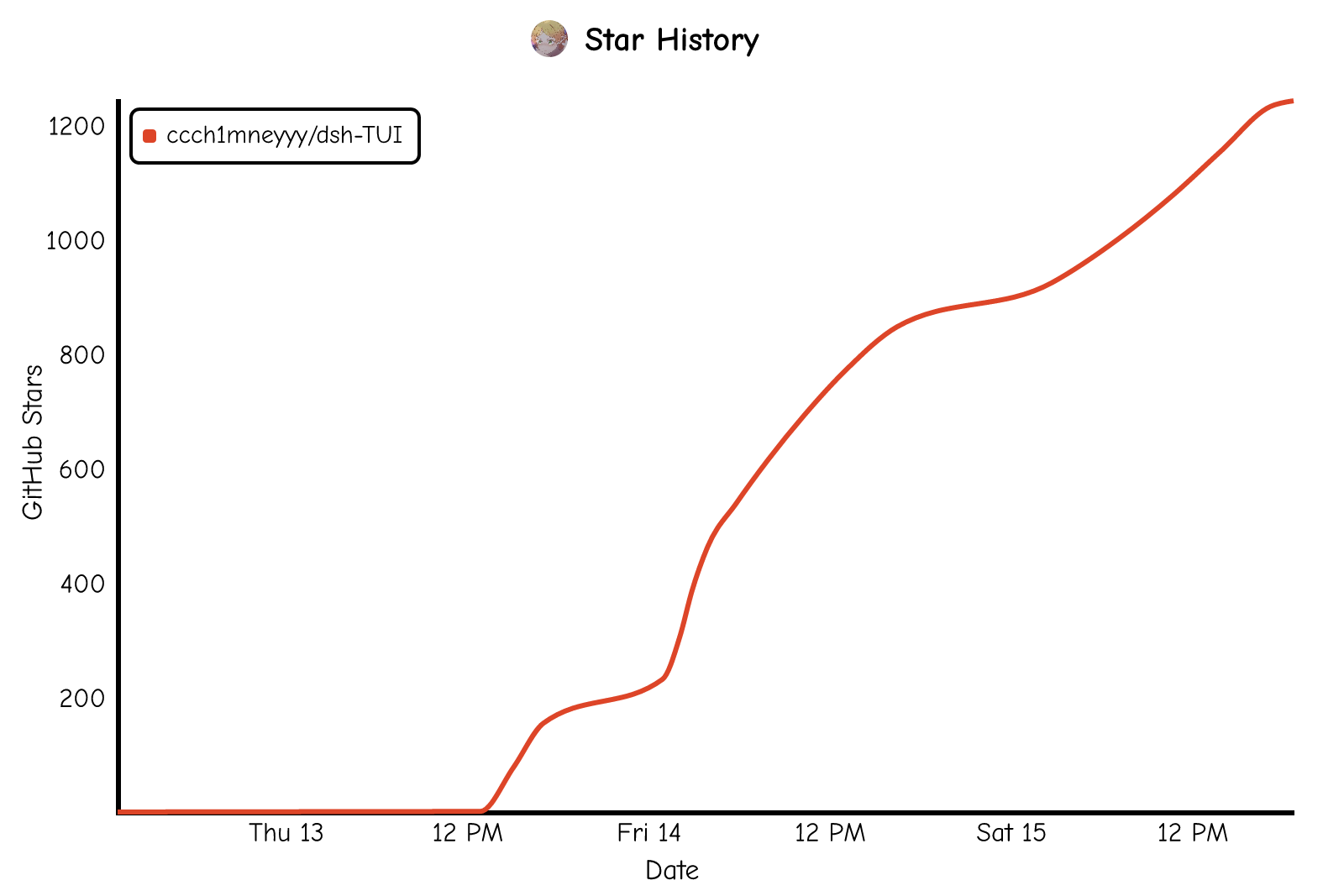
A beautiful, practical Claude Code-style TUI plugin with pixel whale top bar, flowing glow title, real-time status line, streaming thought expansion, time rewind, context progress bar and TPS gauge — zero core changes.

The plugin market for DeepSeek Harness: browse/search/one-click install community plugins and themes, with updates, backup/restore, hot disable, diagnostics, and AI fix.

A persistent whale widget on the DSH web UI that shows DeepSeek balance, today's usage, and per-turn cost, with drag-and-snap and sound effects.