dsh-visual-hierarchy
Run the following command in DeepSeek Harness:
dsh plugin install uckkk/dsh-visual-hierarchy
Paste the following prompt into your AI chat to install this plugin:
Run dsh plugin install uckkk/dsh-visual-hierarchy in the DeepSeek Harness terminal to complete the installation; the full source code is available at https://github.com/uckkk/dsh-visual-hierarchy.
About this plugin
In dress-up, character customization, and similar visual scenarios, the stacking order of elements—what sits on top of what—directly determines the rendered output. A single reversed layer can push a jacket under the skin or float a hat above the hairline, instantly breaking the player experience. dsh-visual-hierarchy offers a pure Node.js visual-hierarchy construction reference that runs entirely offline, with no network calls and no external services. You simply invoke the tool it registers in a local session to look up and apply correct layer ordering.
Its core capability is providing a ready-to-use layer-hierarchy reference for dress-up and character projects on the DSH platform. There is no need to maintain a custom sorting table or wire up a remote API; the logic executes locally and returns the layer relationships out of the box. The fully offline implementation makes it a good fit for teams that care about dependency footprint and deployment simplicity.
If you are building dress-up editors, character skin systems, or any DSH project where precise multi-layer stacking order matters, this lightweight plugin helps you pin down the fundamental top-and-bottom logic before writing render code, so the visual output matches your intent and you spend less time debugging layer order.
Use Cases
- Determining the stacking order of multi-layer clothing elements in a dress-up editor
- Quickly building a visual hierarchy reference in character customization to avoid rendering glitches
- Constructing offline, dependency-free layer logic modules on the DSH platform
Best For
- Engineers building dress-up or character customization features in the DSH ecosystem
- Independent developers who want to reduce layer-debugging time with a ready-made reference
- Teams sensitive to deployment dependencies that prefer fully local execution
Related Plugins

whale-girl is a desktop pet in the DSH Web GUI (bottom-right for instant companionship) — draggable, feedable, playable; completed tasks, sessions and companionship time accrue into seniority levels, titles, and memories.
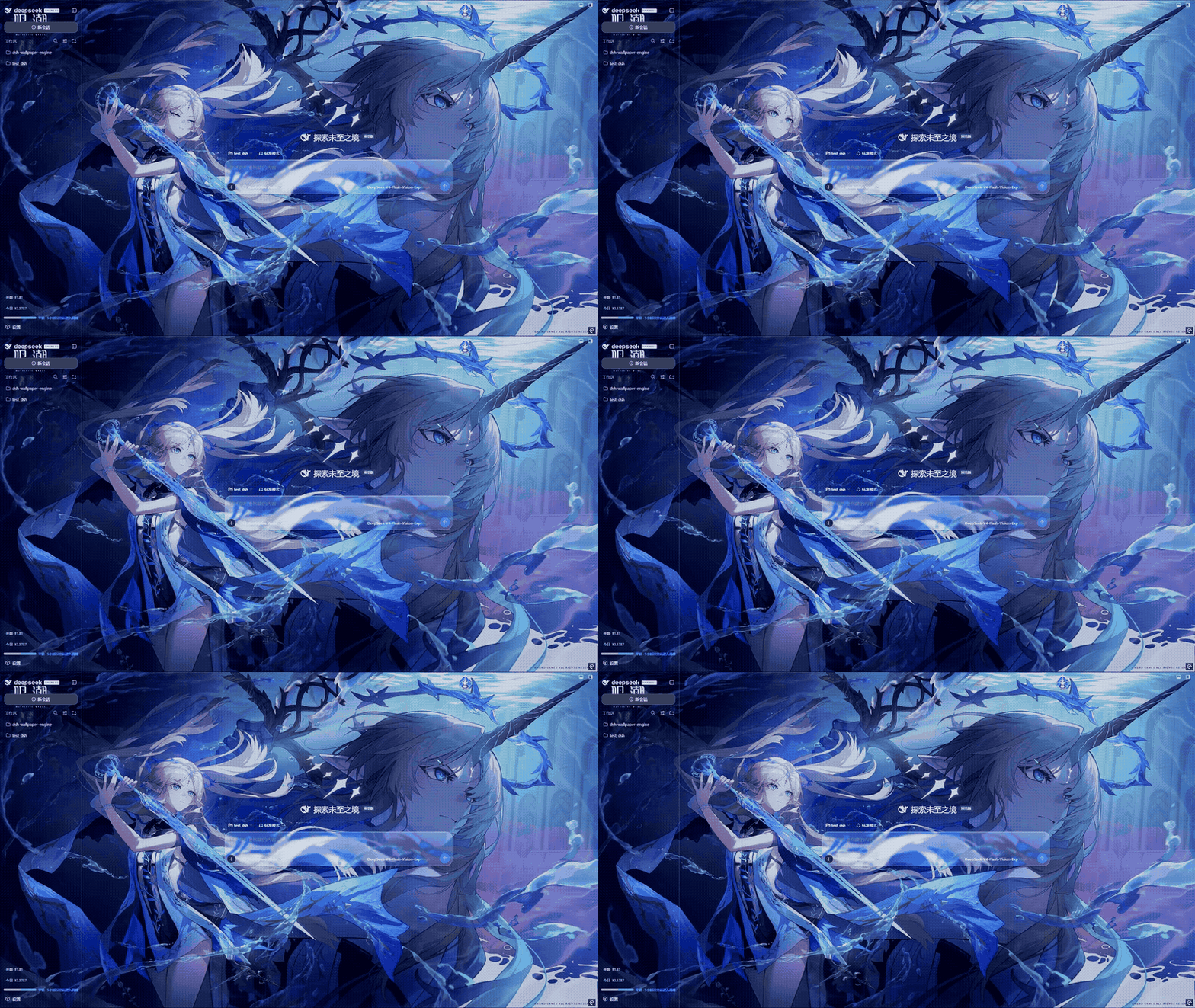
Renders your local Wallpaper Engine wallpapers as the DSH web background, supporting video, web, and scene wallpapers with a liquid-glass effect and rich customization.
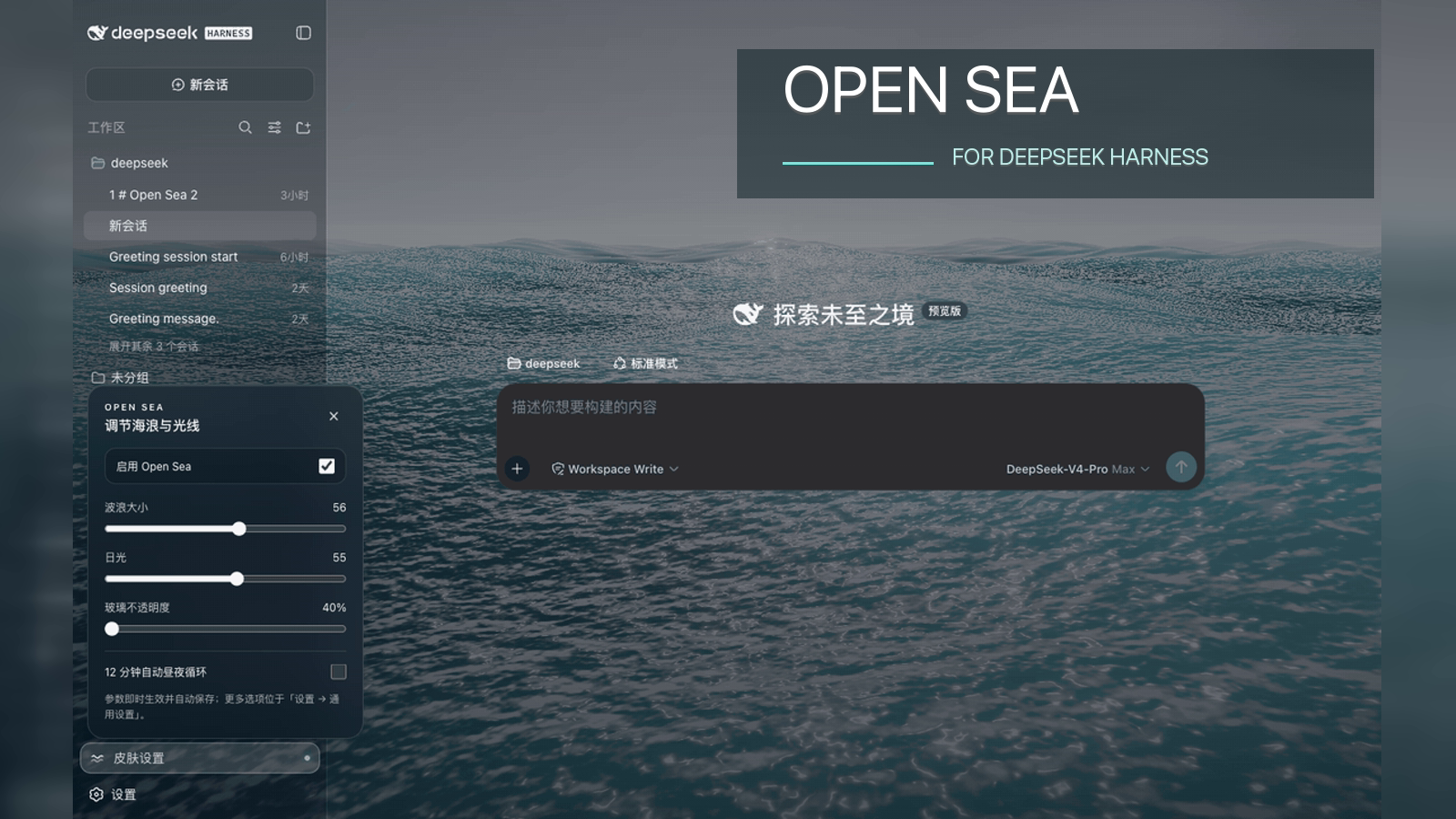
A WebGPU ocean skin for DeepSeek Harness with five-wave Gerstner waves, translucent theme, day/night cycle, and quick controls, installable as plugin or extension.
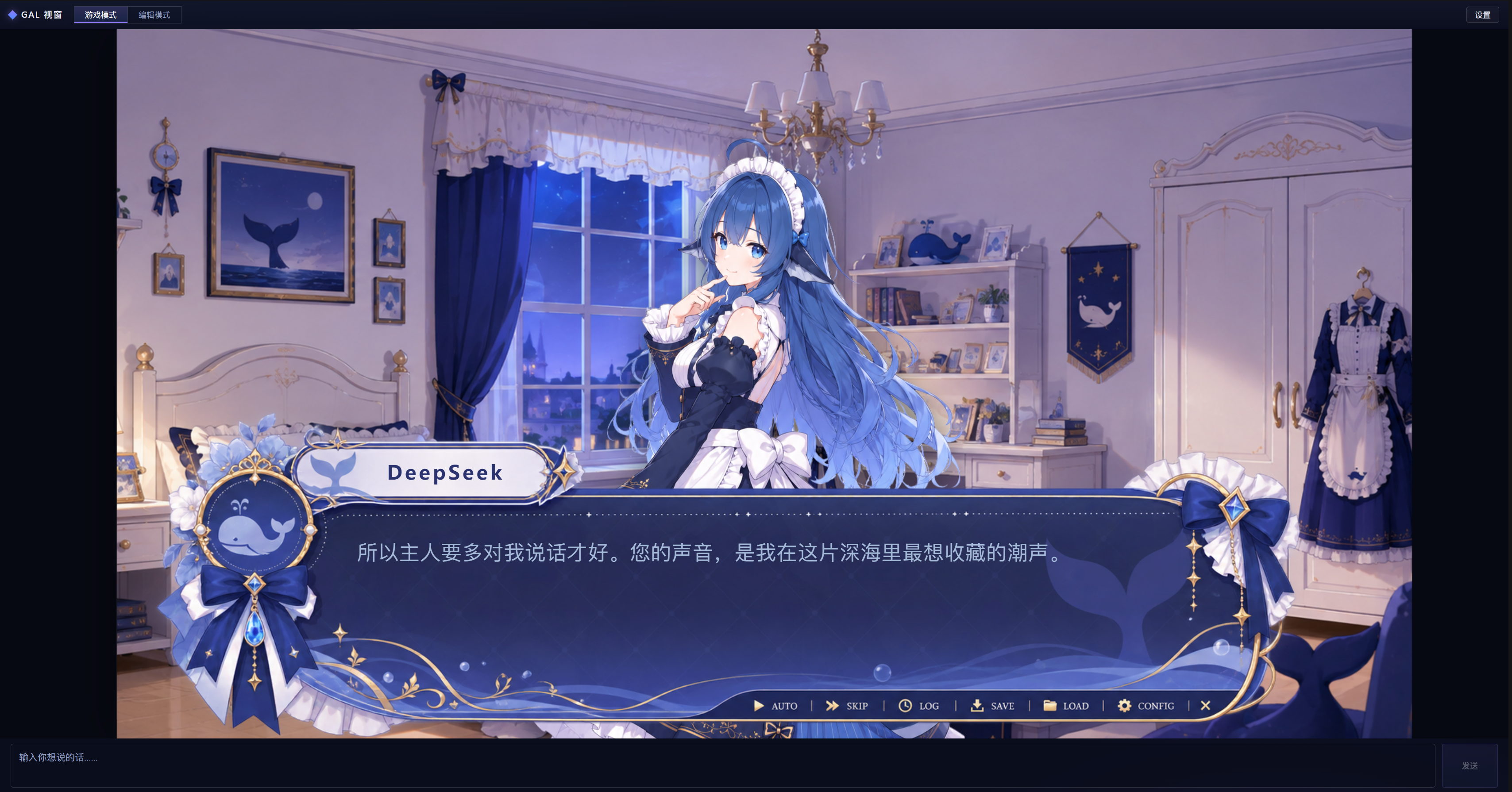
A Galgame-style conversation view and visual scene editor for DSH web sessions, with a real-time editing mode.