dsh-ultracode
Run the following command in DeepSeek Harness:
dsh plugin install BackMountainBird/dsh-ultracode
Paste the following prompt into your AI chat to install this plugin:
In an existing DeepSeek Harness setup, run dsh plugin install BackMountainBird/dsh-ultracode to install this plugin; source is available at https://github.com/BackMountainBird/dsh-ultracode
About this plugin
When working on substantive tasks with DeepSeek Harness, reasoning effort, parallel orchestration, and verification policy often require individual configuration and are easy to overlook. dsh-ultracode collapses all of this into a single /ultra toggle: when activated, every model request is pinned to the deepest reasoning effort the serving model declares, and a standing orchestration policy rides the system prompt—workflow fan-out by default, adversarial verification before reporting, and context hygiene. Toggle it off and everything returns to normal.
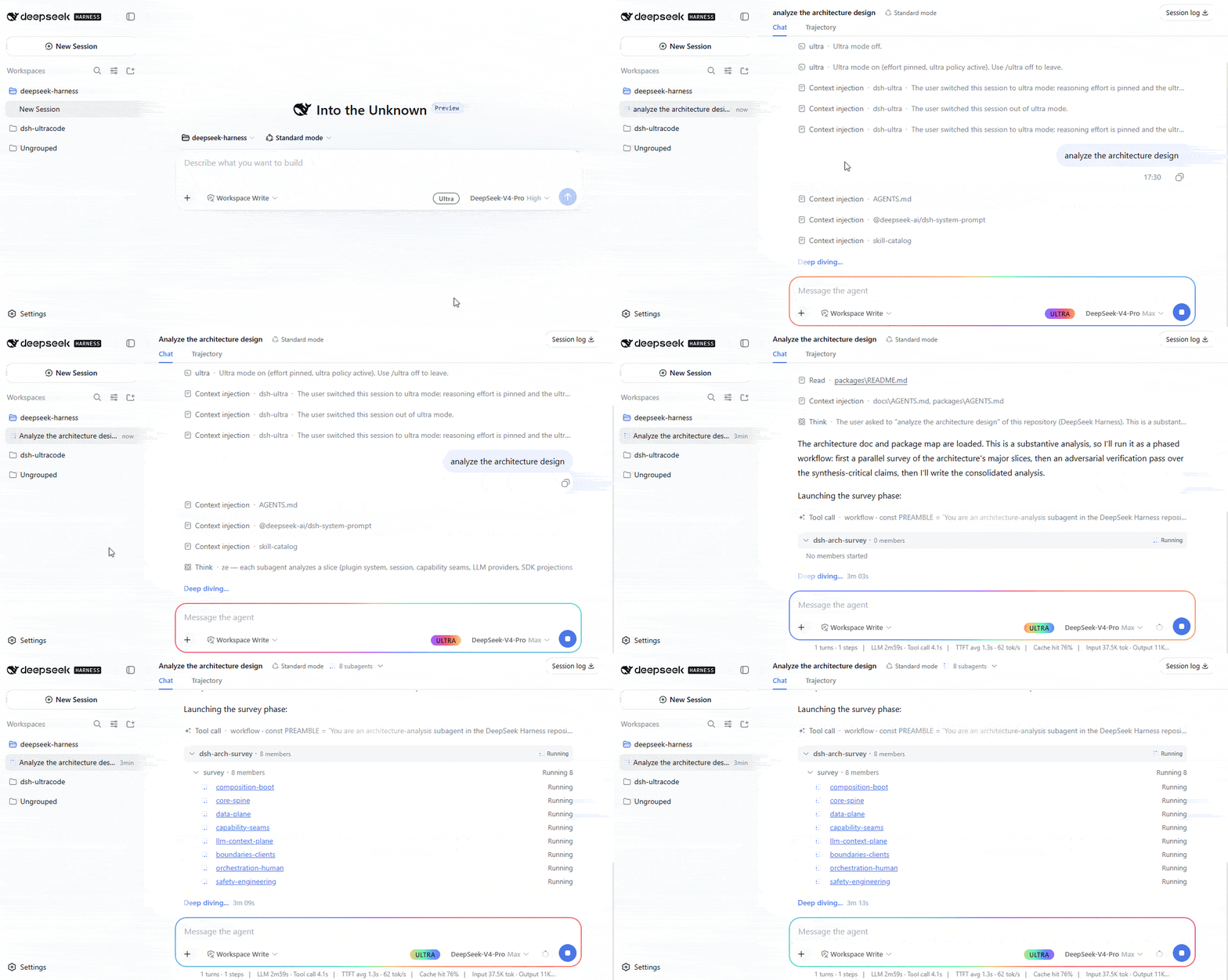
The design borrows from Claude Code's ultracode tier: the substance is not simply a deeper parameter but a standing orchestration policy. The policy text is a deployment-owned configuration; the default covers workflow opt-in, adversarial verification, and concurrency backoff retries. Spawned subagents inherit the ultra state through the delegation chain automatically; fork branches inherit through their seeded prefix and freeze there, requiring no extra setup. A ULTRA chip appears in the composer area, and while active the card carries a rainbow border for instant visual confirmation.
Ideal for moments when a task warrants the full reasoning budget—auditing integration points, cross-module refactoring, multi-file consistency checks—where you want depth locked in and the model working under an orchestration discipline you approve of, rather than hand-writing prompt instructions each time. It works with DeepSeek, GLM, Kimi, and any OpenAI-compatible route that declares efforts from the shared vocabulary.
Screenshots
Use Cases
- Auditing every integration point in a repo with parallel adversarial verification
- Cross-module refactoring where maximum reasoning depth reduces missed edge cases
- Multi-file consistency checks where fan-out discipline keeps parallel subagents on track
Best For
- DeepSeek Harness users who want one-toggle max depth without per-request config
- Teams mixing DeepSeek, GLM, Kimi, or custom OpenAI-compatible routes
- Developers who expect fan-out and adversarial verification discipline without hand-writing prompt instructions each time
Related Plugins
A service-oriented sidebar framework for DSH, offering a full workbench with file explorer, embedded browser, real terminal, Git panel, and extensible plugin services.
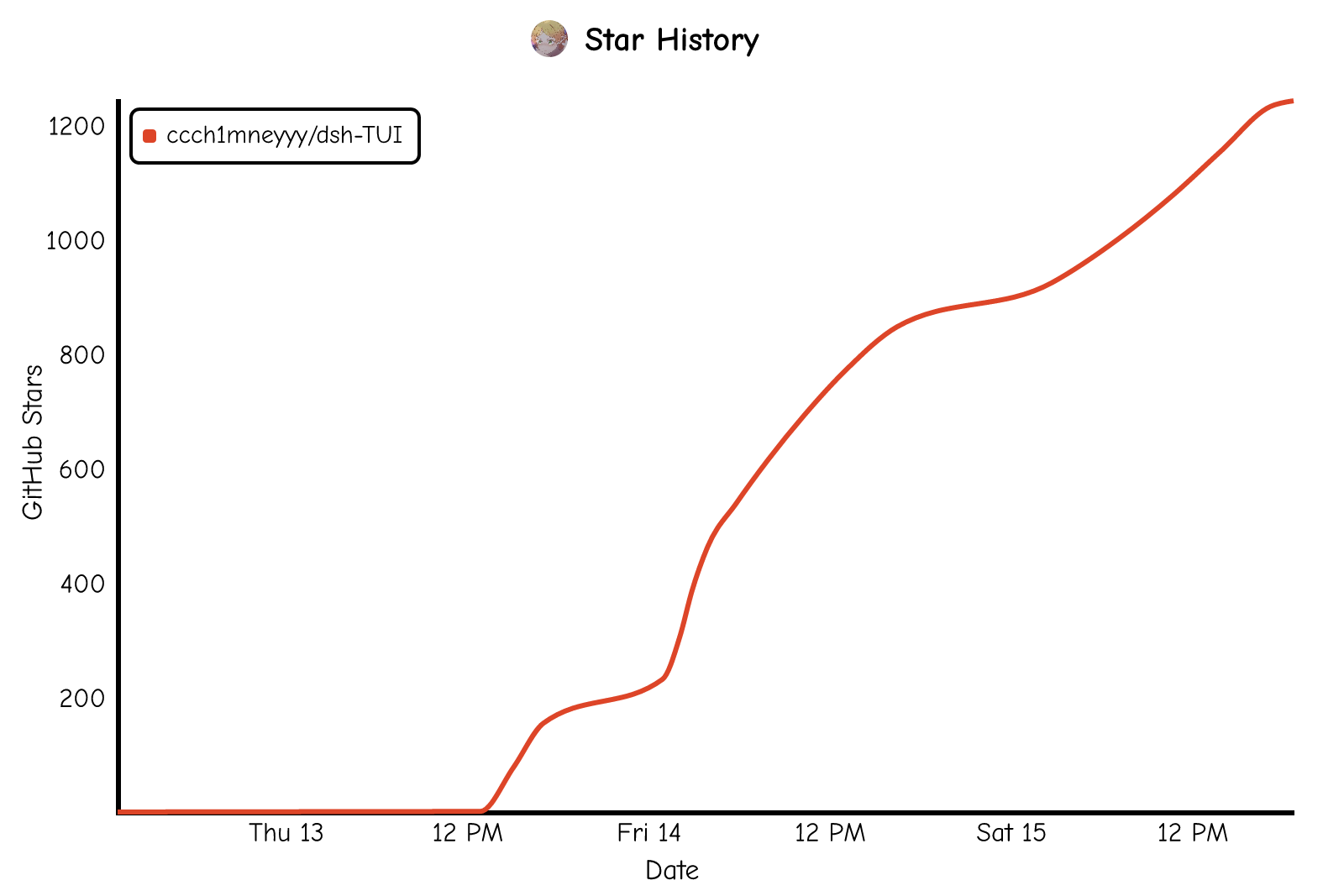
A beautiful, practical Claude Code-style TUI plugin with pixel whale top bar, flowing glow title, real-time status line, streaming thought expansion, time rewind, context progress bar and TPS gauge — zero core changes.
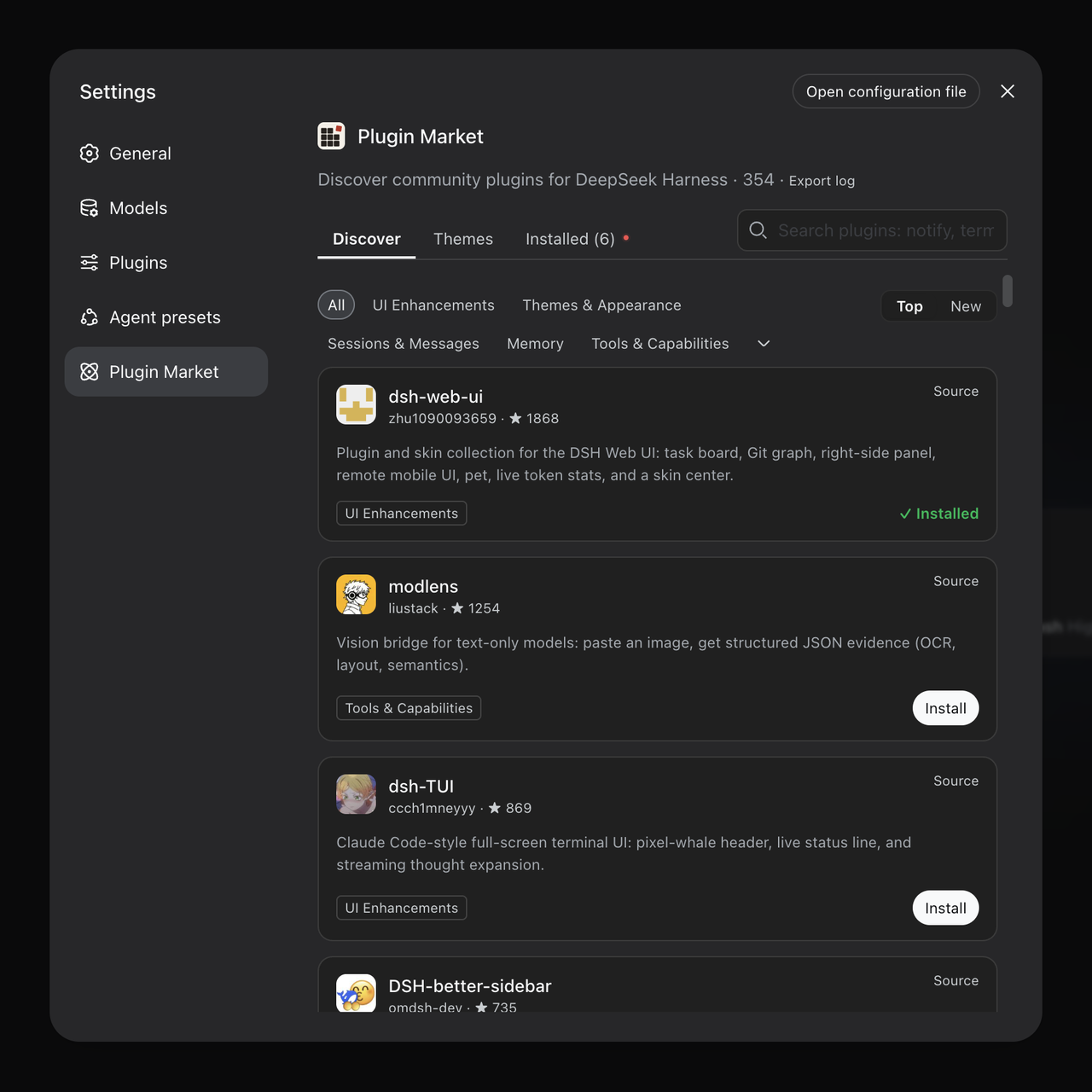
The plugin market for DeepSeek Harness: browse/search/one-click install community plugins and themes, with updates, backup/restore, hot disable, diagnostics, and AI fix.

A persistent whale widget on the DSH web UI that shows DeepSeek balance, today's usage, and per-turn cost, with drag-and-snap and sound effects.