dsh-web-speech-input
Run the following command in DeepSeek Harness:
dsh plugin install leozou320-ai/dsh-web-speech-input
Paste the following prompt into your AI chat to install this plugin:
Run dsh plugin install leozou320-ai/dsh-web-speech-input in your terminal to install this plugin; the full source repository is at https://github.com/leozou320-ai/dsh-web-speech-input.
About this plugin
Typing out a long prompt character by character in the Harness Web composer is not always the most natural workflow. dsh-web-speech-input adds a microphone button to the left of the input field that leverages the browser native Web Speech API, turning live speech into editable draft text with interim results visible as you talk. You review, edit, and submit on your own terms; the plugin never clicks Send for you.
There is no backend, no audio storage, and no network request from the plugin itself; all recognition is delegated to the browser speech engine. Language detection follows the page language, then the browser language, with zh-CN as the fallback. Common edge cases such as denied permissions, unavailable microphones, or network errors are surfaced with clear status messages, and the plugin includes keyboard focus management, ARIA labels, and reduced-motion support.
Ideal for Harness Web users on Chromium-based browsers (Chrome, Edge, etc.) who frequently compose long prompts or prefer thinking out loud. Firefox does not yet expose a compatible API in stable releases, and corporate or restricted environments may further limit availability; when it cannot work, the plugin tells you clearly rather than failing silently.
Use Cases
- Replace keyboard typing with live speech for long prompts in the Harness Web composer
- Review interim recognition text while speaking, then edit the draft before manually submitting
- Input prompts in Chinese speech, with the plugin auto-detecting the page language for recognition
Best For
- Harness Web users on Chromium-based browsers such as Chrome or Edge
- Developers who think out loud and frequently compose long prompts
- Users who benefit from reduced typing or need an accessible input option
Related Plugins
A service-oriented sidebar framework for DSH, offering a full workbench with file explorer, embedded browser, real terminal, Git panel, and extensible plugin services.
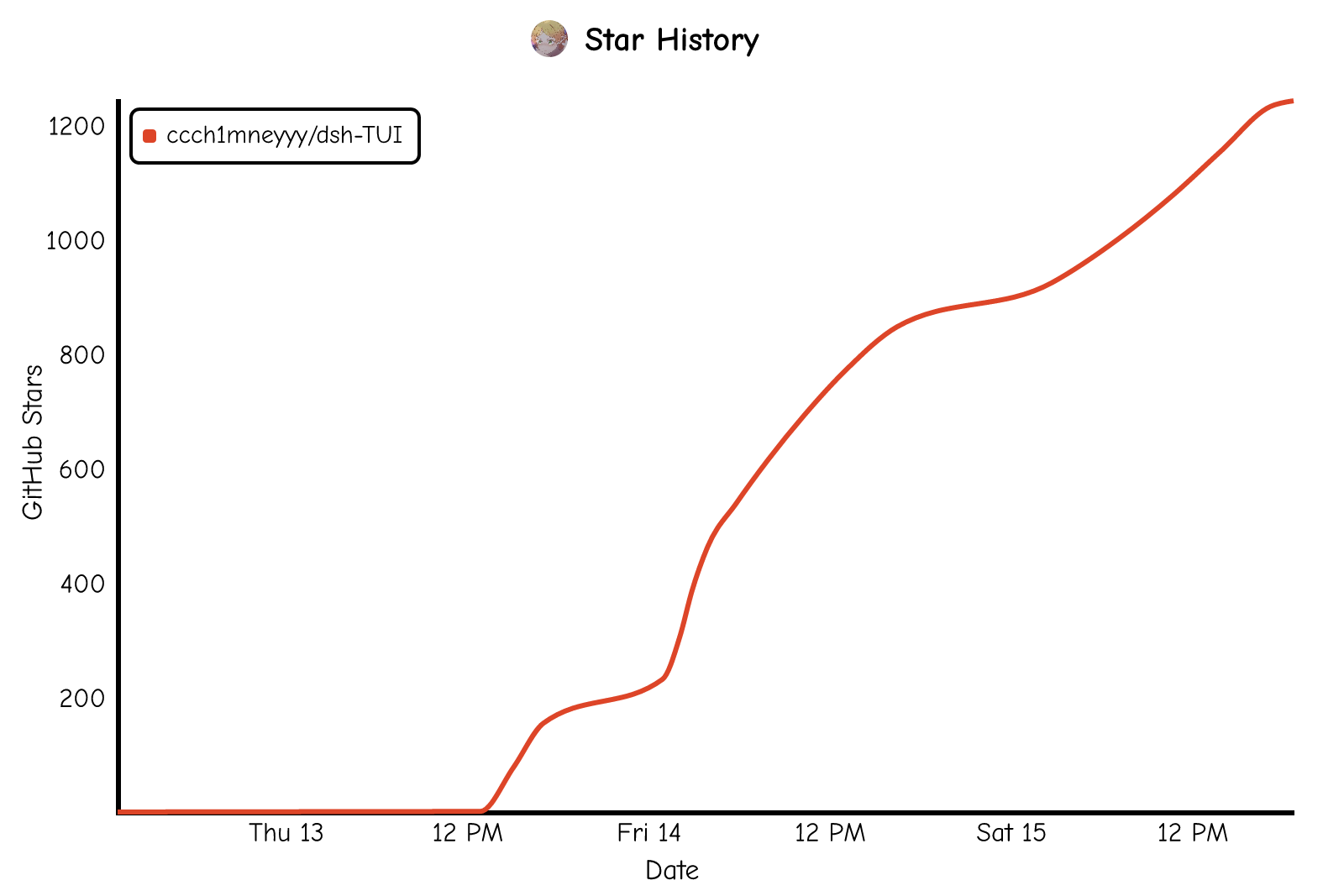
A beautiful, practical Claude Code-style TUI plugin with pixel whale top bar, flowing glow title, real-time status line, streaming thought expansion, time rewind, context progress bar and TPS gauge — zero core changes.
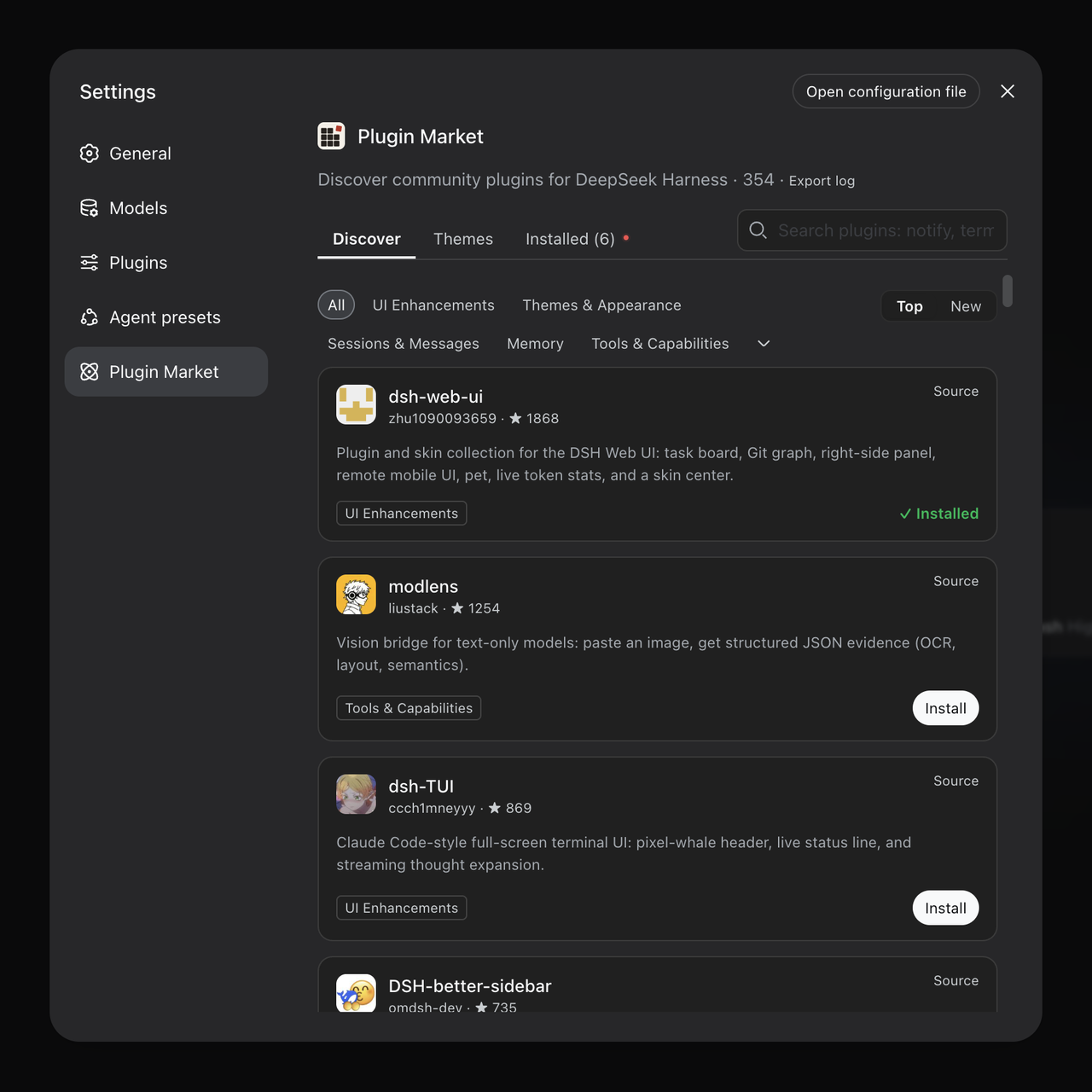
The plugin market for DeepSeek Harness: browse/search/one-click install community plugins and themes, with updates, backup/restore, hot disable, diagnostics, and AI fix.

A persistent whale widget on the DSH web UI that shows DeepSeek balance, today's usage, and per-turn cost, with drag-and-snap and sound effects.