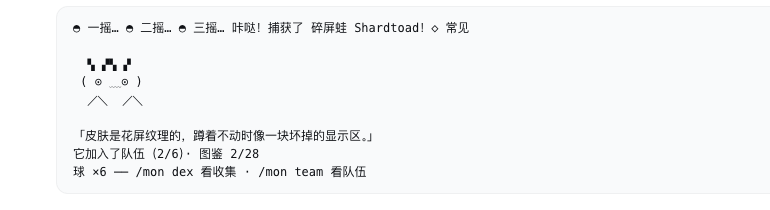
dsh-wildmon
Run the following command in DeepSeek Harness:
dsh plugin install swaylq/dsh-wildmon
Paste the following prompt into your AI chat to install this plugin:
Run dsh plugin install swaylq/dsh-wildmon in your DeepSeek Harness terminal to install the plugin; the full source lives at https://github.com/swaylq/dsh-wildmon .
About this plugin
The DSH ecosystem is not short on pets: two dozen-plus desk toys mirror agent state, and dsh-digipet added deep raising of a single pet that grows with your work output. What was missing, though, was the full collection loop—encounter, throw, dex, team. dsh-wildmon bolts that loop onto your real turns, inbox messages, tool calls, and error events, so writing code stirs the forging-knack grass, reading and research spooks the ink-forest, and a string of stack traces is just the fault-ridge telling you a rare is about to poke its head out.
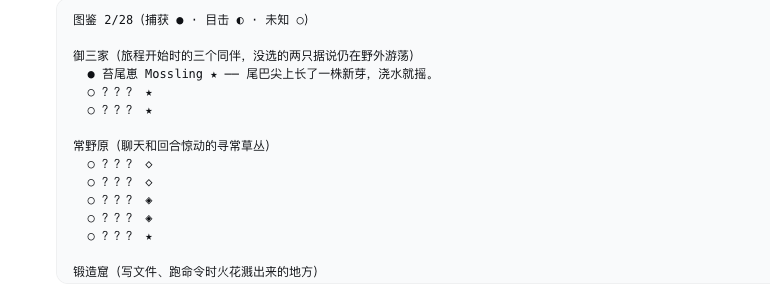
Five biomes map to how you work: file writes and shell commands draw you to the forging-knack, code reading and research to the ink-forest, tool failures and agent errors to the fault-ridge, and anything after midnight into the night threshold. The 28-slot dex spans four rarity tiers with a 1/64 shiny chance, and three legendaries hide behind specific conditions—every 250 turns, late-night error sounds, or a near-complete dex. The ball economy is self-sustaining: start with 8, gain 1 per completed turn, and get 2 back for duplicate catches, so chasing a rare never bankrupts your stash. Crucially, the plugin adds zero tokens to any model request: no tool registration, no session injection, no reading of your code, no KV-cache impact. Every listener sits inside a try/catch, so the grass can collapse without touching your build.
It is built for developers who live inside DSH, love collection-style games, and want the next error to feel like a spawn point rather than a ticket. It complements dsh-digipet rather than replacing it—one offers deep raising of a single pet, the other broad collecting of a whole menagerie—and the two coexist cleanly with separate commands, separate save files, and no collision.
Screenshots

Use Cases
- Code writes, shell commands, and research randomly trigger wild encounters in the grass
- Tool failures summon rare Fault Ridge monsters for a ball-throwing showdown
- Fill a 28-slot dex, manage a 6-mon team, and chase shinies and legendaries
Best For
- DSH daily drivers who are at home in collection games
- Developers who want stack traces to feel like spawn points, not tickets
- dsh-digipet users who also want a breadth-of-collecting layer on top
Related Plugins

whale-girl is a desktop pet in the DSH Web GUI (bottom-right for instant companionship) — draggable, feedable, playable; completed tasks, sessions and companionship time accrue into seniority levels, titles, and memories.
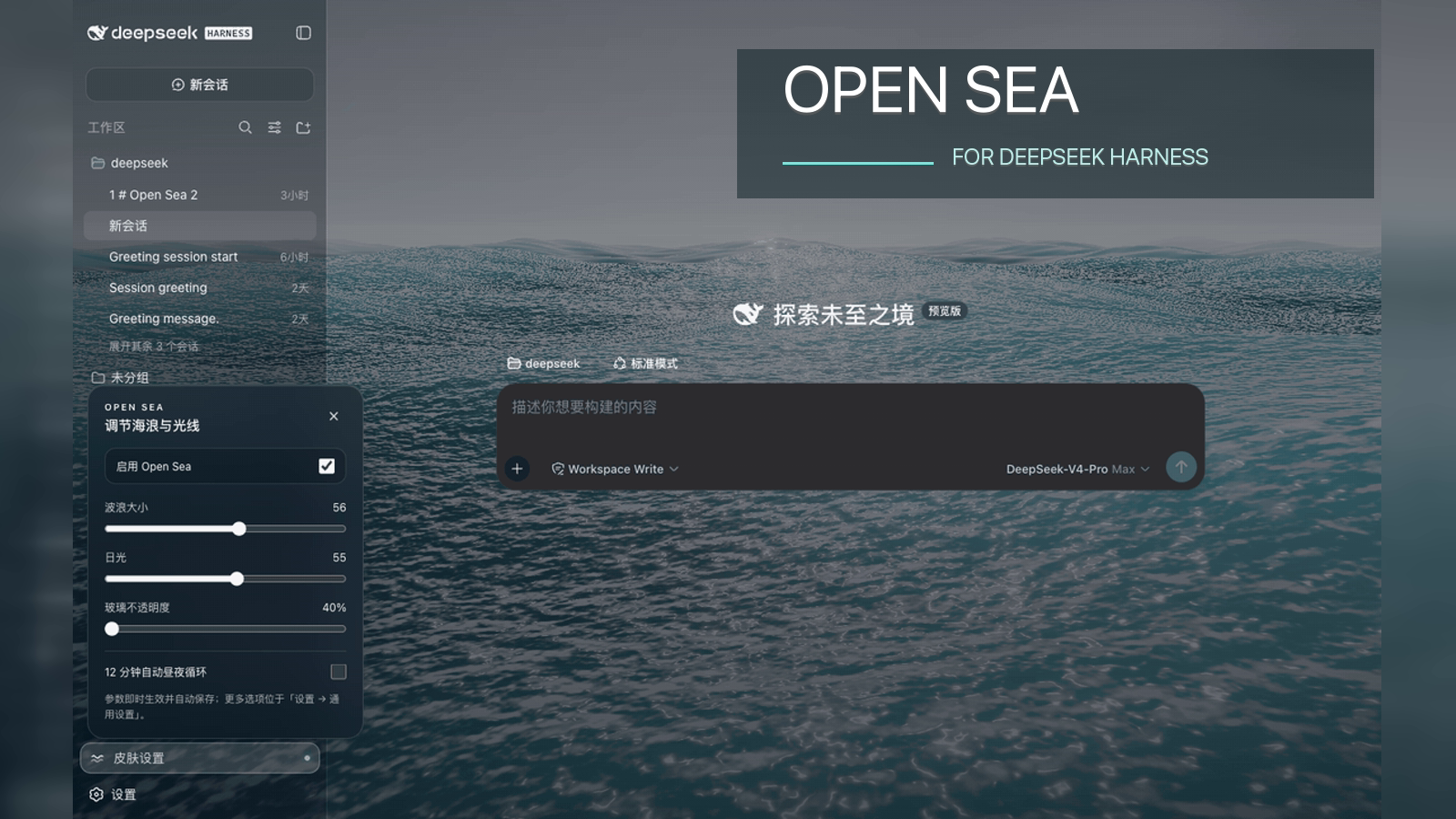
A WebGPU ocean skin for DeepSeek Harness with five-wave Gerstner waves, translucent theme, day/night cycle, and quick controls, installable as plugin or extension.
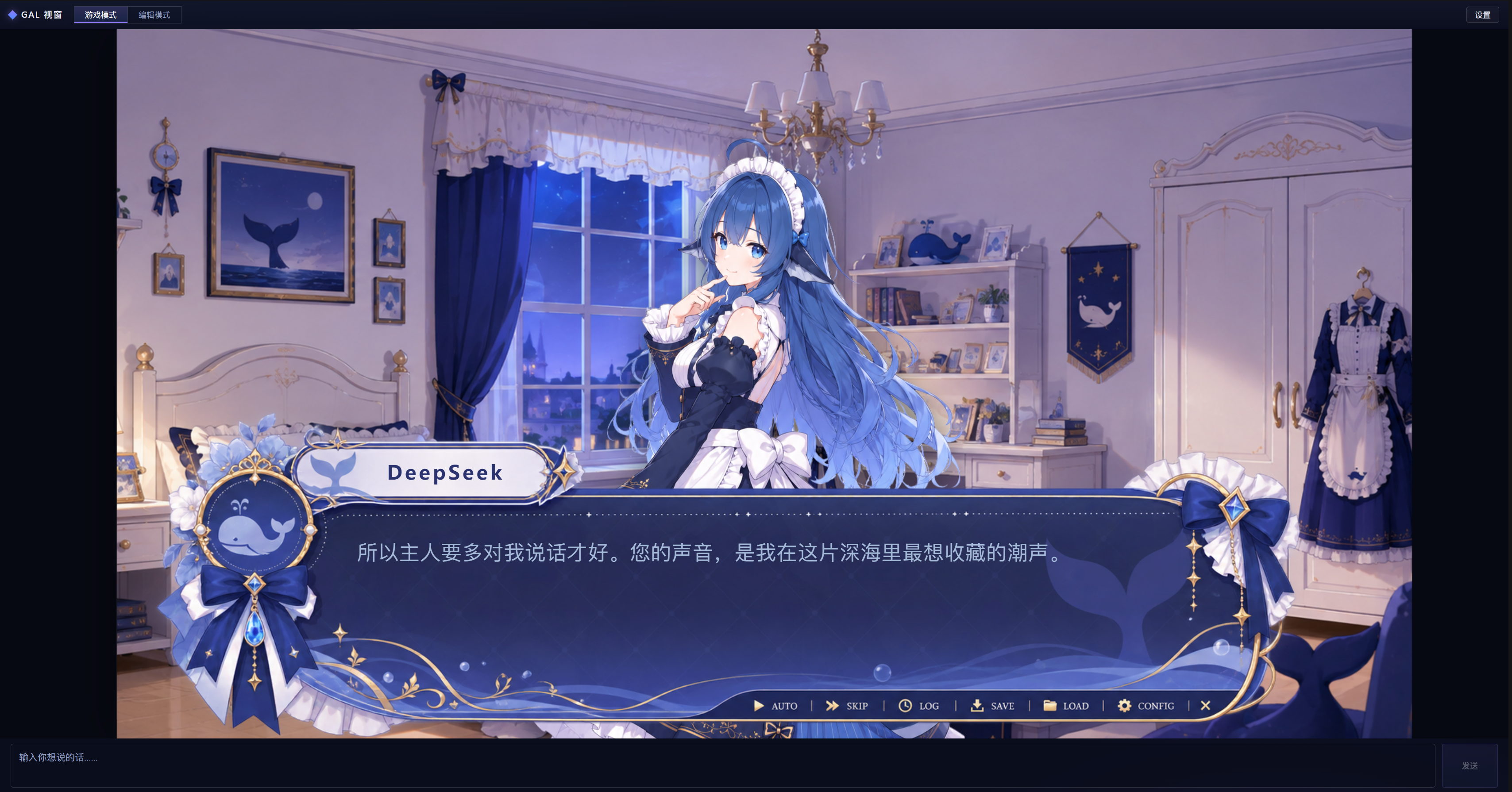
A Galgame-style conversation view and visual scene editor for DSH web sessions, with a real-time editing mode.

A native skinning plugin for DeepSeek Harness: 8 designer themes, wallpapers, accent colors, and shareable theme packs, built purely on design tokens.