DeepSeek Harness Plugins · Model Inference
Plugins that extend DeepSeek Harness (DSH) with vision, workflows, memory, web tools and more.
Adds vision capabilities to DeepSeek Harness models by processing images via multimodal large models and returning Chinese descriptions, with automatic fallback between primary and backup models.
dsh-teacher is a DeepSeek Harness plugin that turns the agent into a teacher, never answering directly, but guiding users through Socratic questioning to find answers themselves.
The dsh-xiapan-media plugin adds image recognition, image generation, and video generation capabilities to DeepSeek Harness via Xiapan Cloud services.
dsh-gpu is a GPU-aware execution layer plugin for DeepSeek Harness, providing GPU status queries, command execution, and background task management.
The dsh-image-tools plugin enables pure text models to recognize images by automatically saving images, dynamically disabling native read_image, and delegating visual tasks to sub-agents.
dsh-sci plugin provides zero-dependency scientific computing tools for DeepSeek Harness, including physical unit conversion, CODATA constant lookup, and Runge–Kutta ODE simulation.
dsh-think-any-lang adds a thinking language dropdown in settings, letting users choose the language for model reasoning with zero latency, while keeping replies in the user's language.
The plugin enables pure text models to process images by converting them into text descriptions via a vision model.
dsh-mcp-apps is a dual-face Cordis plugin that enables DeepSeek Harness to act as an MCP Apps host, connecting to servers and rendering interactive apps.
Add vision capabilities to text-only DeepSeek Harness models by pasting images and getting text descriptions through a built-in VLM backend, without model switching.
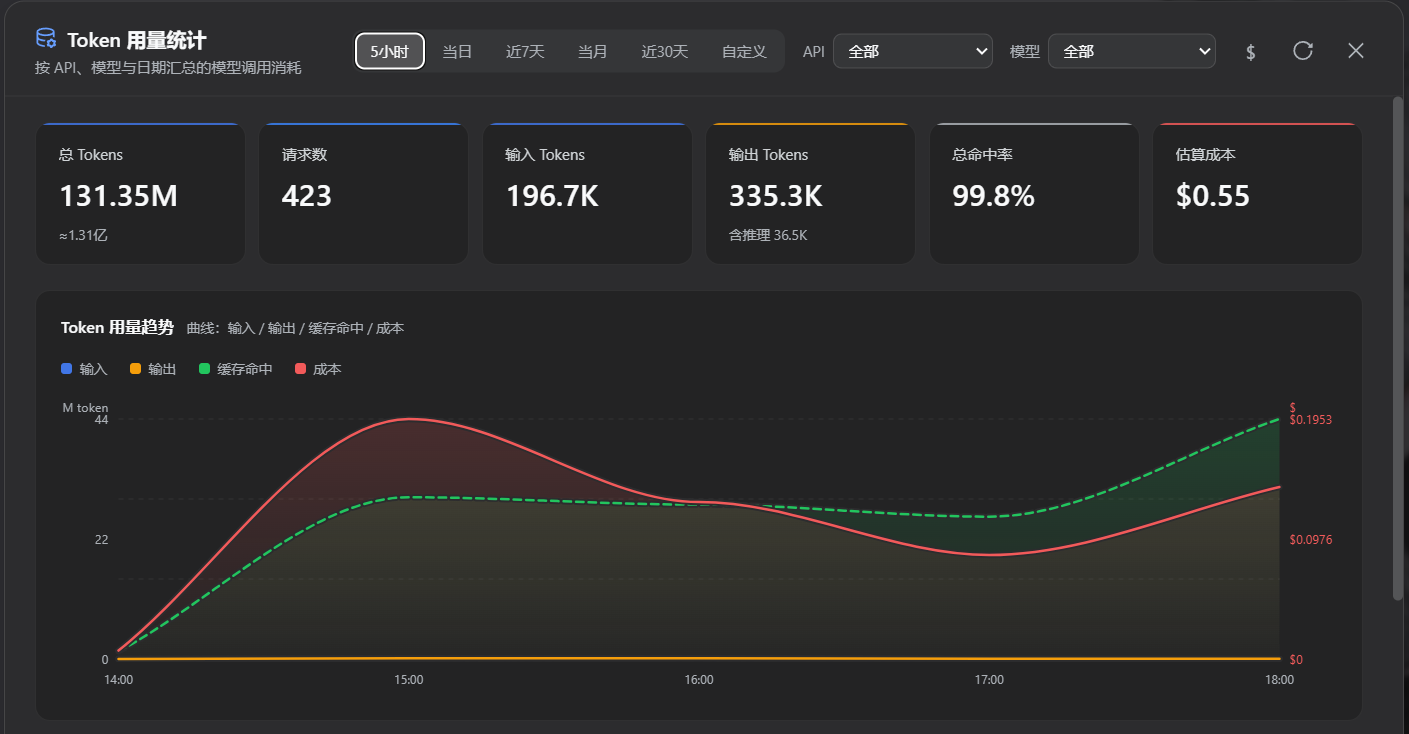
The dsh-token-usage plugin adds a token usage statistics panel to DeepSeek Harness Web UI, displaying consumption by API, model, and date with animations and theme adaptation.
A DeepSeek Harness plugin that registers the subagent_model tool, exposing model routing and context inheritance as optional parameters beyond the built-in subagent.